Planning Guides, Style Guide
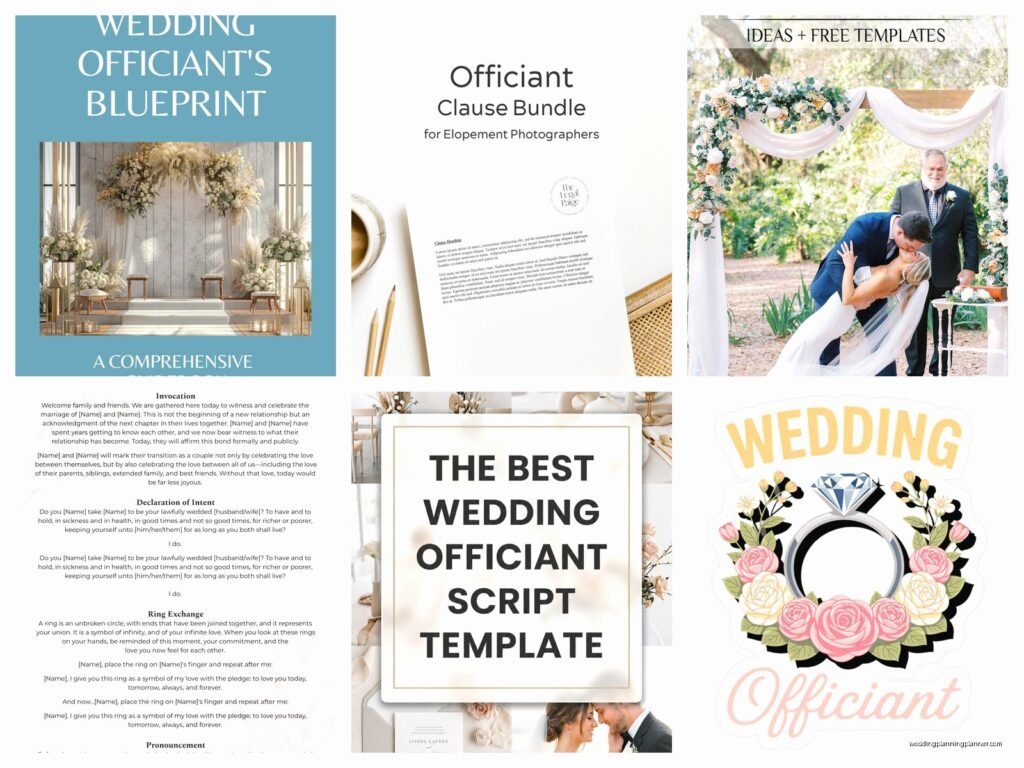
Wedding Officiant Template: Ceremony Script Downloads
Jul
So You Need a Wedding Ceremony Script Template
Okay so here’s the thing about ceremony scripts – most officiants are totally winging it or using the same tired template they found on page 47 of Google and honestly it shows. I’ve sat through probably 300+ weddings at this point and the difference between someone using a thoughtful script versus someone who clearly copy-pasted something at 2am is kinda painful.
Wedding officiant templates are basically pre-written ceremony scripts that you can download and customize for your specific couple. They include all the major components – the welcome, readings, vows, ring exchange, pronouncement, all that stuff. Think of them like… I dunno, like recipe templates where you’ve got the basic structure but you swap out ingredients based on what the couple actually wants.
Why You Actually Need These Templates
Look I get it, you might be thinking “I can just write something from scratch” but here’s what happens in real life. Your friend asks you to officiate their wedding (or you’re a professional officiant starting out), you say yes all excited, and then three weeks before the wedding you realize you have NO idea what you’re doing. That was literally me in summer 2021 when my college roommate asked me to officiate and I was like sure how hard can it be and then I’m sitting there at 11pm with a blank Google doc just… staring.
Templates give you:
- A proven structure that actually flows
- Legal language for the official parts (because yeah you gotta get that right)
- Timing guidelines so you’re not talking for 45 minutes
- Options for different ceremony styles – religious, secular, spiritual-but-not-religious, whatever
- Placeholder text you can customize so you’re not starting from zero
Where to Actually Find Good Templates
Alright so there are approximately ten million websites offering free ceremony scripts and about 90% of them are garbage. Like truly terrible, super generic “we are gathered here today” nonsense that sounds like it was written in 1952.
Here’s where I actually send people:
The Officiant Directory – They have downloadable templates organized by ceremony length and style. Their 20-minute secular ceremony template is really solid and I’ve used it as a base probably a dozen times.
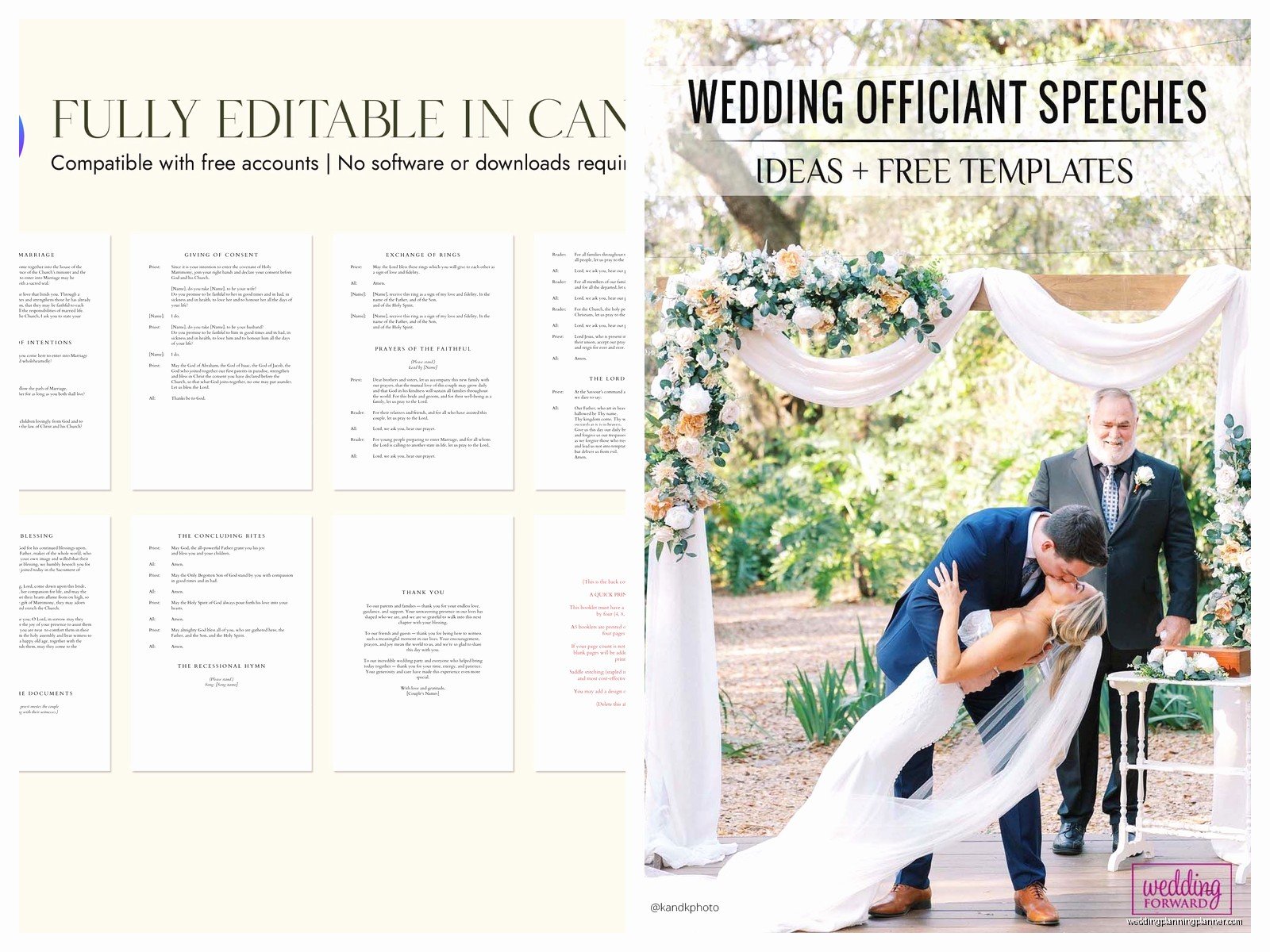
Wedding Officiant Marketplace – This one costs like $29 but you get a whole bundle of scripts plus customization guides. Worth it if you’re gonna be doing multiple weddings.
Provenance Press – They have beautiful scripts that lean more literary and poetic. Good for couples who are really into words and meaning, not so much for your “let’s keep it short and sweet” couples.
AMM (American Marriage Ministries) – Free templates when you get ordained through them. They’re fine, pretty basic, but they work and they’re legally sound which matters more than people think.
What Should Be In Your Template
Every ceremony script needs certain components or it’s gonna feel incomplete or worse, might not be legally binding depending on your state. Here’s the breakdown:
Opening/Processional
This is where you welcome everyone and set the tone. Your template should have a few different options here – funny, serious, short, longer with a story about the couple. I usually pick based on the vibe of the venue and what I know about the guests. Like if it’s a backyard wedding with 40 people you can be way more personal than a 200-person ballroom situation.
Declaration of Intent
The “do you take this person” part. This is legally required in most places so your template needs to include the actual required language for your state. What drives me absolutely CRAZY is when templates don’t specify which state’s requirements they’re meeting – like that’s kind of important information maybe???
Readings or Music Breaks
Your template should have placeholder spots for these with timing notes. I usually put [READING 1: approximately 2-3 minutes] or whatever so I remember to leave space.
Personal Story or Anecdote
Good templates will have a section where you can insert something personal about the couple. This is what makes ceremonies actually memorable instead of just… you know, a legal transaction with witnesses. I did this wedding in spring 2023 where I told the story of how the couple met at a dog park and both their dogs are sitting there in the front row wearing bow ties and everyone just melted.
Vows
Templates should give you options for traditional vows, modern vows, or space for personal vows. Make sure yours includes clear instructions about whether the couple repeats after you or reads their own or whatever.
Ring Exchange
Pretty straightforward but your template needs the actual ring vow language. Some couples want the traditional “with this ring I thee wed” and some want something totally different, so having options is good.
Pronouncement and Kiss
The big moment! Your template should have a few different ways to do this. “You may kiss” versus “you may seal your marriage with a kiss” versus “I now pronounce you married, kiss already!” – different vibes for different couples.
Closing and Recessional
How you wrap it up and send them back down the aisle. Should include the presentation of the couple with their new names or however they want to be introduced.
How to Actually Customize These Things
So you downloaded a template, great, now what? You can’t just fill in the names and call it done – well you CAN but it’s gonna sound super generic and everyone will zone out.
Here’s my process and you can steal it:
Interview the couple. Ask them how they met, what they love about each other, what they want the ceremony to feel like. I have a questionnaire I send out that’s like 15 questions and it gives me so much material to work with. Also ask what they DON’T want – some couples are like “please no religion” or “please no long readings” and you gotta respect that.
Pick your base template. Match the template style to what they told you. Romantic couple? Use the poetic template. Funny couple who met at a bar? Use the casual template with room for humor.
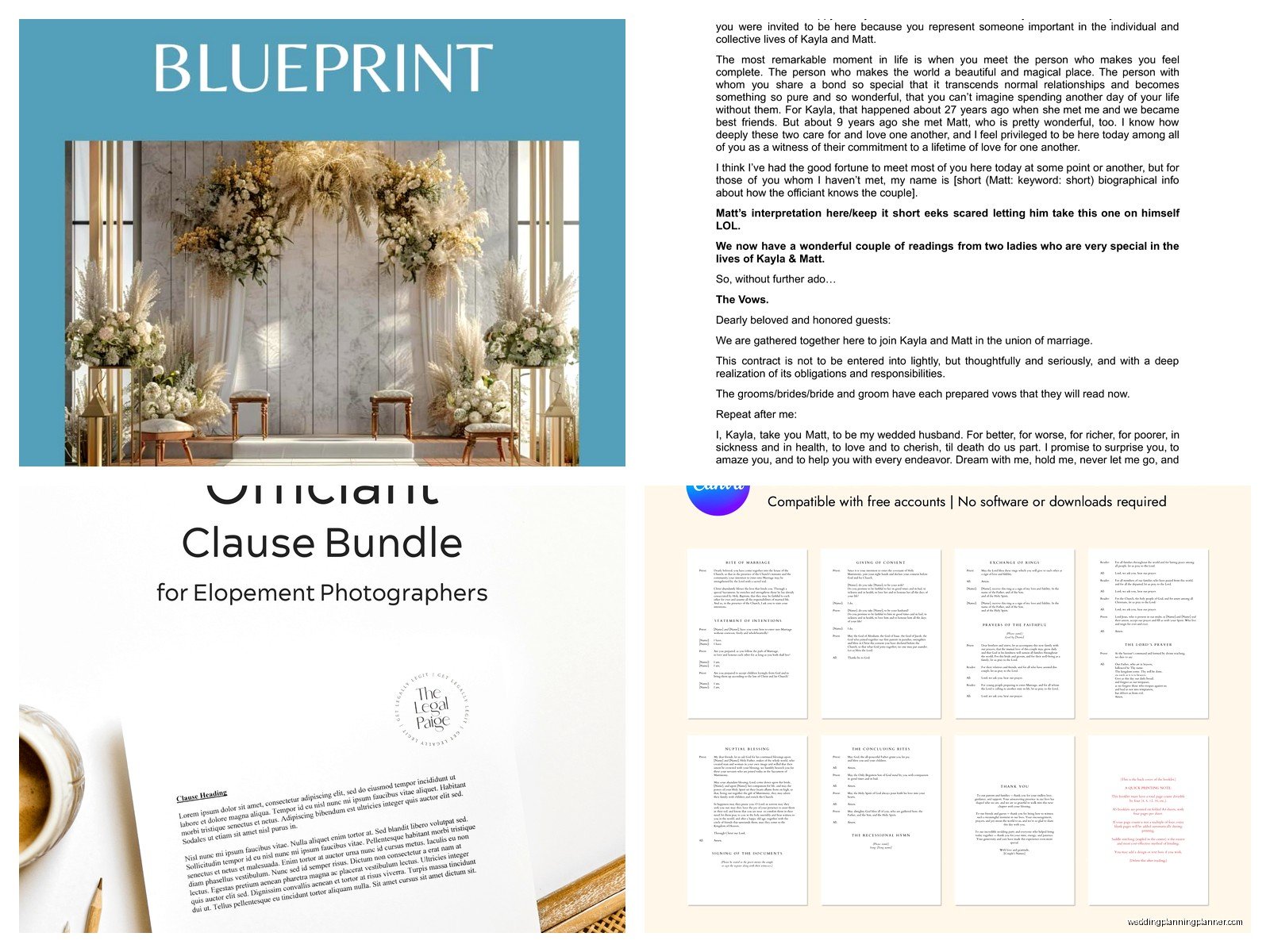
Swap out the generic stuff. Anywhere the template says something vague like “love is patient, love is kind” or whatever… unless they specifically requested that reading, change it to something that actually relates to THEM. Their actual relationship. Their actual lives.
Read it out loud. This is so important and people skip this step and then they get up there and realize half the sentences are impossible to say naturally. If you’re stumbling over words when you practice, rewrite it. My cat usually sits there judging me while I practice which is honestly helpful feedback.
Time yourself. Most ceremonies should be 15-25 minutes. Shorter than 10 feels rushed, longer than 30 and people start getting restless. Your template should tell you approximate timing but you gotta actually check with your customized version.
Different Template Styles You’ll Need
You can’t just have one template and use it for everyone – or I mean you CAN but it’s gonna be obvious and kinda lazy. I keep like 5-6 different base templates and mix and match components.
Traditional Religious
If you’re doing Christian, Jewish, Muslim, Hindu, whatever ceremonies, you need templates that follow those traditions properly. Don’t try to wing this stuff – religious ceremonies have specific requirements and orders of events that matter to people.
Secular/Non-Religious
This is probably what you’ll use most often honestly. Focuses on love, commitment, partnership without any religious language. Should still feel meaningful and ceremonial just without the God stuff.
Spiritual But Not Religious
For couples who want something that feels sacred or meaningful but isn’t tied to a specific religion. Might include nature imagery, universe language, that sort of thing. These can get kinda woo-woo so… watch out for that.
Super Short and Sweet
Like 5-10 minutes max. For elopements or couples who just want the legal minimum. These need to be TIGHT – every word counts.
LGBTQ+ Specific
Templates that don’t assume bride/groom language and are written to be actually inclusive. A good template here will have options for different pronoun combinations and won’t have any outdated “man and wife” type language.
Second Marriages
These need a different tone, especially if there are kids involved from previous marriages. Less “beginning of forever” and more “choosing each other again” or “blending families” energy.
The Legal Stuff You Can’t Mess Up
Okay so this is important – your template needs to include the actual legal requirements for marriage in your state/country. This varies WILDLY and it’s not something you can just guess at.
Most places require:
- Declaration of intent (the couple saying they want to marry each other)
- Pronouncement (you officially declaring them married)
- Witnesses present (usually 2, sometimes more)
- Proper signing of the marriage license after the ceremony
Some states have specific language that MUST be included. Your template should either include this or have very clear notes about where to find it. I had this one template I downloaded that was apparently written for UK weddings and I didn’t realize until literally the day before that the legal language was all wrong for the US and I had to scramble to fix it.
Formatting Your Script for Actual Use
Here’s something nobody tells you – the format of your script matters SO MUCH when you’re actually standing up there trying to read it.
Your downloaded template should be reformatted like this:
- Large font (14-16pt minimum) because you might be outside in weird lighting
- Clear section headers so you don’t lose your place
- Stage directions in a different format [like brackets or italics] so you don’t accidentally read them out loud
- Names in ALL CAPS so you don’t mispronounce them
- Print it on cardstock or put it in a nice binder – regular paper flaps around in the wind and it’s distracting
I learned this the hard way at an outdoor ceremony where my papers literally blew away mid-ceremony and I had to just… improvise the ending. It was fine but also extremely stressful and could’ve been avoided.
Adding Personal Touches That Actually Matter
The best ceremony scripts take the template structure but add stuff that makes people go “oh that’s so THEM.” Here’s what actually works:
Specific details about how they met. Not just “they met at college” but like “they met in a 8am chemistry lab and bonded over both forgetting to do the homework.”
Quotes from the couple themselves. If during your interview one of them says something really sweet about the other, write it down and work it into the ceremony. People love hearing their own words reflected back.
Acknowledge the people who aren’t there. If there’s a parent or grandparent who passed away, a brief mention can be really meaningful. Your template should have a spot for this – it usually goes in the opening section.
Inside jokes (used sparingly). Like one small reference that makes the couple laugh but doesn’t alienate everyone else. I did one where the couple had this whole thing about pizza and we worked in one line about it and it was perfect.
Common Template Mistakes to Avoid
I’ve seen some ROUGH ceremony scripts and here’s what makes them bad:
Too long. Nobody wants to stand there for 45 minutes. I don’t care how beautiful your words are. 20-25 minutes MAX unless it’s a full religious ceremony where that’s expected.
Too many readings. Three readings is too many. Two is pushing it. One good reading is perfect. Your template should help you choose not just throw everything in there.
Trying too hard to be funny. Unless you’re naturally funny and the couple specifically wants humor, keep it sincere. Jokes that bomb during a ceremony are PAINFUL to watch.
Using words you can’t pronounce. If your template has fancy vocabulary that you stumble over, change it. Simple clear language is always better than trying to sound smart.
Forgetting to practice. You need to read through your customized script at least 3-4 times before the wedding. Out loud. While standing up. I know it feels silly but trust me.
What to Do With Downloaded Templates
Okay so practical steps – you’ve downloaded a template or three, now you need a system for actually using them.
I keep all mine in a Google Drive folder organized by style. Each template is a Google Doc that I can copy and customize for each specific wedding. I also have a master checklist document that reminds me what questions to ask couples and what to customize.
After each wedding, I save the final customized script in a separate “completed ceremonies” folder with the couple’s names and date. This is useful because sometimes couples will refer friends to you and you can show them examples of your actual work.
Also – and this might just be me – but I print out a backup copy the night before every wedding and keep it in my car. Just in case technology fails or I forget the main copy or whatever. It’s saved me exactly once but that one time made it worth it.
Mixing and Matching Template Components
You don’t have to use one template start to finish. Sometimes I’ll take the opening from one, the vow format from another, and the closing from a third. As long as the tone stays consistent and it flows well, mixing components totally works.
Like I’ve got this one really beautiful opening from a literary template that I use for book-loving couples, but then I’ll pair it with a simpler modern vow exchange because the fancy opening is enough and you don’t need to be flowery for the whole ceremony or it gets exhausting.
The key is making sure transitions work. If you’re gonna mix templates, read the whole thing out loud to check that it doesn’t sound choppy or like it was written by different people (even though it kinda was).
Updating Your Templates Over Time
Your templates aren’t set in stone – you should be updating them based on what works and what doesn’t. After every ceremony I do, I make notes about what landed well and what felt awkward. Then every few months I go through and update my base templates.
Like I used to have this one line about “two becoming one” that I thought was romantic but after using it a few times I realized it kinda erases people’s individual identities which isn’t great? So I changed it to something about “two people choosing to walk through life together while remaining fully themselves” and that feels better.
Also language changes and evolves. Templates from even 5 years ago can feel dated now. Keep yours current and relevant to how people actually talk and think about marriage today.