
Planning Guides, Style Guide
Elopement Planner: Small Intimate Wedding Coordinator

Sep
What An Elopement Planner Actually Does
So you’re thinking about becoming an elopement planner or you need to hire one and honestly, it’s such a different beast from traditional wedding planning. I learned this the hard way in spring 2023 when I took on what I thought was a simple elopement and ended up coordinating with a helicopter pilot at 5am because the couple wanted to say their vows on a mountain peak. Nobody tells you about the helicopter pilots.
An elopement planner is basically someone who coordinates small, intimate weddings—usually under 20 people, sometimes just the couple. You’re handling everything a regular wedding planner does but compressed into a smaller timeline and usually with way more location challenges. Like, you’re not just booking a ballroom. You’re figuring out if you need permits to get married in a national park or whether that beach is actually accessible during high tide.
The Planning Timeline Is Completely Different
Traditional weddings? You’re looking at 12-18 months of planning. Elopements can happen in six weeks. I’ve had couples contact me three weeks out and yeah, it’s doable but kinda stressful. You gotta be flexible with timelines because half the appeal of eloping is that it’s not this massive production that takes over your life for two years.
What really annoys me though is when couples think “small wedding” means “no planning needed” and then they’re shocked when I tell them we still need to handle permits, vendor contracts, timeline creation, and contingency plans. Just because there’s no seating chart doesn’t mean you can wing the whole thing.
Location Scouting Is Like 60% Of Your Job
This is where elopement planning diverges completely from traditional planning. You’re not touring venues with catering kitchens and getting-ready suites. You’re hiking trails at sunrise to check lighting. You’re calling park rangers. You’re researching tide schedules and sunset times and whether that cliff overlook is actually accessible in November.
I keep a massive spreadsheet of locations I’ve vetted personally—beaches, mountain overlooks, urban rooftops, botanical gardens, vineyards, desert landscapes. For each one I note:
- Permit requirements and costs
- Accessibility (can grandma make it up that trail?)
- Parking situation
- Restroom access
- Weather considerations
- Backup locations within 15 minutes
- Cell service availability
- Best time of day for photos
That last one matters more than you’d think. I had a couple dead set on a 2pm ceremony in July in the desert and I had to basically… well, I showed them photos of what harsh overhead sun does to wedding photos and they moved it to 6pm real quick.

Vendor Management Gets Weird
You’re not booking a full catering team for 150 people. You’re finding a photographer who’s willing to hike three miles with their equipment. You’re sourcing a hair and makeup artist who’ll come to an Airbnb at 7am. You’re finding an officiant who’s comfortable performing ceremonies outdoors in unpredictable conditions.
The vendor list for an elopement usually includes:
- Photographer (non-negotiable, this is usually the biggest budget item)
- Officiant
- Hair and makeup artist
- Florist (usually just bouquet and boutonniere)
- Sometimes a videographer
- Occasionally a musician
What you’re NOT usually booking: caterers, DJs, rental companies, transportation, full bar service. Though some couples do a small celebration dinner afterward and then you’re coordinating restaurant reservations for 8-12 people which is its own thing.
I’ve built relationships with vendors who specifically enjoy elopement work. Not every photographer wants to scramble over rocks or wake up at 4am for sunrise shots. You need people who are into the adventure aspect.
The Permit Situation Will Drive You Crazy
Okay so this is the part that nobody thinks about until you’re knee-deep in it. Most public lands require permits for professional photography and ceremonies. National parks? Definitely need permits. State parks? Usually. Beaches? Depends on the state and sometimes the specific beach. That gorgeous waterfall spot? Probably needs a permit.
I spend genuinely hours researching permit requirements for different locations. Some permits are $50 and take a week to process. Others are $300 and require applying 60 days in advance. Some locations have blackout dates. Some have guest limits even for small ceremonies. It’s a whole administrative nightmare that you gotta navigate.
And couples get frustrated when I tell them their dream location is actually closed to weddings or requires a $500 permit, but like… I can’t change Park Service regulations, sorry.
Day-Of Coordination Is More Hands-On
With a traditional wedding, you’re managing a timeline with multiple vendors arriving at a venue. With an elopement, you’re often physically at the location making sure everything happens. I’ve held bouquets, adjusted veils in the wind, helped couples navigate rocky terrain in formal wear, and once—I kid you not—I had to shoo away a very persistent seagull that wanted to investigate the ceremony setup.
You need to bring an emergency kit that’s more extensive than typical wedding planning. Mine includes:
- First aid supplies (blisters are common when people wear new shoes on trails)
- Safety pins, fashion tape, sewing kit
- Stain remover
- Tissues and blotting papers
- Sunscreen and bug spray
- Water bottles and snacks
- Phone chargers and backup battery packs
- Blanket or small tarp (for sitting on rocks or grass)
- Umbrella (for sun or unexpected rain)
- Copies of permits and vendor contracts
I’m also usually the one holding the marriage license until it’s time to sign, making sure the couple has working pens, and coordinating with the photographer on timeline and shot lists.
Weather Contingency Planning Is Critical
Summer 2021, I had a couple planning a mountaintop elopement. We had a backup location scouted, but they really didn’t think we’d need it. The morning of their ceremony, massive thunderstorms rolled in. We pivoted to the backup—a covered pavilion with mountain views—and it was still beautiful, but they were initially pretty disappointed.
This is why I always, always have a Plan B location vetted and ready. And honestly, sometimes a Plan C. You need to discuss with couples upfront what happens if weather doesn’t cooperate. Do we reschedule? Do we move to the backup location? Are they okay with getting married in light rain?
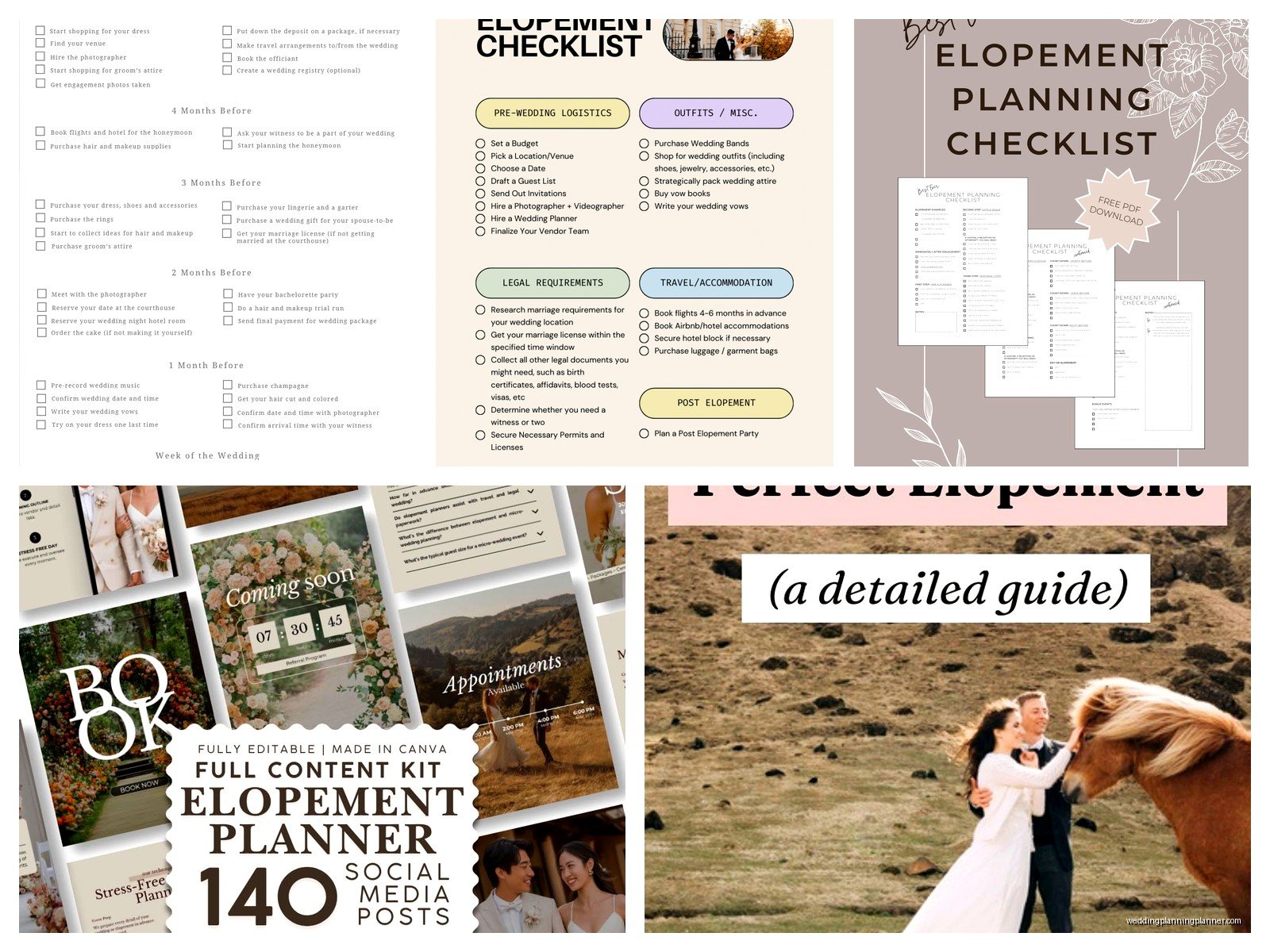
I check weather forecasts obsessively starting five days before the elopement. I monitor hourly forecasts. I have weather apps that show radar and precipitation probability. My cat judges me when I’m staring at my phone at 10pm checking if that 30% chance of rain is trending up or down, but whatever, this is the job.
The Paperwork Side Nobody Talks About
Marriage licenses are still required for elopements, obviously. But couples are often confused about the process, especially if they’re eloping in a state where they don’t live. Each state has different requirements:
- Some require waiting periods between getting the license and the ceremony
- Some require both parties to appear in person to get the license
- Some allow you to apply online
- License validity periods vary (some are good for 30 days, some for 90)
- Witness requirements differ by state
I walk couples through this process because it’s confusing and if you mess it up, you’re not legally married. I provide them with a checklist of what documents they need to bring, where to go to get the license, and how long before the ceremony they need to obtain it.
Also, you need to coordinate with the officiant on returning the signed license to the appropriate office. Some officiants handle this themselves, some expect the couple to do it, and you need to make sure everyone’s clear on whose responsibility it is.
Budget Conversations Are Different
Elopement budgets are all over the place. I’ve coordinated elopements for $3,000 and ones that cost $25,000. The couple eloping to avoid a big expensive wedding might have a $5,000 budget. The couple doing a destination elopement with a week-long adventure might spend $15,000.
Typical budget breakdown for a mid-range elopement:
- Elopement planner: $1,500-$3,500
- Photographer: $2,000-$5,000
- Officiant: $300-$600
- Hair and makeup: $300-$500
- Flowers: $150-$400
- Permits and fees: $50-$500
- Attire: varies wildly
- Accommodations: varies by location
- Celebration dinner: $200-$1,000
Photography usually takes up the biggest chunk because these couples want amazing photos—that’s often their main priority since they’re not having a big event with all their people there.
You’re Also Kind Of A Therapist Sometimes
Couples who elope are often dealing with family drama. Maybe their families wanted a big wedding and they’re disappointed. Maybe the couple is keeping the elopement secret until after. Maybe there’s tension about who gets invited to the intimate ceremony and who doesn’t. You end up hearing a lot of personal stuff and you gotta be supportive without getting too involved in family dynamics or… I don’t know, I try to stay in my lane but also be understanding.
I had one couple who hadn’t told the bride’s mom they were eloping and she called me by accident thinking I was a different vendor and I had to do this awkward thing where I didn’t lie but also didn’t give away their plans. It was so uncomfortable.
The Timeline On The Day Is Compressed
A traditional wedding might have an 8-hour timeline. An elopement ceremony might be 30 minutes. But you’re still building in buffer time for travel, for photos, for getting ready. A typical elopement day timeline looks something like:
- Hair and makeup: 2-3 hours
- Getting dressed and detail photos: 30 minutes
- Travel to ceremony location: varies
- First look photos (if doing them): 20 minutes
- Ceremony: 15-30 minutes
- Post-ceremony portraits: 1-2 hours
- Celebration or adventure time: varies
Some couples do sunset ceremonies, some do sunrise. Some want a full day of adventure with their photographer documenting everything. Every elopement is different and you’re customizing the timeline based on their vision.
Marketing Yourself As An Elopement Planner
If you’re trying to break into this niche, you need a portfolio that shows you understand the vibe. Your Instagram or website should feature:
- Photos from actual elopements you’ve coordinated
- Location guides for your area
- Vendor recommendations
- Permit information resources
- Budget breakdowns
- Real couple testimonials
I started by offering discounted rates to build my portfolio. I also partnered with photographers who specialized in elopements because we could refer clients to each other. That referral network is gonna be crucial for building your business.
You also need to be clear about what you DO and DON’T include in your services. Some elopement planners just do day-of coordination. Some offer full planning packages. Some specialize in destination elopements. Some focus on local elopements only. Figure out your niche within the niche.
Tools And Systems You Actually Need
I use a project management system to track each elopement. You need organized systems for:
- Client communication and contracts
- Vendor contact information and contracts
- Permit applications and documentation
- Timeline creation
- Budget tracking
- Location information and directions
- Emergency contacts
I also keep detailed notes in my phone of every location I scout. Photos, GPS coordinates, parking info, accessibility notes. This becomes your knowledge base that makes you valuable to clients.
A good CRM system helps too. I use one that sends automated emails at certain points in the planning process—like a reminder to get the marriage license three weeks before the elopement, or a request for final vendor payments two weeks out.
Dealing With Last-Minute Changes
Elopements are generally more flexible than traditional weddings, but last-minute changes still happen and they’re stressful. I’ve had couples decide the day before that they want to add two more guests (which meant re-doing the permit application). I’ve had weather force location changes with 12 hours notice. I’ve had vendors cancel due to emergencies.
You need backup vendors in your contact list. If a hair and makeup artist cancels, you need to know who else you can call on short notice. If an officiant gets sick, you need options. This is where your vendor relationships really matter—people who’ll help you out in a pinch.
The couples who are easiest to work with understand that outdoor ceremonies come with some unpredictability and they’re okay with rolling with changes. The ones who want everything perfectly controlled… elopements might not be for them, honestly.
