
Planning Guides, Style Guide
Wedding Planning Help: Professional Support Services
Sep
Okay So You’re Thinking About Hiring Wedding Help
Look, I get asked this constantly and honestly the biggest mistake I see is people waiting until they’re completely drowning before they reach out for professional support. Like, you don’t need to be a superhero about this whole wedding thing. There are literally people whose entire job is making sure your napkins are folded correctly and your drunk uncle doesn’t grab the mic during toasts.
The wedding industry has SO many different types of professionals and I think that’s where people get confused first. You’ve got full-service planners, day-of coordinators, partial planners, venue coordinators (who are NOT the same thing, I promise), designers, consultants… it’s kinda overwhelming when you’re just trying to figure out if you need help addressing 150 envelopes or if you need someone to plan your entire reception timeline.
Full-Service Wedding Planners (The Whole Shebang)
These are the people who do EVERYTHING. I’m talking from the moment you get engaged until you’re waving goodbye in your getaway car. They help you set a realistic budget, find your venue, recommend vendors, negotiate contracts, design the whole aesthetic, manage your timeline, handle all the logistics, and basically become your wedding therapist for 12-18 months.
Full-service planners usually cost anywhere from 10-20% of your total wedding budget, or a flat fee that can range from like $3,000 to $10,000+ depending on where you live and how complex your wedding is. I had this couple in spring 2023 who hired me for full-service planning and honestly they were so busy with their jobs (both surgeons) that they literally only wanted to show up for tastings and say yes or no to my suggestions. Perfect clients for this service.
You want a full-service planner if you: have absolutely no time to plan, are planning a destination wedding, are doing a really large or complex event (like 200+ guests or multiple events over a weekend), live far from where you’re getting married, or just really hate planning things and would rather pay someone to handle it.
What They Actually Do Day-to-Day
They’re gonna send you vendor recommendations with pros and cons for each. They’ll attend meetings with you (or sometimes for you). They’ll create your floor plan, your timeline, your family photo list. They track RSVPs, they follow up with vendors, they make sure your florist knows the ceremony is at 4pm not 5pm, they remind you about dress fittings… it’s like having a personal assistant specifically for wedding stuff.
Partial Planning Services (The Middle Ground)
This is honestly what most couples actually need but don’t realize exists. Partial planning is when you hire someone to help with specific parts of the planning process. Maybe you’ve already booked your venue and photographer but you’re stuck on everything else. Or you’ve done all the vendor research but need help with design and logistics.
I do a lot of partial planning and it usually starts 4-6 months before the wedding. You’ve probably already made some decisions, maybe some good ones, maybe some that I’m gonna have to gently work around (that thing where someone books a venue before checking if their preferred date is available still annoys me SO much). We jump in wherever you are and take it from there.
Cost-wise, you’re looking at maybe $2,000-$5,000 depending on how much is left to do. Some planners charge hourly for partial services, which can be like $100-300 per hour.
The tricky part with partial planning is being really honest about what you need help with. I’ve had clients say they just need “a little help” and then I discover they haven’t booked a single vendor and the wedding is in 3 months and… yeah, that’s not partial planning anymore, that’s crisis management.
Month-of or Day-of Coordination
Okay so this is the most misunderstood service in the entire industry. People think “month-of” means the coordinator shows up a month before and does everything. Nah. It means they start WORKING a month before, but you’ve already planned everything yourself. They’re there to execute YOUR plan, not create it.
A good month-of coordinator starts working about 4-6 weeks before your wedding. They’ll reach out to all your vendors, create a detailed timeline, do a final walkthrough of your venue, figure out the logistics you probably didn’t think about (like where does the cake go during cocktail hour, or what time does the DJ need to arrive to set up), create a setup diagram, and then manage everything on the actual day.
This usually costs $1,000-$2,500 and honestly it’s the bare minimum I recommend for anyone. Because here’s the thing – someone needs to tell your caterer where to set up, someone needs to pin on boutonnieres, someone needs to handle it when the ceremony starts 15 minutes late because your photographer is stuck in traffic, someone needs to… wait, where was I going with this? Oh right, someone needs to be the point person so YOU can actually enjoy your day.
My cat just knocked over my coffee mug while I’m writing this, perfect timing.
What They Don’t Do
They don’t help you find vendors. They don’t design your wedding. They don’t address your invitations or help you pick colors. They don’t negotiate vendor contracts. They execute what you’ve already planned. If you haven’t made decisions about linens or rental items or your timeline, that’s not their job to figure out – that should’ve been done during the planning phase.
Venue Coordinators vs. Your Own Coordinator
THIS IS IMPORTANT. Your venue coordinator works for the venue. They’re awesome at telling you about the venue’s rules, where things can go, when you can access the space, what’s included in your package. They are NOT your wedding planner. They’re not gonna bustle your dress or make sure your florist shows up or coordinate with your photographer about timing.
I cannot tell you how many times I’ve heard “oh we don’t need a coordinator, the venue provides one” and then I watch chaos unfold because the venue coordinator is managing the catering staff and setup but nobody’s helping the bride get her veil on or making sure the rings made it to the best man or cueing the DJ for the first dance.
You need both. The venue coordinator handles venue stuff. Your coordinator handles YOU and your vision and all the moving parts.
Wedding Designers and Stylists
Different from planners, though some planners also do design. A wedding designer focuses purely on the aesthetic – colors, florals, linens, lighting, rentals, stationery, all the pretty stuff. They create the overall look and vibe.
If you’re someone who has a really specific vision but doesn’t know how to execute it, or you’re doing a wedding that requires a lot of design elements (like a blank-slate venue that needs everything brought in), a designer is clutch. They’ll create mood boards, source rentals, work with your florist on the arrangements, design your paper goods, all of that.
They usually charge either a flat design fee (maybe $2,000-$8,000) or a percentage of the design budget. Some will also handle day-of setup of all the design elements.
Specialty Consultants
There are people who specialize in specific aspects of weddings. As a stationery consultant, I help couples with invitations, programs, menus, signage, place cards – all the paper goods. We figure out wording, design, printing methods, addressing, mailing timelines.
You’ve also got:
- Floral designers who only do flowers
- Lighting designers who transform spaces with uplighting and string lights and gobos
- Calligraphers for envelope addressing and signage
- Cocktail consultants who design your bar menu
- Entertainment consultants who help book bands or DJs
- Destination wedding specialists
These folks are great when you want expert-level help in one specific area but don’t need full planning services.
How to Actually Find Good Vendors
Okay so you’ve decided you need help. Now what? Don’t just Google “wedding planner near me” and pick the first one. Actually, maybe don’t lead with Google at all.
Start with your venue – who do they recommend? Ask recently married friends. Look on Instagram (honestly it’s gonna be more useful than most wedding websites). Check reviews on Google and WeddingWire, but read them carefully. One bad review might be a fluke, but if you see patterns in the complaints, pay attention.
When you reach out to potential planners or coordinators, you wanna ask:
- How many weddings do you take per month/year?
- Will you personally be at my wedding or will you send an associate?
- What’s included in your package and what costs extra?
- Can I see examples of timelines you’ve created?
- How do you handle emergencies or unexpected situations?
- What’s your communication style and response time?
Schedule consultations with at least 3 people before deciding. You need someone whose personality meshes with yours because you’re gonna be talking to this person A LOT.
Red Flags to Watch For
If someone can’t provide references or examples of past work, that’s a problem. If they’re super vague about what’s included in their services, run. If they push you toward specific vendors without explaining why (hint: they might be getting kickbacks), ask questions.
I had this moment in summer 2021 where a potential client told me her previous planner had ghosted her 2 months before the wedding. Just stopped responding. Turns out the planner had taken on like 15 weddings in one month and couldn’t handle it. So definitely ask about their capacity.
Also watch out for people who don’t have contracts or insurance. Professional wedding vendors should have liability insurance and they should give you a detailed contract that outlines exactly what they’re providing.
DIY Coordination with Professional Touches
Maybe you don’t have the budget for full services but you know you need SOME help. There are options here.
Some planners offer hourly consulting where you can book them for specific things – like a 2-hour session to create your timeline and floor plan, or a meeting to review your vendor contracts. This might cost $150-300 per hour but could save you from major mistakes.
You can also hire a planner just for the rehearsal and wedding day. You’ve done all the planning yourself, but you hand over your timeline and vendor list and let them manage the actual day. This is less expensive than full month-of coordination but gives you that day-of support.
Or you can hire different specialists for different things – maybe you hire a florist who also does setup, a stationery designer for invitations, and then ask a super organized friend to be your day-of person (though honestly I don’t love this because your friends should get to enjoy your wedding, not work it).
When to Hire What
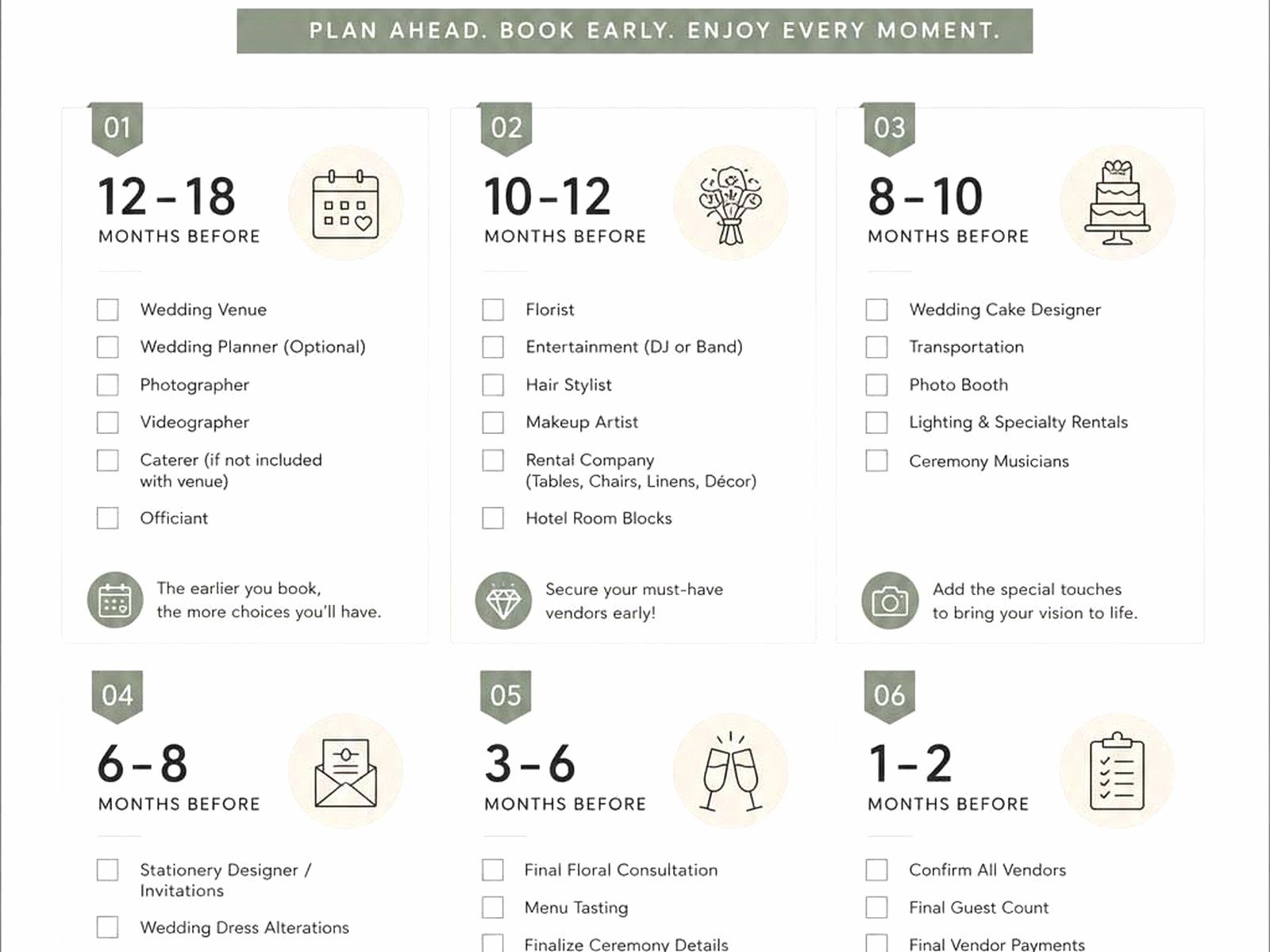
If you’re planning 12+ months out and want help from the beginning: full-service planner
If you’re 6-9 months out and have some stuff booked but feeling overwhelmed: partial planner
If you’re 2-3 months out and everything’s planned but you need execution help: month-of coordinator
If you just need the aesthetic figured out: designer or stylist
If you need help with one specific thing: specialty consultant
Budget Real Talk
People always ask if professional services are “worth it” and look, I’m obviously biased, but here’s my take: if hiring help means you actually enjoy your engagement and don’t spend every weekend for a year stressed about seating charts, yeah it’s worth it. If it means your wedding day runs smoothly instead of your mom frantically trying to coordinate vendors while also trying to enjoy her kid’s wedding, yeah it’s worth it.
Professional services usually run about 10-15% of your total wedding budget. So if you’re spending $30,000 on your wedding, you might allocate $3,000-4,500 for planning or coordination services. That might sound like a lot but consider that a good planner can often negotiate better vendor rates, help you avoid costly mistakes, and save you hours and hours of time.
I’ve seen couples try to save money by skipping professional help and then spend way more fixing problems that could’ve been prevented. Like the couple who didn’t hire a coordinator and didn’t realize they needed someone to tell the catering staff when to serve dinner, so guests waited 2 hours to eat and people started leaving. Or the bride who spent 6 months planning everything herself, was so exhausted by the wedding day that she barely remembers it, and later told me she wished she’d just hired someone from the start.
Questions You’re Probably Gonna Have
Can my friend/sister/mom do this instead? They can try, but they’re not professionals and they should be guests at your wedding, not workers. Also if something goes wrong, it can damage your relationship. Just something to think about.
Do I tip my planner? It’s not required but if they went above and beyond, 10-20% of their fee or $100-500 is a nice gesture. I always tell clients not to worry about it but I’d be lying if I said it wasn’t appreciated when they do.
What if I don’t like my planner after I’ve hired them? Read your contract – there should be cancellation terms. Most contracts allow you to cancel but you might lose your deposit. Better to cut ties early if it’s not working than to be miserable for months.
Can I hire someone just for setup and teardown? Yes! Some venues require you to handle your own setup and breakdown of decor. You can hire day-of labor (often through your rental company or independently) to handle this. Usually costs a few hundred dollars and saves your wedding party from having to work.
