
Planning Guides, Style Guide
Wedding and Event Planner: Multi-Service Coordinator
Oct
So You Wanna Be a Multi-Service Wedding Coordinator
Okay so being a multi-service coordinator is basically like juggling chainsaws except the chainsaws are on fire and also your client is texting you at 11pm about napkin colors. I’ve been doing this for like 15 years now and honestly the multi-service part is what keeps you employed but also what makes you question your life choices at 2am when you’re confirming floral deliveries.
The thing is, most planners start out thinking they’ll just do one thing – coordinate timelines or book vendors or whatever. But then you realize pretty quick that couples don’t want five different people handling their wedding. They want YOU to handle everything, and if you can’t, they’ll find someone who can. Which is how I ended up learning about linens and lighting design and kosher catering requirements all in the same month back in summer 2021.
What Multi-Service Actually Means
It’s not just planning the ceremony and reception. You’re gonna be coordinating like eight different service categories minimum. I’m talking venue selection, vendor management, design consultation, timeline creation, budget tracking, guest management, day-of coordination, and crisis management. That last one isn’t optional btw.
Some planners also add on invitation design (which is actually my favorite part because I’m kinda obsessed with paper goods), floral design, catering coordination, entertainment booking, and even honeymoon planning. The more services you offer, the more valuable you become, but also… the more overwhelmed you’ll be if you don’t have systems.
Vendor Management Is Your Bread and Butter
This is where you spend like 60% of your time probably. You need a solid network of vendors you trust – caterers, florists, photographers, DJs, rental companies, hair and makeup artists, officiants, transportation services. And I mean TRUST because when a vendor screws up, it’s your name on the line.
I keep a spreadsheet (okay fine, three spreadsheets) with every vendor I’ve worked with, their pricing tiers, their communication style, whether they show up on time, if they’re difficult about contracts, all of it. Spring 2023 I had this florist who seemed perfect during the consultation but then went completely MIA two weeks before the wedding and I had to scramble to find a replacement. Never again. Now I have backup vendors for my backup vendors.
You gotta negotiate contracts, coordinate delivery times, make sure everyone has the correct timeline, handle payments sometimes, and basically be the central hub of communication. Which means you’re forwarding emails constantly and setting up group chats and reminding people of deadlines they definitely wrote down but absolutely forgot about.
Design Consultation Without Losing Your Mind
So many couples have NO idea what they actually want. They’ll show you a Pinterest board with like rustic barn vibes and also modern minimalist and also Great Gatsby glam and you’re supposed to make sense of that. I’ve learned to ask really specific questions – what feeling do you want guests to have when they walk in, what’s one wedding you attended that you loved, what colors make you think of your relationship (okay that one’s cheesy but it works).
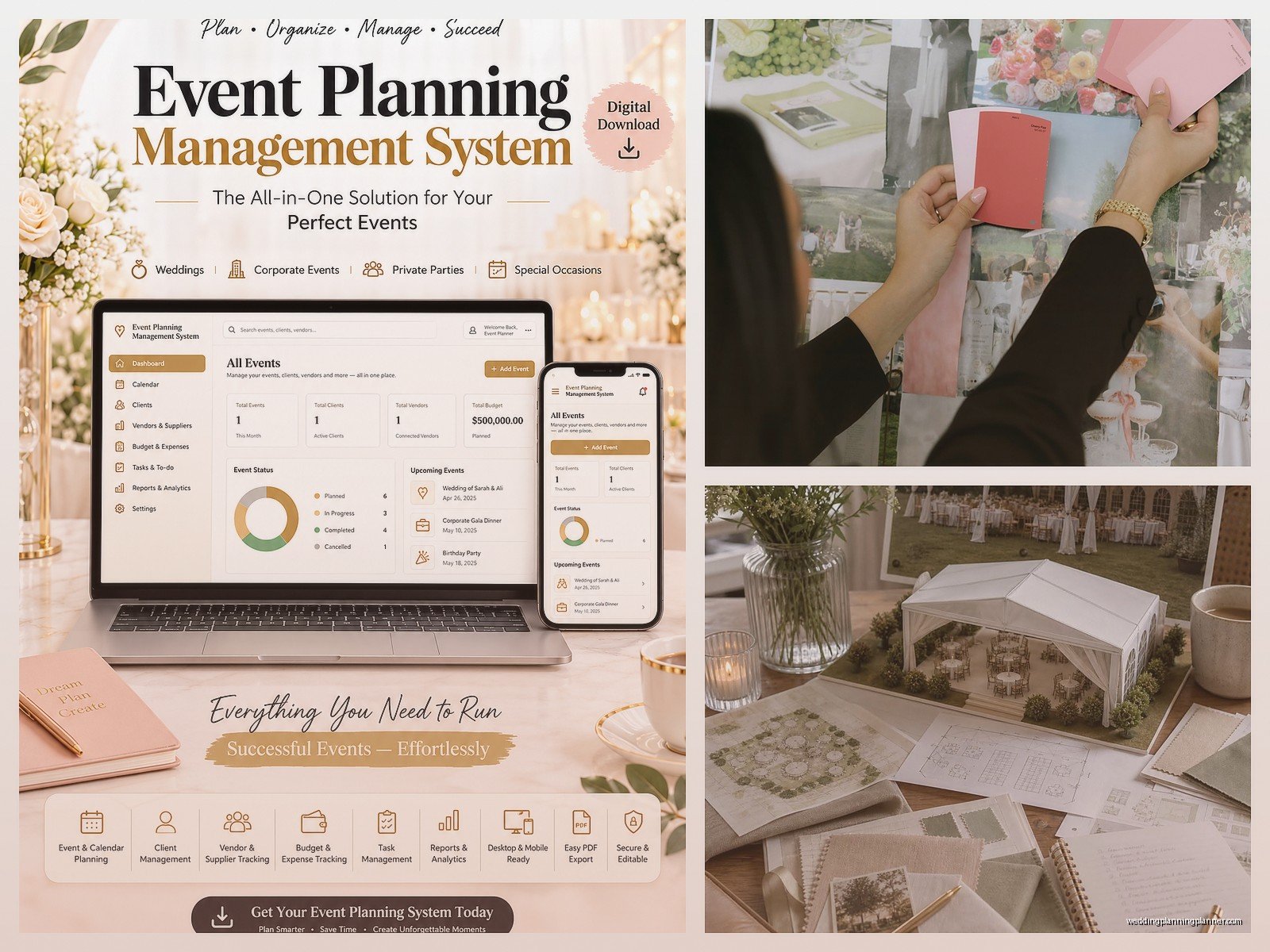
Color palettes are honestly what annoys me the most about this job. Couples will say they want “dusty blue” and then you source linens in dusty blue and they’re like “no that’s too purple” or “that’s too gray” and you’re like… there are forty-seven shades of dusty blue and I can’t read your mind. I now make clients approve actual fabric swatches before ordering anything because I’m not dealing with that drama again.
You’re coordinating rentals – tables, chairs, linens, dishes, glassware, silverware. You’re designing the layout of the reception space. You’re figuring out lighting (uplighting, string lights, candles, whatever). You’re selecting centerpieces or at least guiding the couple toward realistic options for their budget.
Timeline Creation Is An Art Form
I cannot stress this enough – a good timeline saves the entire day. A bad timeline or no timeline means chaos and crying and the first dance happening at 10pm when half the guests already left.
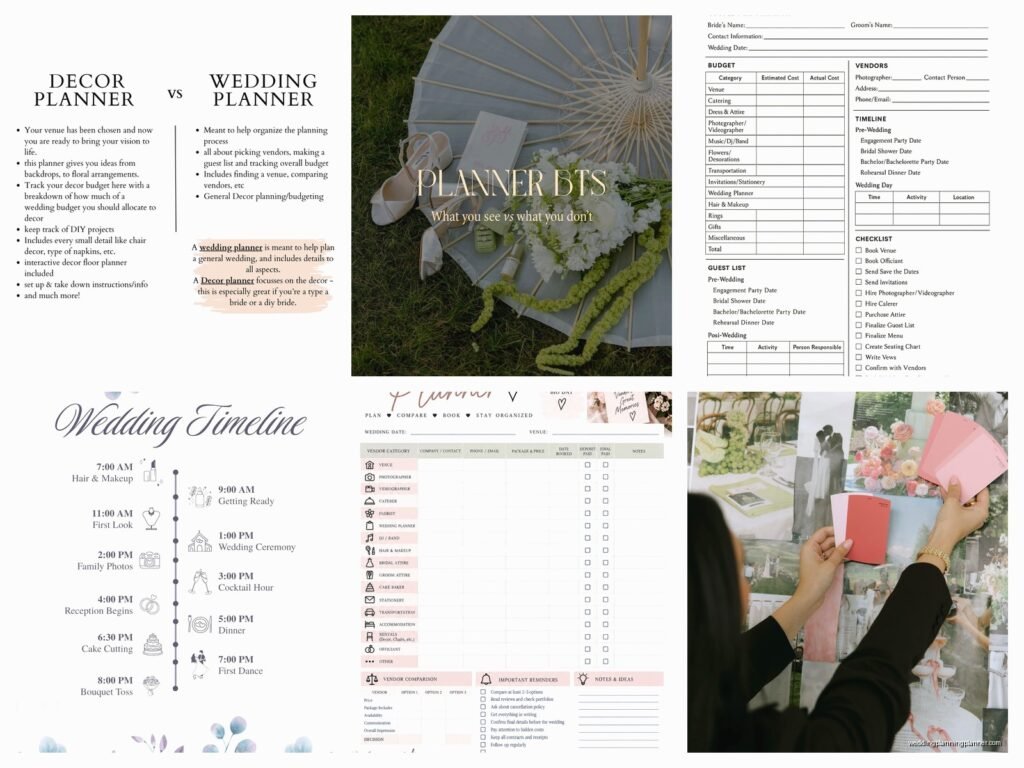
You need multiple timelines actually. There’s the vendor timeline that includes setup and breakdown times. There’s the wedding party timeline. There’s the couple’s personal timeline. There’s the family timeline for photos. And there’s the guest-facing timeline that’s usually in the invitation suite.
I work backwards from the must-happen moments. If the venue kicks everyone out at 11pm, then last dance is 10:45pm. Work backwards – cake cutting at 10pm, toasts at 9pm, dinner service starts at 7:30pm, cocktail hour at 6:30pm, ceremony at 6pm, photos before ceremony at 4pm. Then you start adding buffer time because literally nothing runs exactly on schedule.
The buffer time is crucial and couples always push back on it. “Why do we need 30 minutes for family photos, my family is small!” Because Aunt Susan will be in the bathroom and your brother will be taking a phone call and your mom will want to fix everyone’s hair and suddenly that’s 30 minutes gone. Trust me on this or actually don’t and then call me crying when you’re behind schedule.
Budget Tracking Makes You The Bad Guy
Nobody wants to hear that their dream wedding costs $85k when they have a $40k budget. But that’s your job – being realistic about costs and tracking every single expense.
I use budget tracking software now but I used to do it in Excel and honestly both work fine. You need categories for everything – venue, catering, bar, cake, flowers, photography, videography, music, invitations, favors, transportation, accommodations, attire, rings, gifts, and a miscellaneous category that will definitely get used.
Then you track estimated costs versus actual costs versus paid amounts. You’re also tracking payment schedules because most vendors want a deposit upfront and the balance like a week before the event. Miss a payment deadline and you might not have a photographer show up, which actually happened to a planner I know and… yeah that was a whole situation.
The annoying part is when couples make decisions without telling you and then you find out they booked a $3k videographer when you had $1k budgeted for that and now the whole budget is thrown off. Communication people!

Guest Management Is More Complex Than You Think
RSVPs, seating charts, dietary restrictions, hotel blocks, welcome bags, guest transportation, plus-ones, kids or no kids, divorced parents who can’t sit near each other – this is its own full-time job during wedding season.
I usually handle the RSVP tracking because couples are terrible at it. You need a system for recording who’s coming, who declined, who hasn’t responded yet, meal choices, and any special notes. Then you’re following up with people who didn’t RSVP by the deadline because there are always at least ten people who just… don’t respond for some reason.
Seating charts are actually kinda fun if you like puzzles and also kinda terrible if you have difficult family dynamics. I’ve had clients spend six hours on a seating chart moving people around. My cat knocked over my coffee during one of those sessions and honestly it was a welcome break from the intensity of “but if we put Jake at table 4 then his ex-girlfriend is too close.”
Day-Of Coordination Is Controlled Chaos
This is where all your planning actually happens. You’re arriving early to oversee setup, directing vendors, solving problems in real-time, keeping everyone on schedule, cueing the DJ or band, making sure the couple eats something, hiding the bride’s emergency kit in a convenient location, and basically being everywhere at once.
I wear comfortable shoes that still look professional because you’re gonna walk like 15,000 steps minimum. I carry a bag with safety pins, stain remover, bobby pins, clear nail polish, super glue, scissors, tape, a sewing kit, pain relievers, antacids, mints, tissues, and a phone charger. Used every single one of those items at various weddings.
You’re also managing family drama that inevitably pops up. Drunk uncle making a scene, bridesmaids fighting, parents trying to change the timeline, someone showing up who wasn’t invited – you handle it quietly and keep it away from the couple. That’s what they’re paying you for.
The Systems You Actually Need
Okay so if you’re gonna do multi-service coordination without burning out completely, you need systems. Like actual documented processes, not just winging it every time.
I have templates for everything. Contract templates, timeline templates, budget spreadsheets, vendor contact sheets, emergency kit checklists, setup diagrams, email templates for common questions. Every time I create something custom for a client, I save a blank version for future use.
Client management software is worth the investment. I use one that handles contracts, invoices, timelines, floor plans, checklists, and client communication all in one place. Before that I was juggling like six different apps and definitely dropping balls left and right.
You also need a reliable assistant or coordinator-in-training for larger weddings. I can’t be at the ceremony site directing the processional and also at the reception venue checking the table setup. Well I can’t unless I figure out how to be in two places at once which… if you know how to do that please email me.
Pricing Your Multi-Service Packages
This trips up so many new planners. You can’t just charge an hourly rate because you’ll work way more hours than you estimated. Trust me I learned this the hard way.
I do tiered packages now. Basic day-of coordination is the lowest tier – you get the timeline, vendor management on the day, and my emergency kit. Mid-tier adds on design consultation, vendor sourcing, and RSVP management. Top tier is full-service planning from engagement to honeymoon sendoff.
Price based on the value you provide, not the hours you work. A wedding that runs smoothly because of your planning is worth way more than the 200+ hours you put into it. Though you should definitely track your hours anyway to make sure you’re actually profitable because sometimes you’re… not, and then you need to adjust your pricing.
I also charge for specific add-on services – invitation design, welcome bag creation, rehearsal dinner coordination, day-after brunch planning. These are separate from the main packages and honestly they add up to significant income if you’re good at them.
Managing Multiple Events At Once
During peak season (May through October basically) you’ll have multiple clients in different planning stages. Someone’s getting married this weekend, someone else is six months out and picking vendors, another couple just got engaged and wants a consultation.
Time blocking saves my life. Mondays are for admin and emails. Tuesdays and Wednesdays are for vendor meetings and venue tours. Thursdays are for client meetings. Fridays are for final week coordination. Saturdays are obviously event days. Sundays I try to not work but let’s be real, sometimes you’re confirming details or answering urgent texts.
I also batch similar tasks. If I need to call three different florists for three different clients, I do all those calls in one afternoon. If I’m creating timelines, I knock out multiple timelines in one work session. Context switching kills productivity and also makes you forget which client wanted peonies versus roses.
The Stuff Nobody Tells You
You’re gonna work weekends. Like every weekend during wedding season. Your friends will stop inviting you to things or actually they’ll invite you but understand when you can’t come because you’re working someone else’s celebration.
You’ll develop opinions about things you never thought about before. I have FEELINGS about chiavari chairs versus cross-back chairs. I can identify rental companies by the style of their linens. I know which invitation paper weights feel premium and which feel cheap. It’s kinda ridiculous but also makes you good at your job.
Difficult clients exist and you need to learn when to fire them. I had this one client who called me seventeen times in one day about centerpiece heights and I should’ve ended that contract way earlier than I did. Your sanity is worth more than any paycheck, even though paychecks are obviously important for like… living.
You’re also gonna see some stuff. Family drama, relationship issues, financial stress, all of it comes out during wedding planning. You become part therapist, part mediator, part cheerleader. It’s not in the job description but it’s definitely part of the job.
Insurance is crucial get liability insurance and probably business insurance too because things go wrong sometimes and you don’t want to be personally liable when they do.
The multi-service coordination model works because couples want simplicity and you become their single point of contact for everything. But it only works if you’re organized, if you have good vendors, if you can manage stress without falling apart, and if you genuinely like helping people celebrate important moments. Some days I question whether I still like it, usually around 1am when I’m steaming tablecloths because the rental company sent wrinkled ones, but then the couple has their first dance and everyone’s happy and I remember why I do this whole chaotic beautiful stressful thing in the first place.
