
Planning Guides, Style Guide
Day Of Event Coordinator Cost: Pricing Guide

Oct
What You’re Actually Paying For
So day-of coordinators typically charge anywhere from $800 to $3,000+ depending on where you live and what you need. I had this bride in summer 2021 who was shocked when I quoted her $1,800 for day-of coordination and she was like “but you’re only there for one day?” and I had to explain that no, actually I’m working on your wedding for like six weeks before that day even happens.
Here’s the breakdown most coordinators follow. You’ve got your initial consultation where we meet for an hour or two, then there’s the vendor communication which is honestly where most of the work happens. I’m reaching out to your photographer, florist, caterer, DJ, officiant, venue coordinator… basically playing telephone with like 10-15 different people to make sure everyone knows the timeline and where they’re supposed to be. Then there’s creating that detailed timeline which takes me about 3-4 hours because I have to account for literally everything from when the hair stylist arrives to when the sparkler exit happens.
And THEN there’s the rehearsal which is usually the night before, so that’s another 2 hours minimum. Plus the actual wedding day which is typically 10-12 hours for me even if your reception ends at 10pm because I’m arriving early to direct setup.
Regional Pricing Differences (Because Location Matters A Lot)
Okay so if you’re in like rural Nebraska or a small town, you might find day-of coordinators for $600-1,200. Major cities though? Totally different story. I have a friend in Manhattan who charges $4,500 for day-of and she stays booked. San Francisco, LA, Seattle, Boston, DC — you’re looking at $2,000-3,500 as pretty standard.
Southern states tend to be a bit more affordable, maybe $1,000-2,000 for most coordinators. Midwest is similar. The coasts are gonna cost you more just because the cost of living is higher and coordinators need to charge enough to actually make a living.
What really annoyed me last year was when a venue told one of my clients that they “provided coordination” and so she didn’t need to hire me. Turns out their “coordination” was just someone who made sure vendors knew where to unload and that’s IT. The bride ended up calling me three weeks before her wedding in a panic because she realized nobody was actually coordinating anything.
Experience Level Changes Everything
Someone who’s coordinated 5 weddings is not gonna charge the same as someone who’s done 150 weddings. And honestly? You probably want someone who’s seen things go wrong before because we know how to fix problems fast.
Newer coordinators (1-2 years experience): $800-1,500
Mid-level coordinators (3-5 years): $1,500-2,500
Experienced coordinators (5+ years): $2,000-4,000+
I started charging $950 when I first offered day-of services and now I’m at $2,200 for my standard package. The difference isn’t just that I have more experience — it’s that I have a whole system now, I know how to read a room and adjust on the fly, and I’ve dealt with enough drunk uncles and vendor drama that basically nothing surprises me anymore.
What’s Usually Included In The Base Price
Most coordinators include these things in their base package. If yours doesn’t, that’s kinda a red flag honestly:
- Initial consultation and planning meeting
- Unlimited email communication (some limit it to phone calls only which is annoying)
- Vendor confirmation and timeline distribution
- Detailed timeline creation
- Rehearsal attendance and direction
- Wedding day coordination (usually 8-12 hours)
- Setup supervision and breakdown coordination
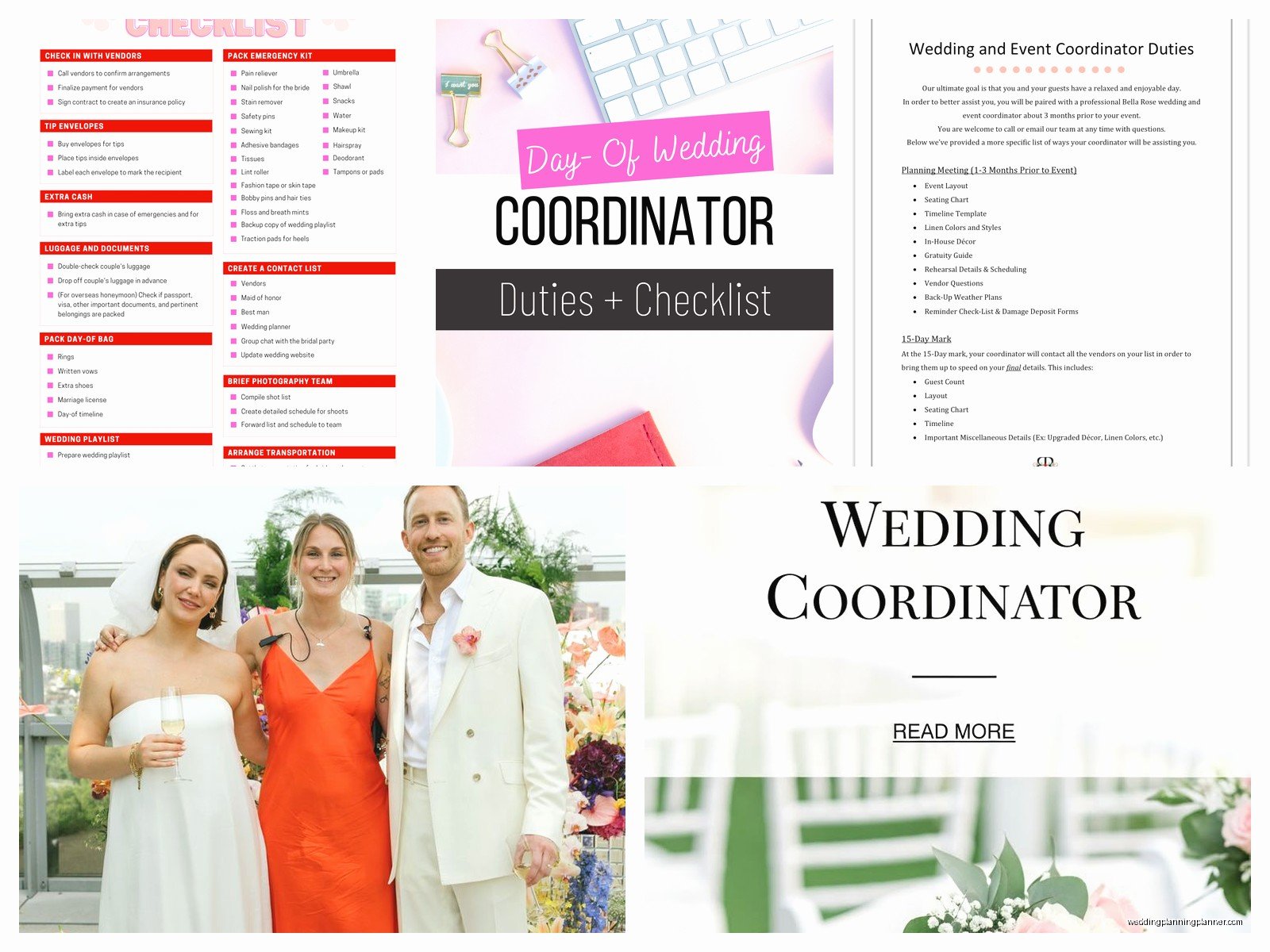
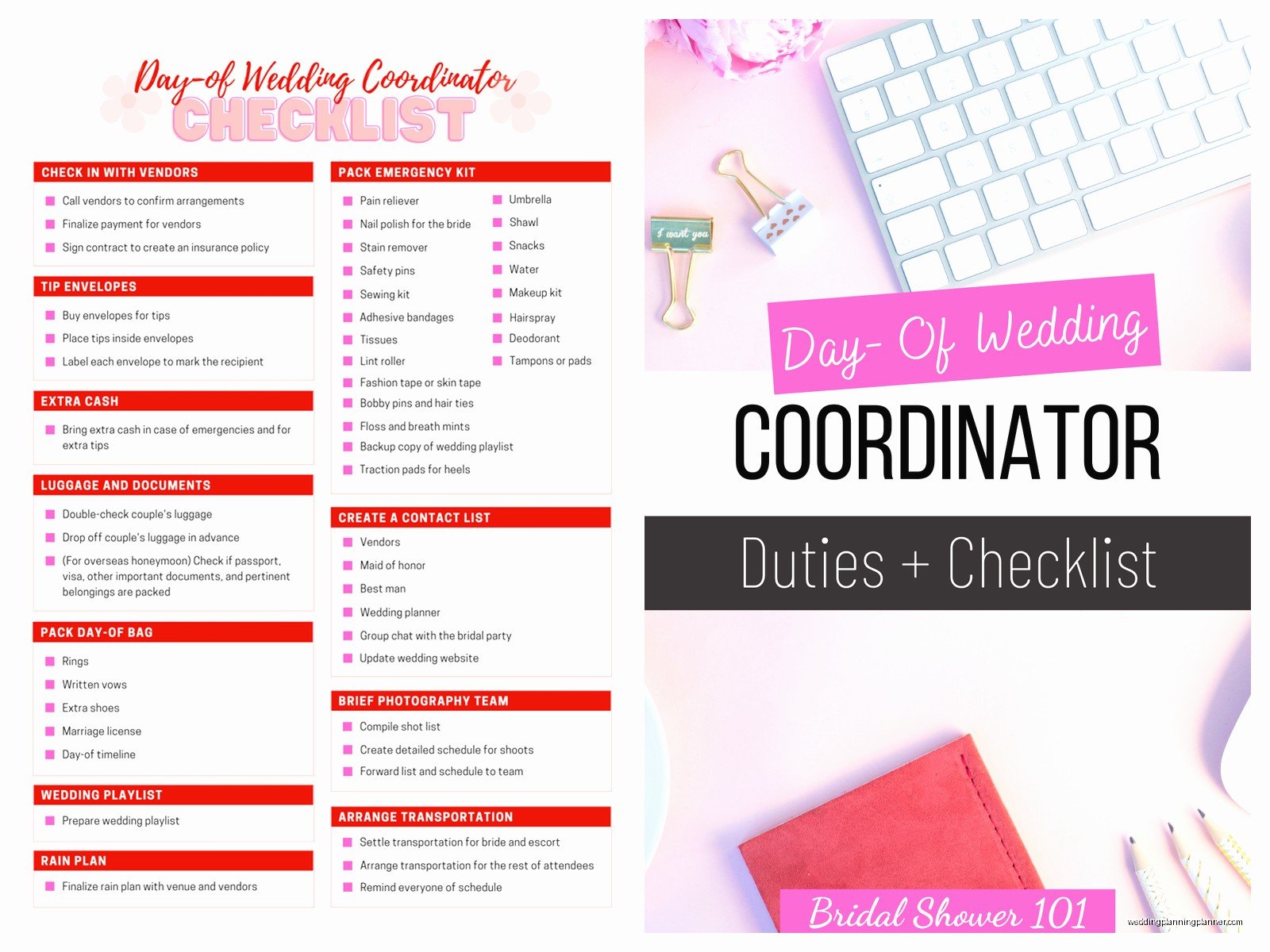
- Emergency kit (I bring safety pins, stain remover, band-aids, all that stuff)
Some coordinators also include one assistant in their base price, others charge extra for that. I include one assistant for weddings under 100 guests, but if you’ve got 150+ people I’m bringing a second assistant and that adds $400 to the total.
Add-Ons That Cost Extra
Here’s where the price can jump up quite a bit. Additional services that most coordinators charge for separately:
Extra planning meetings: Usually $75-150 per hour if you want more than the initial consultation. Some couples need more hand-holding and that’s fine but it costs more.
Month-of coordination instead of day-of: This means I start working with you a full month before instead of 4-6 weeks. Adds about $300-600 to the total price.
Additional assistants: Like I mentioned, $200-500 per assistant depending on how long they’re needed.
Travel fees: If your venue is more than 30 miles from the coordinator’s home base, expect to pay for travel time and mileage. I charge $50 per hour of travel time plus $0.65 per mile over 30 miles.
Extra rehearsal time: If your rehearsal is complicated or you have a huge wedding party, some coordinators charge for additional rehearsal time beyond the standard 90 minutes.
Vendor research and recommendations: Some couples want help finding vendors which isn’t really part of day-of coordination, that’s more partial planning territory. This can add $500-1,000.
The Hourly Rate Question
Some coordinators charge hourly instead of a flat package rate. This is less common for day-of coordination but I’ve seen it. Usually it’s $100-200 per hour and then they track everything — every email, every phone call, every minute of the wedding day.
Personally I don’t love this model for clients because it’s hard to budget when you don’t know the final cost. But for really small intimate weddings (like under 30 people) or elopements with just a tiny bit of coordination needed, hourly can actually save you money. An elopement might only need 4-6 hours total of coordination work, so at $125/hour that’s $500-750 instead of paying for a full package.
What Makes The Price Go Up
Certain wedding situations just cost more to coordinate and any good coordinator is gonna charge accordingly:
Guest count over 200: More guests means more logistics, more potential problems, more everything. I add 20% to my base rate for weddings over 200 people.
Multiple venues: If your ceremony is at a church and reception is somewhere else, that’s two locations I need to coordinate. Some coordinators charge $200-500 extra for this.
Complex timelines: If you’re doing like a tea ceremony plus a traditional ceremony plus a cocktail hour plus a grand entrance plus a surprise flash mob or whatever… that takes more planning and coordination. I had this wedding in spring 2023 where the couple wanted EIGHT different special moments during the reception and it took me twice as long to plan the timeline.
Difficult venues: Barns with no electricity, outdoor venues with no backup plan, venues with super strict rules and early noise curfews — these require more work to coordinate smoothly.
DIY elements: If you’re DIYing your centerpieces and they need to be assembled on-site, or you’re doing your own dessert table that needs setup, that’s more work for the coordinator. Not saying don’t DIY but just know it affects coordination time.
Ways To Save Money (That Actually Work)
Okay so if you’re on a tight budget but you really need a coordinator because you’re stressed and your maid of honor is not the organized type…
Book someone newer to the industry who’s building their portfolio. They’ll still do a great job but charge less. Just check their references and maybe ask to see a timeline they’ve created.
Skip the month-of coordination and just do true day-of. If you’re pretty organized yourself and your vendors are experienced, you might not need that full month of lead-up coordination.
Keep your guest count under 100 and your timeline simple. The more straightforward your wedding, the less time it takes to coordinate, and some coordinators will give you a better rate.
Get married on a Friday or Sunday instead of Saturday. Some coordinators (not all) charge less for non-Saturday weddings because… honestly because Saturdays are premium and we can charge more for them.
Hire a coordinator who’s just starting to offer day-of services but has experience in event planning in other areas. I knew someone who did corporate event planning for years and then started doing weddings — she charged $1,000 when she easily could’ve charged $2,000 based on her experience level.
Red Flags In Pricing
If someone quotes you $400 for day-of coordination, they’re either brand new and undercharging (which means they might not know what they’re doing yet) or they’re not actually going to do everything you need. I’ve seen people advertise “day-of coordination” but they literally only show up the day of and don’t do any of the advance planning work.
Also watch out for coordinators who won’t give you a clear price upfront. Everything should be spelled out in the contract — what’s included, what costs extra, payment schedule, all of it.
My cat just knocked over my water bottle so now I’m typing while cleaning that up but anyway… another red flag is if they say they can coordinate your 300-person wedding solo without any assistants. That’s not physically possible to do well.
Payment Structures You’ll See
Most coordinators do a 25-50% deposit when you book, then the rest is due either one month before the wedding or the week of the wedding. I do 30% deposit, 40% due one month before, and final 30% due one week before.
Some coordinators want everything paid in full one month before. A few will let you do payment plans leading up to the wedding which can be helpful if you’re budgeting month by month.
Credit card payments usually have a processing fee added on (like 3-4%) so if you can pay by check or Venmo you might save a little bit there.
Questions To Ask About Pricing
When you’re talking to potential coordinators, ask them:
- What exactly is included in your base price?
- How many hours on the wedding day does that cover?
- Do you include an assistant or is that extra?
- What’s your travel fee policy?
- When do payments need to be made?
- What’s your cancellation/postponement policy? (This became huge during COVID and is still important)
- What happens if the wedding runs longer than expected on the day-of?
- Do you charge for additional timeline revisions?
That last one matters because some couples change their minds a LOT and if I’m creating four different timeline versions because you keep changing ceremony time or adding things, that’s extra work.
Is It Worth The Cost Though
Look I’m obviously biased because this is literally my job, but I’ve seen so many weddings where the couple tried to save money by not hiring a coordinator and then the mom ended up coordinating everything and was stressed the entire day. Or the bride was texting vendors from the getting-ready suite. Or nobody told the DJ when to start the first dance so there was this awkward 10-minute gap where everyone just stood around.
Day-of coordination costs maybe 5-8% of your total wedding budget typically. For most couples that’s spending like $2,000 to protect a $30,000 investment and actually enjoy your wedding day instead of managing it.
But if you’re having a super casual backyard wedding with 40 people and pizza, you probably don’t need to spend $2,000 on coordination. It really depends on your wedding complexity and your own stress levels and organizational skills.
The couples who benefit most from day-of coordination are the ones with 100+ guests, multiple vendors, any kind of complex timeline or special cultural traditions, DIY elements that need setup, or just… you know you’re not the type to handle unexpected problems calmly. And that’s totally fine! That’s literally what we’re here for.
I had a groom last fall who was like “this seems expensive for one day” and I told him to think about it like wedding insurance — you’re paying for someone who’s gonna make sure all the money you spent on everything else actually results in the wedding you planned, not a chaotic mess where the cake arrives late and nobody knows when to start the ceremony and your grandma can’t find her seat.
Anyway I think the average most couples pay is around $1,500-2,000 for day-of coordination in most U.S. markets, and that’s pretty reasonable for what you’re getting. Just make sure you’re comparing apples to apples when you get quotes because “day-of coordination” means different things to different people and some packages include way more than others.
