
Planning Guides, Style Guide
Wedding Table Organizer: Complete Guide
Oct
Okay So Table Organization Is Actually The Thing That Can Make Or Break Your Reception
Look, I’m just gonna say it upfront — seating charts stress out literally every couple I’ve ever worked with and honestly it’s the part where I see the most tears. Not the flowers, not the dress fittings, the freaking table assignments. Summer 2021 I had a bride call me at 11pm because her aunt posted on Facebook that she “couldn’t wait to sit with the family” but the couple had already put her with college friends and now there was this whole drama and I was like… this is exactly why we plan this stuff methodically.
The first thing you gotta understand is that table organization isn’t just about fitting names into circles on a diagram. It’s psychology, it’s family politics, it’s making sure your weird uncle who talks too loud about conspiracy theories isn’t next to your boss. You’re basically playing human Tetris but the pieces have feelings and some of them haven’t spoken in five years because of something that happened at Thanksgiving.
Start With Your Actual Numbers Not Your Fantasy Numbers
I cannot tell you how many couples come to me saying “we’re thinking 150 guests” and then their actual RSVP count is like 187. You need to know your venue capacity first, then work backwards. Most venues will tell you their max capacity but that includes like, people standing shoulder-to-shoulder which isn’t exactly comfortable for a four-hour reception where people are eating chicken.
Here’s what I do: Get your RSVP deadline locked in at least 3 weeks before the wedding. I know tradition says 2 weeks but trust me, you need that extra week for the people who “forgot” to send their card back and you have to text them. Then add 5% to whatever number you get because someone’s gonna bring an unexpected plus-one or a kid you didn’t account for.
Table Sizes And Shapes Actually Matter Way More Than You Think
Round tables are standard and they’re standard for a reason — everyone can see everyone else, conversations flow better, and they’re easier to decorate. You’ll typically see 60-inch rounds (seats 8-10) or 72-inch rounds (seats 10-12). I usually go with 8 per table because 10 gets cramped once you add centerpieces and everyone’s purses and drinks.
Long banquet tables look gorgeous in photos and they’re having this moment right now, very romantic and… wait, where was I? Oh yeah, banquet tables. They look amazing but they’re harder for conversation because you can really only talk to the people directly across or next to you. Great for smaller weddings under 50 people, kinda awkward for bigger ones unless you’re doing a full family-style dinner thing.
What really annoys me is when couples see one Pinterest photo of mixed table shapes and decide they want rounds AND rectangles AND maybe a square table and it becomes this logistical nightmare. Pick one shape or maybe two max if you’re doing a sweetheart table situation.
The Actual Process I Use For Every Wedding
Alright so here’s my system and you can totally steal it. I’ve been doing this for almost 15 years and this is what actually works.
Step 1: Make your VIP list. This is parents, grandparents, wedding party if they’re not at a head table, and any other people who absolutely cannot be screwed up. These people get assigned first. Parents usually get tables close to the dance floor or head table. Grandparents need easy access to bathrooms and exits, so I put them near the back but not IN the back corner where they feel forgotten.
Step 2: Group by relationship categories. I literally make a spreadsheet with columns: Family (bride’s side), Family (groom’s side), College Friends, Work Friends, High School Friends, Neighbors, Random Acquaintances Who You Invited Out Of Obligation. This sounds harsh but it helps you see the clusters.
Step 3: Identify the problem people. Every wedding has them. The divorced parents who can’t be near each other. The cousin who drinks too much. The friend group that had a falling out. Write this stuff down because you WILL forget and then you’ll seat them together and ruin your own reception.
Tools That Actually Help Vs Tools That Waste Your Time
I’ve tried literally every table planning tool out there. AllSeated is pretty good and it’s free for basic stuff, lets you do a virtual floor plan and drag names around. Wedding Wire also has a free seating chart tool that’s decent. For my clients who want something more visual, I actually still use poster board and sticky notes sometimes because you can see everything at once and your mom can help without needing to understand software.
There are fancy paid options like Social Tables but honestly unless you’re doing a 300-person wedding with complex AV needs, you don’t need it. My cat walked across my laptop once while I was using AllSeated and assigned like 15 people to random tables and I didn’t notice until the couple reviewed it, so maybe don’t let your pets help with planning.
The Head Table Situation That Everyone Overthinks
Okay so you’ve got options here. Traditional head table is just the couple, maybe the wedding party all in a line facing the room. Sweetheart table is just the couple at their own little table. King’s table is a long table with the couple and wedding party plus their partners.
Here’s what I tell people: if your wedding party is small (like 4-6 people total), head table is fine. If it’s bigger or if people have serious significant others who they don’t want to separate from for dinner, do a sweetheart table and seat the wedding party with their partners at regular guest tables nearby.
The sweetheart table thing has gotten really popular and I get it, you want those intimate moments during dinner. But also you’re gonna be getting up every five minutes to talk to people anyway so sometimes it feels a bit… performative? That’s just my opinion though, plenty of couples love it.

Kids Table Or Nah
If you’ve got like 8+ kids coming, make a kids table. Get them activity books, crayons, maybe some quiet toys. Seat it near their parents but not right next to the speakers. Kids under 3 or 4 usually sit with parents because they need help eating anyway.
What you don’t wanna do is have one random 7-year-old stuck at an adult table while all the other kids are together. They’ll be miserable and their parents will spend the whole dinner trying to entertain them instead of enjoying the reception.
The Actual Layout In The Room
Spring 2023 I had this venue that looked huge in photos but when we actually set up 18 tables plus a dance floor, it was tight. You need to account for: tables, chairs, dance floor, DJ/band setup, any buffet or bar areas, walkways for servers, and space for people to actually move around.
Standard spacing is about 6 feet between table edges, but I like to do 7-8 feet if possible so servers aren’t squeezing through and people can get up without asking everyone to move. The dance floor should be at least 12×12 for small weddings, bigger for larger groups. Calculate about 3-4 square feet per person who you think will actually dance (spoiler: not everyone will).
Put the DJ/band where they can see the whole room. Don’t stick them in a corner behind a column where they can’t read the vibe. Bar should be away from the dance floor so people aren’t congregating in the dancing space but also not so far that it’s a trek.
The Assignments Themselves Like Who Actually Sits Where
This is where it gets personal and kinda stressful. Here’s my general philosophy: seat people with others who share something in common beyond just “you both know the bride.” Shared interests, similar age ranges, or people who you genuinely think would enjoy talking to each other.
Don’t just dump all the single people at one table like it’s a setup situation — that’s awkward and honestly kind of rude. Mix singles with couples at various tables. Same with older guests; don’t segregate them to one “old people table” unless they specifically request to sit together.
Work people are tricky because you don’t want your wedding to feel like an office party, but you also can’t split up colleagues who are friends. I usually do one or two work-heavy tables and mix in a few non-work friends to keep it from being too corporate.
Out-of-town guests should be near each other if possible since they might not know many people. They can bond over travel stories or whatever.
Escort Cards Vs Seating Chart Display Vs Place Cards
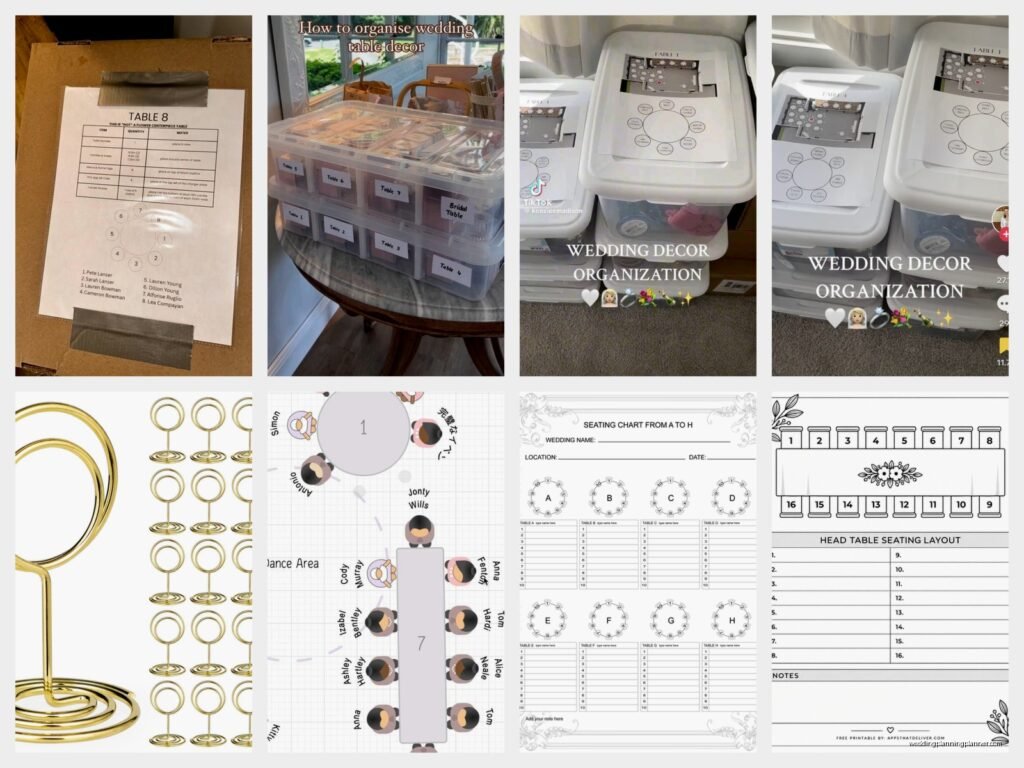
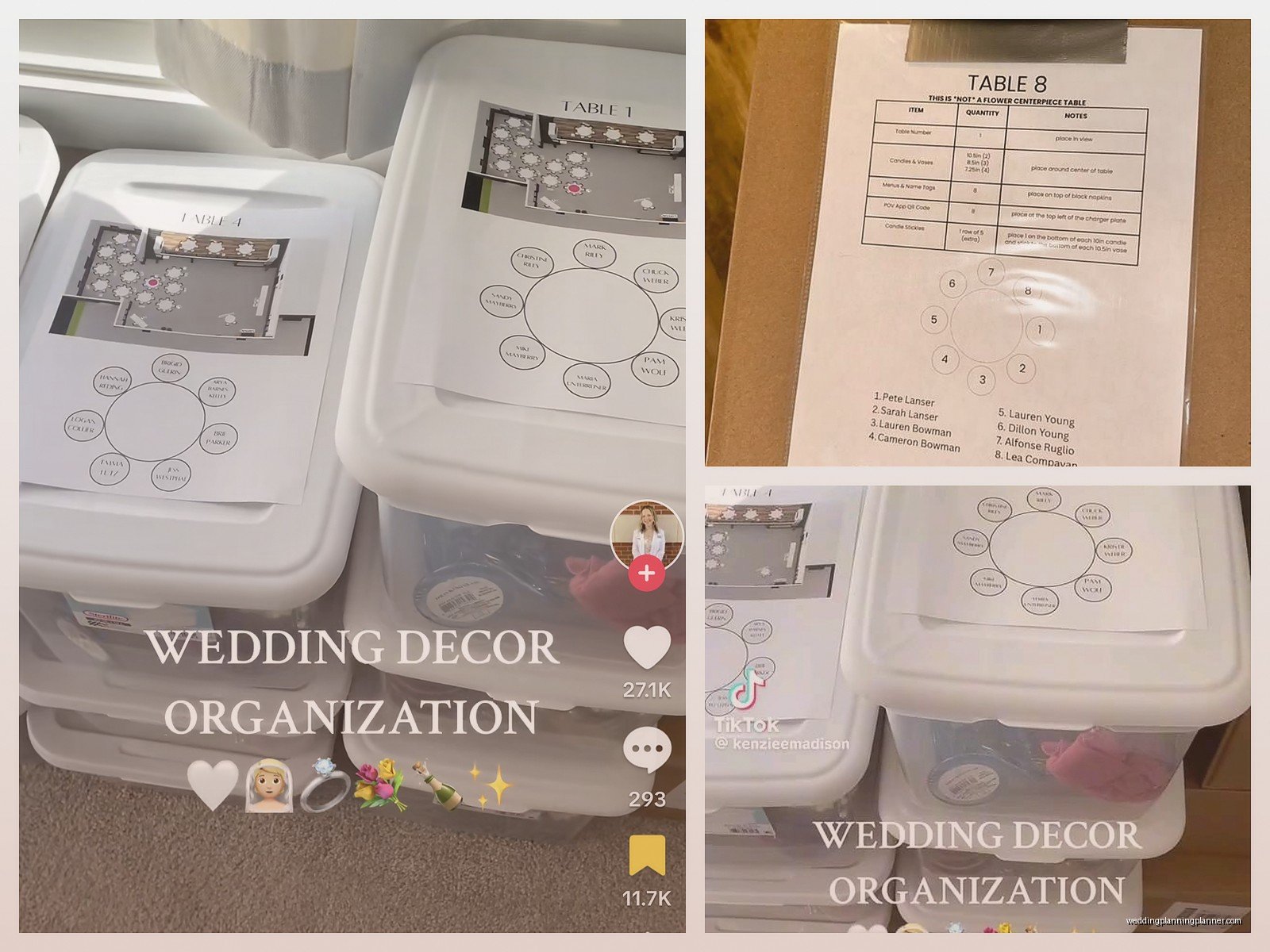
Escort cards tell people their table number. They pick up a card at the entrance, it says “Sarah Johnson, Table 8,” then they find Table 8 and sit wherever they want at that table. This is what I recommend for most weddings because it’s flexible and people like choosing their exact seat.
A seating chart display is like a big poster or mirror or whatever that lists everyone’s names under table numbers. Same concept, just different format. Looks pretty, can be a decor element, but you need to make sure the font is big enough that your grandmother can actually read it.
Place cards assign specific seats at specific tables. “Sarah Johnson” card is at a particular chair at Table 8. This is extra work and honestly unless you have a specific reason (alternating people for conversation purposes, keeping someone away from someone else), I don’t think it’s necessary.
What really grinds my gears is when couples spend like $300 on elaborate calligraphy escort cards and then half the guests just pocket them as souvenirs and forget their table number anyway. Keep it simple and legible.
Backup Plans Because Things Will Go Wrong
Always have a few extra seats planned. I typically set up one more table than I think I need, or make sure a couple tables have 7 people instead of 8 so you can squeeze in extras. Someone will bring an unexpected guest, or you’ll realize you forgot to account for your photographer eating dinner, or whatever.
Have a list of table assignments on your phone and give a copy to your coordinator or a trusted bridesmaid. When Aunt Carol can’t find her table because she’s looking for her maiden name but you listed her married name, someone needs to be able to help her.
Print extra escort cards for the people who will inevitably lose theirs between the entrance and the tables. I’m talking like 10-15 blank ones with each table number.
Timing When You Should Actually Finalize This
Don’t start your seating chart until you have at least 90% of RSVPs back. You’ll just drive yourself crazy moving people around as responses come in. Once you’ve got most responses, give yourself a solid week to work on it. Do a draft, walk away for a day, come back and revise.
Show it to your partner and maybe one trusted friend or family member who knows most of the guests. Don’t show it to everyone because you’ll get 47 different opinions and never finish. Finalize it 1-2 weeks before the wedding so you have time to order/make escort cards.
Some couples stress about this for months and honestly that’s gonna make you hate the process. It’s important but it’s not worth losing sleep over. People will sit where you tell them to sit and they’ll have conversations and eat dinner and it’ll be fine.
Random Tips That Don’t Fit Anywhere Else
Number your tables starting from the head table area as Table 1, going outward. Or don’t use numbers at all — use table names like cities you’ve visited together or favorite songs or whatever. Just make sure they’re in some logical order so people can find them.
Don’t forget to account for your vendors if they’re eating. Photographer, videographer, DJ, coordinator — they need to eat too and they shouldn’t be at guest tables. Set up a vendor table somewhere out of the way but not insulting.
If you’re doing assigned tables but open seating within the table, tell people that clearly on the escort card or display. “Please find your table and choose any seat” or something.
The people sitting with their backs to the head table or dance floor will complain. There’s always someone. You can’t make everyone happy so just accept it and move on.
Consider sightlines for any speeches or presentations. You want most people to have a decent view without craning their necks around columns or floral arrangements that are blocking everything.
And honestly, after the first course, people start mingling anyway. They get up, visit other tables, move around. The seating chart matters most for dinner service and initial conversations but it’s not like people are glued to their chairs all night. I’ve watched elaborate seating plans become completely irrelevant by the time dancing starts because everyone’s just wherever.
