
Planning Guides, Style Guide
Jewish Wedding Planner: Professional Services Guide
Oct
So You Need a Jewish Wedding Planner
Look, planning a Jewish wedding is completely different from your standard ceremony-and-reception situation. There’s the ketubah signing, the bedeken, the chuppah, breaking the glass, hora dancing—and honestly if you’re working with a couple who comes from different Jewish traditions (like one Ashkenazi, one Sephardic), you’ve gotta navigate those family expectations too.
First thing you need to understand about hiring or BEING a Jewish wedding planner: the timeline is just… different. You can’t do a Jewish wedding on Shabbat (Friday evening through Saturday evening), and there are tons of holidays throughout the year where weddings are either prohibited or just not done. The Three Weeks between the 17th of Tammuz and Tisha B’Av? Nope. Most of the Omer period between Passover and Shavuot? Traditionally no, though some couples do Lag B’Omer weddings. I had this couple back in spring 2023 who were SO set on a specific venue date and I had to break it to them it fell right during the Nine Days and finding a rabbi who’d officiate would be basically impossible.
What Actually Makes a Jewish Wedding Planner Different
You need someone who understands the religious requirements but also the cultural stuff. Like, a planner who’s worked tons of weddings but never a Jewish one? They’re gonna be lost when the family starts talking about the tisch or when to schedule the ketubah signing or why we need a private room for yichud.
The professional Jewish wedding planner needs to coordinate with the rabbi (or sometimes multiple rabbis if it’s interfaith or the families want co-officiants), make sure there’s a kosher caterer if that’s required, arrange for the chuppah, get witnesses lined up for the ketubah signing, and honestly just… know when to schedule everything because the ceremony structure is specific.
What really annoyed me once—okay this was summer 2021, outdoor wedding, gorgeous vineyard—the venue’s “wedding coordinator” kept insisting we didn’t have enough time in the schedule and wanted to cut the bedeken ceremony. I’m like, you can’t just CUT the bedeken because you think cocktail hour should start earlier! That’s literally when the groom veils the bride, it’s symbolic of the whole Rebecca and Isaac thing, and this family was traditional. The venue person had no clue what I was talking about and kept saying “well at regular weddings…” and I wanted to scream.
Services a Jewish Wedding Planner Should Offer
Timeline creation is huge. You’re not just planning ceremony-cocktails-reception. You’ve got:
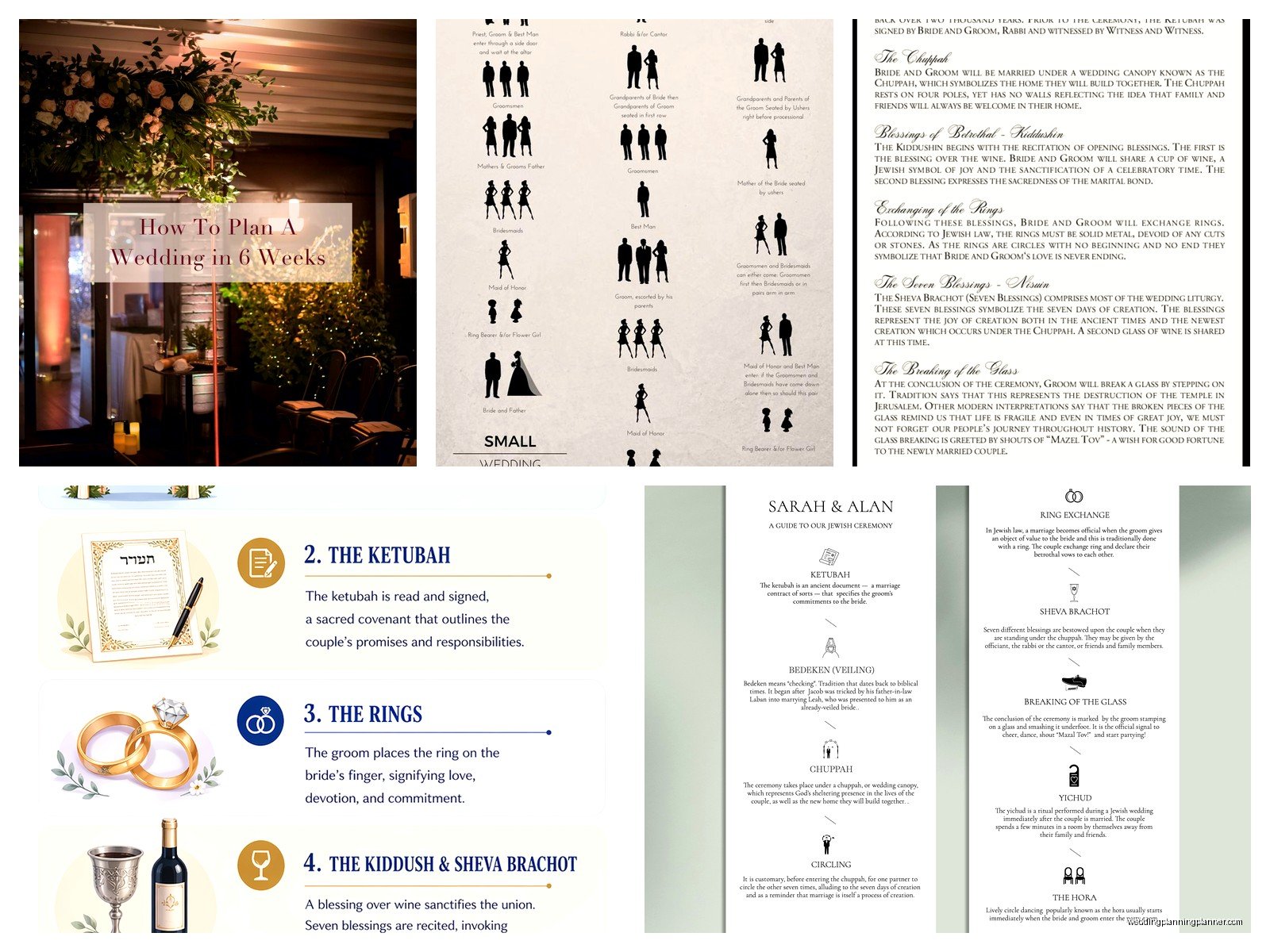
- Ketubah signing (usually 30-45 minutes before the ceremony, needs private space, witnesses, often both sets of parents)
- Bedeken/veiling ceremony (can be just immediate family or everyone, depends on the couple)
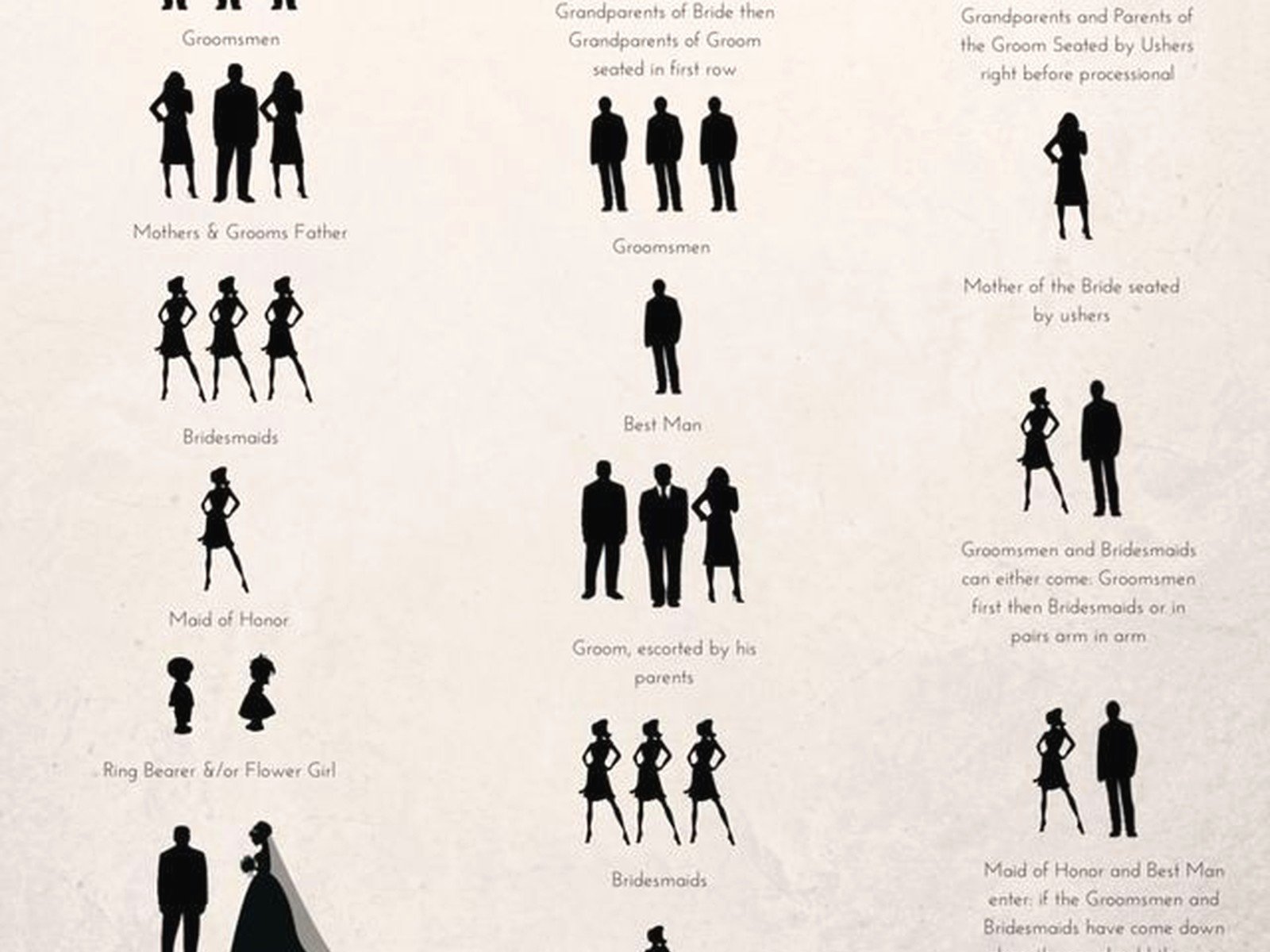
- Processional (which has its own specific order—grandparents, parents, wedding party, and it’s different from Christian weddings)
- The actual ceremony under the chuppah with seven blessings
- Yichud (that private room time right after, usually 8-18 minutes)
- Then your reception with the hora and chair lifting and all that
A good planner knows you need to build in time for all this. They should also know that if the family’s more observant, you might need separate dancing areas for men and women, or at least be prepared for that conversation.
Vendor Coordination Specific to Jewish Weddings
Finding the right vendors is kinda its own thing. If the couple keeps kosher or their families do, you need a kosher caterer—and not just “we can make kosher-style food” but actually certified kosher with a mashgiach present. The cost difference is real, not gonna lie.
For the chuppah, some venues have one, some rabbis bring one, sometimes you’re building or renting one. I’ve worked with couples who wanted a tallit held up by four poles, couples who wanted elaborate floral chuppahs that cost more than my first car, and couples who borrowed their synagogue’s chuppah. The planner needs to coordinate who’s providing it and make sure it’s set up correctly.
Musicians are another thing—if you want traditional Jewish music, klezmer band, Israeli dancing, you need musicians who actually know this stuff. I once watched a regular wedding band try to play Hava Nagila and it was… well, they tried. The hora was happening and people were confused about the tempo and my cat could’ve done better honestly.
Working With Rabbis and Religious Requirements
The planner needs to be the liaison between the couple and their rabbi, and sometimes that means managing expectations on both sides. Some rabbis require premarital counseling sessions—usually between 3-6 meetings. Some rabbis won’t officiate interfaith weddings. Some require the wedding be at a synagogue, others are fine with any location as long as it’s not Shabbat or a holiday.
You’ve gotta ask early: Does the rabbi need the ketubah filled out beforehand or will the scribe do it the day of? Who’s providing witnesses (they can’t be immediate family, by the way)? Does the couple want the seven blessings read in Hebrew, English, or both? Will different family members be called up to read them?
There’s also the question of a mechitzah if the family’s Orthodox—that’s the partition between men and women. Most planners who don’t work with Orthodox weddings regularly have never even thought about this, but if you’re working with that community, you better know how to set one up or where to rent one.
The Ketubah Situation
Okay so the ketubah is the marriage contract and it’s both a religious and legal document (in Jewish law anyway). The planner should help the couple figure out:
- Do they want traditional Aramaic text or a modern egalitarian version?
- Who’s doing the calligraphy? (Some are like $500, some are $2000+)
- When and where is it being signed?
- How will it be displayed at the reception? (Lots of couples frame it and use it as decor)
- Who are the witnesses?
I always tell couples to choose their ketubah early because if they’re ordering custom calligraphy, it can take months. Had a couple once who ordered theirs six weeks before the wedding and the artist couldn’t rush it and they ended up with a printout version for the ceremony and got the real one three months later, which was sorta sad.
The Money Talk
Jewish wedding planners typically charge the same structure as any wedding planner—percentage of total budget (usually 10-20%), flat fee (anywhere from $3000-$15000+ depending on location and services), or hourly. But here’s the thing: Jewish weddings often require more coordination time because of all the religious elements and vendor specifications.
If you’re looking to HIRE a Jewish wedding planner, ask them:
- How many Jewish weddings have you planned?
- Are you familiar with different denominations’ requirements? (Orthodox vs Conservative vs Reform vs Reconstructionist—they all have different traditions)
- Do you have relationships with kosher caterers and Jewish musicians?
- Can you coordinate with our rabbi?
- Have you handled families from different cultural backgrounds? (Like blending Ashkenazi and Sephardic traditions, or interfaith situations)
Some planners specialize in Jewish weddings exclusively, others do them regularly along with other types. Either can be great, but you want someone who’s not gonna be learning on your dime.
Day-Of Coordination
Even if a couple doesn’t want full planning services, day-of coordination for a Jewish wedding is… I really think it’s necessary. There’s too many moving parts. The coordinator needs to:
Make sure the ketubah is where it needs to be with pens that actually work (you’d be surprised). Coordinate the bedeken timing so everyone knows where to be. Manage the processional order because it’s specific. Make sure the glass for breaking is ready and properly wrapped (usually in a cloth napkin or special bag). Get people under the chuppah in the right positions. Time the yichud and make sure that room is actually private and has some food and water for the couple because they’re usually starving by then.
Then you’ve got the hora—making sure the chairs for lifting are sturdy, that there’s enough strong people who know what they’re doing (I’ve seen some near-disasters here), that the napkin or handkerchief for the couple to hold is ready.
Cultural Sensitivity and Family Dynamics
Here’s something they don’t teach you in wedding planner certification courses: Jewish families can have STRONG opinions about how things should be done, and different families have different traditions even within the same denomination. What one family considers essential, another family’s never heard of.
A professional Jewish wedding planner acts as a buffer and mediator. When the groom’s Sephardic family wants certain traditions and the bride’s Reform family thinks those are unnecessary, you help find compromises. When someone’s grandmother insists things must be done a certain way and that’s not actually what the couple wants, you help navigate that conversation.
I’ve also noticed that Jewish weddings tend to have more… let’s say involved parents and extended family in the planning process. Not always, but often. The planner needs to be comfortable with multiple decision-makers and strong personalities, or it’s gonna be a rough ride.
Specific Vendor Categories You Need
Beyond your standard photographer, florist, etc., Jewish weddings might need:
- Kosher caterer (with proper certification, not just “we can make kosher food”)
- Chuppah rental or designer
- Ketubah artist or calligrapher
- Klezmer band or Israeli dance music DJ
- Kippah supplier (many couples provide kippahs for non-Jewish guests)
- Tallit or other Judaica items
- Sometimes a separate glatt kosher option within the kosher menu for more observant guests
The planner should have a network of these vendors or at least know how to find and vet them properly.
Common Mistakes Non-Jewish Planners Make
I’ve seen planners schedule Jewish weddings on Yom Kippur (like… how?). I’ve seen them not leave time for the ketubah signing and then everything’s rushed and stressful. They don’t understand why the couple can’t just “quickly” sign the marriage license during the ketubah signing (because the ketubah is separate and has specific requirements and witnesses).
Or they book a venue and don’t realize the caterer has to be kosher and the venue’s preferred caterer list doesn’t have any kosher options, so now you’re dealing with outside caterer fees. They schedule sunset ceremonies without checking when Shabbat starts, which… if you’re having a Saturday night wedding in the summer, Shabbat doesn’t end until like 9pm in some places, so your ceremony can’t start until then.
Also seen planners completely unprepared for how enthusiastic and long the hora can go. You need to plan for this! It’s not a quick little dance, it’s often 20-30 minutes of intense celebration and multiple chair lifts and circle dancing, and your photographer needs to know this is happening, your videographer needs to be ready, and the band or DJ needs to have the stamina and song list for it.
The Interfaith Situation
This is its own complicated thing. If one partner is Jewish and one isn’t, you need a planner who can help blend traditions respectfully or navigate which traditions are included. Some rabbis won’t officiate interfaith weddings at all. Some will co-officiate with a minister or priest. Some couples opt for a cantor instead of a rabbi, or a Jewish officiant who’s not a rabbi.
The planner needs to help the couple think through: Are we having a chuppah? Breaking the glass? The seven blessings? What about communion or other Christian elements if that’s relevant? How do we honor both backgrounds without it feeling like two separate ceremonies smooshed together?
There’s no one right answer, but a good planner helps facilitate these conversations early and finds vendors and officiants who are comfortable with the couple’s choices.
Finding Your Person
When you’re interviewing Jewish wedding planners, trust your gut about whether they GET it. Do they ask about your level of observance? About your family’s expectations? Do they know the difference between Ashkenazi and Sephardic traditions? Can they explain what happens during yichud without you having to tell them?
Check their portfolio specifically for Jewish weddings. Ask for references from Jewish couples they’ve worked with. Make sure they’re comfortable coordinating with rabbis and synagogues if that’s part of your plan.
And honestly, a planner who’s not Jewish can absolutely be amazing at Jewish weddings if they’ve done their homework and have experience. But they need to have that experience and knowledge—it’s not something you can fake or figure out as you go. The couple shouldn’t be teaching their planner about their own traditions on their wedding day, you know?
The right Jewish wedding planner makes everything flow smoothly, helps honor traditions that are important to you, and deals with all the logistics so you can actually enjoy your simcha. That’s what you’re paying for—someone who knows this world and can navigate it professionally while keeping everyone happy and on schedule.
