
Planning Guides, Style Guide
Details Details Wedding Planner: Professional Services Guide
Oct
What a Wedding Planner Actually Does (And Why You Probably Need One)
So you’re getting married and everyone keeps asking if you hired a planner yet and you’re like… do I actually need that? The short answer is probably yes, unless you genuinely enjoy spreadsheets at 2am and negotiating with vendors who ghost you for three days straight.
A professional wedding planner isn’t just someone who shows up on your wedding day with a clipboard looking important. I mean, we do that too, but there’s so much more happening behind the scenes that most couples don’t even realize until they’re knee-deep in seating charts and crying over font choices for escort cards.
The Different Types of Planning Services
First thing you gotta know is that not all wedding planners offer the same thing. There’s basically three main categories and the pricing is gonna vary wildly depending on where you live and what you need.
Full-Service Planning is when you hire someone from the very beginning—like right after you get engaged. We’re talking 12-18 months of working together. I’ll help you find your venue, coordinate all your vendors, manage your budget, design the whole aesthetic, handle logistics, create timelines, and then execute everything on the actual day. This is the most expensive option but honestly if you have a demanding job or just don’t want wedding planning to become your entire personality for a year, it’s worth it.
Partial Planning is kinda the middle ground. Maybe you already booked your venue and photographer because your best friend recommended them, but now you’re stuck and don’t know what to do next. A partial planner jumps in at whatever stage you’re at—could be 6 months out, could be 8 months—and helps with the remaining vendors and details. You’re still doing some of the work yourself but you’ve got professional guidance.
Day-of Coordination (which I actually prefer to call Month-of Coordination because we don’t just show up the morning of) is when the planner comes in about 4-6 weeks before the wedding. You’ve already done all the planning and booking, but you need someone to actually execute your vision and manage all the moving parts on the day itself. This is the most affordable option.
What I Actually Do During Full-Service Planning
Let me walk you through what a typical full-service planning relationship looks like because I think people assume we just… pick flowers and call it a day?
Right after you hire me, we have this massive initial consultation where I’m basically interviewing you about everything. Your style, your budget (the real one, not the one you told your mom), your family dynamics, whether your divorced parents can be in the same room, if you have any weird food allergies, what you absolutely hate. I once had a bride who had a phobia of butterflies and you’d be surprised how many venues and decorators want to incorporate butterflies into everything.
Then comes venue hunting. I’ll send you a curated list based on your actual budget and style—not just every venue in a 50-mile radius. I’ll go tour them with you, point out things you wouldn’t notice (like terrible acoustics or insufficient parking), and help you negotiate contracts. This part alone saves most couples thousands of dollars because I know what’s negotiable and what’s not.
After the venue is locked in, we move into vendor selection. I’m sending you photographer portfolios, florist proposals, catering menus, DJ options, and explaining the difference between a buttercream and fondant finish on your cake (even though honestly most fondant tastes like sweet plastic but some people love the look so…). For each vendor category, I’m usually presenting 2-3 options that fit your style and budget.
Budget management is ongoing and kinda annoying for everyone involved but super necessary. I maintain a detailed spreadsheet—my cat literally walked across my keyboard last week and deleted an entire formula I’d been working on, nearly had a heart attack—that tracks every expense, every deposit, every payment due date. You’d think this would be simple but couples are terrible at remembering they spent $300 on save-the-dates back in January.
Design and Aesthetics
This is where my stationery background really comes in handy. I’m not just coordinating logistics, I’m helping you create a cohesive visual story from your invitations through your reception décor.
We’ll develop a design concept together—maybe it’s romantic garden vibes, maybe it’s modern minimalist, maybe it’s vintage glamour. Then I’m making sure everything aligns with that vision. Your linens, your centerpieces, your ceremony backdrop, your paper goods, even down to the ribbon on your programs.
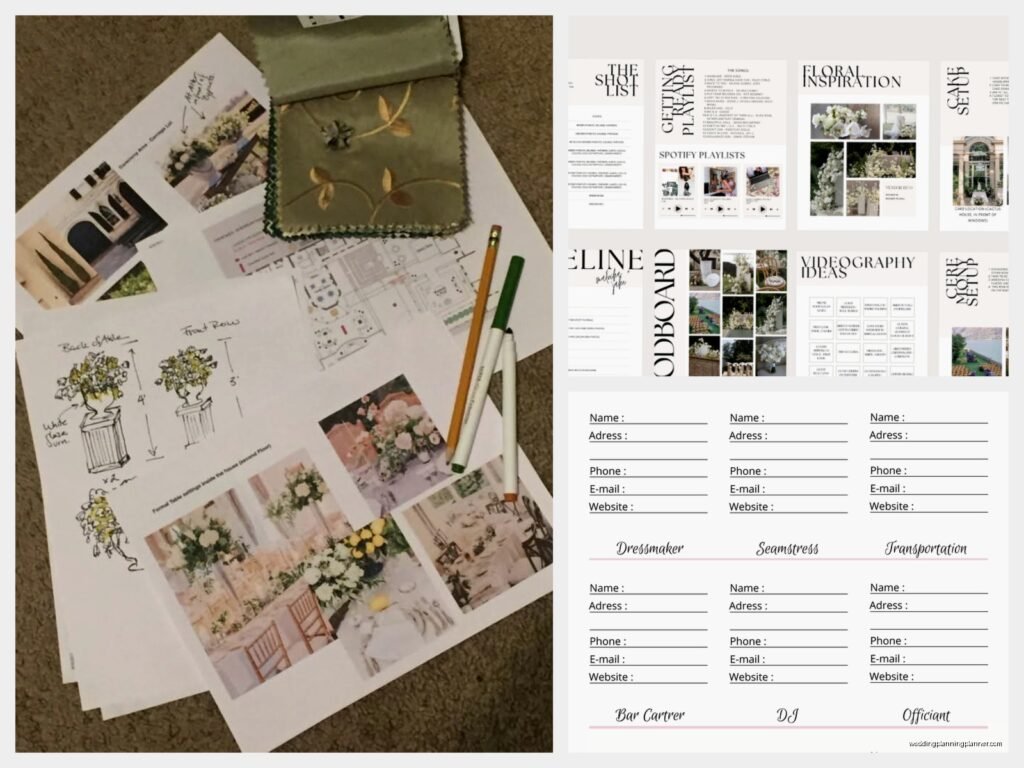
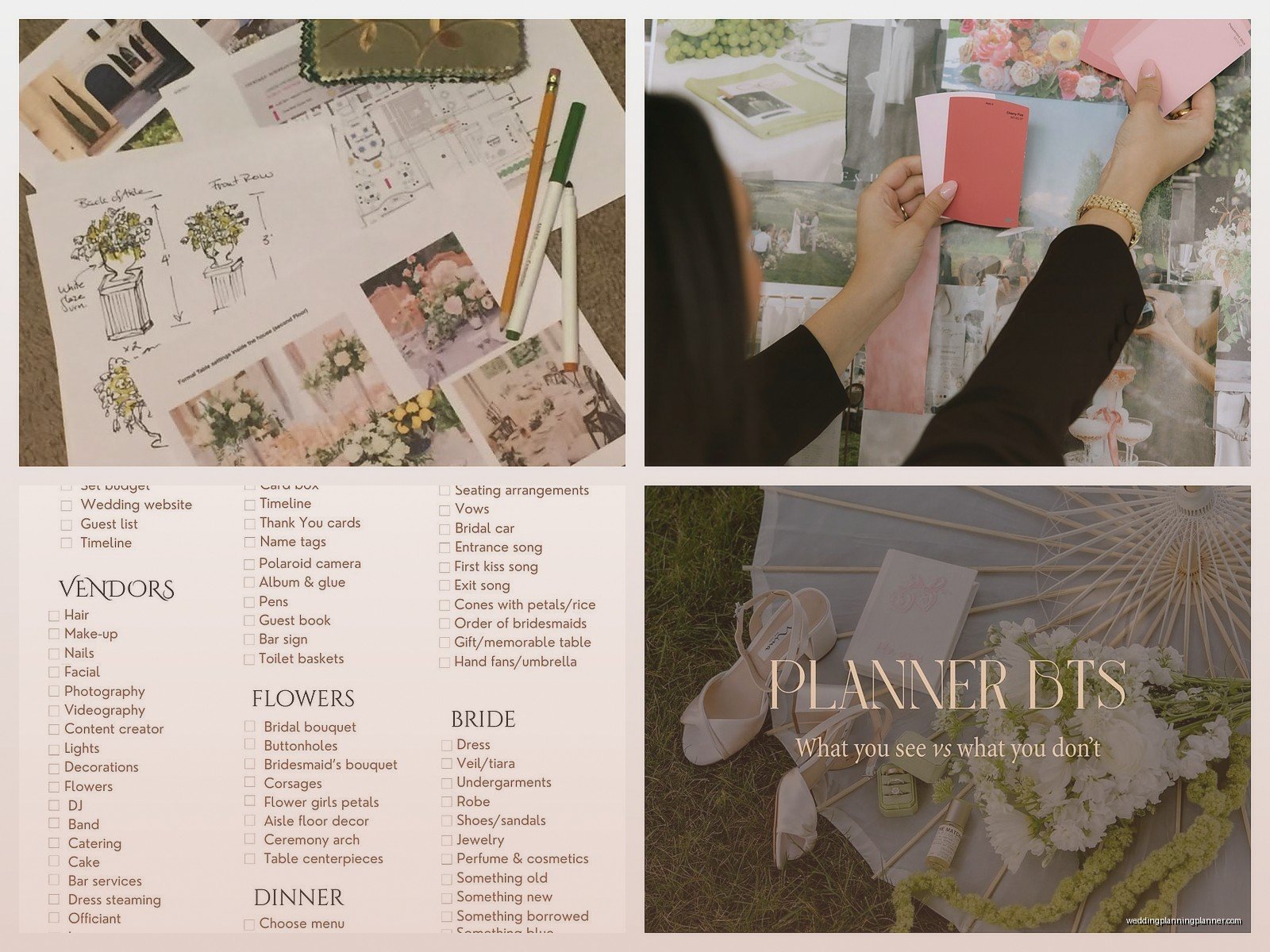
I create what I call a “design deck” which is basically a detailed visual guide for all your vendors so everyone’s on the same page. It includes your color palette (with actual swatches, not just “blush pink” because that means 47 different things to 47 different vendors), inspiration images, specific product links, and notes about what you definitely don’t want.
Spring 2023 I had a wedding where the bride wanted “eucalyptus green” as an accent color and her florist interpreted that completely differently than her rental company and we ended up with clashing greens everywhere until I caught it two weeks before the wedding and had to coordinate a complete linen swap.
Timeline Creation and Day-of Logistics
About 2-3 months before your wedding, I’m creating the master timeline. This isn’t just “ceremony at 4pm, reception at 6pm.” I’m talking minute-by-minute schedules for every single person involved in your wedding.
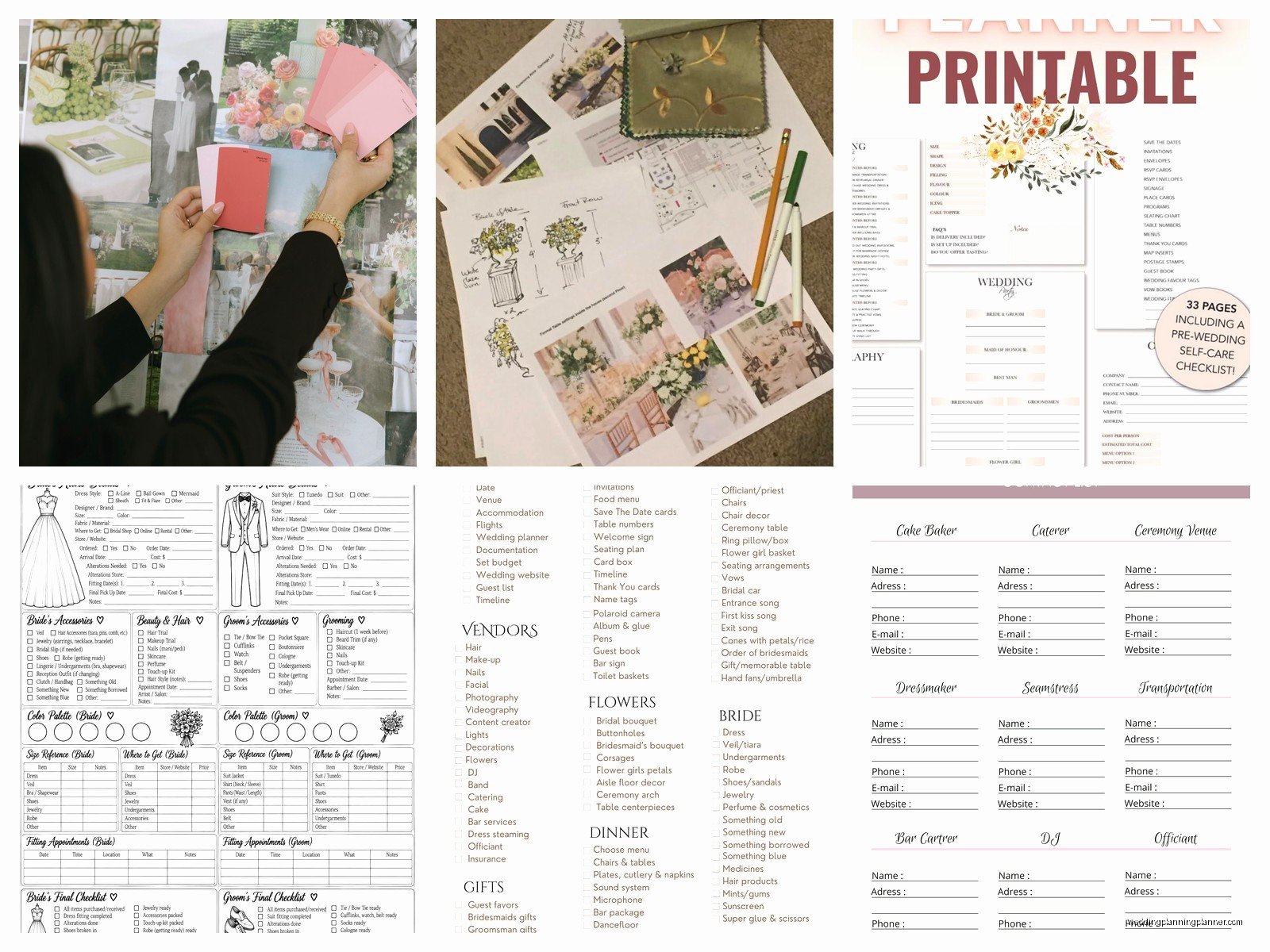
There’s a timeline for you and your wedding party (when hair starts, when you need to be dressed, when photos begin). There’s one for vendors (when the florist delivers, when the DJ does sound check, when catering starts service). There’s one for the ceremony (when guests arrive, when the processional starts, how long each reading takes). And there’s one for the reception (when cocktail hour ends, when you make your entrance, when toasts happen, when cake cutting is, when the venue needs to wrap up).
People always underestimate how long things actually take. No, you cannot do a first look, full wedding party photos, family photos, and couple portraits in 45 minutes. That’s like… maybe enough time for just family photos if your family is small and cooperative, which they never are.
What Happens on the Actual Wedding Day
I usually arrive at the venue about 3-4 hours before your ceremony starts. Earlier if it’s a complex setup. My job that day is to be everywhere and handle everything so you don’t have to think about anything except getting married.
I’m directing vendor setup, making sure centerpieces are placed correctly, checking that escort cards are in alphabetical order (you’d be shocked how often they’re not), setting out your personal items, handling the marriage license, cueing the ceremony processional, managing family photo groupings, solving problems you’ll never even know existed, and keeping everything on schedule.
The problems are endless and mostly invisible to you. The groomsman who forgot his tie. The florist who brought the wrong boutonniere count. The aunt who needs to sit down immediately because of her knee. The unity candle that won’t light because it’s windy. The caterer who’s running 20 minutes behind on appetizers. The best man who lost the rings (just kidding, that’s only happened to me once and we found them in his car).
What really annoyed me recently was this venue coordinator who kept insisting she “had everything handled” and then on the wedding day didn’t know where half the rental items were supposed to go and kept asking me questions every five minutes when she’d specifically told the couple they didn’t need a planner because the venue “included coordination.” Nah. Venue coordinators protect the venue’s interests. Wedding planners protect YOUR interests. There’s a difference.
The Money Part Nobody Wants to Talk About
Planning fees vary so much depending on location and experience level. In major cities, full-service planning can range from $3,000 to $10,000+. I’ve seen planners charge $15,000 for full service in places like New York or LA. Partial planning might be $2,000-$5,000. Day-of coordination usually runs $1,000-$3,000.
Some planners charge a flat fee, some charge a percentage of your total wedding budget (usually 10-20%), and some do hourly rates for smaller projects. I personally do flat fees because I think percentage-based pricing creates weird incentives where I’d theoretically make more money if your wedding costs more, which feels icky.
Here’s what I tell people: a good planner saves you more than they cost. I negotiate vendor contracts, catch billing errors, prevent expensive mistakes, and use my relationships to get you better pricing or added value. Summer 2021 I saved a couple $4,000 on their catering bill because I caught that the venue was charging them for china that was supposed to be included in their package.
How to Actually Choose a Planner
Don’t just hire the first person you find on Instagram with pretty photos. Interview at least 2-3 planners. Ask about their experience with your venue (if you’ve already booked it), their vendor relationships, their emergency protocols, and how they handle conflicts or problems.
You need to genuinely like this person because you’re gonna be talking to them a lot for several months. If their communication style annoys you during the consultation, it’s not gonna get better.
Ask to see a sample timeline from a recent wedding. Ask what their backup plans are if a vendor cancels last minute. Ask how many weddings they take per month (if someone’s doing 6+ weddings a month, they’re probably stretched too thin to give you adequate attention).
Check their contract carefully. What’s included? What costs extra? What happens if you need to postpone? How many meetings are included? Do they charge for extra hours on the wedding day?
What Planners Don’t Do (Usually)
We’re not therapists, though we end up doing some of that anyway. We’re not miracle workers who can plan a 200-person wedding on a $10,000 budget. We’re not going to take sides in family drama, though we will help you navigate it diplomatically.
Most planners also don’t do personal errands unrelated to the wedding. I’m not picking up your dry cleaning or running to Target for you, unless it’s specifically wedding-related and we’ve discussed it. I had someone once ask me to help them move apartments two months before their wedding and I was like… that’s really not what this is?
We also can’t force your vendors to do things that aren’t in their contracts or make your budget magically stretch further than it actually can. Physics still applies to wedding planning.
The Stuff That Makes It Worth It
Look, you can absolutely plan your own wedding. People do it all the time. But you’re also working full-time (probably), trying to maintain relationships with your partner and friends and family, and now you’ve added this massive project that requires project management skills, vendor negotiation, design expertise, and logistical coordination.
The couples who hire planners actually enjoy their engagement more. They’re not spending every weekend touring venues or every evening answering vendor emails. They’re not fighting about whether to DIY the centerpieces or arguing about the guest list at midnight.
And on your wedding day, you’re not gonna be the one handling problems or answering questions or making sure everything happens on time. You’re just gonna show up, get married, and enjoy the party you spent months planning. That’s kinda the whole point, isn’t it?
The peace of mind alone is worth it for most people. Knowing that someone with experience is managing all the details, anticipating problems before they happen, and making sure your vision actually comes to life the way you imagined it. Or at least pretty close, because something always goes slightly wrong but that’s what we’re there to handle so you never even know about it.
