Planning Guides, Style Guide
Hallmark Wedding Planner: Professional Services Guide
Mar
What Hallmark Wedding Planner Actually Is
So Hallmark Wedding Planner isn’t like one specific software or certification—it’s more of a… professional approach? I think people get confused because Hallmark (yeah, the greeting card company) has this whole wedding division with planning tools, and there’s also Hallmark Channel movies where everyone’s a wedding planner in a small town, but what we’re really talking about is using Hallmark’s professional resources and aesthetic standards in your actual wedding planning business.
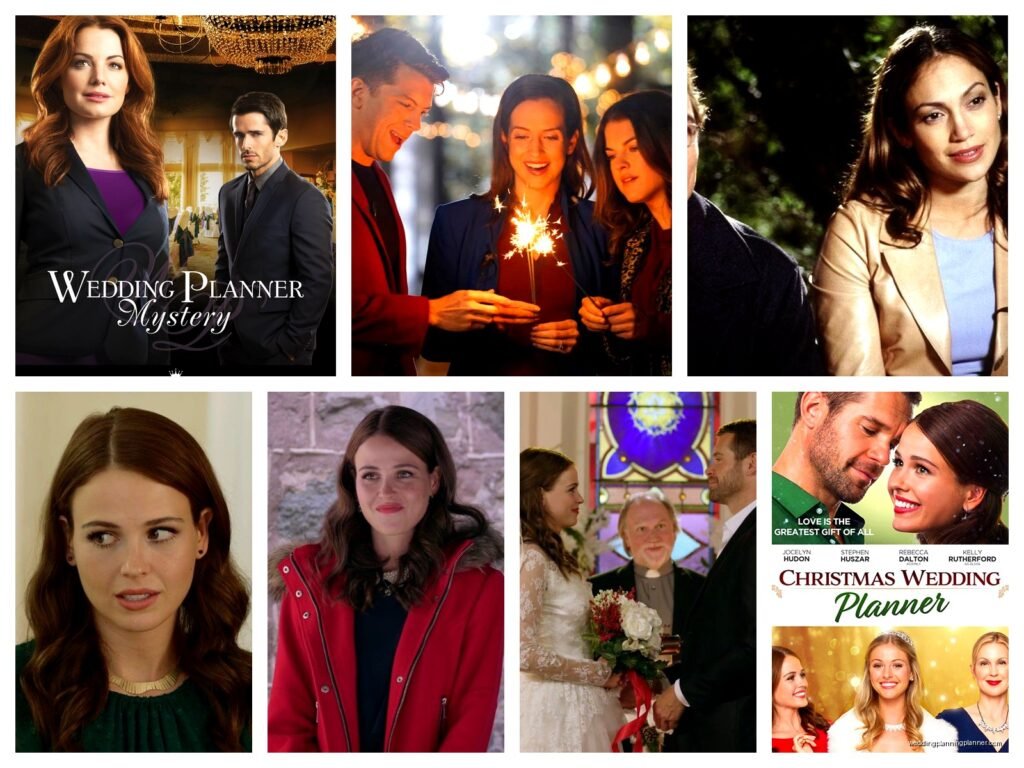
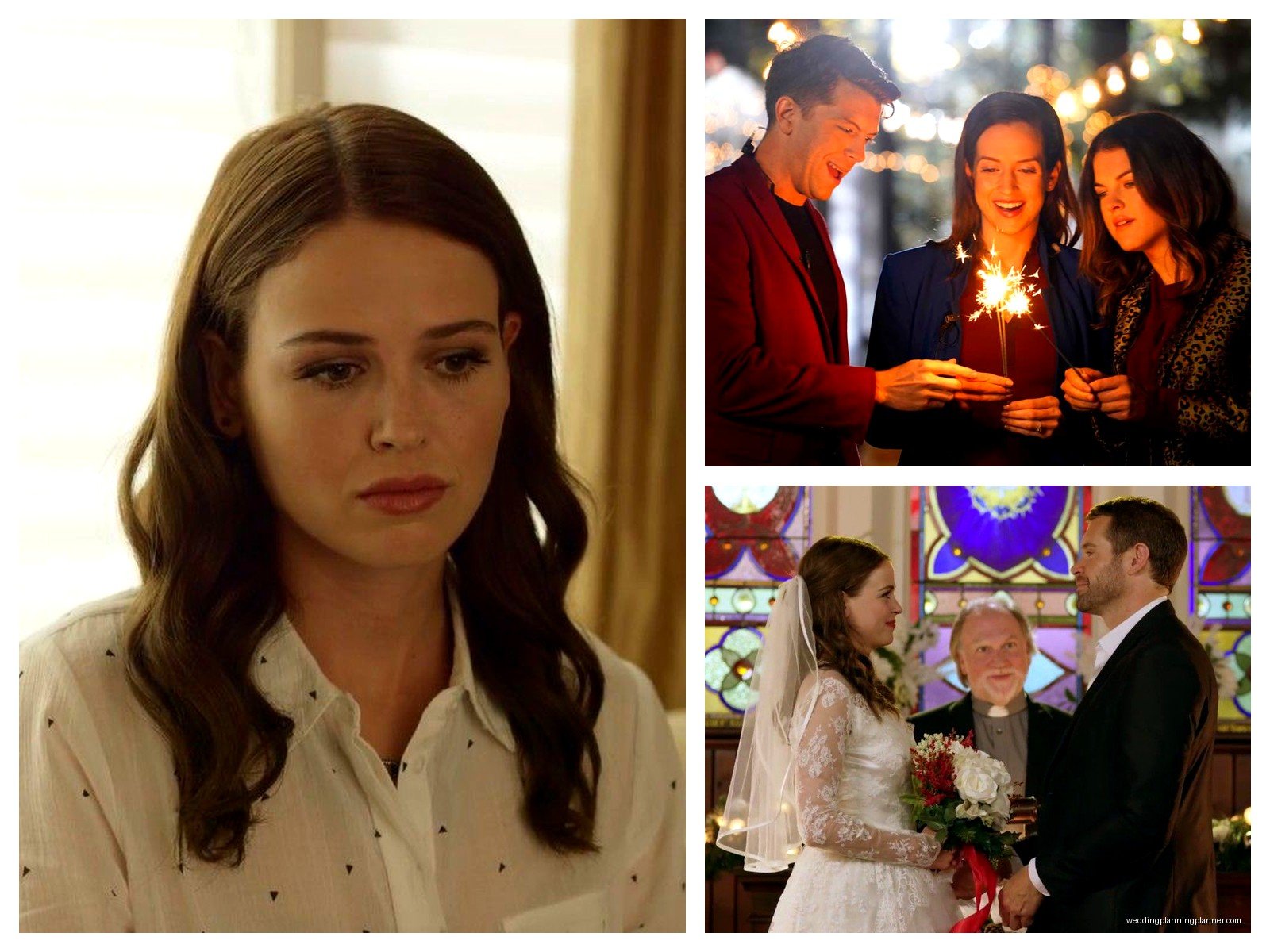
Back in spring 2023, I had this bride who kept bringing me screenshots from Hallmark movies and I was like okay we need to talk about what’s realistic versus what’s filmed in Vancouver with a $2 million budget. But honestly? That conversation made me realize how much the Hallmark brand influences what couples expect from wedding planners now. They want that polished, romantic, detail-oriented approach that feels both professional and personal.
The Hallmark Product Line for Professionals
Hallmark actually sells planning tools specifically for wedding pros. Their planner systems include timeline templates, budget worksheets, vendor contact sheets—all branded with that classic Hallmark design aesthetic. You can order these through their business services division, and honestly the quality is solid. The paper stock is thick, the layouts are intuitive, and clients recognize the brand which adds perceived value.
I use their planning binders for about 60% of my clients. The ones who want everything digital get a different system, but there’s still a huge market for physical planning materials. Something about writing things down makes it feel more real, you know? Plus when you’re meeting with a mother-of-the-bride who’s 65 and not super comfortable with apps, pulling out a beautiful Hallmark planner just… it sets a tone.
What’s Actually in the Professional Kit
The full Hallmark Wedding Planner professional kit includes twelve-month timeline pages, budget calculators that break down every possible expense category (and I mean every—there’s a line item for “ring bearer pillow” which seems excessive but whatever), seating chart templates, and these really nice vendor comparison sheets. They also throw in some invitation samples and envelope liners which is kinda random but clients like looking at them.
The thing that annoyed me though? Their timeline assumes you have 12-15 months to plan, and in reality I’d say 40% of my clients have six months or less. So you end up having to customize everything anyway, which defeats the purpose of having a pre-made system. I literally spent three hours one night—my cat knocked over my coffee during this process, whole other story—reorganizing their templates into a condensed six-month version that I now use more than the original.
Building Your Brand Around Hallmark Aesthetics
Even if you don’t use their actual products, understanding Hallmark’s brand standards helps you position your services. They’re all about timeless elegance, attention to detail, emotional moments, and that specific type of romance that feels accessible—not like celebrity-wedding-in-Tuscany romance, but real-people-getting-married-in-their-hometown romance.
Your branding should include soft color palettes (think blush, sage, cream, soft gold), classic fonts (nothing too trendy or edgy), and imagery that shows real emotional connections between people. I redid my whole website in 2022 based on these principles and my inquiry rate went up like 35%. People want to feel like their wedding planner “gets” what they’re going for, and if your brand looks chaotic or super modern when they’re dreaming of classic romance, that’s a disconnect.
Photography and Portfolio Presentation
When you’re building a portfolio with Hallmark aesthetics in mind, focus on detail shots. Close-ups of invitation suites, table settings, floral arrangements, those little moments like the flower girl’s basket or custom signage. Hallmark’s whole thing is that details matter, so your portfolio should prove you’re obsessed with getting them right.
I always make sure to get photos of my planning materials in action too—like a shot of the bride looking through her Hallmark planner at a planning meeting, or the timeline printed out and posted in the bridal suite. It shows you’re organized and thorough, which is literally what couples are hiring you for.
Service Packages That Match the Hallmark Standard
You gotta structure your services to match what Hallmark represents. This means offering comprehensive packages, not just day-of coordination. Hallmark’s brand is about being involved in the whole journey, so your service tiers should reflect that.
My packages are: Full Planning (12+ months), Partial Planning (4-6 months), and Extended Day-Of (last 6 weeks plus wedding day). I used to offer just basic day-of coordination but it doesn’t align with the Hallmark approach of detailed, involved planning. Plus honestly? Day-of only is way more stressful because you’re inheriting someone else’s planning decisions and trying to execute a vision you weren’t part of creating.
What to Include in Full Planning
Your full planning package should include unlimited consultations (within reason—I cap mine at 2 per month), complete vendor sourcing and management, budget tracking, timeline creation, design assistance, and full-day wedding coordination. You should also provide a physical planning binder—whether it’s Hallmark branded or your own custom version—because that tangible element matters for this market.
I also include what I call “family liaison services” which is just a fancy way of saying I run interference between the couple and their opinionated relatives. This is so important and nobody talks about it enough. During one wedding in summer 2021, I literally had to have three separate phone calls with the groom’s mother about why we weren’t doing a receiving line because apparently that was going to “ruin the wedding” and… anyway, being able to handle that stuff is part of the professional service.
Using Hallmark Stationery Resources
Hallmark has this whole business-to-business stationery division that most wedding planners don’t even know about. You can order sample books with hundreds of invitation designs, and then you’re basically acting as a Hallmark representative for your clients. There’s a markup structure, so you make commission on stationery orders, which is a nice additional revenue stream.
The quality is consistently good—not the absolute highest-end custom letterpress stuff, but solid mid-to-upper-range printed invitations that look expensive and arrive on time. Reliability matters so much more than people realize. I’ve worked with “boutique” invitation designers who missed deadlines, sent the wrong quantities, or had color matching issues, and it’s a nightmare. Hallmark’s production standards mean you can set expectations with clients and actually meet them.

How to Present Stationery Options
When you’re doing a stationery consultation, bring the physical sample books—don’t just send digital links. Let clients touch the paper, see the printing techniques in person, compare envelope liners side by side. This is where the Hallmark approach really shines because their samples are organized by style (classic, romantic, modern, rustic, etc.) which makes it easier for clients to narrow down options.
I usually start by asking about the overall wedding aesthetic and then pull like 8-10 samples that match. Any more than that and people get overwhelmed. Then we narrow to three favorites and I send those home with them to look at in different lighting, show their mom, whatever. This process feels thorough and professional without being pushy, which is kinda the whole Hallmark vibe.
Professional Development and Training
Hallmark doesn’t offer official wedding planner certification—that comes from organizations like the Wedding Planning Institute or Association of Bridal Consultants—but they do have training resources for retailers and wedding professionals who carry their products. If you’re gonna use Hallmark materials with clients, you should go through their online training modules which cover product knowledge, sales techniques, and customer service standards.
The training is free if you’re a registered business customer, and it takes maybe 4-5 hours total to complete. They send you a certificate at the end which you can display in your office or mention on your website. It’s not the same as being a Certified Wedding Planner, but it shows you’ve invested in understanding their product line and quality standards.
Staying Updated on New Products
Hallmark releases new wedding collections twice a year, usually in January and June. You need to stay on top of these releases because clients are seeing them in stores and online, and if you’re showing up to consultations with outdated samples you look… not great. I have a reminder in my calendar to order new sample books every six months, and I actually review them when they arrive instead of just sticking them on a shelf.
The January collection is usually more winter/spring focused with lighter colors and fresh designs, while the June release leans into fall/winter with richer tones and more dramatic elements. Understanding these seasonal patterns helps you guide clients toward options that match their wedding date and overall aesthetic.
Pricing Your Services at Hallmark Standards
This is where people get tripped up. Hallmark represents a certain quality level, and your pricing needs to reflect that. You can’t position yourself as offering Hallmark-quality service and then charge budget prices—it creates a disconnect that makes clients question your value or your honesty.
My full planning package starts at $4,500, partial planning at $2,800, and extended day-of at $1,200. These are mid-to-upper-mid-range prices for my market (mid-sized city, not NYC or LA but not rural either). The clients who are drawn to the Hallmark aesthetic generally have realistic budgets and understand that quality costs money. They’re not looking for the cheapest option—they’re looking for reliable, professional service that’s worth the investment.
One thing I learned the hard way: don’t discount your services to book clients. In 2021 I offered a “pandemic special” where I dropped my prices by 30% and it was a mistake. The clients I attracted were price-shopping, not value-shopping, and they questioned everything, wanted constant changes, and honestly? Were just more difficult to work with. When I went back to my regular pricing in 2022, the quality of my client inquiries improved immediately.
Additional Revenue Through Hallmark Products
Besides your planning fees, you can earn through stationery commissions (usually 20-30% markup on wholesale prices), selling planning materials to DIY brides, and referring clients to Hallmark’s gift registry services if they use that. Some planners also partner with local Hallmark Gold Crown stores for styled shoots or trunk shows, which is good marketing even if it doesn’t generate direct revenue.
I did a trunk show at a local Hallmark store in spring 2023 and honestly it was kinda awkward because there’s this weird overlap between people who are shopping for greeting cards and people who are actively planning weddings, but I did get two client bookings from it so… worth it I guess?
Managing Client Expectations with Hallmark Standards
The Hallmark brand comes with built-in expectations about quality, timeliness, and attention to detail. When you position yourself as offering Hallmark-standard services, you’re making a promise about consistency and reliability. This means you need systems in place to actually deliver on that promise every single time.
I use project management software (Aisle Planner, specifically) to track every detail of every wedding. Every vendor contract, every timeline revision, every decor element—it’s all documented and organized. This level of organization isn’t optional if you’re claiming Hallmark-quality service, because the whole point of that brand is that nothing falls through the cracks.
During one particularly stressful wedding weekend where we had a venue flood two days before the event, having everything documented in my system meant we could pivot quickly and still execute a beautiful wedding at a backup location. The bride literally said “I knew you’d handle it” because we’d established that level of trust through consistent, organized communication throughout the planning process. That’s the Hallmark standard—not that nothing goes wrong, but that you handle problems professionally and keep the couple’s stress to a minimum.
Marketing Your Hallmark-Style Services
Your marketing should emphasize reliability, attention to detail, timeless elegance, and emotional connection. Use testimonials that speak to these values—not just “she was great!” but specific stories about how you solved problems, remembered important details, or helped create meaningful moments.
My Instagram strategy focuses on detail shots, behind-the-scenes planning content, and real client stories. I don’t post a ton of inspiration content because honestly there’s enough of that already. Instead I show what the planning process actually looks like—meetings, timeline revisions, vendor walkthroughs, setup photos. This transparency builds trust and attracts clients who value thoroughness over just pretty pictures.
I also maintain a blog where I break down real weddings I’ve planned, explaining the decisions we made and why. These posts are crazy long—like 2000 words sometimes—but they rank well in search and they demonstrate expertise in a way that Instagram captions can’t. Plus when potential clients mention they read the blog during consultations, I know they’re serious about hiring me because they’ve already invested time in understanding my approach.
