
Planning Guides, Style Guide
Letterpress Wedding Invitations: Classic Printing Technique
Mar
So you want letterpress invitations huh
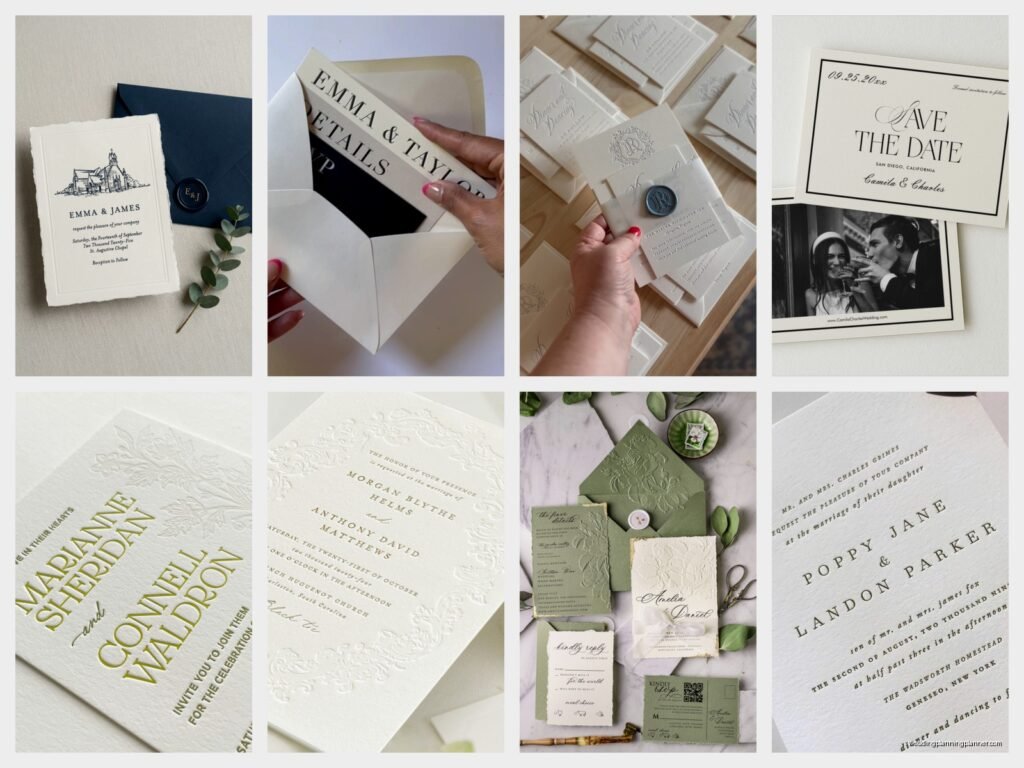
Okay so letterpress is basically when you press metal or polymer plates into thick paper and it creates this gorgeous debossed impression that you can actually feel with your fingers. It’s not just printed ON the paper, it’s pressed INTO it. That tactile quality is what makes people absolutely lose their minds over letterpress and honestly it’s worth the hype.
The whole process uses these old school printing presses – some couples get really romantic about the idea that their invitations were printed on a machine from like the 1920s but lemme tell you, those vintage presses can be temperamental as hell. I had this bride back in spring 2022 who insisted on using this specific print shop because they had an original Chandler & Price press from 1914 and she thought it would add “authenticity” to her invitations. Well that press broke down THREE times during her print run and we almost didn’t get the invites done in time for her mail date. I was literally refreshing my email every five minutes while binge-watching The White Lotus and stress-eating cheese cubes at 11pm waiting for updates from the printer.
What makes letterpress different from regular printing
Regular printing (digital or offset) just puts ink on top of paper. Flat. Boring. Fine for some things but not special. Letterpress creates a physical impression – you’re literally pressing the design into handmade or cotton paper. The result is this beautiful dimensional quality that catches light differently depending on how you hold it. People always run their fingers over letterpress invitations because they can’t help themselves.
The ink also sits differently. With letterpress you get these slightly imperfect edges called “debossing halo” where the ink kinda spreads just a tiny bit around the impression. Some designers hate this but I think it adds character. It proves it’s not digital, you know?
The paper situation and why it matters so much
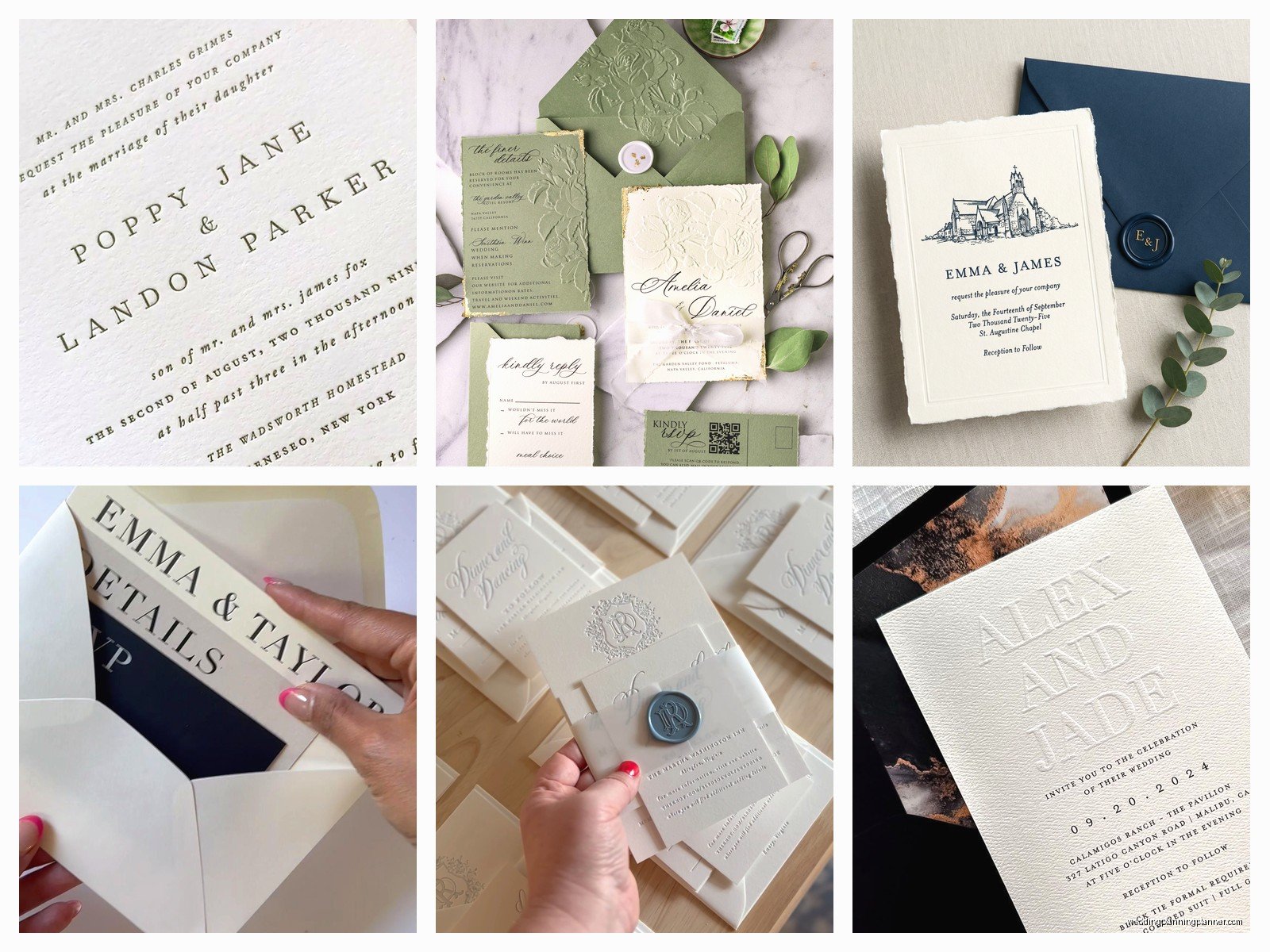
You cannot and I repeat CANNOT use regular paper for letterpress. You need thick soft paper that can handle the impression without cracking or tearing. We’re talking cotton paper, usually 220lb or higher. Sometimes handmade paper if you wanna get really fancy.
Here’s what works:
- 100% cotton paper (Crane Lettra is the industry standard and for good reason)
- Bamboo paper (eco-friendly option, nice texture)
- Handmade paper with deckled edges (gorgeous but expensive and sometimes inconsistent)
- Cotton-blend papers at minimum 110lb but honestly go thicker
What doesn’t work:
- Regular cardstock – it’ll crack
- Glossy paper – umm no the impression won’t work
- Thin paper under 110lb – you’ll see the impression through the back and it looks cheap
- Very textured laid paper – the impression gets lost in the existing texture
I learned this the hard way with a client who bought her own paper off Etsy without consulting me first. She got this beautiful handmade paper but it was only like 80lb and had flower petals embedded in it. Sweet concept, terrible for letterpress. The printer refused to even attempt it because the paper would’ve shredded in the press. She was so mad at me even though I specifically told her not to order paper without approval but whatever, that’s weddings for you.
Colors and ink choices
So traditional letterpress was just black ink. That’s it. But now you can do basically any color through Pantone matching. The printer mixes custom inks to match your wedding colors exactly.
Single color printing is the most affordable. Each additional color requires a separate plate and a separate press run which means $$$$. If you want a two-color invitation you’re looking at significantly higher costs.
Popular letterpress ink options:
- Matte inks (classic, sophisticated, my personal favorite)
- Metallic inks (gold, silver, copper – these are tricky because metallic particles don’t always press evenly)
- White ink on dark paper (STUNNING but you need really opaque ink and multiple passes)
- Custom Pantone matching (essential if you have specific brand colors or wedding palette)
- Gradient or ombre inks (this is where it gets complicated and expensive)
One thing that really annoys me is when couples see a Pinterest image of letterpress with like 4 different colors plus gold foil plus edge painting and they’re like “we want this but our budget is $500 for 150 invitations” and I have to be the bad guy explaining that what they want costs like $3000 minimum. Setting realistic expectations is literally half my job.
Design considerations because not everything translates well
Letterpress has limitations. Fine lines under a certain width won’t press properly. Solid areas larger than like 4 inches can be problematic because you need SO much pressure to get even coverage and that can damage the paper or the press.
Best designs for letterpress:
- Clean typography-focused layouts
- Simple botanical line drawings
- Monograms and crests
- Border designs that aren’t too intricate
- Geometric patterns with adequate spacing
Designs that are gonna cause problems:
- Photographs or images with gradients (letterpress can’t do photo reproduction well)
- Super intricate illustrations with tiny details
- Large solid blocks of color
- Reversed text (white text on solid background) in small fonts
- Anything requiring precise registration across multiple colors if the design is complicated
The printer needs vector files usually Adobe Illustrator. Make sure your designer knows it’s for letterpress BEFORE they start designing because you can’t just convert any design to letterpress-appropriate artwork.
The whole plate making process
Your design gets turned into either a metal plate or a polymer plate. Metal plates (magnesium or copper) are traditional and last forever but they’re expensive. Polymer plates are cheaper and work great for most projects. The plate is basically a stamp of your design that gets locked into the press.
Here’s what happens: The printer takes your vector artwork and creates a negative. That negative is used to expose a photopolymer plate (if going the polymer route) or etch a metal plate (if going traditional). The raised areas of the plate are what actually make contact with the paper.
This is why letterpress setup fees are high – you’re paying for custom plate creation. If you want to reprint later you can usually save the plates and skip that fee but storage fees might apply depending on the printer.
Actually printing the invitations
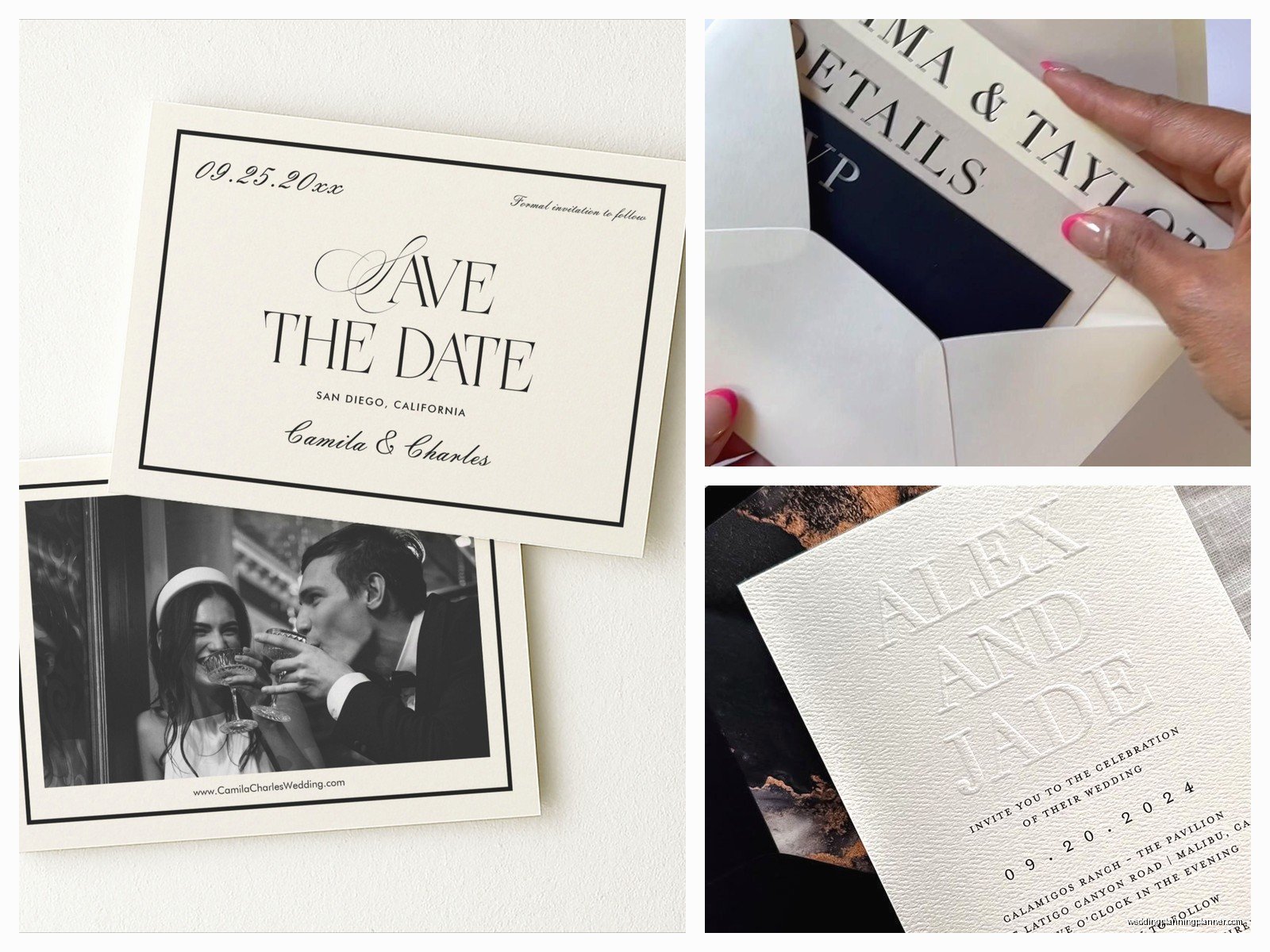
The printer sets up the press with your plate, mixes the ink, and does test impressions. They’re adjusting pressure, ink coverage, and registration (where the image sits on the paper). This setup process can take hours for a complicated job.
Then they feed each sheet through individually. Yeah, individual sheets. One at a time. This is why letterpress is expensive – it’s incredibly labor intensive. For a two-color design each sheet goes through the press twice with different plates.
The pressure has to be perfect – too much and you get ink squish and paper damage, too little and the impression is weak. Good letterpress printers are basically artists who understand their equipment intimately.
After printing the sheets need to dry. Depending on ink type and coverage this could be a few hours or overnight. You can’t stack them wet or you’ll get offsetting (ink transferring to the back of the next sheet).
Timing and how long this whole thing takes
Letterpress is NOT fast. Here’s a realistic timeline:
- Design and revisions: 2-4 weeks (sometimes longer if the couple is indecisive)
- Paper selection and ordering: 1-2 weeks
- Plate creation: 1 week
- Printing: 1-3 weeks depending on quantity and complexity
- Drying and finishing: 3-5 days
You should plan on at least 8-12 weeks from final design approval to having invitations in hand. I always tell couples 12-14 weeks to be safe because something always comes up. The printer gets backed up, paper is on backorder, there’s a problem with the first print run, whatever.
During summer 2024 I had this nightmare situation where the printer’s main press broke down completely during a heat wave and they had to send all their jobs to another shop two states away and everything got delayed by three weeks. The bride was getting married in October and we’d already cut the timeline close. I spent so many hours on the phone doing damage control and rearranging the whole stationery timeline. My cat Charlie kept jumping on my desk during video calls with the bride and at one point he stepped on my keyboard and unmuted me while I was saying something not super professional about the printer’s equipment maintenance schedule so… that was fun.
Costs because yeah it’s expensive
Letterpress is probably the most expensive printing method for wedding invitations. You’re paying for:
- Plate creation (usually $75-200 per color)
- Specialty paper ($2-8 per sheet depending on quality)
- Labor intensive printing process
- Printer expertise and equipment maintenance
- Higher waste factor (they print extras because imperfect impressions get tossed)
Ballpark pricing for a single-color letterpress invitation suite (invitation, RSVP card, details card):
- 100 sets: $1200-2000
- 150 sets: $1800-3000
- 200 sets: $2400-4000
Add $300-800 for each additional color. Add more for envelope addressing, liner printing, edge painting, or other special finishes.
You can save money by:
- Sticking to one or two colors max
- Choosing a simpler design without huge solid areas
- Using standard paper instead of handmade
- Printing only the main invitation letterpress and doing other pieces digitally
- Skipping envelope printing (just use digital addressing or calligraphy)
But honestly if budget is super tight there are other printing methods that give you 80% of the look for 40% of the cost. Thermography creates a raised effect (opposite of letterpress but still dimensional). Digital printing on cotton paper looks great and costs way less. I’m not gonna push someone into letterpress if it means they can’t afford flowers or whatever.
Finding the right letterpress printer
Not all printers are created equal. You want someone with experience, good equipment, and a portfolio you love.
Questions to ask potential printers:
- What kind of press do you use? (Heidelberg windmill, Vandercook, Chandler & Price are all good)
- How long have you been doing letterpress? (at least 5 years ideally)
- Can I see samples in person? (photos don’t show impression depth)
- What’s your typical turnaround time?
- Do you have backup equipment if something breaks?
- What’s your policy on reprints if there are quality issues?
- Do you provide proofs? (you want a physical printed proof not just a PDF)
- What’s included in your pricing? (ink colors, paper, envelopes, etc)
Red flags:
- Can’t show you physical samples
- Promises super fast turnaround (quality letterpress takes time)
- Significantly cheaper than other quotes (probably cutting corners)
- Doesn’t ask detailed questions about your design and paper preferences
- No clear contract or terms
I work with maybe 4-5 trusted letterpress printers and I send all my clients to them because I know their work is consistent and they communicate well. Finding a good printer is half the battle honestly.
Working with a stationer vs DIY
Can you DIY letterpress? I mean technically yes if you buy or rent a small tabletop press and learn the whole process but umm… why would you do that to yourself? The learning curve is steep, the equipment is expensive, and your wedding invitations are not the place to practice a new craft.
I watched a bride attempt DIY letterpress once. She bought a $600 tabletop press, watched some YouTube videos, and thought she could figure it out. Six months later she came to me in tears with a box of crooked smudged invitations and asked if I could fix it. I couldn’t. We ended up scrapping everything and starting over with a professional printer. She wasted so much money and time and stress.
Working with a stationer who specializes in letterpress means:
- They know what designs will work
- They have relationships with good printers
- They can troubleshoot problems before they happen
- They handle all the technical stuff
- You get guidance on paper, colors, wording, timing, everything
Yeah you pay for that expertise but it’s worth it to actually get beautiful invitations that arrive on time.
