Planning Guides, Style Guide
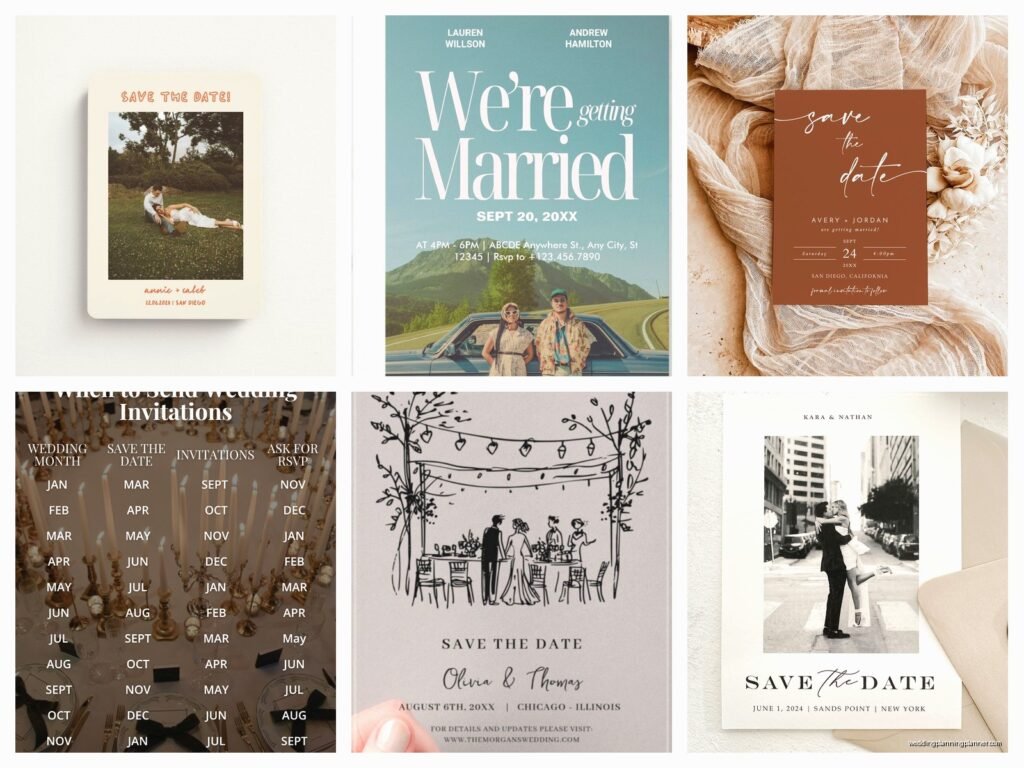
Save the Date Wedding Invitations: Combined Design Options
Mar
So You Want To Combine Your Save the Dates and Invitations
Okay so here’s the thing about combined save the date wedding invitations – I literally just dealt with this last month with a couple who were adamant they didn’t want to send two separate mailings and honestly? I get it. Postage is insane right now and when you’re looking at 150+ guests, you’re basically paying for a nice dinner every time you hit the post office.
The Basic Concept Behind Combined Designs
The idea is pretty straightforward. You’re creating one piece of stationery that serves double duty – it announces your engagement and wedding date AND serves as the formal invitation. But here’s where people mess up constantly… they think this means just slapping both messages on one card and calling it a day. Nah, it’s more nuanced than that.
There’s actually three main approaches to this and I learned the hard way back in spring 2022 when I had a bride who wanted “everything on one card” and we ended up with something that looked like a menu at a diner because there was just SO much text crammed onto this poor 5×7 piece of cardstock.
Option One: The Detachable Design
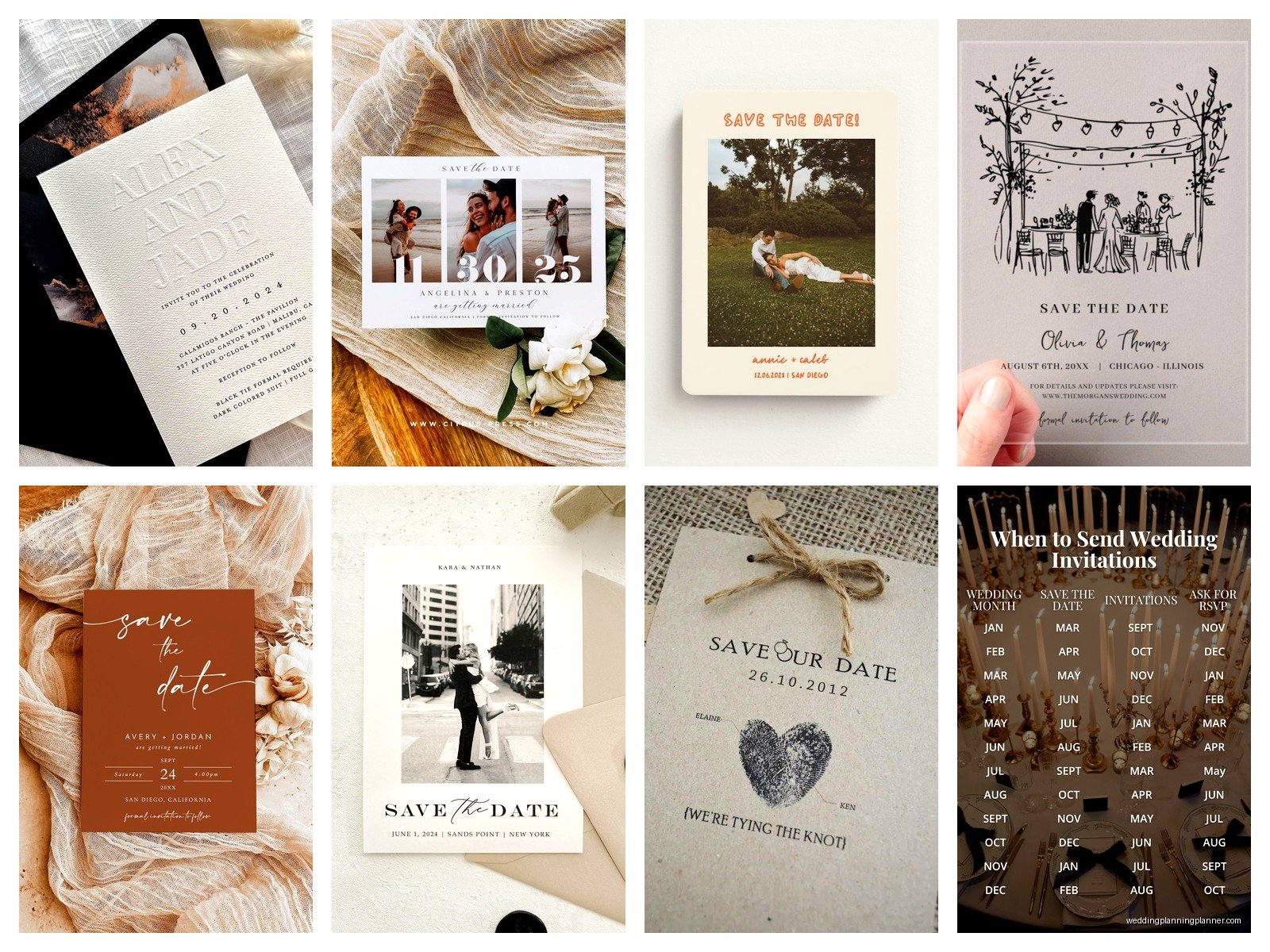
This is probably my favorite method even though it costs a bit more upfront. You’re essentially creating a two-part invitation where one section is perforated. The top portion is the save the date with basic info – your names, wedding date, location (city at least), and maybe a photo. The bottom portion has all the formal invitation details – ceremony time, reception venue, dress code, all that stuff.
Guests can tear off the save the date portion and stick it on their fridge while keeping the detailed invitation part for reference. Umm… the perforation needs to be professionally done though, don’t try that thing where you use a perforating wheel from the craft store because it looks homemade and weird.
What you need for this:
- Heavier cardstock (at least 110lb cover) so it doesn’t feel flimsy
- Professional perforation (your printer can do this)
- Clear visual distinction between the two sections – different fonts, maybe a decorative line, different background colors
- Magnetic backing option for the save the date portion (guests love this)
The timeline for sending these is kinda tricky. You want to send them about 6-8 months before the wedding, which is later than a traditional save the date (those usually go out 8-12 months before) but earlier than a standard invitation (typically 8-10 weeks before).
Option Two: The Folder or Pocket Design
This approach uses a folder or pocket-style invitation suite where the save the date is one card and the invitation is another, but they’re housed together in one package. I had a couple in summer 2024 who did this with a gorgeous navy blue pocket folder and it actually worked really well.
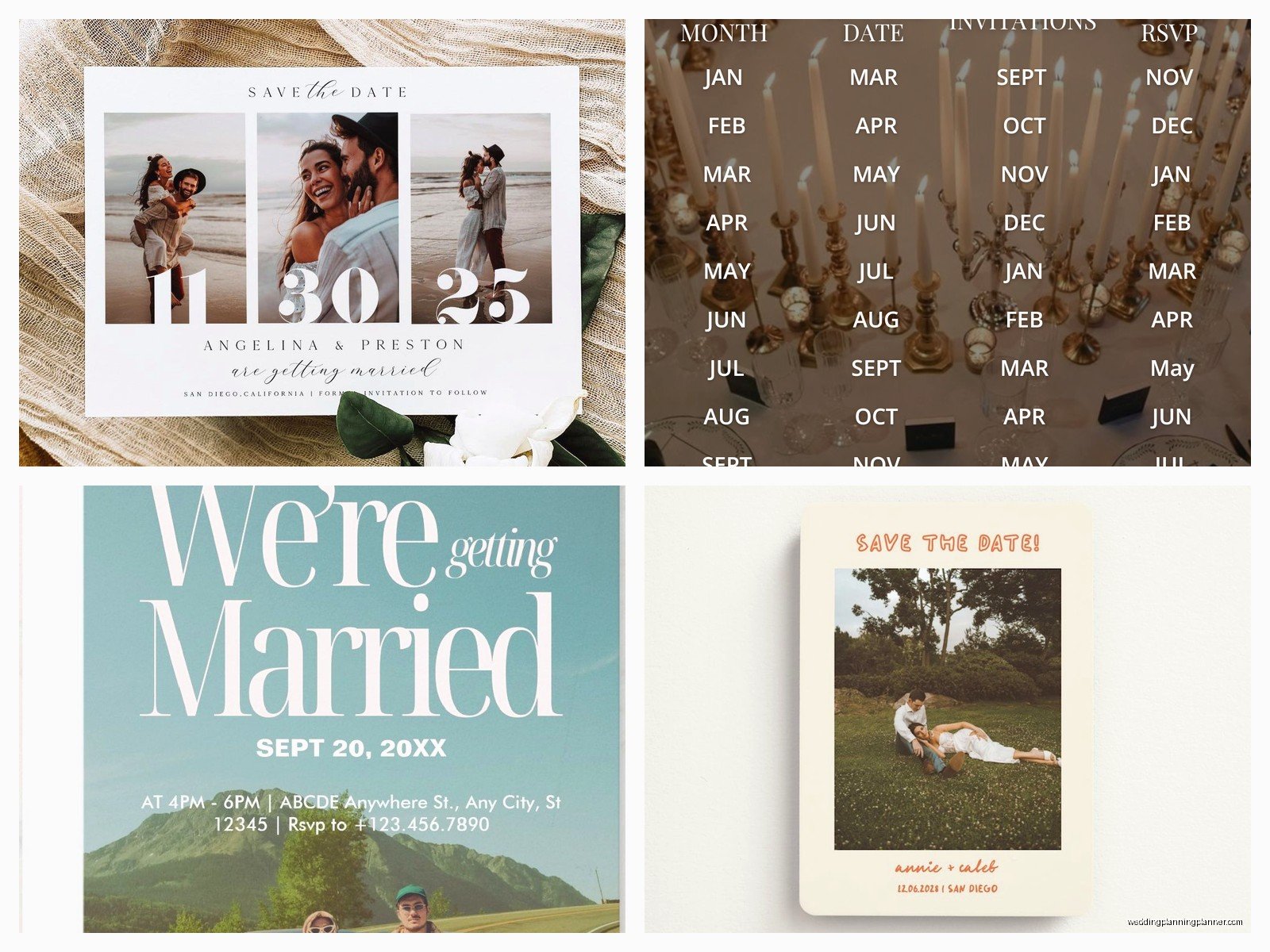
The save the date card goes in first (or on top) with wording like “Save the Date for the Wedding of Sarah and Michael” with the date and location. Then behind it or in a separate pocket, you have the formal invitation card with all the details. You can also include your RSVP card, details card, accommodations info – whatever you need.
Here’s what annoyed me about this option though – people don’t understand that you STILL need to send this earlier than a regular invitation. I’ve had so many couples want to send these 6 weeks before the wedding and I’m like… that defeats the entire purpose of the save the date component. Your guests need time to actually save the date, book travel, request time off work. You’re not just sending them information, you’re asking them to plan their lives around your event.
Design Elements That Actually Work
Look, I’ve seen probably hundreds of these combined invitations at this point and there’s definitely patterns in what works and what looks cluttered or confusing.
First, you gotta maintain visual hierarchy. The save the date information should be immediately obvious – larger text, bolder font, or positioned prominently. The detailed invitation info can be smaller and more… I don’t know, refined? Formal? You want someone to glance at this and immediately see “Oh, October 14th, 2025, got it” without having to hunt through paragraphs of text.
Color coding helps tremendously. Maybe your save the date section has a subtle colored background or border while the invitation details are on white. Or vice versa. Just some visual distinction so the eye knows where to look.
Photos are great for the save the date portion but skip them on the formal invitation section usually looks better that way. The save the date can be casual and fun, the invitation should feel more elegant and traditional.
The Wording Situation
This is where people really struggle. You’re basically writing two different pieces of correspondence on one item.
For the save the date portion, you can keep it casual:
Save the Date
Emma Rodriguez & Jordan Thompson
October 14, 2025
Charleston, South Carolina
Formal invitation to follow
That last line is key – “formal invitation to follow” or “invitation enclosed” or “details below” – something that signals there’s more information coming or included.
Then your formal invitation section follows traditional wording:
Together with their families
Emma Rodriguez and Jordan Thompson
request the pleasure of your company
at their marriage
Saturday, the fourteenth of October
two thousand twenty-five
at half past four in the afternoon
The Cedar Room
Charleston, South Carolina
You can adjust the formality level based on your wedding style obviously. Beach wedding? Loosen it up. Black tie ballroom? Keep it traditional.
The Practical Stuff Nobody Tells You
Okay so printing costs. Combined invitations don’t actually save you as much money as you’d think. Yeah, you’re saving on postage (one mailing instead of two), but the design is more complex, you might need specialty printing techniques like perforation or pocket folders, and you often need heavier paper stock to make it feel substantial.
I had this client last year who was convinced she’d save like $500 by doing combined invitations and when we priced everything out, she saved maybe $150 after factoring in the upgraded paper and folder costs. Still savings, but not the dramatic reduction she expected. Just gonna be honest about that.
Envelope sizing matters more with combined invitations. If you’re doing a pocket folder style, you’re probably looking at a 5×7 or A7 envelope at minimum. The detachable designs can sometimes fit in a standard invitation envelope, but if you’re adding any embellishments or thicker stock… you might need to go up a size. And nonstandard envelope sizes cost more to mail, so there’s that.
Digital Integration Options
One thing that’s gotten really popular – and I actually love this – is combining a physical save the date/invitation with digital elements. You include a QR code on the invitation that links to your wedding website where guests can RSVP, see accommodations, view your registry, whatever.
This works especially well with combined invitations because you can keep the physical card relatively simple and clean, then put all the nitty-gritty details online. Like, do you really need to print your hotel room block information on cardstock? Probably not. Put that online.
My cat literally just knocked over my coffee while I’m writing this, so if this seems scattered… that’s why.
Timing and Mailing Strategy
The sweet spot for sending combined save the date/invitations is 5-6 months before the wedding. This gives guests enough advance notice to plan (the save the date function) while being close enough to the event that you can include final details (the invitation function).
But here’s where it gets complicated – destination weddings or weddings during peak travel times need more advance notice. If you’re getting married in Hawaii or during Thanksgiving weekend or something, push that timeline to 7-9 months out. Your guests need more planning time.
International guests should probably get an email heads up even earlier. I always tell couples to send a quick email to international guests 9-12 months out saying “hey, save this date, formal invitation coming soon” because international travel logistics are just… they take longer to coordinate.
What To Include In Your Suite
Even with a combined invitation, you still need some additional pieces usually. Here’s what I typically recommend including:
- The main combined save the date/invitation card (obviously)
- RSVP card with pre-addressed, stamped envelope (or just direct people to your website)
- Details card with parking, accommodations, dress code, and other logistical stuff
- Wedding weekend timeline if you have multiple events
- Map or directions card if your venue is tricky to find
Don’t go overboard though. I’ve seen couples include like eight different insert cards and it becomes this whole puzzle that guests have to sort through. Keep it streamlined.
The RSVP Deadline Thing
Since you’re sending your combined invitation earlier than you’d send a traditional invitation, your RSVP deadline needs to be adjusted. Typically you want RSVPs about 3-4 weeks before the wedding to finalize catering numbers and seating charts.
So if you’re sending combined invitations 6 months out, you might set an RSVP deadline for 2-3 months before the wedding. But – and this is important – you need to include a reminder somehow. Either send a follow-up postcard, email reminder, or have your wedding party do some personal outreach.
People forget. They see your invitation, think “oh yeah, October, I’ll deal with that later” and then suddenly it’s September and they haven’t responded. Build in some reminder strategy or you’ll be chasing down RSVPs right up until the wedding, which is super stressful.
Addressing and Assembly
Assembly order matters for these. If you’re doing a pocket design, the save the date component should be visible first when someone opens the envelope. They should see that before they see all the detailed information.
For detachable designs, make sure the perforated line is horizontal (not vertical) so it’s obvious how to separate the pieces. I had someone design one with a vertical perforation once and guests kept ripping it wrong and it was just… anyway, horizontal works better.
Addressing should match your formality level. If you’re going traditional and formal with your wording, get the envelopes calligraphed or use formal printed addressing. If your vibe is more casual and relaxed, printed labels or even nice handwriting works fine.
Different Formats That Work
Beyond the detachable and pocket folder options, there’s a few other formats I’ve seen work well:
The Booklet Style: This is like a small booklet or program where the cover is the save the date and the interior pages contain the invitation details, wedding party information, schedule, etc. It feels really cohesive and elegant but it’s definitely on the pricier end. You need specialty binding and multi-page printing.
The Gatefold Design: This is where the invitation folds out like gates opening. The front panel is your save the date, then when you unfold it, the interior reveals the full invitation details. Super dramatic and fancy-looking. Works great for formal weddings.
The Postcard Style: For really casual weddings, you can do a large postcard where one side is save the date info and the other side has invitation details. This is the most budget-friendly option and works well for backyard weddings, elopement announcements, or ultra-casual celebrations.
The Layered Card: Multiple cards stacked and attached with a belly band or ribbon. The top card is the save the date, remove it and the invitation is underneath. It’s pretty and functional but can be fiddly to assemble if you’re doing DIY.
When This Approach Doesn’t Work
Gonna be honest – combined save the date invitations aren’t right for every wedding. If you’re having a really formal, traditional wedding with lots of events spread over a weekend, you probably need separate pieces. The combined format works better for simpler, more straightforward celebrations.
Also, if your guest list is still super in flux 6 months out, this doesn’t work. You need to have your final guest list nailed down before you send these because you’re not sending a follow-up invitation. This is it.
And if you’re having a long engagement – like 18+ months – don’t try to make combined invitations work. That’s too far in advance for invitation details. Just send a regular save the date and then send invitations later like a normal person.
Design Mistakes I See Constantly
Too much text. This is the number one problem. People try to cram every single detail onto one card and it becomes overwhelming. Use your wedding website for supplementary information. The physical invitation should have essential details only – date, time, location, dress code. Everything else can go online or on a separate details card.
Confusing layout. If I have to study your invitation for 30 seconds to figure out what’s going on, you’ve failed. The design should be intuitive. Save the date info should be immediately clear, invitation details should be easy to locate. Use spacing, fonts, and color to create that clarity.
Mismatched formality levels. Don’t have a super casual save the date section and then ultra-formal invitation wording. The tone should be consistent throughout, even if the save the date portion is slightly less formal. There should be a cohesive feeling to the whole piece.
Forgetting the RSVP mechanism. Whether it’s a physical card or digital option, make it crystal clear how guests should respond. Don’t assume they’ll figure it out. Spell it out explicitly.
