Planning Guides, Style Guide
We Do Wedding Invitations: Custom Design Service
Mar
Your Custom Wedding Invitation Design Service Brand Guide
So you’re thinking about offering custom wedding invitation design services or maybe you already do and you just need to get your brand sorted out because honestly everything feels kinda all over the place right now. I get it. Back in summer 2021 I had this couple who wanted their invitations to look like vintage train tickets because they met on the Metro and I realized halfway through that project that I had absolutely no cohesive brand message to show them—like, what even was my style? Was I vintage? Modern? Whimsical? I was just saying yes to everything and it showed.
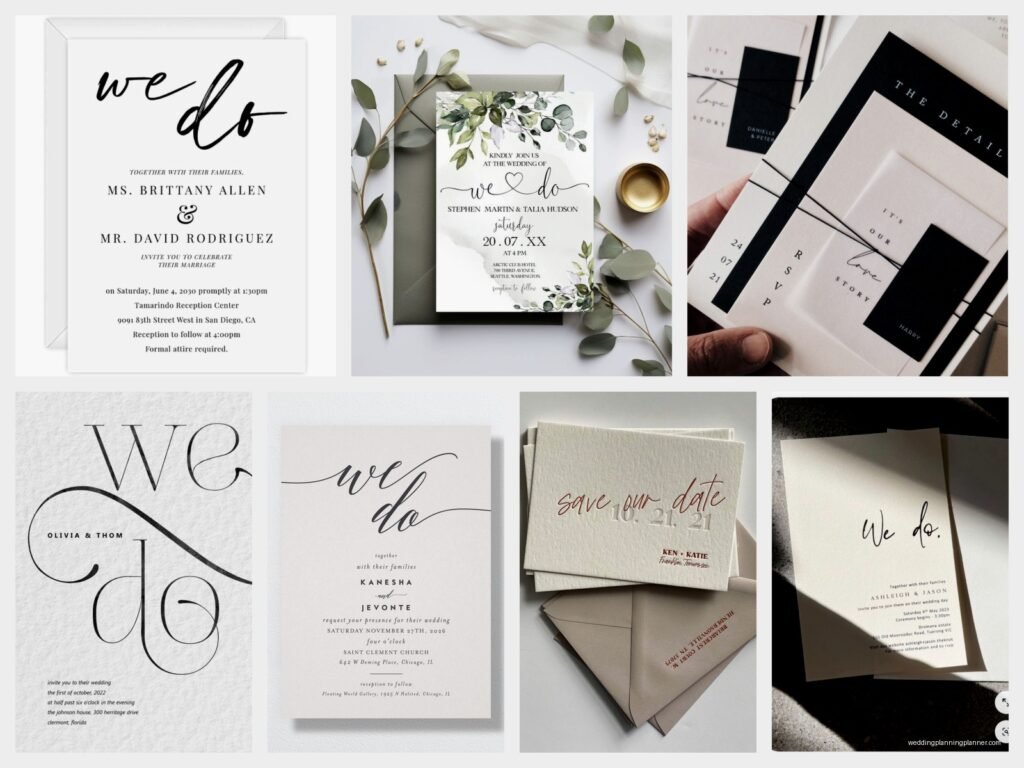
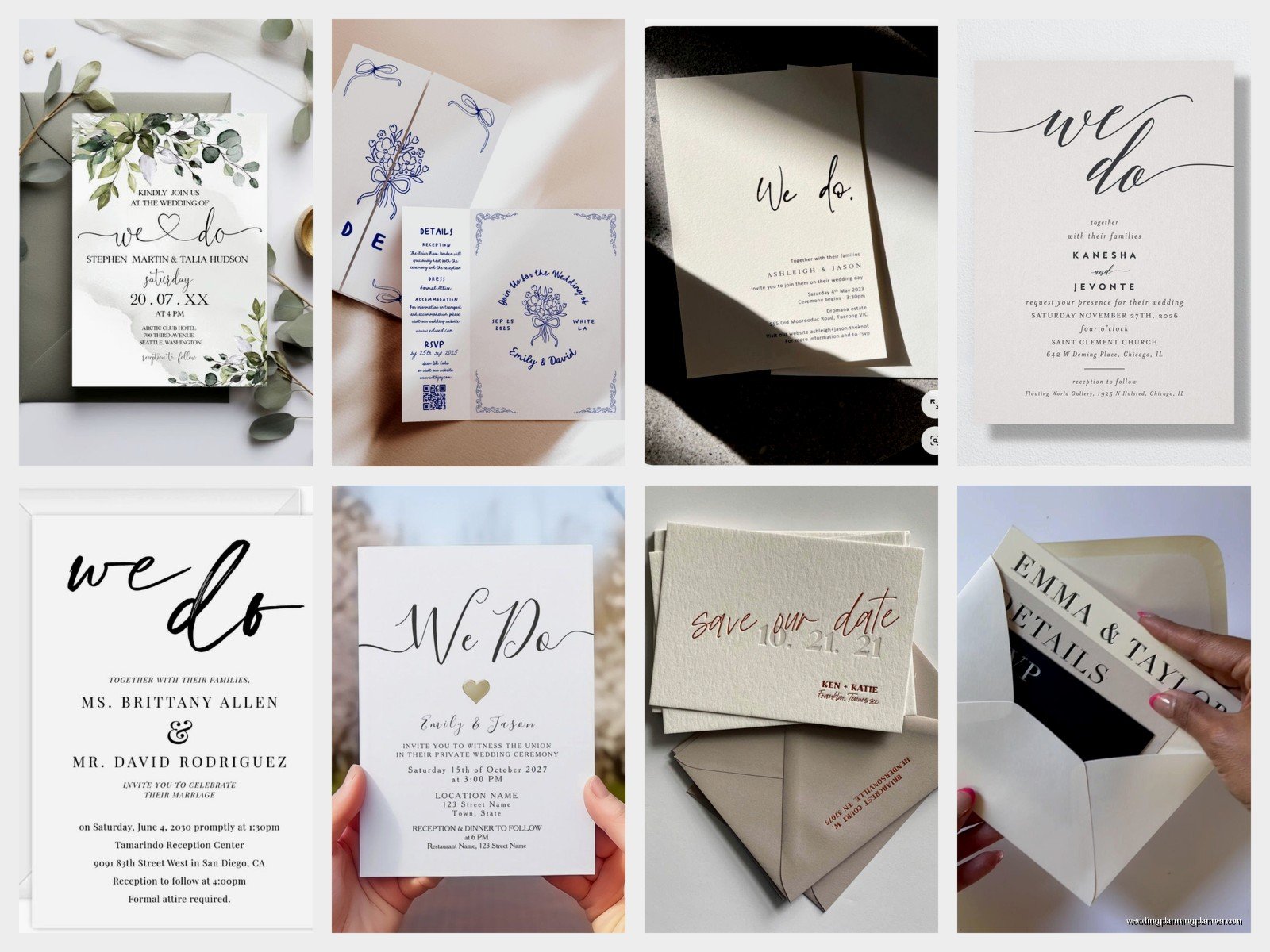
First thing you gotta figure out is what makes your custom design service actually different from the 47,000 other invitation designers out there. And no, “attention to detail” doesn’t count because literally everyone says that. Think about whether you specialize in a particular style—maybe you’re really good at watercolor florals, or you love doing minimalist modern stuff, or you’re obsessed with Art Deco geometrics. You don’t have to pick just one style forever, but you need some kind of throughline that makes sense when someone looks at your portfolio.
Naming Your Service (If You Haven’t Already)
If you’re still figuring out what to call your business, keep it simple. I’ve seen people try to get too clever with names and it just… doesn’t work. “The Invitation Emporium of Elegant Affairs” is gonna be impossible for people to remember or type into Instagram. Your name should tell people what you do or at least not confuse them. Hart Paperie works for me because it’s my last name plus a fancy word for paper stuff. Done.
Also think about whether you want your own name in there versus something more generic. Using your name makes it personal but also means you can’t really sell the business later if you wanted to, which honestly I never thought about until someone pointed it out to me at a networking thing and it annoyed me for weeks.
Your Visual Brand Identity
Okay so this is where you need to actually make decisions and stick with them. Pick 3-5 colors that represent your brand. Not your favorite colors necessarily—colors that make sense for the weddings you want to book. I use a soft sage green, cream, a dusty rose, and then navy as an accent because it grounds everything. These colors show up on my website, my own business cards, my Instagram templates, everything.
Fonts matter more than you think. You need maybe two fonts max—one for headings and one for body text. Make sure they’re readable. I cannot tell you how many invitation designers use these super swirly script fonts for everything and then couples can’t even read the designer’s name or contact info. Get a nice serif or sans serif for your main text and then if you want something fancier for accents, fine, but keep it legible.
Your logo doesn’t have to be complicated. Mine is literally just my business name in my brand font with a tiny envelope illustration. That’s it. I spent like $200 on Fiverr for it back when I was starting out and it’s been fine. You can always upgrade later when you have more money, but don’t let “I don’t have the perfect logo yet” stop you from actually getting clients.
Defining Your Design Process
This is the part that actually matters for your brand because it’s the experience couples have working with you. Map out exactly what happens from the moment someone inquires to when they receive their final invitations. Like, step by step:
- Initial inquiry and response (how fast do you respond? what do you send them?)
- Consultation call or meeting (in-person, Zoom, phone?)
- Proposal and contract
- Deposit and design questionnaire
- First design concepts (how many do you show?)
- Revision rounds (how many included?)
- Final approval and print coordination
- Delivery or pickup
Being clear about this process IS your brand. When I finally wrote all this down and started sending new clients a “What to Expect” PDF, everything got so much easier. People knew what was coming next, I wasn’t answering the same questions over and over, and I looked way more professional.
Pricing Strategy and Packages
Here’s what drives me absolutely crazy—designers who don’t put any pricing info anywhere and make you fill out a form and wait 3 days just to find out they charge $8,000 for a suite and you only have a $400 budget. Just give people a starting point. You don’t have to list exact prices for every possible scenario, but say something like “Custom invitation suites start at $X for X guests” or show package tiers.
I do three main package levels:
Essential Custom (invitation and RSVP card, digital design, they handle printing), Full Suite (invitation, RSVP, details card, envelopes, I coordinate printing), and Complete Experience (everything plus save the dates, programs, menus, signage, whatever they want). Having these tiers makes it easier for people to understand options without you having to create a custom quote for every single person who emails you at 11pm on a Saturday.
Don’t undercharge because you’re scared. I did that for my first year and it was miserable. Figure out your actual time and costs, then add your profit margin. If you’re spending 15 hours on a custom suite and charging $300, you’re making like $20/hour before expenses and that’s not sustainable. You’re offering a luxury service for one of the most important days of someone’s life—price accordingly.
Your Brand Voice and Messaging
How do you talk to couples? Are you super formal and traditional? Casual and friendly? Somewhere in between? This should be consistent across your website, emails, social media, everything. I’m pretty casual and conversational (obviously), and that filters through to how I write email responses and Instagram captions. It means I attract couples who want that kind of relationship with their vendors, not people who want someone to call them “Mr. and Mrs. Smith” in every email.
Write down some key phrases or messages that are important to your brand. For me it’s stuff like “your invitations should feel like you, not like everyone else’s wedding” and “custom doesn’t have to mean complicated” and “good design makes your guests actually excited to open the envelope.” These phrases guide what I write about and how I present my work.
Portfolio Presentation
Your portfolio is basically your entire brand showcase so it needs to be good. Only show your best work—I know you’re proud of that suite you did in 2019 but if the photo quality is bad or the design doesn’t represent where you are now, cut it. Better to have 8 amazing projects than 25 mediocre ones.
Photograph everything professionally if you can. During spring 2023 I finally hired a product photographer to reshoot my five best suites and it completely changed how my work looked online. If you can’t afford that yet, learn to do it yourself—natural light, simple backgrounds, styled with ribbons or florals or whatever makes sense. My cat knocked over an entire invitation setup once right before I was gonna photograph it and I just… had to laugh because what else can you do.
For each portfolio piece, tell the story. Who were the couple? What was their vision? What challenges did you solve? What made this design special? People connect with stories, not just pretty pictures.
Online Presence Basics
You need a website. It doesn’t have to be fancy but it needs to exist and work on phones. Include your portfolio, your process, some kind of pricing info, an about page with your photo (people want to see who they’re working with), and a contact form. That’s literally the minimum.
Instagram is probably your most important social platform for this business unless you’re going for like, super traditional formal clients who might be more on Facebook or Pinterest. Post your work regularly, show behind-the-scenes stuff, share client testimonials, do some educational content about invitation etiquette or paper types or whatever. The algorithm changes every five minutes so don’t stress too much about it, just be consistent.
Consider starting an email list early. I waited way too long to do this and I regret it. Even if you just send a monthly newsletter with recent work and maybe a design tip, it keeps you in people’s minds. Plus you own your email list—if Instagram disappears tomorrow or changes everything, you still have those contacts.
Setting Boundaries and Expectations
This is part of your brand even though it doesn’t seem like it. How you handle revisions, rush orders, difficult clients—all of that creates your reputation. Be clear in your contracts about what’s included and what costs extra. I learned this the hard way when a bride asked for “just a few small changes” that turned into completely redesigning the suite three times and I hadn’t specified revision limits in my contract.
Decide on your working hours and communication preferences. Do you answer emails on weekends? Do you take calls or only do email and scheduled Zoom meetings? I only check email during business hours now and I have an auto-responder that tells people I’ll get back to them within 24 hours on weekdays. It’s saved my sanity.
Also figure out what you will and won’t design. I don’t do super religious ceremony programs anymore because I kept getting asked to include specific prayers and readings that didn’t align with my values, and it felt weird to take money for something that made me uncomfortable. You’re allowed to have boundaries about what projects you take on.
Partnerships and Networking
Your brand gets stronger when you align yourself with other wedding vendors who share your aesthetic and values. Build relationships with wedding planners, photographers, venues, florists. They can refer clients to you and vice versa. I get probably 40% of my clients from planner referrals at this point.
Join local wedding vendor groups, go to networking events even though they’re kinda awkward, collaborate on styled shoots if that’s your thing. The wedding industry is weirdly small and interconnected, and having a good reputation among other vendors matters just as much as having happy couples.
Templates vs. Fully Custom
You gotta decide where you fall on this spectrum. Are you offering 100% custom designs created from scratch for each couple? Are you working from templates that you customize? Some hybrid? All of these are valid business models, but your brand should be clear about what you’re offering.
I do semi-custom—I have about 20 design starting points that couples can choose from, and then we customize colors, fonts, layout, wording, add custom illustrations if they want, whatever. It gives structure to my process so I’m not starting from a blank page every time (which honestly can be paralyzing), but couples still get something that feels unique to them. Some designers think this is cheating or whatever but it works for my business and my sanity so…
Handling The Production Side
Are you printing in-house or outsourcing to a print shop? This affects your brand positioning and pricing. I work with two different printers depending on the project—one for letterpress and fancy stuff, one for digital printing on nice cardstock. I markup the printing costs and handle all the coordination so couples don’t have to deal with it, which is part of my service value.
If you’re doing digital-only designs where couples take the files to print themselves, make sure that’s super clear in your marketing. There’s nothing wrong with this model (and it’s way less stressful honestly), but couples need to know what they’re getting.
Brand Materials You Actually Need
Get yourself some good business cards—yes people still use these at wedding shows and networking events. Have a PDF welcome packet you can send to inquiries. Create an Instagram highlight cover set that matches your brand. Make a Canva template for client questionnaires and mood boards so everything looks cohesive. Get a professional email address with your domain name, not like weddingstuff247@gmail.com.
You might want printed samples of your work to show at consultations. I have a small portfolio box with maybe 10 different invitation suites that I bring to in-person meetings. It helps couples understand paper weights and printing techniques in a way that photos online just can’t convey.
Eventually you might want to invest in brand photography—photos of you working, your desk setup, your hands arranging invitations, that kind of thing. Stock photos are fine when you’re starting out but having real photos of your actual business makes everything feel more authentic and you’re gonna need content for social media anyway
