
Planning Guides, Style Guide
Wedding Coordinator Cost: Service Pricing Breakdown
Mar
What Wedding Coordinators Actually Charge (And Why It’s All Over the Map)
So wedding coordinator pricing is honestly kinda all over the place and I’m gonna break down why that is and what you’re actually paying for. Most couples think a coordinator just shows up on the day and tells people where to stand but there’s like… so much more happening behind the scenes that nobody sees.
The Three Main Service Levels
First thing – coordinators usually offer three tiers of service and the prices are wildly different depending on which one you pick. There’s day-of coordination (which is actually a terrible name because it’s never just the day-of), partial planning, and full-service planning. I had this bride in spring 2023 who kept insisting she only needed “day-of” help and got SO frustrated when I explained I’d still need to meet with her like 3-4 times before the wedding and spend hours on her timeline. She thought day-of meant I’d just show up that morning with no prep.
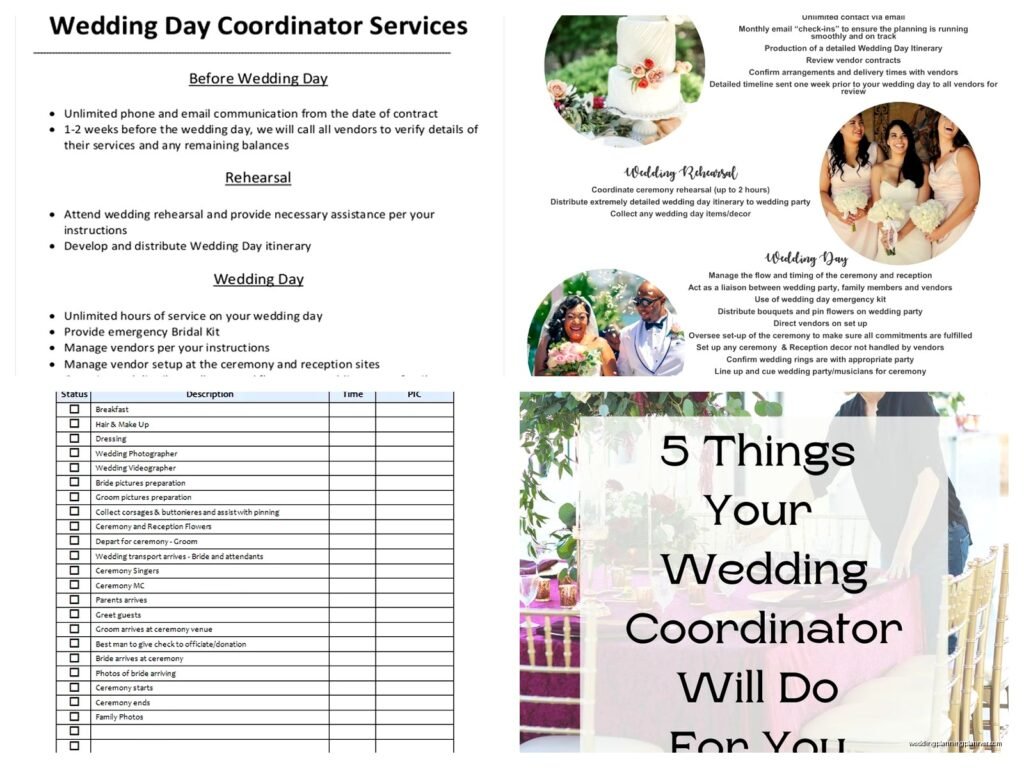
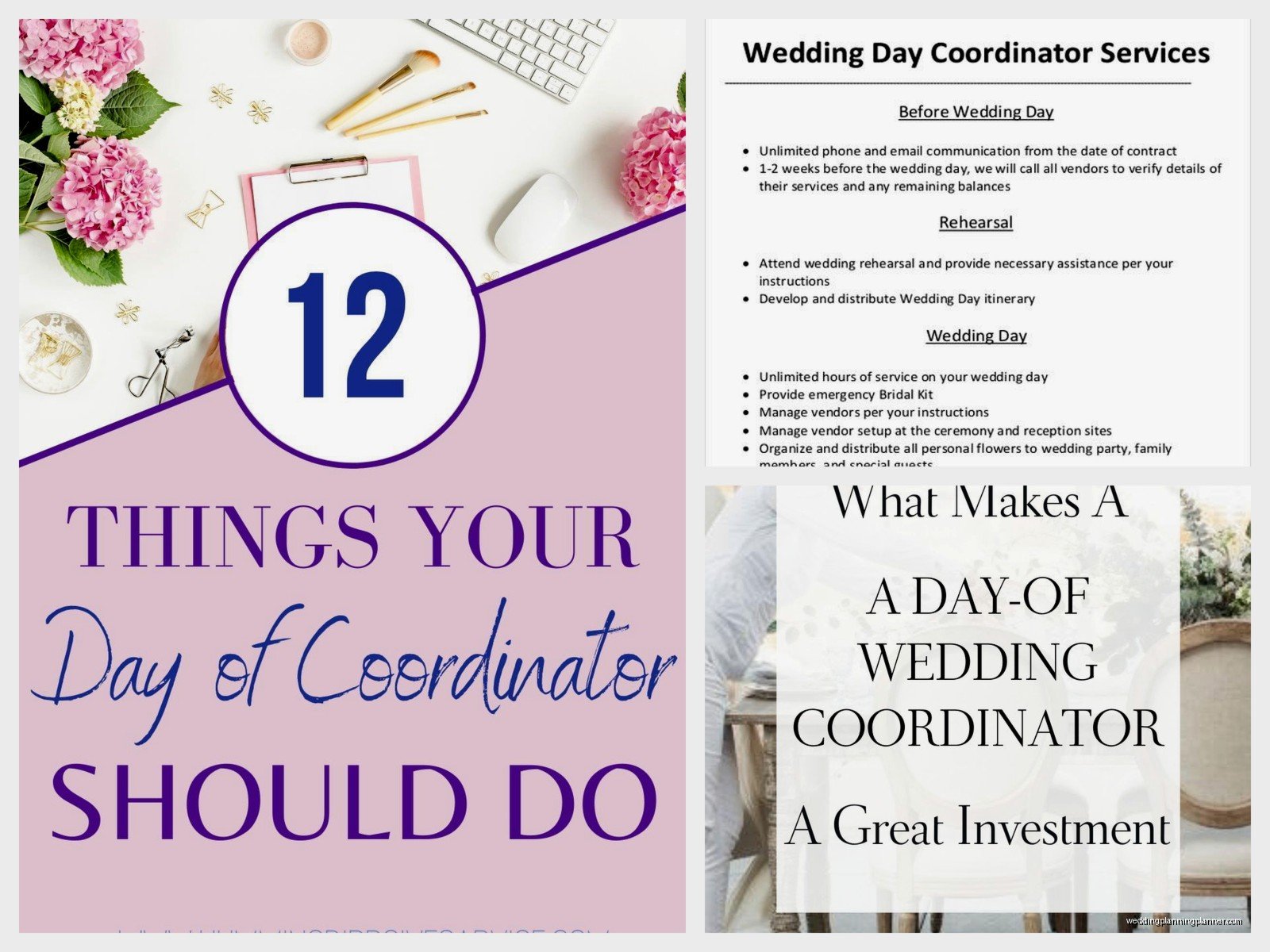
Day-of Coordination: This typically runs between $800-$2,500 depending on your location. In major cities like NYC or LA you’re looking at the higher end or even more. What you’re getting is usually one or two planning meetings about 4-6 weeks before the wedding, unlimited email support during that time, timeline creation, vendor coordination in the final weeks, rehearsal attendance, and then 8-12 hours of coverage on the actual wedding day. Some coordinators include an assistant at this level and some don’t.
Partial Planning: This is where I spend most of my time honestly, and it runs $2,500-$6,000 usually. You get involved maybe 4-6 months before the wedding. I help with vendor recommendations, contract reviews, budget management, design concepts, and all that day-of stuff too. It’s for couples who already booked their main vendors but need someone to pull everything together and make sure nothing falls through the cracks.
Full-Service Planning: The big one. $5,000-$15,000+ and sometimes coordinators charge a percentage of your total budget instead (usually 10-20%). You’re hiring someone from the very beginning – like right after you get engaged. Venue selection, all vendor sourcing and booking, complete design, budget creation and tracking, guest list management, the works. I’ve done full planning for weddings that were $30k and ones that were $150k and the percentage model made way more sense for the expensive ones because the amount of work actually does scale up.
What Actually Affects The Price
Location is HUGE. I’m based in a mid-sized market and my prices are pretty moderate but my friend who coordinates in San Francisco charges literally double what I do for the same services. Cost of living, market rates, competition – it all factors in. A coordinator in rural Montana is gonna charge different rates than someone in Miami.
Experience matters too obviously. Someone who’s been doing this for 15 years and has coordinated 200+ weddings can charge more than someone in their second year. You’re paying for the fact that they’ve seen every possible disaster and know how to fix it. When the cake doesn’t show up or the groom’s suit is the wrong color or it starts pouring rain, experienced coordinators don’t panic.
Guest count affects pricing sometimes. A 50-person intimate wedding requires less logistics management than a 300-person celebration. More guests means more timeline complexity, more vendor coordination, more potential problems. Some coordinators have pricing tiers based on guest count and some just have a flat rate.
The number of events also changes things. If you’re having a welcome party, the wedding day, and a farewell brunch, that’s three separate events that need coordination. Most coordinators will charge extra for additional events – usually like $500-$1,500 per event depending on complexity.
Hidden Costs That Surprise People
Okay so this is the part that annoys me because couples get shocked by things that seem obvious to me but I guess aren’t common knowledge? Travel fees are real. If your venue is more than like 30 miles from the coordinator’s home base, you’re probably paying mileage or a flat travel fee. For destination weddings this can be substantial – flights, hotel, meals, travel time.
Overtime charges are standard. Most packages include 8-10 hours of coverage on the wedding day. If your reception goes longer than that, you’re paying extra. Usually $100-$200 per hour for overtime. I once had a wedding that was supposed to end at 11pm but the couple wanted the coordinator to stay until the 2am after-party ended and they were shocked at the additional $600 charge like… that’s five extra hours?
Setup and breakdown time might cost extra if it’s extensive. Basic setup like placing escort cards or lighting candles is usually included but if you want your coordinator to spend four hours setting up an elaborate DIY centerpiece situation, that’s often an additional fee.
Rush fees are a thing too. If you’re hiring a coordinator less than 3-4 months before your wedding, expect to pay 15-25% more because they’re gonna have to shuffle their schedule and compress a lot of work into a short timeframe.
What You’re Actually Paying For (Besides The Obvious)
The visible work is just the tip of the iceberg honestly. For every hour a coordinator spends at your wedding they’ve probably spent 3-5 hours on behind-the-scenes work you never see. Reading and analyzing vendor contracts to make sure everything matches what you discussed. Creating detailed timelines that account for travel time, photo locations, sunset timing, and forty other variables. Doing venue walkthroughs to map out logistics. Attending tastings and meetings with you.
Email management alone is like… I spent probably 20-30 hours just on emails for an average wedding. Coordinating between six or eight different vendors, answering the couple’s questions, following up on details, confirming arrival times, sending reminders. It’s endless.
The emergency kit that coordinators bring is something couples don’t think about until they need it. I’ve got a massive bin with sewing supplies, stain remover, safety pins, bobby pins, pain relievers, antacids, bandaids, double-sided tape, tissues, mints, and probably fifty other things. That stuff costs money to stock and maintain but it’s saved the day so many times – oh my cat actually knocked over my emergency kit last week and I’m still finding bobby pins all over my office, totally random but anyway.
Problem-solving in real-time is what you’re really paying for. Summer 2021 I had a wedding where the florist showed up with completely wrong flowers – like the bride ordered romantic garden roses and they brought modern tropical arrangements. I had to send my assistant to three grocery stores to buy every white and pink flower they had while I kept the bride distracted during photos. We remade the centerpieces in 45 minutes and she never knew there was a problem until I told her months later. THAT is what you’re paying for.
Different Pricing Models You’ll See
Flat-fee pricing is most common. You pay one set amount for a specific package of services. Easy to understand and budget for. This is what I use for most of my services because couples appreciate knowing exactly what they’re paying upfront.
Percentage-based pricing is when the coordinator charges a percentage of your total wedding budget. This really only makes sense for full-service planning on higher-budget weddings. The logic is that a $100k wedding requires more vendor management and complexity than a $30k wedding but honestly I’ve found that’s not always true? Sometimes simpler weddings are more work because there’s less money to throw at problems.
Hourly rates are less common but some coordinators offer à la carte services billed hourly. Usually $75-$200 per hour depending on experience and location. This can be good if you just need help with specific tasks like vendor sourcing or timeline creation but don’t want a full package.
Retainer plus hourly is another model where you pay a retainer upfront (like $1,500) and then get billed for actual hours worked. I’m not a huge fan of this because it makes budgeting harder for couples and there’s always awkwardness about what counts as billable time.
How To Know If You’re Getting A Fair Price
Get quotes from at least three coordinators in your area to understand the market rate. If everyone is quoting $2,000-$3,000 for day-of coordination and someone quotes you $800, that’s a red flag about experience level or what’s actually included. Same if someone quotes $6,000 when everyone else is around $2,500 – you gotta ask what extra services justify that price difference.
Look at what’s specifically included in the package. Some coordinators include an assistant and some charge extra for that. Some include unlimited communication and others cap the number of meetings or emails. Some include rehearsal attendance and others don’t. The devil is in the details and you need to compare apples to apples.
Ask about their vendor relationships. Coordinators who’ve worked with your venue and vendors before can be more efficient because they already know the spaces and the people. That experience has value even if it’s hard to quantify.
Check if there’s liability insurance. Professional coordinators should carry business liability insurance and some venues actually require it. If a coordinator doesn’t have insurance that’s… concerning and might mean they’re not operating as a legitimate business.
When It’s Worth Paying More
Complex venues justify higher coordination costs. If you’re getting married at a blank-slate venue where everything has to be brought in – tables, chairs, linens, lighting, generators, bathrooms – you need someone experienced with that type of setup. It’s way more complicated than a country club that has everything onsite.
Difficult family dynamics are worth paying for experienced help. If your parents are divorced and hate each other or there’s family drama that needs managing, a skilled coordinator can run interference and keep things smooth. I’ve literally been a buffer between feuding family members so many times and it’s exhausting but valuable.
Unique or DIY-heavy weddings need more coordination time. If you’re doing a ton of DIY projects or have specific cultural traditions or want something really outside-the-box, you need a coordinator who can adapt and problem-solve creatively. That expertise costs more.
Destination weddings always cost more because of the travel involved and because coordinating from a distance is harder. You’re paying for the coordinator to do site visits, build relationships with local vendors they haven’t worked with before, and navigate unfamiliar territory.
Ways To Save Money On Coordination
Book early. Some coordinators offer early-bird discounts if you book like a year or more in advance. Doesn’t hurt to ask about it.
Off-season weddings sometimes come with lower coordination fees. Friday or Sunday weddings might be cheaper than Saturday. November through March (except holidays) is typically slower and you might get a better rate.
Month-of coordination instead of day-of. Wait this sounds backwards but hear me out – some coordinators have realized that “day-of” is misleading and they’re doing a month of work anyway so they’ve just rebranded to “month-of coordination” at the same price point. But then other coordinators actually offer a stripped-down day-of service that’s just the wedding day with no meetings beforehand and you handle your own timeline… it’s honestly confusing and I don’t love how inconsistent the terminology is across the industry.
Limited-hour packages can save money. Instead of 10 hours of coverage maybe you only need 6 hours if your wedding is shorter or simpler. Ask if that’s an option.
Skip extra services you don’t need. If the coordinator offers rehearsal attendance but your venue is doing the rehearsal walkthrough anyway, see if you can remove that and reduce the price. Same with setup services if your venue or other vendors are handling setup.
Red Flags In Pricing
Prices that seem too good to be true usually are. If someone is charging $400 for day-of coordination they’re either brand new, not including critical services, or not gonna give you the attention you need because they’re taking on too many weddings to make up for the low prices.
Unclear contracts that don’t specify exactly what’s included are a problem. You should have a detailed contract that lists every service, the number of hours, what costs extra, cancellation policies, payment schedule – everything in writing.
Coordinators who won’t give you a clear price until after a meeting are sometimes trying to size up your budget and adjust their prices accordingly which feels kinda sketchy to me. I give price ranges upfront on my website so people know generally what to expect.
No payment schedule is weird. Professional coordinators typically do a deposit (25-50%) to book, another payment halfway through the planning process, and final payment a few weeks before the wedding. If someone wants everything upfront or is super casual about payment terms that’s not professional.
What Costs Extra Almost Always
Additional events like I mentioned before. Welcome parties, rehearsal dinners, day-after brunches – these are separate coordinated events.
Extra planning meetings beyond what’s included in the package. Most packages include a set number of meetings and charge for additional ones.
Vendor sourcing and contract negotiation sometimes costs extra especially if you’re doing partial planning but want help finding specific vendors.
Design services might be separate from coordination. Creating mood boards, sourcing rentals, designing the overall aesthetic – some coordinators include this and some charge separately for it.
Setup crew or day-of assistants might cost extra. I include one assistant in my packages but if someone needs two assistants for a large wedding that’s an additional fee.
The pricing for wedding coordination is honestly less standardized than it should be and it makes shopping around confusing for couples but now you know what questions to ask and what’s actually reasonable for your area and wedding type. The main thing is understanding what work is actually involved because it’s so much more than just showing up on the day and honestly that misconception is what… anyway I could rant about that forever but you get the point about why the prices are what they are and what you’re actually getting for your money
