Planning Guides, Style Guide
Wedding Layout Design: Complete Guide
Apr
Okay so wedding layout design is basically the blueprint of your entire day
The layout determines where people sit, how they move, where they eat, where they cry during toasts, all of it. And honestly this is where I see couples mess up the most because they’re thinking about flowers and cake and forget that Aunt Susan needs somewhere to actually put her plate down.
First thing you gotta understand is that layout isn’t just about tables. It’s traffic flow, sightlines, acoustics kinda, and making sure your photographer can actually move around without photobombing every single moment. I learned this the hard way in summer 2021 when I had a bride who insisted on this super tight layout because she wanted “intimacy” but what we got was servers bumping into guests and the videographer literally trapped in a corner for the first dance.
Start With Your Venue’s Actual Dimensions
You need the floor plan. Not the pretty marketing one, the actual measurements. I cannot stress this enough because venues will send you these gorgeous PDFs that make everything look spacious and then you show up and there’s a structural column right where you planned the sweetheart table.
Measure or get measurements for:
- Total square footage of your ceremony and reception spaces
- Ceiling height (matters for tall centerpieces and draping)
- Location of doors, windows, columns, stages, dance floors if permanent
- Where the kitchen is and where servers will enter/exit
- Electrical outlet locations because you’ll need them
- Any areas that are off-limits or have restrictions
Then you need to know what’s coming into that space. Your rental company should give you dimensions for tables, chairs, bars, etc. Standard round tables are usually 60″ (seats 8-10) or 72″ (seats 10-12), but some couples do 48″ rounds or long farmhouse tables or whatever’s trendy that year.
Ceremony Layout Is Deceptively Tricky
Most people think ceremony layout is easy but it’s actually where you can really screw up guest experience. You want everyone to see and hear, which sounds obvious but then you get creative with your aisle placement and suddenly half your guests are staring at profile views.
The standard setup is chairs in rows facing an altar/arch/backdrop with a center aisle. This works. It’s been working for decades. But if you wanna get fancy:
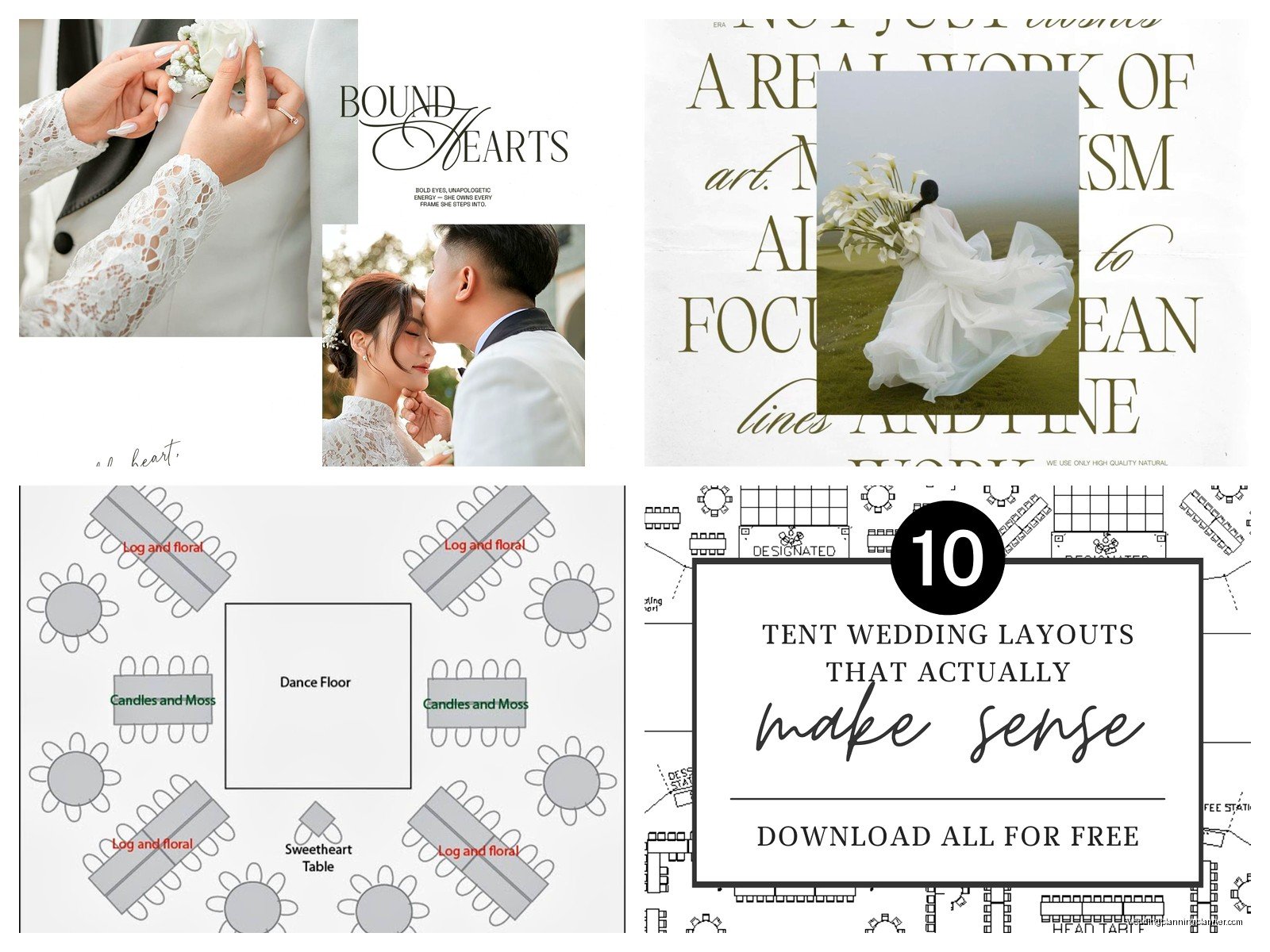
- Circular arrangements with the couple in the middle (looks cool, half the guests see your back)
- Theater-style with a wider aisle (gives dramatic entrance vibes)
- Semi-circle or curved rows (actually pretty good for sightlines)
- Two aisles with three sections of chairs (good for very wide spaces)
Leave at least 24″ between chair rows so people can actually sit down without doing that awkward shimmy. Your aisle should be minimum 4 feet wide, ideally 6 feet if you’ve got a big dress or want parents to walk you down together.
One thing that really annoys me is when couples forget about the officiant’s sight lines. Your officiant needs to see both of you clearly, and also needs space to stand without blocking the photographer. I’ve seen officiants literally squeezed into corners or standing on unstable platforms because nobody thought about where they’d actually go.
Reception Layout Strategies That Actually Work
Okay so reception layout is where I earn my fee honestly. You’ve got competing needs: people need to eat, dance, socialize, see the couple, hear toasts, and move around without feeling like they’re in a maze.
The biggest mistake is putting tables too close together. You need minimum 5 feet between table edges for chairs to pull out and for people to walk behind seated guests. I usually plan for 6 feet when possible because servers need room to carry trays and also people gain weight… okay that sounds bad but like, the space calculations assume everyone is average sized and that’s just not reality.
Table Arrangement Options
You’ve basically got a few standard layouts and then variations:
Traditional Ballroom Style: Rounds scattered throughout the space, dance floor in the middle or to one side, head table or sweetheart table at the front. This is what most people do because it works. Guests can see each other at their table, you can mix up the seating, and traffic flow is pretty straightforward.
Long Tables/Farmhouse Style: Those Instagram-worthy long tables that everyone wants. They photograph beautifully and create a communal vibe, but honestly they’re harder to manage. You need a really specific space ratio, and people at the ends can feel isolated. Also if you’ve got speeches happening, half your guests are turning around in their chairs which gets uncomfortable.
Mixed Table Sizes: Some rounds, some long tables, maybe some high-tops for cocktail-style seating. This can look really cool and dynamic but it’s a planning nightmare for seating charts. You’re gonna drive yourself crazy trying to figure out who sits where when tables hold different numbers.
The Dance Floor Situation
Dance floor placement is something people underestimate until they’re at their wedding and nobody’s dancing because the floor is in a weird corner. You want the dance floor visible from most tables, near the DJ/band, and honestly kinda central to the energy of the room.
Size-wise, plan for about 3-4 square feet per guest, but realistically only like 30-40% of your guests will dance at any given time. So for 150 guests, you’d want roughly a 15×15 or 16×16 dance floor. Some venues have permanent floors which is great, otherwise you’re renting.
Don’t put the dance floor right next to the… wait actually my cat just knocked over my coffee and I need to say that if you have pets, keep them away from your planning materials because Mr. Whiskers has now destroyed three different floor plans and I’m running out of patience.
Where Does Everything Else Go
Right so you’ve got tables and a dance floor but there’s so much more stuff:
Head Table or Sweetheart Table: If you’re doing a head table with your wedding party, you need a long table (usually 8ft for every 4-6 people) and it should face the room so everyone can see you. Sweetheart tables are just for the couple and take up way less space. I personally like sweetheart tables because your wedding party can actually sit with their partners/friends and relax instead of being on display, but that’s just me.
Gift Table: Needs to be visible but not in the way of traffic. Near the entrance is traditional but make sure it’s secure and someone’s keeping an eye on it. I had a wedding in spring 2023 where we put the gift table too far from the main room and someone literally walked off with like six cards. Still feel guilty about that one.
Dessert/Cake Table: If you’re doing a dessert display instead of plated dessert, this needs significant space and should be accessible from multiple sides so you don’t get a traffic jam. The cake itself can be on this table or separate as a focal point.
Bar(s): This is crucial for flow. One bar for under 75 guests is usually fine. Over that, you really want two bars on opposite sides of the room to spread out the crowds. Bars need approach space and standing room around them. Don’t tuck bars into corners where lines will block doorways or create bottlenecks.
Photo Booth/Guest Book/Activities: These go in “dead space” areas that aren’t prime real estate. Near restrooms, in a foyer, along a wall that doesn’t have tables. Just make sure they’re not so hidden that nobody finds them.
Traffic Flow Is Everything
Okay this is gonna sound boring but traffic flow makes or breaks a reception. You want clear pathways from entrance to tables, tables to dance floor, dance floor to bar, everything to restrooms. The main walkways should be at least 6 feet wide ideally.
Think about how servers will move. They need clear paths from kitchen to all tables without squeezing between guests. If servers are constantly saying “excuse me” and bumping chairs, your layout is too tight.
Also consider what happens during different parts of the night. During dinner, people mostly stay seated. During dancing, everyone’s moving around. You might need to adjust or remove some tables after dinner to open up space, which some couples do for the cocktail tables or extra seating.
Sightlines Matter More Than You Think
Everyone should be able to see the important moments without craning their necks or standing up. This means:
- Your head table or sweetheart table should be elevated slightly or against a wall/backdrop so it’s visible
- The cake cutting area needs to be in a spot where most guests can see
- First dance should be on the dance floor obviously but consider which direction you’ll face
- If you’re doing speeches, think about where the mic will be and whether everyone can see the speakers
I once had a couple who wanted their sweetheart table in the literal center of the room surrounded by guest tables and it was a disaster because nobody could see them and it created this weird energy where they felt like zoo animals. We ended up moving it after cocktail hour.
Using Layout Software or Going Old School
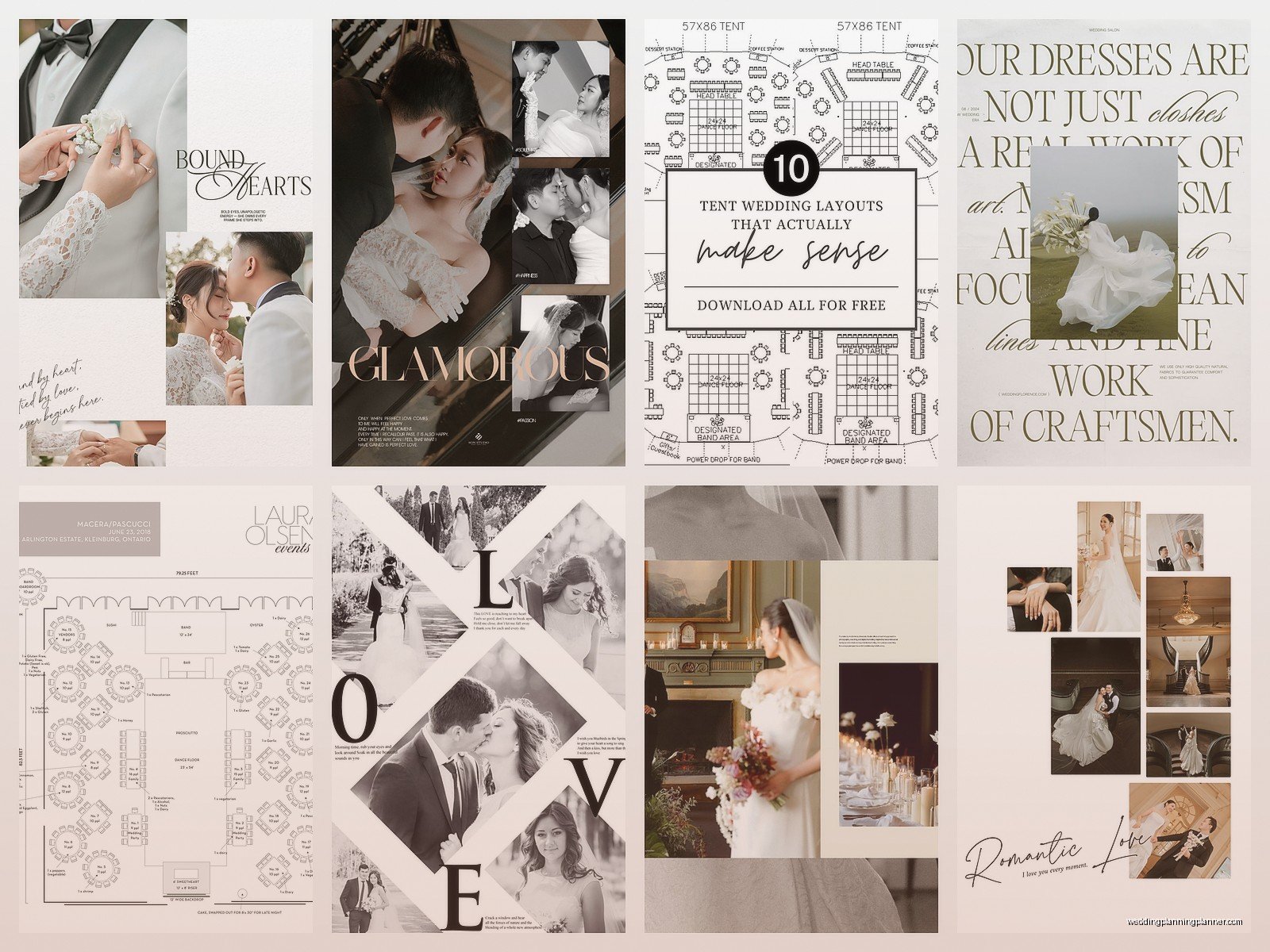
You can plan layouts digitally or with actual paper. I use a mix of both honestly. There’s software like AllSeated or Social Tables that lets you drag and drop tables and see everything to scale. It’s super helpful and you can share the layout with your planner, venue, and vendors.
But sometimes I still sketch things out on graph paper because it’s faster for brainstorming. Either way, you need to work to scale or nothing will translate to reality.
Common Layout Mistakes I See All The Time
Putting the dance floor too far from the bar. People flow between these two spaces all night and if they’re on opposite ends of the room, it feels disjointed.
Forgetting about the band or DJ setup. They need space for equipment, speakers, sometimes a stage. And they need power. And they need to not be directly in front of a table where guests will go deaf.
Not planning for the unexpected like wheelchair accessibility, strollers, guests who need to leave early and need a clear exit path, or even just where people will put their coats and bags.
Overestimating how much space you have. Everything looks bigger when it’s empty. Once you add tables, chairs, people, a dance floor, bars, and all the other stuff, rooms shrink fast.
Not doing a walkthrough. You gotta physically walk through your planned layout if possible, or at least visualize it step by step. Where do guests enter? Where do they go first? How do they find their table? Can they get to the restroom without a complicated journey?
Special Considerations for Different Venue Types
Outdoor Weddings: You need to account for weather protection (tent?), uneven ground, where the sun will be at different times, wind direction for candles or decor, and how far things are spread out. Outdoor layouts often need to be more spread out because you have the space, but then you need to think about how elderly guests will walk longer distances.
Barns and Rustic Venues: These often have weird dimensions, low beams, or structural elements you have to work around. The “charm” of these spaces can actually make layout harder because nothing’s standard.
Restaurant or Small Venues: You’re working with limited space and often fixed elements. The challenge here is making every inch count without making it feel cramped. Sometimes you have to get creative with table shapes or skip certain elements entirely.
Ballrooms: Usually the easiest because they’re designed for events, but they can feel generic or too spacious. You might need to create zones or use decor to make a huge ballroom feel more intimate.
Working With Your Vendors on Layout
Your caterer needs the layout to plan service flow. Your florist needs it to know what size centerpieces work. Your lighting designer needs it to place uplights and spotlights. Your DJ needs it to position speakers. Your photographer needs it to plan shots and know where they can stand.
Share your layout with everyone early and ask for feedback. Your caterer might tell you that your bar placement will create service issues. Your DJ might point out that speakers near certain tables will be too loud. Listen to them because they do this every weekend.
Also make sure your layout is finalized at least a month before the wedding because changing it last minute affects everyone and everything. I know you’ll want to tweak it right up until the day, but at some point you gotta commit.
Final Layout Tips From Someone Who’s Seen It All
Test your layout if you can. Some venues will let you do a mock setup or at least mark out table positions with tape so you can see it in person. This is incredibly helpful.
Build in buffer space. If you think tables are close enough, add another six inches. If you think the pathway is wide enough, make it wider. Space always feels smaller when it’s full of people.
Think about your guests’ experience from the moment they arrive to the moment they leave. Where’s the natural flow? Are there any awkward moments where they won’t know where to go or what to do?
Remember that your layout should support your priorities. If dancing is the most important thing, give the dance floor prime real estate. If you want an intimate dinner vibe, focus on table arrangements that encourage conversation. If you want epic photos, leave space for your photographer to work.
And honestly don’t stress too much because even if your layout isn’t perfect, people will adapt and the night will still be great. I’ve seen weddings with terrible layouts that were still amazing because everyone was happy and celebrating. But also like, why not try to get it right when you’re already putting in all this effort
