
Planning Guides, Style Guide
Reasonable Wedding Budget: Realistic Cost Planning
Apr
Okay So Here’s The Thing About Wedding Budgets Nobody Wants To Tell You
The average wedding in the US costs somewhere between $28,000 and $35,000 depending on which study you read but honestly that number is kinda meaningless because your wedding isn’t average and your financial situation definitely isn’t either. I had this couple in spring 2023 who came to me with a Pinterest board that would’ve cost like $80,000 to execute and they had $15,000 saved up and I just… we had to have a really honest conversation that day.
First thing you gotta do is figure out what you actually have to spend. Not what you wish you had or what your parents might contribute if you beg enough. Sit down with your partner and look at your actual bank accounts, your actual income, and decide what you can afford without going into debt that’ll stress you out for the next three years. I’m gonna be real with you – starting your marriage with $20,000 in credit card debt because you wanted uplighting and a raw bar is not the romantic choice you think it is.
The Brutal Math Part Nobody Likes
Take your total budget and multiply it by 0.10 – that’s your buffer for things going wrong because they will go wrong. Your florist will charge a delivery fee you didn’t know about or suddenly six more people RSVP yes when you thought they’d say no or… actually that happens more than you’d think. So if you have $20,000, you’re really working with $18,000 for planning purposes.
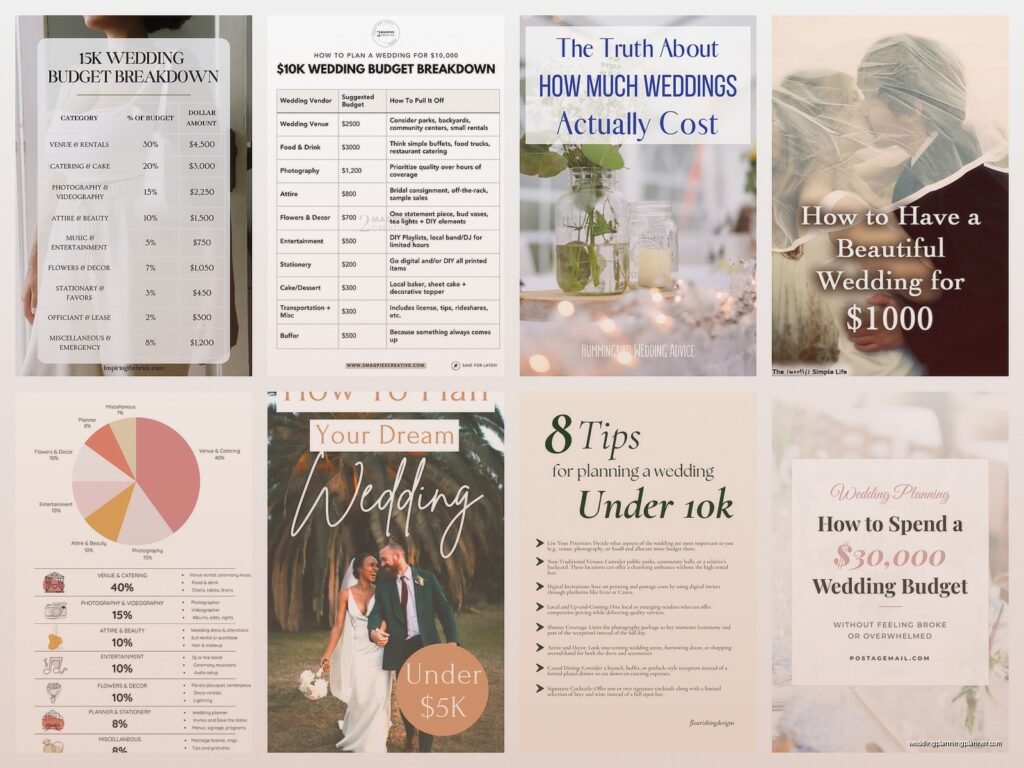
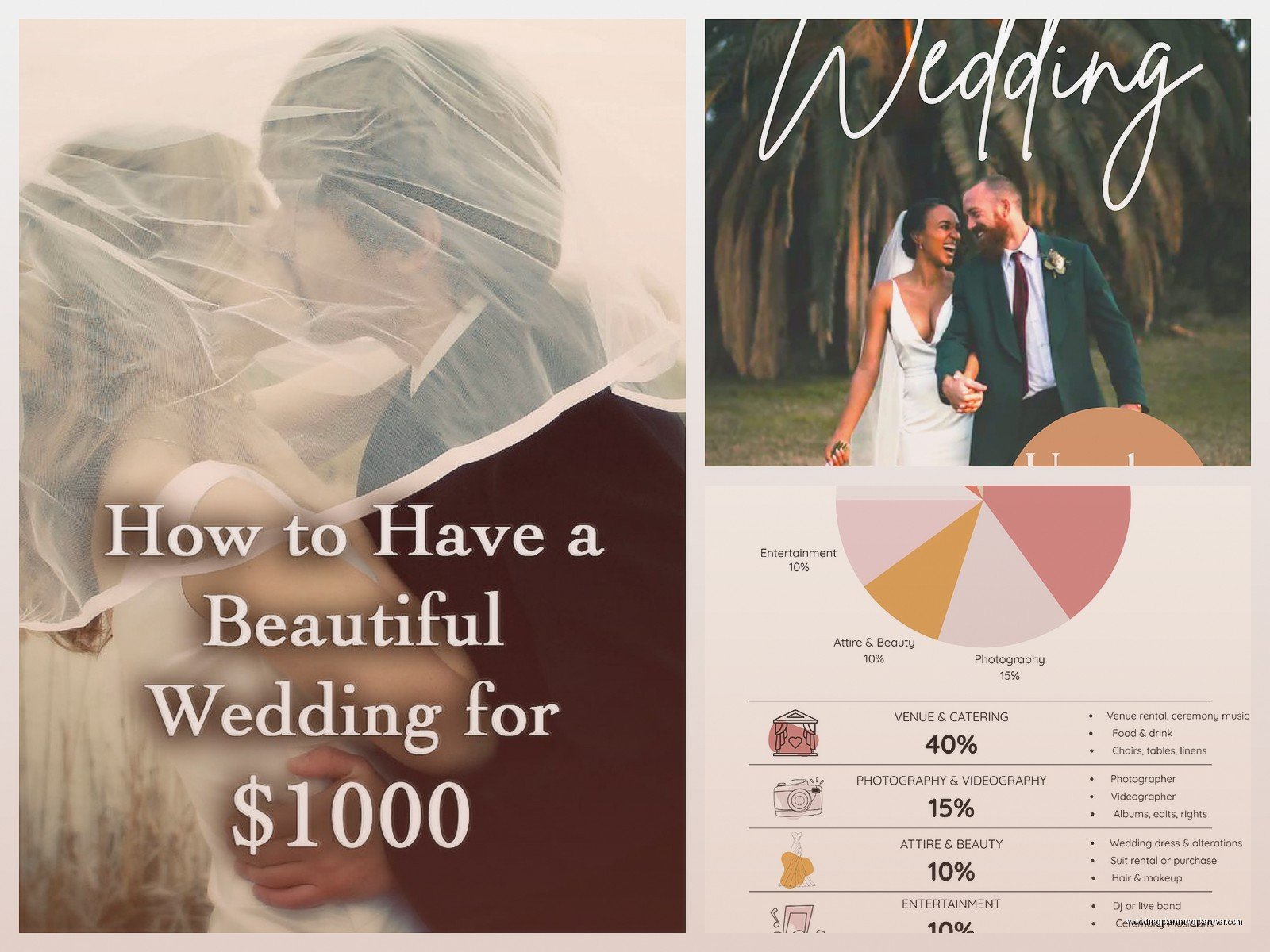
Here’s a breakdown that actually works in real life:
- Venue and catering: 40-50% of your budget (this is the big one, no way around it)
- Photography and videography: 10-15%
- Flowers and décor: 8-10%
- Attire and beauty: 8-10%
- Music and entertainment: 8-10%
- Invitations and stationery: 2-3%
- Miscellaneous (favors, transportation, tips, etc.): 5-8%
These percentages aren’t like rules from the universe or anything but they’re based on what I’ve seen actually work over like hundreds of weddings at this point. You can shift them around based on what matters to you but the venue/catering percentage is hard to shrink much because people need to eat and be somewhere.
What Actually Drives Up Costs
Guest count is everything and I mean EVERYTHING. Every single person you invite costs you money – food, drinks, chairs, tables, linens, invitations, favors if you’re doing those. I usually tell people to estimate about $150-250 per person for a standard sit-down dinner wedding depending on your location. In a big city you’re looking at the higher end or even more.
This is where people get themselves in trouble because they’re like “oh but we HAVE to invite my mom’s entire book club” and suddenly you’ve got 200 people instead of 100 and your budget just doubled. My cat knocked over my coffee while I was working on a seating chart last week and honestly the coffee spill was less stressful than trying to fit everyone’s must-invite lists into a reasonable budget.
The day of the week matters more than you think. Saturday weddings cost more for literally everything – venues charge more, photographers charge more, bands charge more. Friday or Sunday can save you 20-30% on some vendors. I know, I know, you want Saturday because that’s what everyone does but like… is that worth $5,000 to you? Maybe it is! Just decide consciously.
Season and Timing Stuff
Peak wedding season (May through October in most places) means higher prices. Vendors know they can charge more because demand is high. If you’re flexible, getting married in November through March can save you serious money. Not as much as it used to because “off-season” weddings are becoming more popular, but still.
Also time of day – brunch or lunch weddings are cheaper than dinner. People expect less food, the bar doesn’t need to be as extensive, and some venues charge less for daytime events. But you have to actually WANT a brunch wedding, not just do it to save money and then be sad about it on your wedding day.
Where You Can Actually Cut Costs Without It Looking Cheap
Okay so this is where my experience actually helps because I’ve seen what works and what just makes your wedding look like you ran out of money halfway through planning.
Flowers are the easiest place to cut without anyone really noticing if you’re strategic. Instead of elaborate centerpieces on every table, do every other table or use candles mixed with greenery and a few statement pieces. Nobody remembers the centerpieces anyway unless they’re either spectacular or terrible. What really annoys me is when florists try to scare couples into thinking they need flowers on every surface – you don’t, I promise.
Invitations are my area obviously and yeah you can save a lot here. Digital invitations are becoming totally acceptable for save-the-dates and even RSVP tracking. You can do a beautiful printed invitation suite for the actual invitation but handle everything else digitally. Or go with simpler printing techniques – flat printing instead of letterpress or engraving. Letterpress is gorgeous but it’s expensive and most guests don’t actually know the difference.
Wedding cakes have gotten ridiculous honestly. A dessert bar with different options or even a smaller cutting cake plus a sheet cake in the back for serving can save you hundreds of dollars. Or do a naked cake style which uses less frosting and labor so it costs less.
The Bar Situation
Open bars are expensive but there are ways to manage it. Beer and wine only instead of full liquor can cut your bar costs in half. Or do a signature cocktail plus beer and wine. Having a cash bar is… look, it’s your wedding and you can do what you want, but it does leave some guests annoyed especially if they traveled to be there. Maybe do drink tickets instead – everyone gets two tickets for free drinks and then it’s cash after that.
Also watch your bar timing. If your cocktail hour is two hours long (why would you do this to yourself) people will drink way more than if it’s a standard hour. I had a wedding in summer 2021 where the couple didn’t think about this and their bar bill was like $3,000 over budget because cocktail hour ran long while we fixed a ceremony site issue and people just kept… drinking.
Hidden Costs That Will Sneak Up On You
Alterations for your dress or suit – budget at least $200-500 for this because your attire never fits perfectly off the rack.
Vendor meals – most vendor contracts require you to feed them and you need to budget for that. Usually 5-10 vendor meals depending on your team size.
Tips and gratuities – I usually tell people to budget another 10-20% of their total for tips. Your vendors work hard and many of them rely on tips as part of their income. Catering staff, bartenders, hair and makeup artists, musicians, delivery people… it adds up.
Marriage license and officiant fees – small but you gotta remember them.
Postage is weirdly expensive now? Like invitations aren’t standard letter weight usually so you’re paying extra postage and it adds up fast when you’re mailing 150 invitations.
Taxes and service charges – venues and caterers often have an 18-25% service charge PLUS tax on top of the base cost. So that $5,000 catering quote is actually like $6,500. Always ask for the final total with all fees and taxes included.
What’s Actually Worth Spending On
Photography is worth investing in because those photos are literally the only thing you have left after the wedding besides your marriage obviously. Flowers die, cake gets eaten, but photos last forever and if they’re bad you’ll be annoyed about it for decades.
Good food matters because people will remember if the food was terrible. You don’t need fancy but you need tasty and enough of it. Nobody’s talking about your wedding fondly if they left hungry.
A good DJ or band can make or break your reception energy. I’ve seen gorgeous weddings with bad music where everyone left early and simple weddings with great music where people partied until the venue kicked them out.
Comfortable shoes or a second pair of shoes – this is small but YOU will remember if your feet hurt all night.
Real Numbers For Different Budget Levels
If you’ve got $10,000 total, you’re looking at roughly 50-75 guests maximum and you need to be really strategic. Think restaurant buyout or all-inclusive venue package, simple flowers, maybe a good photographer and DJ but probably not videography, digital invitations mostly, and keeping the guest list tight.
With $20,000 you can do a more traditional wedding for about 100 guests. You’ll still need to make choices – maybe gorgeous flowers but simpler food, or great catering but minimal décor. This is the budget range where I work with couples most often and you CAN have a really beautiful wedding but you can’t have everything.
At $30,000-35,000 with around 100-125 guests you have more flexibility and can probably get most of what you want if you’re reasonable. This doesn’t mean you can stop budgeting though because it’s really easy to let costs creep up and suddenly you’re at $45,000 wondering what happened.
Above $50,000 you’re in luxury territory and honestly if that’s your budget you probably don’t need my advice as much? Though I will say people with bigger budgets sometimes waste money on things that don’t matter because they can, and that seems silly to me but whatever makes you happy I guess.
The Spreadsheet Thing You’re Gonna Hate But Need To Do
Make a spreadsheet. I know, boring, but you need columns for: vendor name, service, estimated cost, actual cost, deposit paid, balance due, and payment due date. Update it every single time something changes or you’ll lose track and either overspend or forget to pay someone.
Track everything as you go – every time you book a vendor or buy something or even just get a quote you’re seriously considering, put it in the spreadsheet. The couples who do this stay on budget. The couples who don’t do this come to me three months before the wedding in a panic because they’re $8,000 over budget and don’t know where it went.
Also track your guest list in relation to your budget because every time you add people, you need to add money. If you’re at capacity for your budget, you can’t add more guests unless you cut something else or increase the budget.
When To Splurge And When To Save
This is so personal and depends on what matters to you as a couple. If you’re foodies, spend on catering and maybe cut back on flowers. If you’re really into music, invest in a great band and do simpler everything else. If you want magazine-worthy photos, prioritize photography and maybe skip videography or go with a less expensive option.
The worst thing you can do is spend money trying to impress other people or because you think you “should” have something. Nobody cares if you have chair covers or not I promise. Actually chair covers are kind of dated now anyway so… yeah.
Figure out your top three priorities – the three things that would make you sad if you had to cut them – and protect those in your budget. Everything else is negotiable.
DIY: When It’s Worth It And When It’s Not
DIY can save money but it can also be a huge time suck that stresses you out and doesn’t actually look that great. I’m saying this as someone who sells stationery so like, I have skin in this game, but I’ve also seen some really good DIY projects and some disasters.
Good DIY projects: simple centerpieces, welcome signs, maybe favors if you’re crafty, playlist creation for cocktail hour background music, invitation assembly if you order printed pieces and just put them together yourself.
Bad DIY projects: anything involving complex florals unless you really know what you’re doing, your wedding cake (please don’t), anything that needs to be done the day before or day of the wedding because you’ll be too busy and stressed.
Also factor in your time – if you spend 40 hours making centerpieces to save $400, that’s like $10 an hour and maybe your time is worth more than that? Or maybe you genuinely enjoy crafting and it’s fun for you, which is different.
The other thing about DIY is you need somewhere to store everything and a way to get it to the venue and people to set it up and then pack it all back up and… it becomes a whole thing. Just make sure you think through the logistics before you commit to making 150 paper flowers or whatever.