Planning Guides, Style Guide
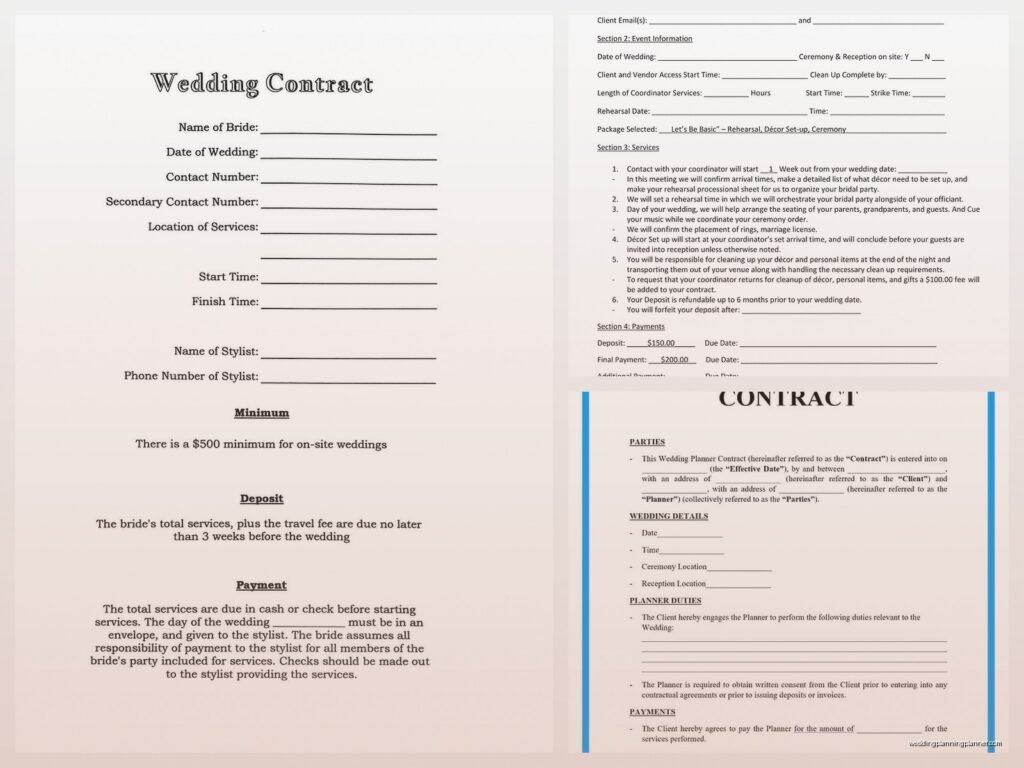
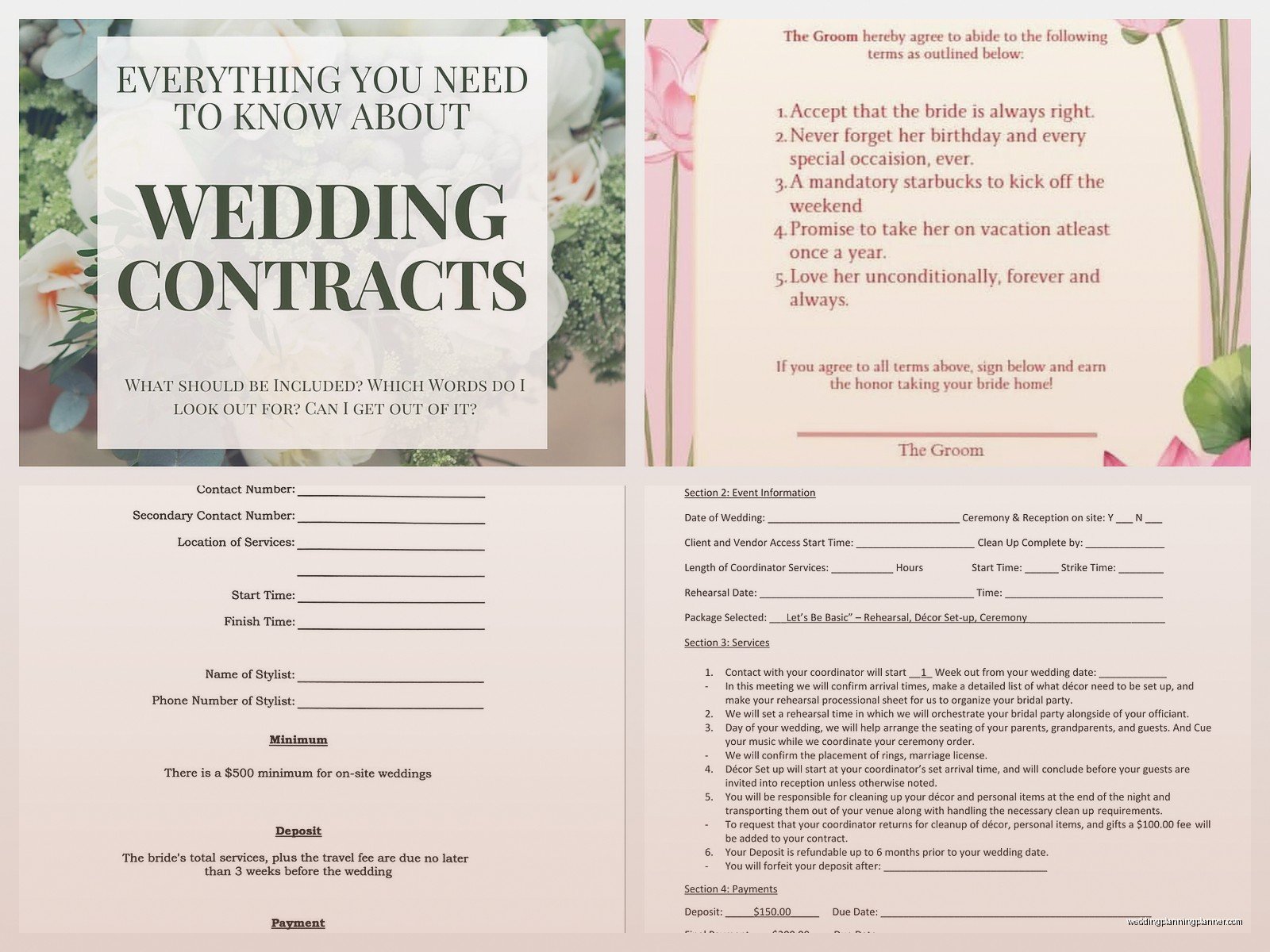
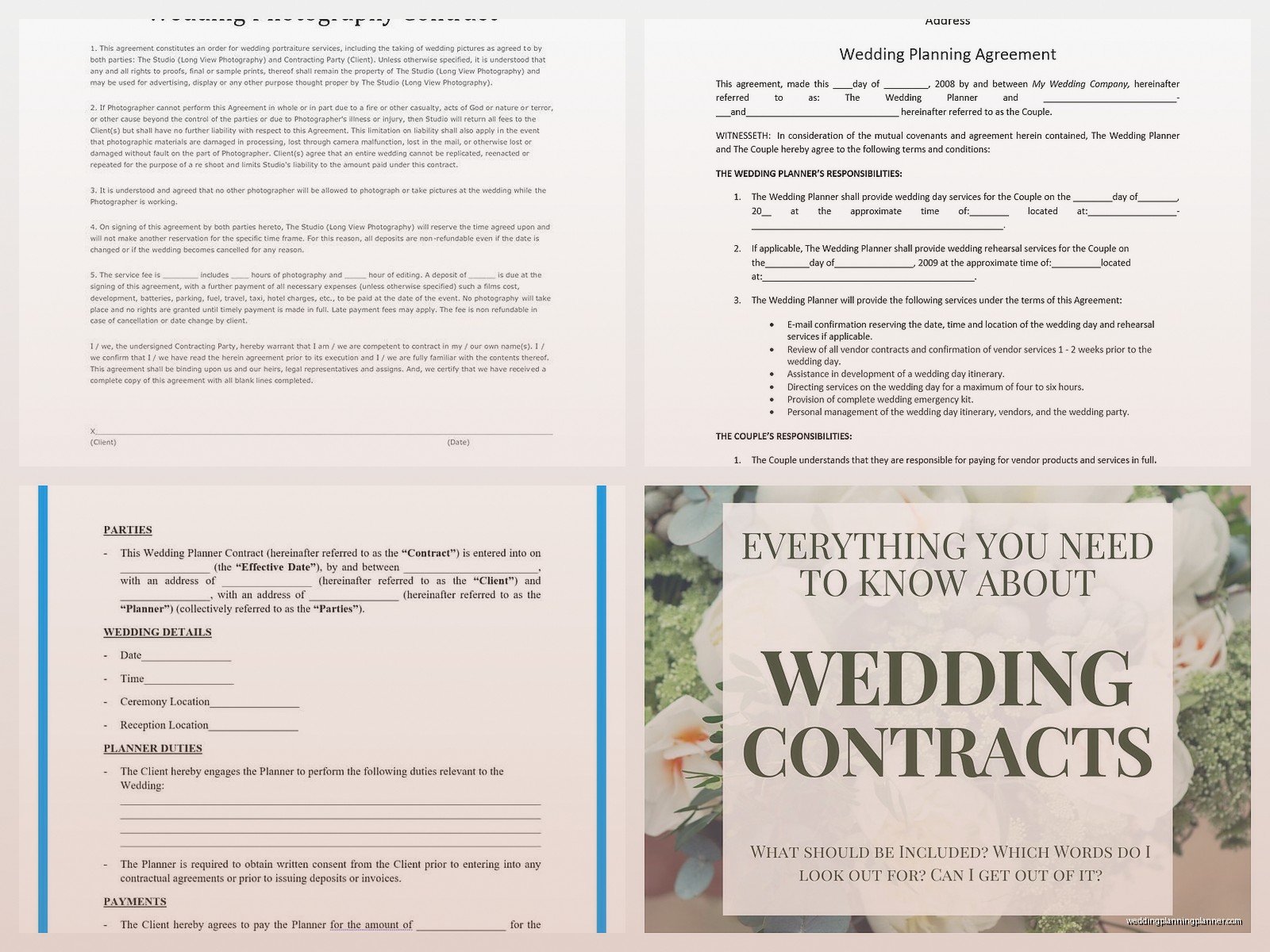
Wedding Contract: Vendor Agreement Complete Guide
Jun
Okay so vendor contracts are literally the thing that will save your sanity
I cannot stress this enough – you need everything in writing. Like, everything. I had this couple back in spring 2023 who didn’t get a proper contract with their florist because she was a “friend of the family” and guess what happened? The florist showed up with carnations instead of peonies because there was “a miscommunication” and suddenly I’m scrambling at 9am on a Saturday trying to fix a flower situation that should never have been a situation in the first place.
So here’s the deal with vendor contracts. Every single vendor you hire needs one. Your photographer, caterer, DJ, florist, venue, cake person, hair and makeup team – literally everyone who’s getting paid to do something at your wedding needs to sign a contract with you.
What Actually Needs to Be In There
The names and contact info seem obvious but you’d be surprised how many contracts I’ve seen that just say “bride and groom” without actual legal names. You need full legal names, addresses, phone numbers, and email addresses for both you and the vendor. Also the business name if they have one, and their business license number if applicable in your state.
Date and time specifics are huge. Not just “June 15th” but the exact start and end times the vendor is expected to be there. For photographers, this might be “2pm arrival for getting-ready photos through 10pm reception coverage” – be that specific. I’ve seen vendors leave early because the contract just said “wedding day coverage” and they interpreted that differently than the couple did.
Services and deliverables need to be spelled out in painful detail. If your photographer is supposed to give you 500 edited images, say that. If your caterer is serving 150 people with a plated dinner of chicken or fish, write exactly that. Include the specific varieties, colors, quantities… everything. That florist situation I mentioned? Yeah, if they’d had “40 pink peonies for bridal bouquet and 6 centerpieces” in writing, we wouldn’t have had the carnation disaster.
The Money Part (Which Everyone Hates Talking About)
Total cost needs to be crystal clear. Break it down if there are multiple components. Like your catering contract should show the per-person cost, the bar package cost, the cake cutting fee, the service charge, and the tax all separated out so you know exactly what you’re paying for.
Payment schedule is where things get… complicated. Most vendors want a deposit upfront (usually 25-50% of the total), then the balance due either before the wedding or on the day of. Get this in writing with specific dates. “Deposit of $1,500 due upon signing, remaining balance of $3,000 due no later than June 1st, 2024” – that kind of thing.
Payment methods should be listed too. Some vendors only take checks or wire transfers, others take credit cards but charge a processing fee. Know this upfront because it affects your budget and your credit card points strategy (not gonna lie, I put everything possible on my rewards card).
Late payment penalties need to be reasonable. If a vendor is gonna charge you $50/day for late payment, you should know that before signing. And honestly, if someone’s charging crazy penalties, that’s a red flag about working with them anyway.
Cancellation and Refund Policies (The Part Nobody Wants to Think About)
This is probably the thing that annoys me most about vendor contracts – they’re almost always heavily weighted in the vendor’s favor when it comes to cancellations. Like, if you cancel 6 months out, most vendors will keep your entire deposit even though they can definitely book another wedding in that time slot. But whatever, that’s the industry.
You need to know exactly what happens if you cancel at different timeframes. Usually it’s something like: more than 12 months out, you lose the deposit but that’s it. 6-12 months out, you lose 50% of the total. Less than 6 months, you’re on the hook for everything. These terms vary wildly so read them carefully.
Force majeure clauses became super important after 2020, obviously. This is the “act of God” stuff – what happens if there’s a pandemic, natural disaster, venue burns down, zombie apocalypse, whatever. Some vendors will reschedule at no charge, others will keep your money and offer a credit, some will refund everything except administrative fees. You want this spelled out because vague language here is how people end up in small claims court.
And hey, cancellation works both ways. What if the VENDOR cancels on you? The contract should specify that they’ll refund all your money AND help you find a replacement vendor of similar quality, or compensate you for the difference in cost. I had a DJ cancel on a couple 3 weeks before their wedding (he got a better paying corporate gig, can you believe it?) and because the contract didn’t specify his obligations if he cancelled, it was a whole mess. We eventually got the money back but the couple had to pay $800 more for a replacement DJ and couldn’t recover that difference.
Liability and Insurance Stuff That Sounds Boring But Isn’t
Your vendors should carry liability insurance, and the contract should state this. For caterers especially – if someone gets food poisoning, you want to make sure their insurance covers it, not yours. Photographers and videographers should have equipment insurance so if their camera breaks, they have a backup plan and don’t just… not deliver your photos.
Some venues require vendors to have specific insurance minimums, like $1 million in general liability coverage. Make sure your vendor contracts confirm they meet these requirements or you might have problems day-of when the venue coordinator is checking credentials.
Damage and loss clauses protect both sides. If you damage the vendor’s equipment, what happens? If the vendor damages the venue or someone’s property, what happens? This stuff matters. My cat knocked over a vase at my house last week and I was just thinking about how glad I am it wasn’t a rental item from a wedding vendor with a strict damage policy…
The Fine Print That Actually Matters
Substitution policies – can the vendor send someone else if they’re sick or unavailable? For a photographer or hair stylist, this is huge because you’re hiring them specifically for their style and skill. The contract should say they’ll personally provide the service, or at minimum, that any substitute must be approved by you in advance.
Overtime charges need to be discussed upfront. If your reception runs 30 minutes long, is your photographer gonna charge you $300 for that extra half hour? Some vendors build in a buffer, others charge by the minute. Know this before you’re making decisions about whether to extend the party.
Weather contingency plans for outdoor weddings are essential. Who provides the tent if it rains? What if the ceremony needs to move inside? Does the photographer charge extra to scout an indoor backup location? All of this should be in the contract or at least referenced as “see attached weather contingency plan.”
Meal and break requirements – if you’re hiring vendors for 8+ hours, many will require that you feed them a vendor meal. This is totally reasonable and you should budget for it, but it should be in the contract so there’s no confusion. Usually vendors eat the same meal as guests but at a separate table, and they need a 15-30 minute break to actually eat it.
Intellectual Property and Usage Rights
For photographers and videographers especially, you need to know who owns the images and how you can use them. Most photographers retain copyright but grant you unlimited personal use – meaning you can print them, post them on social media, share with family, whatever. But you can’t like, use them in an advertisement or sell them without permission.
Some photographers want the right to use your photos in their portfolio and marketing materials. This is pretty standard and reasonable, but if you’re a private person or there’s a reason you don’t want your wedding photos on Instagram, you can negotiate this out of the contract. It might cost you extra though.
Turnaround time for delivery should be specified. “All edited images delivered within 8 weeks of wedding date” is way better than just “photos will be ready when they’re ready” which I’ve actually seen in contracts and it drives me insane.
The Stuff That Protects You When Things Go Wrong
Performance guarantees are your friend. The contract should specify what constitutes acceptable performance. For a caterer, maybe it’s “food served hot at the specified time, with all dietary restrictions accommodated as discussed.” For a DJ, it might be “music played continuously during reception hours with no more than 2-minute gaps between songs.”
Remedies for breach – what happens if the vendor doesn’t deliver what they promised? Ideally the contract specifies that you can get a partial or full refund, or that the vendor will make it right somehow. Without this, you’re stuck arguing about what’s “fair” after the fact.
Dispute resolution should outline how you’ll handle disagreements. Mediation is usually the first step, then arbitration, then litigation as a last resort. Some contracts require you to go through mediation before you can sue, which honestly can save everyone time and money if there’s a problem.
Governing law and jurisdiction matter if you’re hiring vendors from different states or having a destination wedding. Which state’s laws apply? Where would you file a lawsuit if it came to that? This seems paranoid but I promise it matters if something goes really wrong.
Special Clauses for Specific Vendors
Venues often have the most complex contracts because there’s so much involved. You need to know what’s included in the rental fee (tables, chairs, linens, sound system?) and what costs extra. Also exclusivity requirements – some venues make you use their preferred caterer list or charge a fee if you bring in outside vendors.
Catering contracts should specify the final headcount deadline, usually about a week before the wedding. After that date, you’re paying for that number of guests whether they show up or not. Also allergies and dietary restrictions – make sure there’s a process for communicating these and that the caterer confirms they can accommodate them.
Photography contracts need to address what happens if the photographer gets sick. Do they have a network of backup photographers? Will you get to approve the substitute? What if you absolutely hate the backup’s style – can you postpone or get a refund?
Florist contracts should include setup and breakdown times and who’s responsible for what. Are they setting up centerpieces or just delivering them? Who takes the arrangements down after the reception? Some couples want to keep the flowers, others want the florist to handle removal.
Reading and Negotiating the Contract
Okay so here’s the thing – most vendor contracts are templates that favor the vendor. That’s just how it is. But you can negotiate, especially if you’re booking them far in advance or during their slow season or… you get the idea.
Read everything before the consultation ends. Don’t just skim it and sign it to be polite. Take it home, read it carefully, maybe have someone else read it too because you’ll catch different things. I’ve found typos in contracts that actually changed the meaning – like “delivery on June 15th” when the wedding was June 16th.
Ask questions about anything that’s unclear or seems unreasonable. “This says I can’t cancel within 6 months for any reason – what if there’s a legitimate emergency?” Most vendors are willing to discuss and modify terms if you approach it reasonably.
Get everything in writing, even if you discuss changes verbally. If you and your photographer agree she’ll stay an extra hour for free because you’re friends, that needs to be written into the contract as an amendment. Verbal agreements are worth the paper they’re printed on, which is zero paper.
Don’t sign anything until you’re completely comfortable with every term. I know there’s pressure because you love this vendor and they’re getting booked up and you don’t want to lose your date, but… a bad contract is worse than no contract. If a vendor pressures you to sign immediately without giving you time to review, that’s honestly a red flag about working with them.
After You Sign
Keep all your contracts in one place – I recommend a physical binder and also digital copies in a dedicated wedding folder. You’ll need to reference them when making payments, confirming details, and just knowing who’s supposed to do what when.
Make a spreadsheet with all your payment deadlines and amounts so nothing sneaks up on you. There’s nothing worse than realizing you owe your caterer $4,000 tomorrow and you thought you had another month.
Confirm details in writing as the wedding gets closer. About a month out, email each vendor with “Just confirming you’ll be at [venue] on [date] from [time] to [time] to provide [services]” and keep their confirmation emails. This has saved me so many times when a vendor “forgot” about a wedding or showed up at the wrong time.
Bring copies of all contracts to your wedding or give them to your day-of coordinator. If there’s any dispute about what was supposed to happen, you want that documentation immediately available, not back at your house in a filing cabinet