Planning Guides, Style Guide
Table Seating Chart Template: Wedding Layout Downloads
Jul
Why You Actually Need a Seating Chart Template
Okay so table seating charts are literally one of those things that couples think they can wing until like three weeks before the wedding and then they’re calling me at 9pm on a Tuesday having a meltdown because Aunt Susan can’t sit near Uncle Rick after what happened at Thanksgiving 2019. Just download a template. Seriously.
The thing is, I’ve been doing this since 2009 and I’ve seen couples try every method possible—spreadsheets, post-it notes on their living room wall, those weird magnetic boards from craft stores. But honestly? A proper seating chart template saves you so much time and stress it’s not even funny. Back in spring 2023 I had this couple who refused to use a template because the groom was “really good with Excel” and thought he could build something better. Three weeks of back-and-forth later, they ended up using the exact template I’d sent them on day one.
Types of Templates You’re Gonna Find
There are basically four main types of seating chart templates out there and they all have different purposes depending on what kinda wedding you’re planning:
Digital Drag-and-Drop Templates
These are usually online tools or software where you can literally drag guest names around between tables. Wedding Wire and The Knot both have free versions, and there’s also AllSeated which is more robust but has a learning curve. I use AllSeated for most of my client work because you can see the actual floor plan in 3D which helps when you’re trying to figure out if table 8 can actually see the head table or if they’re gonna be staring at a pillar all night.
The annoying thing about digital templates though? They require internet connection usually, and I cannot tell you how many venues have terrible wifi. Like you’d think a place charging $15k for a Saturday night would have decent internet but nah.
Printable PDF Templates
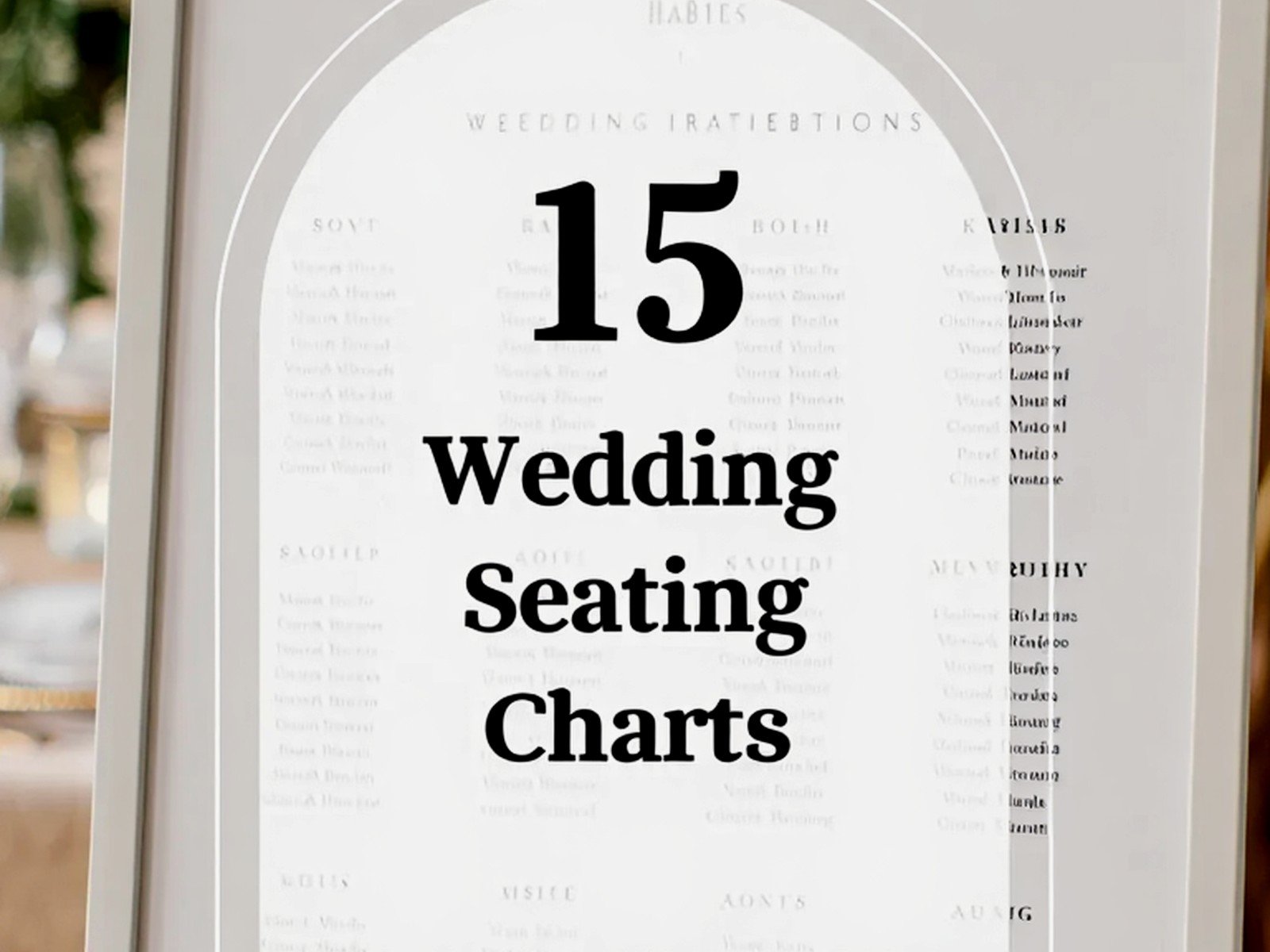
These are the old-school method but they work. You download a PDF, print it out, and write names in by hand or type them in before printing. Etsy has thousands of these in every design style you can imagine—rustic, modern, art deco, whatever. The benefit is you can have them match your wedding aesthetic perfectly.
I keep a collection of about 15 different printable templates that I send to clients based on their vibe. You want something with eucalyptus leaves? I got you. Something that looks like a vintage train schedule? Got that too.
Excel or Google Sheets Templates
These are for the spreadsheet people. You know who you are. Everything color-coded, formulas calculating how many vegetarian meals you need, pivot tables for days. Google Sheets templates are actually pretty great because you can share them with your partner or wedding planner and everyone can edit in real-time.
I made my own Google Sheets template that I’ve been using since like 2017 and it has tabs for the master guest list, dietary restrictions, table assignments, and a summary page that shows you how full each table is. It’s not pretty but it’s functional as hell.
Poster Board Style Templates
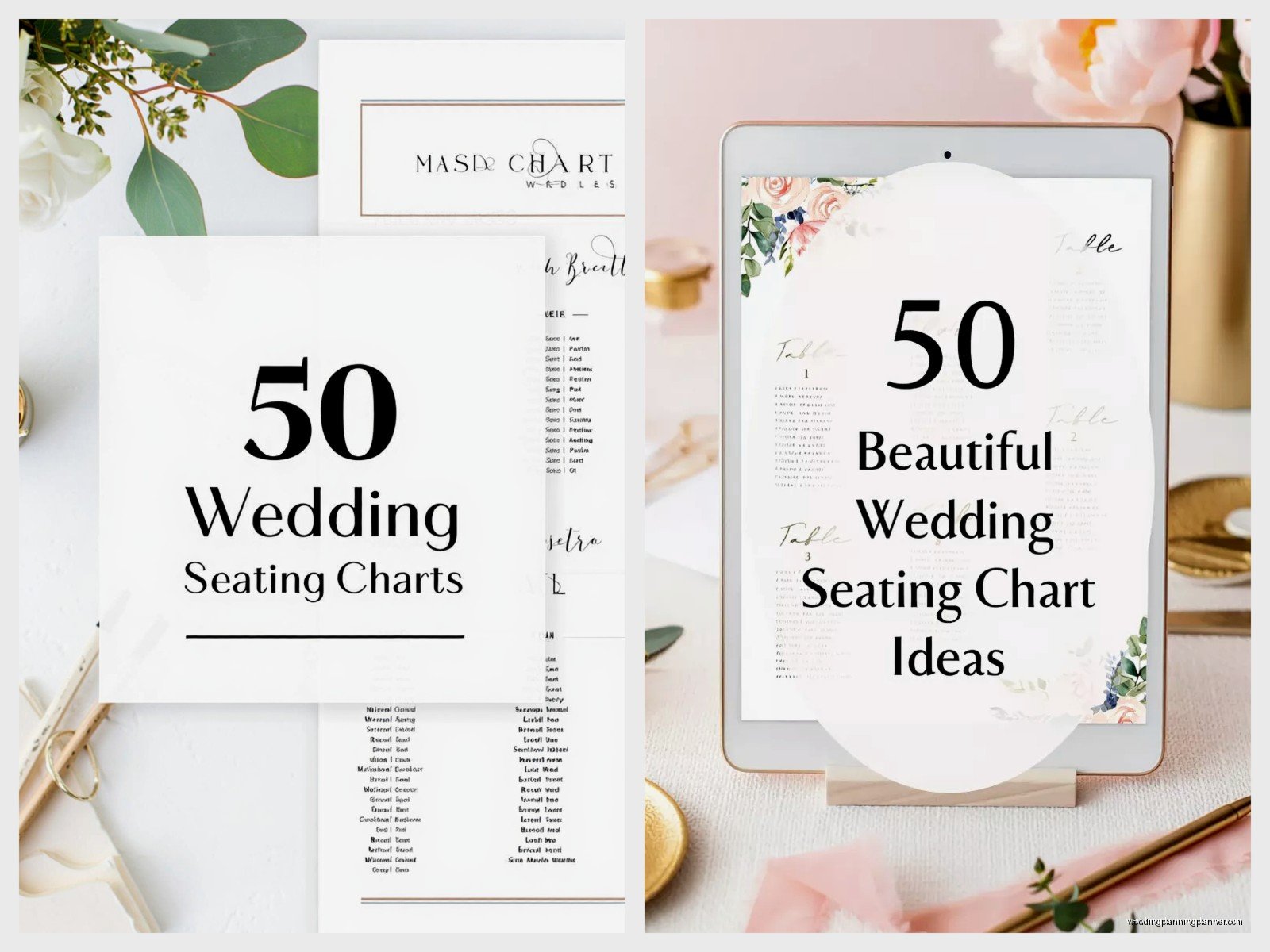
These are the ones you’d actually display at your wedding—the big pretty charts that guests look at when they arrive to find their table number. Canva has tons of templates for these, and you can customize them super easily even if you’re not design-savvy. Most people do one large poster or a collection of smaller frames with alphabetical listings.
What Your Template Actually Needs to Track
Alright so beyond just names and table numbers, your template needs to track way more information than you’d think. Here’s what I always include:
- Guest full names (including plus-ones with actual names, not just “and guest”)
- Table number or name if you’re doing named tables
- Dietary restrictions or meal choices
- Family group or friend group (this helps you see patterns)
- RSVP status because people WILL tell you they’re coming and then you’ll forget
- Any relationship drama you need to remember (I literally have a notes column for this)
- Age if you’re trying to group by life stage
- Whether they know other guests
That last one is huge. You don’t wanna put someone at a table where they know absolutely nobody unless they’re super outgoing. I learned this the hard way at a wedding in summer 2021 where we seated this quiet cousin alone with a bunch of the groom’s college fraternity brothers and she literally left after dinner. Felt terrible about that one.
How to Actually Use the Template
Okay so you’ve downloaded your template, now what? Here’s my actual process that I walk clients through:
Step One: List Everyone
Just dump every single guest into the template first. Don’t worry about table assignments yet, just get all the names in there. Include plus-ones even if you don’t know their names yet—you can fill that in later. This usually takes like 20 minutes if you’re working from your RSVP list.
Step Two: Create Your VIP Tables
Start with the tables you know for sure. That’s usually the head table or sweetheart table, parents’ tables, and grandparents’ tables. These are non-negotiable assignments that you can lock in immediately. I always seat parents at separate tables with their friends and family rather than together because honestly they’re hosting and should get to enjoy the party.
Step Three: Group Your Groups
Now look at your remaining guests and start grouping them by natural connections. College friends at one table, work people at another, mom’s side of the family together, dad’s childhood friends, etc. This is where having that “group” column in your template really helps because you can sort by it.
One thing that kinda bugs me is when couples try to “mix” people too much because they think it’ll be more interesting. Like they’ll put one college friend with three work colleagues and two random cousins thinking everyone will become best friends. That’s not how weddings work. People want to sit with folks they know and can relax with.
Step Four: Deal With the Difficult Ones
There are always gonna be guests who don’t fit neatly into a group. Single friends, distant relatives, your partner’s weird aunt who doesn’t really know anyone. I usually create what I call a “fun singles table” with all your outgoing single friends who’ll actually enjoy meeting new people, or I’ll sprinkle these folks into tables where there’s someone they know even slightly.
My cat literally just knocked over my coffee while I’m writing this so if this section seems scattered that’s why…
Step Five: Check Your Numbers
Most reception tables seat 8-10 people comfortably. Round tables of 60 inches fit 8, and 72-inch rounds fit 10. If you’re doing long farm tables, you can usually fit 10-12 per table depending on length. Your template should show you how many people are assigned to each table so you can make sure you’re not overloading or leaving tables half-empty.
Half-empty tables look weird in photos and feel weird for guests, so if you’ve got a table with only 6 people, see if you can shift some folks around to fill it up or combine it with another partial table.
Step Six: Layer in the Drama
This is where that notes column comes in handy. Check for any relationship issues, divorced parents who hate each other, friends who had a falling out, exes, whatever. I had a wedding once where the bride forgot to tell me that two of her bridesmaids weren’t speaking after a business partnership went south, and I sat them right next to each other. The bride was texting me updates throughout dinner about how awkward it was. Don’t be like that bride.
Where to Download Templates
Alright here’s where you can actually get these templates without spending a fortune:
Free Options: WeddingWire and The Knot both have free seating chart tools built into their wedding planning dashboards. They’re pretty basic but they work. Google Sheets has templates in their template gallery if you search “wedding seating chart.” Canva has free templates for both planning charts and display charts though the really pretty ones require Canva Pro.
Paid Options: Etsy is gonna be your best bet for pretty printable templates, usually ranging from $5-$25. AllSeated has a free version but their paid version ($15/month) gives you way more features. I think it’s worth it if you’re planning a wedding over 100 people. Wedding Mapper is another paid tool that’s really good for visualizing the actual room layout.
Planner-Level Tools: If you’re working with a planner they probably have their own system. I’ve built custom templates over the years that I include as part of my planning services, and most planners I know have done the same thing.
Common Mistakes People Make
Let me just rapid-fire some things I see all the time that you should avoid:
Waiting until the last minute to start your seating chart. You need at least two weeks to think this through, get feedback, make changes, and finalize everything. I’ve had couples try to do this the week of the wedding and it’s just… no. Don’t do that to yourself.
Forgetting to account for kids. If you’re having a kids’ table, you need adult supervision nearby, and you need to make sure the kids’ table isn’t right next to the band or speakers. Also some couples forget that teenagers don’t wanna sit at the kids’ table, so you gotta figure out where to put the 15-year-olds.
Not considering table shapes when using your template. Round tables and long tables have totally different dynamics. At a round table everyone can talk to everyone. At a long table you’re basically only talking to the people immediately around you, so placement matters even more.
Putting all the elderly relatives in the back corner far from everything. I get that they might not wanna be near the loud music, but don’t exile them. They wanna see what’s happening too.
Ignoring sight lines. Your template should ideally show you where the head table is, where the dance floor is, where the cake table or important focal points are. Guests seated behind a pillar or facing a wall aren’t gonna be happy.
Tips for Couples vs. Singles
This trips people up all the time so let me break it down. When you’re using your template, you need to think about whether you’re seating couples together or splitting them up. Traditional etiquette says couples sit together, but honestly at weddings where people know each other well, splitting up married couples can actually be more fun because they get to socialize separately.
For couples you’re definitely keeping together, make sure you’re counting them as two seats (obviously) but also thinking about whether they’re social or quiet. Two quiet couples at a table with six loud people is gonna be rough for everyone.
Single guests need more thought. A single person at a table of all couples feels super awkward, so try to have at least 2-3 single people per table if possible. Or do what I mentioned earlier and create a singles table with your most outgoing friends who’ll actually have fun with it.
The Display Chart vs. Planning Chart
Something couples don’t always realize is that you need two different things—a planning chart for YOU to organize everything, and a display chart for your GUESTS to find their seats at the wedding.
Your planning chart can be messy, detailed, full of notes about dietary restrictions and drama. Your display chart needs to be pretty, clear, and just show names with table numbers or table names.
Most people do an alphabetical listing by last name on the display chart. Some do it by table number with all the names listed under each table, but that’s harder for guests to scan quickly. I prefer alphabetical with the table assignment next to each name.
You can also do escort cards instead of a big chart—those are the little cards that each have one guest’s name and table number. But those require way more printing and setup, and honestly people lose them between the escort card table and their actual table, so then they’re wandering around looking for their seat anyway.
Digital Templates vs. Paper
There’s this whole debate in the wedding world about whether digital planning tools are better than paper templates and I’m gonna be real with you—it depends on how your brain works.
I’m personally a digital person for the planning phase because I can edit things easily and share with clients in real-time. But some couples really need to see it on paper, physically move things around, cross things out. There’s no wrong answer here.
What I usually recommend is use a digital template for the planning and adjusting phase because you’re gonna make SO many changes. Then once it’s finalized, create your pretty paper display chart for the actual wedding day.
Updating Your Template
Here’s something nobody tells you—your seating chart is gonna change like fifteen times before the wedding. People will cancel last minute, plus-ones will break up, surprise guests will confirm, whatever. Your template needs to be easy to update quickly.
This is why I love cloud-based tools or Google Sheets. You can make changes from your phone if you’re getting a text from someone while you’re at Target or wherever. With a paper template or PDF you gotta wait until you’re home at your computer to make updates and honestly you’ll forget by then.
Set a final deadline for changes—usually about one week before the wedding. After that, only emergency changes. Otherwise you’ll be updating your seating chart until the day of and that’s how mistakes happen.
Keep a backup of your finalized chart too. Email it to yourself, save it to the cloud, print a copy. I’ve had couples lose their only copy of their seating chart and have to recreate it from memory which is a nightmare.
Working With Your Venue
Most venues will ask for your seating chart at some point, usually at your final meeting about a week or two before the wedding. They need to know how many tables to set up and sometimes they’ll create the place cards or table numbers for you.
Make sure your template matches what your venue can actually accommodate. If they have 10 round tables available, don’t plan for 12. If there are pillars or stages or other obstacles in the room, note those on your template so you’re not assigning seats in impossible locations.
Some venues have floor plan templates they can give you which is super helpful. You can overlay your seating assignments onto their actual room layout and see exactly how everything will look. AllSeated is great for this if your venue doesn’t provide their own tool.