Planning Guides, Style Guide
Tie The Knot Wedding Planner: Professional Services Guide
Mar
Setting Up Your Professional Wedding Planning Services
So you’re gonna need a service menu that actually makes sense to clients, not just sounds fancy. I learned this the hard way back in spring 2023 when a bride called me sobbing because she’d hired a planner who listed “comprehensive coordination” but apparently that didn’t include… coordinating with vendors? Like what even is comprehensive then.
Your service tiers need to be crystal clear. I structure mine as Full Planning, Partial Planning, and Day-of Coordination. Full Planning starts from the engagement—you’re there for venue selection, design concepts, vendor recommendations, contract reviews, budget tracking, the whole nine yards. Partial Planning picks up maybe 3-4 months out when they’ve already booked major vendors but need help pulling it together. Day-of is literally just the wedding day and rehearsal, plus a final timeline sent out two weeks before.
Pricing Structure That Won’t Make You Cry
Here’s what annoyed me for YEARS—other planners being all secretive about pricing like we’re selling state secrets. Just put a range on your website. Mine lists “Full Planning starts at $4,500” and “Day-of Coordination starts at $1,800” because clients deserve to know if they can even afford you before they fill out your contact form.
Calculate your pricing based on actual hours you’ll work, not what sounds nice. Full planning for me averages 80-120 hours depending on guest count and complexity. I charge $50-75 per hour depending on the service level, plus a coordination fee. You can do flat rates or percentages of the wedding budget (typically 10-15%), but honestly I switched away from percentage-based because a couple spending $80k doesn’t automatically mean their wedding takes more time than a $30k wedding—sometimes the opposite because they can afford better vendors who need less babysitting.
Your Service Agreement Needs These Things
Non-refundable retainer. Usually 25-50% of total fee. Payment schedule for the rest—I do second payment at 6 months out, final payment 30 days before the wedding. Cancellation policy that protects YOU (because I’ve been burned). Scope of work listed super specifically. What you will do, what you won’t do.
I literally have a clause that says “planner is not responsible for weather, vendor no-shows, or acts of nature” because after a tent collapsed in summer 2021 during a microburst… yeah. The family tried to blame me even though I’d recommended the upgraded tent package and they’d declined it. Not doing that again without written proof I’m not a meteorologist.
The Client Onboarding Process
First inquiry comes in, I respond within 24 hours—never immediately because you don’t want to seem desperate even if you are, trust me on this. Send them your pricing guide PDF (I made mine in Canva, nothing fancy) and ask about their date, venue if booked, guest count, and budget. Those four things tell you if it’s worth scheduling a consultation.

Consultation calls are 30-45 minutes. I do them on Zoom now instead of in-person because honestly it saves so much time and you can still get a vibe for whether you’ll work well together. Ask about their vision, their biggest stressors, why they want a planner. Listen for red flags like “our families have very different opinions and we need you to manage that”—family therapy is not in your scope, babe.
If everyone’s feeling it, send the contract within 48 hours. Use HoneyBook or Dubsado or even a simple DocuSign setup. Get that retainer paid before you do ANY work. Not one vendor email, not one timeline draft, nothing.
Managing Multiple Clients Without Losing Your Mind
You’re gonna need a system and I don’t mean like a casual notebook situation. I use a combination of Asana for task management and a massive Google Drive structure for each client. Every couple gets a folder with subfolders: Contracts, Vendor Contacts, Design Inspiration, Timeline Drafts, Floor Plans, Budget Tracking.
Budget tracking is its own beast. I have a spreadsheet template I customize for each couple with categories, estimated costs, actual costs, deposits paid, balance due, payment due dates. Update it after every vendor meeting. Clients don’t always track this themselves even though they definitely should, so you gotta stay on top of it or suddenly you’re three weeks out and they haven’t paid the caterer’s final invoice.
Vendor Communication Standards
Set boundaries with vendors early or they’ll text you at 9pm on a Sunday about linens—which happened to me last month and my cat literally jumped off my lap because the phone vibrated so aggressively, knocked over my water, whole thing. Now I have an auto-reply after 6pm that says I’ll respond during business hours.
Create a vendor contact sheet for each wedding with everyone’s info, business hours, preferred contact method. Some vendors are email-only, some want texts, some (usually older photographers) actually want phone calls. Put it all in one place so you’re not hunting through old messages trying to remember if the florist prefers email or… wait, was it Instagram DMs? See, this is why you need the sheet.
Send out a master timeline to all vendors 2-3 weeks before the wedding. Not just ceremony and reception times—I mean load-in times, where they’re parking, who’s their contact person, when they can access the venue, everything. Then do a final walkthrough call or email chain one week out to confirm everyone’s on the same page.
Timeline Creation That Actually Works
I’ve got templates for different venue types and ceremony styles, but you gotta customize every single one. Start with the ceremony time and work backwards. Hair and makeup for how many people—figure 45 minutes per person for makeup, 30 for hair, add buffer time because someone will be late or want changes. First look or nah? That’s 30-45 minutes with travel time. Family photos—list out every combination they want and budget 3-5 minutes per grouping.
Reception timeline is easier but couples always want to cram too much in. You cannot do a first dance, parent dances, cake cutting, bouquet toss, anniversary dance, shoe game, AND a live painter showcase all before dinner. Like physically cannot. Dinner is usually an hour, then open dancing, then send-off if they’re doing one.
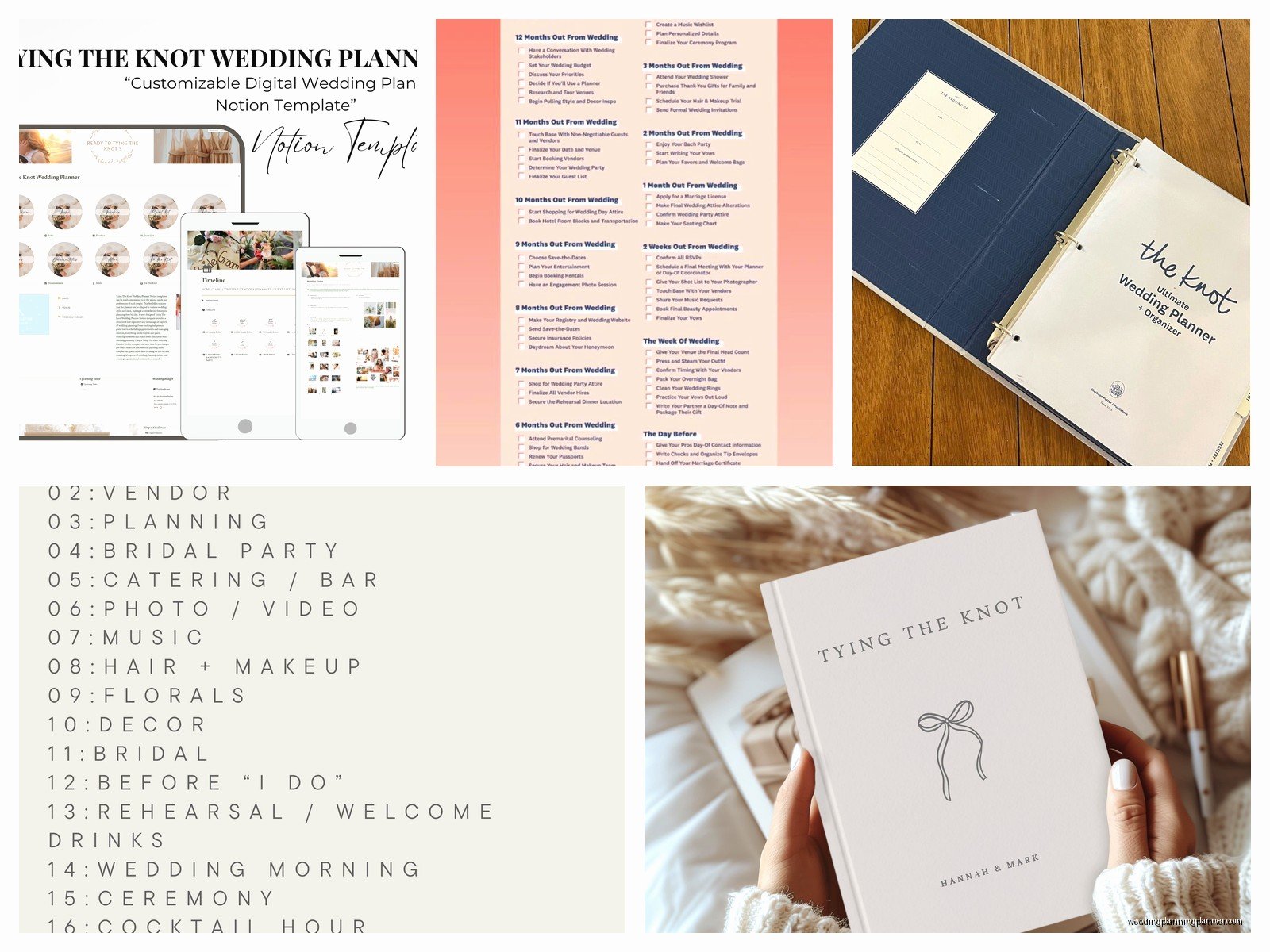
Build in 15-minute buffers between major events because nothing runs exactly on time and if you schedule things back-to-back you’ll be stressed and sweaty all night chasing people around.
Day-Of Coordination Specifics
Show up early. I arrive 30 minutes before any vendor load-in time to do a venue walkthrough and make sure everything’s accessible. Bring your emergency kit—safety pins, stain remover, double-stick tape, bobby pins, tissues, phone chargers, pain relievers, antacids, band-aids, clear nail polish for stocking runs, sewing kit, lighter for candles, scissors, Sharpie.
Designate a point person who’s NOT the couple for questions. Usually a parent or the best man/maid of honor. Vendors should contact you first, but family members will have random questions and you don’t want them bugging the bride about whether Aunt Susan’s gluten-free meal is ready.
Keep the couple on schedule without being annoying. I set phone alarms and then gently interrupt conversations like “Hey, we need to start family photos in five minutes, so maybe wrap up with these guests?” You’re sorta like a sheepdog but for people in fancy clothes.
Problem-Solving On The Fly
Something will go wrong. Always. The baker arrives late, the groom’s boutonniere falls apart, someone’s drunk uncle makes a scene, a bridesmaid’s dress rips. Your job is to fix it quietly without the couple knowing if possible.
I keep vendor backup contacts in my phone—a few florists who do last-minute work, a bakery that’s open late, a seamstress who lives nearby. You won’t need them every time, but when you do, you’ll be so glad you have them. Also keep cash on you, like $200, because sometimes you need to tip someone extra to solve a problem quickly or send a groomsman to buy more ice.
The biggest thing is staying calm. I’ve had a venue’s power go out, a caterer show up to the wrong location, and a minister not show up at all (long story, we grabbed the venue coordinator who was ordained online). If you’re freaking out, everyone else will freak out. If you’re handling it, they’ll trust you’re handling it.
Professional Boundaries and Self-Care
You need days off. Real ones where you don’t check email. I learned this after doing 32 weekends straight one year and literally forgot what my living room looked like in daylight. Now I block off at least one weekend per month, sometimes two in slower seasons.
Don’t be available 24/7 even though clients will try to make that happen. Set office hours and stick to them. Mine are Monday-Friday 9am-5pm, plus wedding days obviously. After hours, they can leave a message or send an email and I’ll respond the next business day unless it’s an actual emergency—and no, wanting to change the napkin color is not an emergency, Jennifer.
Charge what you’re worth and don’t feel guilty about it. I see newer planners undercharging because they’re worried they won’t get clients, but you know what happens? You get clients who don’t value your time, then you’re exhausted and broke. Better to book fewer weddings at proper rates than tons of weddings where you’re barely covering expenses and definitely not paying yourself fairly.
Building Your Vendor Network
This is kinda the secret sauce of being a good planner—knowing reliable vendors in every category and budget range. Start by reaching out to vendors you admire and introducing yourself. Take them to coffee (you pay), ask about their process, their ideal clients, their pain points with planners. Build actual relationships, not just transactional contacts.
I have a tiered vendor list for each category. Premium options, mid-range options, budget-friendly options. All good quality, just different price points. When a client says their budget is $3,000 for photography, I’m not recommending the photographer who starts at $6,000 even if their work is gorgeous—that’s just wasting everyone’s time.
Go to vendor networking events even though they’re sometimes awkward. You’ll meet people whose work you wouldn’t find otherwise, and you’ll become a known presence in the industry. Vendors refer clients to planners they know and trust, so being visible matters. Also some of these events have good snacks which is honestly reason enough.
Marketing Your Services Without Being Cringey
Your website needs to show real weddings with real photos—ask clients for permission to share their day on your site and social media. Write descriptions that explain what you did, what challenges came up, how you solved them. That’s way more useful than generic “we create magical moments” copy that every planner uses.
Instagram is still important for wedding planners unfortunately, even though the algorithm makes me want to throw my phone sometimes. Post consistently—I aim for 3-4 times per week with a mix of wedding content, planning tips, behind-the-scenes stuff, and occasional personal posts because people hire people, not robots.
Ask happy clients for reviews on Google, The Knot, WeddingWire, wherever. Follow up about two weeks after their wedding with a sweet email thanking them and asking if they’d be willing to share their experience. Most will say yes if you did good work.
SEO matters more than you think. Use location-based keywords on your website like “Chicago wedding planner” or “destination wedding coordinator Miami” or whatever applies to you. Write blog posts about local venues, seasonal wedding tips, real weddings you’ve planned. Google likes fresh content and so do couples researching planners at 11pm while watching reality TV and eating ice cream—which is definitely their vibe, not mine, I would never