
Planning Guides, Style Guide
Wedding Reception Planner: Party Coordination Services

Oct
What Reception Party Coordination Actually Means
So reception coordination is basically when you hire someone to manage the actual party part of your wedding day, and honestly it’s probably the most underestimated service in the wedding industry. People think a coordinator just stands around with a clipboard looking important, but nah – we’re literally the ones making sure your drunk uncle doesn’t grab the mic during toasts and that your caterer knows the difference between the bride’s gluten-free meal and everyone else’s chicken.
I had this wedding back in spring 2023 where the couple didn’t think they needed coordination because “our venue has a coordinator included” and then the venue coordinator turned out to be a 19-year-old who’d worked there for three weeks. Sweet kid, but she didn’t know how to handle the DJ starting the first dance music before the couple even entered the room. That’s when they called me in a panic two weeks before, and we basically had to… anyway, I’ll get to that later.
The Stuff We Actually Handle During Reception Coordination
Reception coordination kicks in usually around the ceremony time or right after. Some planners do full-day coordination, but reception-specific services mean I’m focused on making sure the party flows correctly. Here’s what that looks like:
Timeline Management
You’ve gotta have someone watching the clock because literally no one else will. The catering manager is worried about food temps, the DJ is cueing music, your photographer is trying to get shots, and you’re just trying to enjoy your damn wedding. I’m the one who knows that if we don’t start cocktail hour by 6:47pm, dinner will run late, which means dancing starts late, which means your venue overtime fees kick in at 11pm instead of midnight.
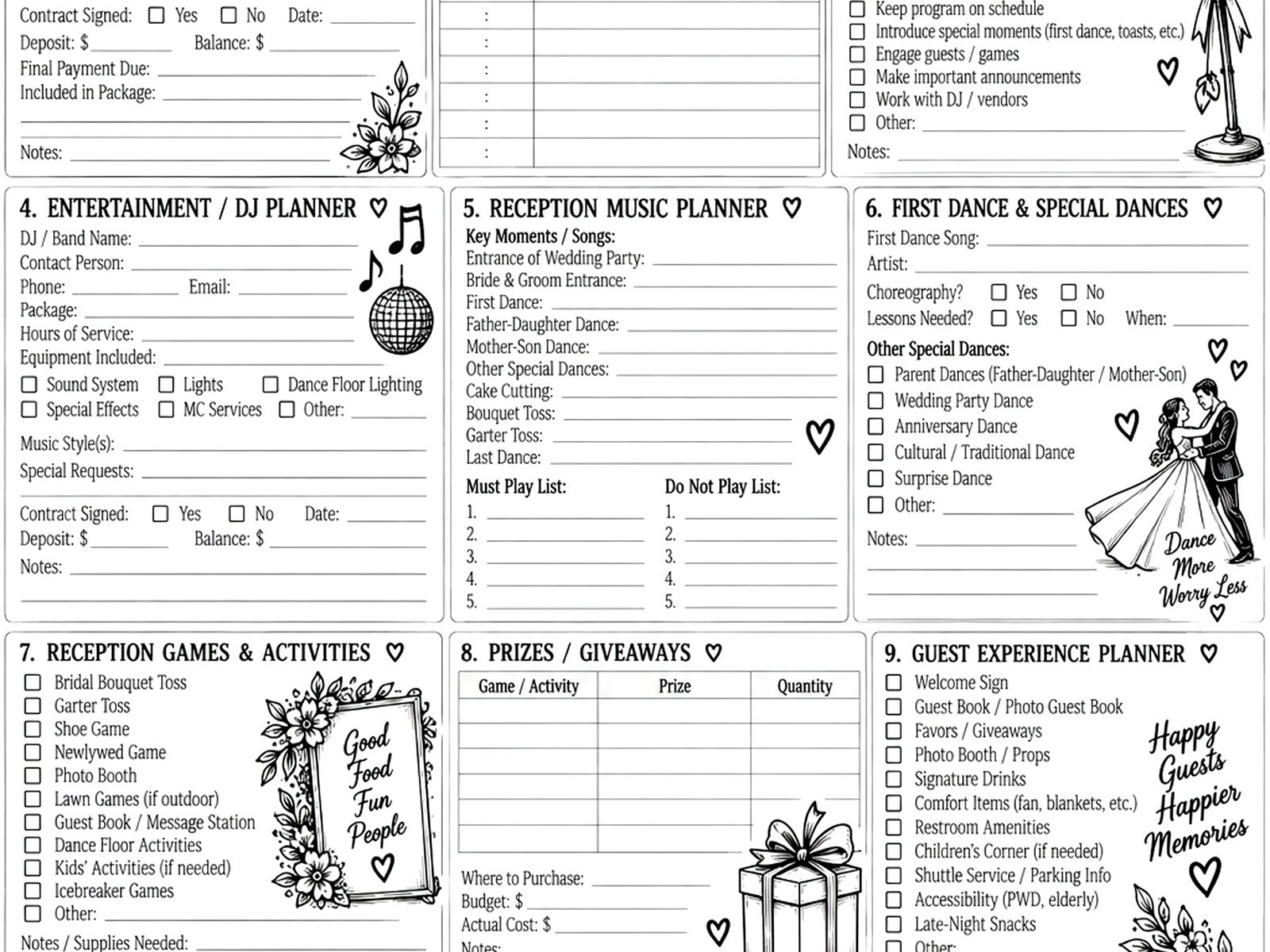
I keep a minute-by-minute timeline that I share with all vendors ahead of time. It includes stuff like when the salad course gets cleared, when the best man should start walking toward the mic, when the cake cutting happens. Most couples don’t realize that cake cutting isn’t just “whenever” – it needs to happen at a specific point so the catering staff can slice and serve it during a natural lull in the evening.
Vendor Wrangling
This is probably 40% of the job. Your vendors all have their own agendas and priorities, and someone needs to be the central command center. The photographer wants the couple outside for sunset photos at 7:15pm, but the caterer needs to serve dinner at 7:15pm, and the DJ planned the parent dances for 7:15pm. Guess who sorts that out? Me.
I’m constantly checking in with each vendor – “are we on track?”, “do you have what you need?”, “why is the bar running low on white wine already it’s only 6pm??” That kind of thing. And when something goes wrong, I’m the one problem-solving so the couple never even knows there was an issue.
Guest Management Sort Of
Okay so we’re not babysitters, but we do handle the flow of guests. Making sure people know where to go after the ceremony, directing them to the cocktail area, getting everyone seated for dinner, making announcements if needed. I once had to physically block a mother-of-the-groom from rearranging the entire seating chart fifteen minutes before doors opened because she decided her cousin shouldn’t sit near her ex-husband. Like ma’am, I understand your family drama but we have 180 people about to walk in here.
We also handle the receiving line if you’re doing one (most people don’t anymore thank god because they take forever), and we manage any special traditions or cultural elements that need coordination.
What People Get Wrong About Hiring Coordinators
The biggest misconception is that your venue coordinator or your caterer’s event manager can handle everything. They can’t. Their job is to manage their part of the event, not the whole thing. Your venue coordinator makes sure the room is set up and their staff is doing their job. They’re not gonna track down your florist when the centerpieces are the wrong height or fix your bustle when it comes undone or hold your bouquet during toasts.
Also – and this really annoys me – people wait until like six weeks before the wedding to look for a coordinator. By then, most of us are booked, and the ones who aren’t booked are either brand new (which, fine, everyone starts somewhere) or there’s a reason they’re available. I get that coordination feels like the thing you can add last minute, but we need time to learn your vision, meet your vendors, understand the venue layout, and build that detailed timeline.
Full Planning vs Month-Of vs Day-Of
These terms are kinda misleading honestly. “Day-of coordination” doesn’t mean we show up on your wedding day cold. That’s called being a disaster. Even “day-of” packages usually include at least 4-6 weeks of prep work before the wedding – vendor communication, timeline creation, rehearsal attendance, all that.
Month-of coordination (which is what most reception coordination falls under) typically starts 6-8 weeks out. We take over communication with vendors, finalize all the details, create the timeline, attend the rehearsal, and then coordinate the actual day.
Full planning is when we’re involved from the beginning – vendor recommendations, design help, budget management, the whole thing. That’s a completely different service and honestly a different skillset. I love both, but they’re not interchangeable.
The Money Part Nobody Wants To Talk About
Reception coordination usually runs anywhere from $800 to $3000 depending on your location and how many hours are involved. In big cities, you’re looking at the higher end. In smaller markets, maybe less. My packages start at $1,200 for basic reception coordination (6 hours of event time, 4 weeks of prep), and that includes me plus an assistant.
People sometimes try to skip this cost and assign coordination duties to a friend or family member, and look… I’ve seen that work exactly twice in fifteen years. Usually what happens is that person wants to enjoy the wedding too, they don’t have relationships with the vendors, they don’t know what they don’t know, and something falls through the cracks. Plus it’s kinda unfair to make your friend work your wedding?
My cat knocked over my coffee while I was writing this and now my desk smells like caramel macchiato, so if this next section seems distracted that’s why.
Building The Reception Timeline
This is where the real coordination magic happens. A good timeline accounts for everything – and I mean everything. Here’s roughly how I structure it:
Cocktail Hour (usually 60-75 minutes): Gives photographers time for family photos and couple portraits while guests eat appetizers and drink. The band or DJ plays background music. This is when I’m checking that the reception space is set up correctly and handling any last-minute issues.
Grand Entrance (5-10 minutes): Announcing the wedding party and couple into the reception. Some couples do a big choreographed entrance, others just walk in and wave. Either way, someone needs to coordinate with the DJ on pronunciation of names (you’d be shocked how many DJs butcher names they didn’t practice) and cueing the music.
First Dance (3-5 minutes): Usually happens right after the entrance, sometimes after everyone’s seated. I have opinions about when this should happen but it depends on the vibe you want.
Welcome/Blessing (5 minutes): If you’re doing one. Usually a parent or officiant says a few words, maybe a prayer before dinner.
Dinner Service (45-75 minutes): This varies wildly based on service style. Plated dinners take longer than buffets usually. During dinner is typically when toasts happen – I coordinate with speakers beforehand so they know when they’re going up, and I’m the one who gently cuts off the best man when his speech hits the ten-minute mark and people are getting restless.
Cake Cutting (10 minutes): Often happens after dinner, before dancing really gets going. The photographer needs good angles, the caterer needs to know when to start slicing, and someone needs to cue the DJ to stop the music and make an announcement.
Special Dances (15-20 minutes total): Parent dances, anniversary dance, whatever you’re doing. These need to be coordinated so the right people are ready at the right time, and so they flow smoothly without awkward gaps.
Open Dancing (remainder of the evening): This is when I can breathe a little, though I’m still watching for issues and coordinating any special moments like the bouquet toss or a surprise performance or whatever.
Last Call/Send-Off (30 minutes before the end): Gotta warn the bartenders, tell guests about the send-off if you’re doing one, coordinate sparklers or bubbles or whatever, and make sure someone has the couple’s personal items to take home.
The Stuff That Goes Wrong And How We Fix It
That spring 2023 wedding I mentioned earlier? The one where they called me last minute? Their “venue coordinator” didn’t realize the couple wanted a sweetheart table instead of a head table, so the floor plan was completely wrong. The florist had designed tall centerpieces for the head table that didn’t work for a sweetheart table. The caterer had planned service flow for a head table setup. It was a mess.
I ended up redoing the entire floor plan, coordinating with the rental company to swap table sizes, working with the florist to redesign the couple’s table arrangement, and updating everyone’s diagrams and timelines. We pulled it off, but it was way more stressful than if they’d just hired proper coordination from the start.
Common Reception Disasters
- The DJ or band running way off schedule because nobody’s managing them
- Dinner service starting before all guests are seated (I’ve seen this happen when there’s no coordinator and the caterer just… starts serving)
- Toasts that go on forever because nobody’s timing them or gently wrapping them up
- The couple missing cocktail hour entirely because photos run long and nobody’s tracking time
- Vendors packing up early because they didn’t understand the actual end time
- The cake being cut at a weird random moment that the photographer misses
- Family drama erupting because there’s no neutral party managing situations
I’ve handled all of these and more. Once had a situation where the groom’s grandfather had a medical emergency during dinner, and while obviously the family was dealing with that, I was coordinating with the venue to clear a path for paramedics, keeping other guests calm and unaware, adjusting the timeline on the fly, and making sure the couple could focus on their family without worrying about whether the reception would continue or not. (Grandpa was fine, btw – just dehydration and too much excitement.)
Questions To Ask When You’re Hiring
When you’re interviewing coordinators, you wanna ask specific stuff, not just “what’s included.” Try these:
- How many weddings have you coordinated in the last year?
- Have you worked at our venue before?
- What does your timeline creation process look like?
- Do you bring an assistant, and is that included in the price?
- When do you start working with our vendors?
- What happens if something goes really wrong during the reception?
- What’s not included in your services? (important to know the boundaries)
- Can we see a sample timeline from a past wedding?
Also pay attention to how they communicate. If they’re hard to reach during the inquiry process, that’s probably how they’ll be when you’re actually working together. I respond to emails within 24 hours and texts within a few hours (unless I’m at another wedding), because communication is literally the foundation of this job.
DIY Coordination Tips If You Really Can’t Hire Someone
Okay so if you absolutely cannot fit coordination into your budget, here’s how to minimize disaster:
Designate someone who’s NOT in the wedding party and NOT a parent. This needs to be someone organized who can be assertive with vendors and who won’t be too emotionally involved in the day. A coworker, a cousin who’s good at managing stuff, someone like that.
Give them a detailed timeline with vendor contact info and make sure they meet with all vendors beforehand or at least have a phone call. The vendors need to know who’s in charge of coordination.
Create a day-of emergency kit with safety pins, stain remover, pain relievers, bobby pins, double-stick tape, all that stuff. Your designated coordinator should have this.
Have a backup plan for common issues – what if it rains and you planned outdoor cocktail hour, what if a vendor doesn’t show, what if someone needs to leave early with important items.
But honestly? Just hire someone if you possibly can, even if it means cutting something else from the budget or going with a less experienced coordinator. The peace of mind alone is worth it, and you’ll actually get to enjoy your reception instead of worrying about whether everything’s happening when it should or…
The Stuff I Bring To Every Reception
My coordination kit is basically a small suitcase at this point. I’ve got:
- Three clipboards with printed timelines for me, my assistant, and a backup
- Two-way radios if the venue is large or has multiple spaces
- My giant emergency kit (seriously it has everything from superglue to Tums)
- Copies of all vendor contracts and contact info
- The couple’s marriage license because someone always almost forgets it
- A steamer for last-minute dress emergencies
- Chargers for every type of phone
- Snacks and water for the couple because they always forget to eat
- A very nice bottle of wine that I’m gonna drink when I get home because reception coordination is exhausting
The emergency kit thing is real though – I’ve used my sewing kit more times than I can count, and I once saved a wedding with electrical tape when a groomsman’s shoe sole started flapping loose right before the ceremony. You just never know what’s gonna come up.
Reception coordination isn’t glamorous and most guests don’t even notice when it’s done well (which is kinda the point), but it’s the difference between a reception that flows smoothly and one where the couple is stressed and timeline is a disaster and vendors are confused. After doing this for years, I can spot a wedding without proper coordination from a mile away – there’s just this chaotic energy that happens when nobody’s steering the ship
