
Planning Guides, Style Guide
Lesbian Wedding Planner: Professional Services Guide

Oct
Finding the Right Lesbian Wedding Planner
Okay so first thing you gotta know is that not all wedding planners are created equal when it comes to LGBTQ+ weddings, specifically lesbian weddings. I learned this the hard way back in spring 2023 when I took over a wedding from another planner who had completely botched the couple’s vision because she kept trying to assign “bride” and “groom” roles to everything. Like, who’s walking down the aisle first, who’s wearing white, who’s standing on which side – it was exhausting for them.
When you’re looking for a lesbian wedding planner, you want someone who gets it without you having to explain everything. They should use inclusive language automatically, not after you correct them three times. Ask them directly about their experience with same-sex weddings. How many have they done? Can they show you portfolios? Do they have references from lesbian couples specifically?
Here’s what really annoys me though – planners who market themselves as “LGBTQ+ friendly” but then their entire portfolio is straight weddings and they clearly just want to seem progressive. Nah. You want someone who’s actually done the work.
What Services Should a Lesbian Wedding Planner Actually Provide
Full-service planning means they’re with you from engagement to honeymoon send-off. This includes:
- Venue research and booking
- Vendor recommendations and vetting
- Budget management and tracking
- Timeline creation
- Design and styling consultation
- Contract review and negotiation
- Day-of coordination
- Crisis management (and trust me, there’s always something)
Partial planning is when you’ve already done some stuff yourself but need help with specific areas. Maybe you found your venue but need help with florals and catering. Or you’ve got all the vendors but you need someone to manage the actual wedding day because you wanna actually enjoy it.
Day-of coordination is the minimum I’d recommend. Even if you’re super organized and have planned everything yourself, you need someone running the show on the actual day so you’re not texting the caterer about table setup while you’re supposed to be getting ready.
The Consultation Process
A good planner should offer an initial consultation, usually free or a small fee that gets applied to your package if you book. During this meeting, they should ask about both of you – your story, your vision, your priorities, your concerns. Not just logistical stuff but like, what matters to you as a couple.
I always ask couples about their coming out stories if they’re comfortable sharing because it often influences what kind of celebration they want. Some couples want to be super visible and make a statement, others want something intimate and private. There’s no wrong answer but it helps me understand what I’m creating.
They should also be upfront about pricing. I’m gonna be honest, wedding planning isn’t cheap, but you should know exactly what you’re paying for. Packages typically range from $2,000 for day-of coordination to $10,000+ for full-service planning, depending on your location and wedding size.
Vendor Vetting Is Crucial
This is where having a lesbian wedding planner or at least an LGBTQ+-experienced planner really matters. We know which vendors are genuinely supportive versus which ones will take your money but make you feel uncomfortable the whole time.
Your planner should have a preferred vendor list, but they should also explain WHY these vendors are on the list. I’ve worked with the same photographer for lesbian weddings for years because she doesn’t just show up and shoot – she understands the emotional weight of these celebrations and captures it beautifully. She also doesn’t ask weird questions about who’s the “real” bride or whatever.
Red flags in vendors include:
- Hesitation when you mention it’s a same-sex wedding
- Excessive questions about “how it works” logistically
- Assumptions about roles or aesthetics
- Religious objections (just… why are they even talking to you then?)
- Offering a “discount” because they want the diversity portfolio piece (ugh)
My cat literally just knocked over my coffee while I’m writing this, so if this gets rambly that’s why.
Navigating Family Dynamics
Okay so this is where things get real. A professional lesbian wedding planner should be prepared to handle complicated family situations with grace and firmness. Not all families are supportive, and some are supportive but still don’t quite get it.
I had a wedding in summer 2021 where one bride’s parents were amazing and the other bride’s parents were… attending but barely. The seating chart alone took three hours to finalize because we had to consider who would make snide comments to whom, who needed to be far from the bar, and which aunts couldn’t sit together or there’d be a scene about something from 1987.
Your planner should help you think through:
- Processional options that feel right for you both
- How to handle parents who want traditional roles that don’t apply
- Seating arrangements that minimize drama
- Wording for invitations and programs
- How to respectfully handle guests who might not be fully supportive
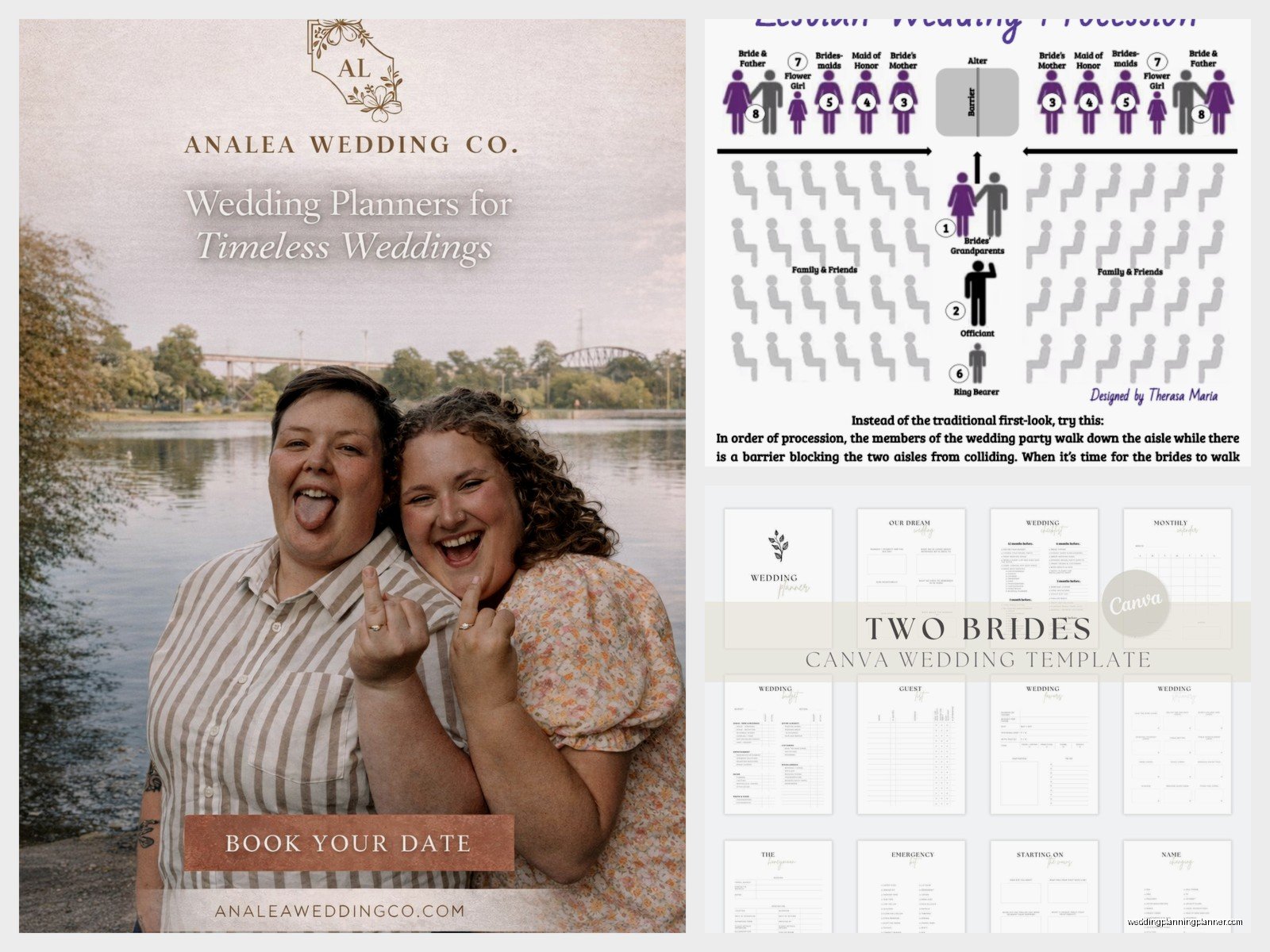
Some couples do a unity walk where they walk in together. Some have both sets of parents walk them down. Some walk solo. Some skip the aisle entirely and start the ceremony already standing together. There’s literally no rule book and a good planner will help you figure out what feels authentic.
The Terminology Thing
Language matters so much in wedding planning. Your planner should be asking what terms you prefer. Bride and bride? Wife and wife? Partner? Just your names? Some couples love the word bride, others hate it, and both are valid.
Programs and invitations should reflect your choices. I’ve done ceremonies where we used “beloved” and “cherished one” instead of bride. I’ve done others where both women wore white gowns and were absolutely brides in every traditional sense. The point is that it’s your choice and your planner should make that happen without making it weird.
Design and Aesthetic Considerations
Here’s something that kinda bugs me – the assumption that lesbian weddings are gonna be either super feminine (lots of pastels and flowers) or super masculine (dark colors and industrial venues). Like, people contain multitudes, you know?

A good planner will ask about your actual style preferences without assumptions. Maybe you want a romantic garden wedding with blush roses everywhere. Maybe you want a modern minimalist loft with geometric centerpieces. Maybe you want a Halloween-themed wedding because you got engaged on Halloween and you both love spooky stuff (I’ve done this, it was amazing).
Your planner should also navigate the whole “who wears what” conversation if you want that support. Some couples coordinate their outfits carefully, some intentionally contrast, some don’t think about it much at all. All valid. But if you’re both dress shopping and want to keep it a secret from each other, your planner can help coordinate that without spoiling the surprise.
Legal Stuff Your Planner Should Know
Even though same-sex marriage is legal federally in the US, there can still be state-specific quirks and your planner should be aware of them, or at least know to check. They should also have officiant recommendations who are experienced with lesbian weddings and won’t make it weird.
Some couples want to incorporate legal name changes into their planning timeline. Others are keeping their names. Some are hyphenating. Some are creating entirely new combined names. Your planner should help you think through the timing of name changes if you’re doing them – like, when to change your name on vendor contracts, when to order stationery, etc.
Budget Real Talk
Wedding planning services cost money, but a good planner can actually save you money by negotiating vendor contracts, preventing costly mistakes, and keeping you from impulse purchases when you’re stressed. I’ve talked clients out of spending $3,000 on things they didn’t actually want but thought they “should” have.
Average lesbian wedding costs are roughly the same as straight weddings in the same area, though some studies suggest slightly higher because LGBTQ+ couples are more likely to prioritize vendor values over just finding the cheapest option, which… yeah, that tracks.
Your planner should help you allocate budget based on your actual priorities. If you don’t care about flowers but you want an amazing photographer, that’s how we build the budget. If you want to splurge on the venue and keep everything else simple, cool, let’s do that.
Payment Structures
Most planners work on either a flat fee or percentage of total budget (usually 10-20%). Some do hourly for partial planning. Make sure you understand what’s included and what costs extra. Do they charge for vendor site visits? For extra revision rounds? For additional hours on the wedding day?
Get everything in writing. This protects both of you.
Communication Style Matters
You’re gonna be talking to your planner a lot. Like, a lot a lot. Make sure you actually like them as a person and feel comfortable being yourself around them. If you feel like you’re code-switching or explaining your relationship dynamics constantly, they’re not the right planner.
Ask about their communication preferences. Are they email people? Text? Phone calls? How quickly do they typically respond? What happens if there’s an emergency the week of the wedding?
I’m a texter, personally. I tell couples upfront that I’m fastest on text and they can reach me pretty much anytime. Some planners are more formal and prefer scheduled calls. Neither is wrong but you should know what you’re getting.
The Actual Wedding Day
On the day itself, your planner becomes the point person for literally everything. Vendors should be contacting them, not you. Problems get solved before you even know they existed. You should be getting ready, enjoying time with your people, and focusing on marrying your person.
I always tell couples that my job on wedding day is to be so good at handling things that they forget I’m there – until they need me, and then I appear like some kind of organizational fairy godmother with bobby pins and safety pins and whatever else is needed.
Your planner should have a detailed timeline that they’ve shared with all vendors. They should do a final walkthrough before guests arrive. They should have an emergency kit (seriously, these things are lifesavers – I’ve got everything from stain remover to Advil to sewing supplies to phone chargers).
Questions to Ask Potential Planners
When you’re interviewing planners, here’s what to actually ask:
- How many lesbian weddings have you planned?
- Can I see photos or talk to references from lesbian couples?
- How do you handle family members who might not be fully supportive?
- What’s your vendor vetting process for LGBTQ+ friendliness?
- How do you handle unexpected issues on the wedding day?
- What’s included in your packages and what costs extra?
- What’s your cancellation or postponement policy?
- Do you have backup staff if you’re sick or there’s an emergency?
- How do you handle budget overruns?
Also just trust your gut. If something feels off in the consultation, listen to that feeling. If you leave the meeting feeling excited and understood, that’s a good sign.
What About Destination Weddings
If you’re planning a destination wedding, you might work with both a planner in your home city for the initial planning and a local coordinator at the destination. Make sure both are LGBTQ+ friendly and that they communicate with each other.
Some destinations are more LGBTQ+-friendly than others. Your planner should be honest about this. Like, I love a beach wedding, but I’m gonna have real talk with couples about which beach destinations are genuinely welcoming versus which ones are legally okay with it but culturally not great.
Destination weddings also have different legal requirements depending on location. Your planner should help you navigate marriage license requirements, whether you need witnesses, waiting periods, all that stuff. Or help you decide if you want to legally marry at home and just have a celebration ceremony at the destination, which is what a lot of couples do actually.
Post-Wedding Services
Some planners offer post-wedding services like helping you with thank-you card lists, dealing with vendor final payments, preserving your wedding dress, or even planning a post-wedding brunch. Ask what’s included and what you might want.
I always send my couples a detailed recap with all their vendor information, final budgets, and photos of the setup so they have everything documented. Some planners do this, some don’t, but it’s worth asking about because it’s actually really helpful to have all that information in one place later… or so I’ve heard from couples who wanted to recreate centerpieces for their anniversary party or whatever.
Anyway, the main thing is finding someone who sees you as whole people, respects your relationship, and can execute your vision without you having to constantly educate them about basic LGBTQ+ stuff. You deserve to enjoy your wedding planning, not spend it explaining why you don’t need a groom or defending your choices to someone you’re literally paying to help you.
