
Planning Guides, Style Guide
Personal Wedding Planner: Professional Services Guide

Oct
So You’re Thinking About Hiring a Wedding Planner
Look, I’ve been doing this for almost 15 years now and the number of couples who contact me not knowing what wedding planners actually DO is kinda wild. Like they think we just show up on the day with a clipboard and boss people around. Which, okay, I do boss people around but there’s so much more to it.
First thing you gotta understand is that there are different service levels. Not every planner does everything, and honestly not every couple needs everything. I learned this the hard way back in summer 2021 when I had a bride who thought she was getting full planning service but had only paid for month-of coordination and then got really upset when I couldn’t magically produce vendor recommendations three months before her wedding. That was… not a fun conversation.
Full Service Planning (The Whole Shebang)
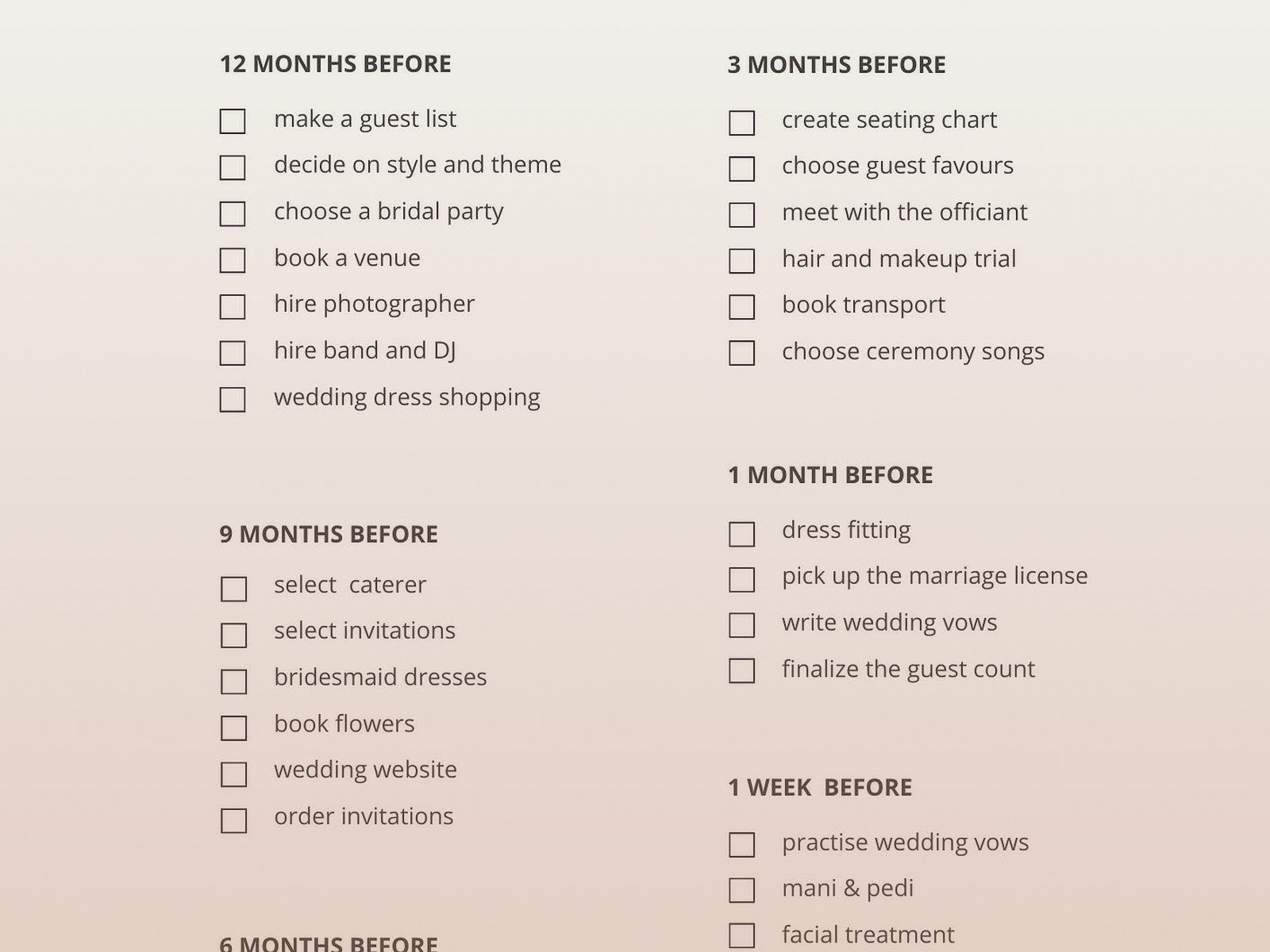
This is where the planner is involved from like day one. You get engaged, you call me, and we start working together immediately. I’m talking 12-18 months before the wedding typically.
What you’re actually getting: budget creation and management, venue tours and selection, vendor sourcing and contract negotiation, design concept development, timeline creation, guest list management, RSVP tracking, seating charts, ceremony rehearsal coordination, and day-of execution. Also approximately 847 panicked text messages at 11pm because you suddenly need to know if your florist can do peonies in February (they can’t, they’re not in season, we’ve had this conversation).
The planner attends vendor meetings with you, reviews contracts before you sign them, creates those detailed timeline documents that tell everyone where to be and when, and basically becomes your wedding project manager. I use project management software for this stuff now but when I started I was doing everything in Excel spreadsheets and my cat walked across my keyboard once and deleted an entire seating chart. Fun times.
Cost-wise you’re looking at anywhere from $3,000 to $10,000+ depending on your location and the planner’s experience level. In major cities it can go way higher. And yes I know that sounds like a lot but a good planner can actually save you money by negotiating vendor contracts and preventing expensive mistakes.
Partial Planning (The Middle Ground)
This is for couples who want to do some stuff themselves but need professional help with the rest. Usually starts about 4-6 months before the wedding.
Maybe you’ve already booked your venue and caterer but you’re drowning in the details and can’t figure out how to… I don’t know, make a reception timeline that doesn’t have your first dance happening at 11pm when half your guests have already left. Or you need someone to find you a good DJ because the one your cousin recommended plays too much Nickelback.
With partial planning I’m coming in mid-process. We assess what you’ve already done, identify gaps, and I take over specific aspects. Could be design and decor, could be vendor management, could be just the logistics and timeline stuff. It’s customizable which is nice but also means you need to be clear about what you actually need help with.
This usually runs $2,000-$5,000 depending on scope. The thing that annoyed me for YEARS about partial planning is when couples would book it but then not actually let me do my job because they’d already promised their mom they’d handle the florals or whatever, so then I’m trying to coordinate around decisions I’m not part of and it gets messy.
Month-Of or Day-Of Coordination
Okay so this is the most misunderstood service and I could write a whole separate rant about this. It’s not actually “day of” – that’s literally impossible. I need at least 4-6 weeks before your wedding to be effective.
What happens is: you’ve planned everything yourself, booked all your vendors, made all your decisions. Then I come in about a month before and take all that information, organize it, create a comprehensive timeline, confirm everything with your vendors, run your rehearsal, and manage the actual wedding day.
I’m the person making sure the florist delivers to the right location, the caterer starts service on time, your drunk uncle doesn’t grab the mic during toasts, and your bustle gets bustled before the reception. I’m also the one dealing with emergencies – and there are ALWAYS emergencies. Spring 2023 I had a wedding where the cake delivery van broke down and I had to coordinate getting the cake transported in the bakery owner’s personal SUV while simultaneously dealing with a bridesmaid who’d locked herself out of the bridal suite. Good times.
This typically costs $1,500-$3,000. It’s the most popular service because it’s the most affordable but you need to understand that I can only work with what you give me. If you’ve made questionable vendor choices or your timeline is physically impossible, I can’t fix that a month out.
What to Look For When Hiring
First, check if they’re certified. I’m certified through the American Association of Certified Wedding Planners but there are other legitimate certifications too. It’s not required to be a good planner but it shows they’ve invested in education and professional development.
Experience matters but don’t just look at years – look at number of weddings and variety. Someone who’s done 100 weddings in 5 years has more experience than someone who’s done 20 weddings in 10 years. And if all their weddings are at the same venue or all the same style, they might not be flexible enough for your needs.
Ask about their planning process. How do they communicate? What software do they use? How many meetings are included? When I consult with potential clients, I walk them through my entire process from initial planning meeting through post-wedding follow-up. If a planner can’t clearly explain their process, that’s a red flag.
Portfolio and references are obvious but also check their vendor relationships. A well-connected planner has relationships with quality vendors and can often get you better pricing or availability. I’ve gotten couples into fully-booked venues because I had a relationship with the coordinator there.

The Money Conversation
Let’s talk about how planners charge because it varies and you need to understand what you’re paying for.
Percentage of budget: Some planners charge 10-20% of your total wedding budget. This was more common years ago and I personally don’t love it because it creates a weird incentive structure. Like theoretically I make more money if your wedding costs more which… feels icky to me?
Flat fee: This is what I do now. You pay a set amount based on the service level. It’s transparent and you know exactly what you’re paying upfront. Usually paid in installments – like 50% to book, 25% halfway through planning, 25% a month before the wedding.
Hourly: Some planners charge hourly, usually $75-$300 per hour depending on experience and location. This can work for specific consultation needs but gets expensive for full planning.
Make sure you understand what’s included and what costs extra. Are vendor site visits included? How many? What about additional meetings beyond the standard package? Some planners charge for travel outside a certain radius. Get everything in writing.
Red Flags to Watch Out For
If a planner doesn’t have a contract, run. Seriously. Professional planners have detailed contracts that outline services, payment terms, cancellation policies, and liability. I spent like $800 having a lawyer review my contract template and it’s saved me from so many potential issues.
Be wary of planners who push specific vendors really hard, especially if they’re resistant to alternatives. Some planners get kickbacks from vendors which is… okay there’s debate in the industry about this but I think it’s an ethical gray area. I have preferred vendor lists but I’m always open to couples using their own vendors.
Watch out for planners who don’t ask you questions. If someone’s just telling you what your wedding should be without understanding your vision, personality, or priorities, they’re not gonna be a good fit. I have a whole questionnaire I send couples before our first meeting that covers everything from their love story to their biggest wedding worries to whether they’re morning people or night owls (this actually matters for timeline planning).
Also if they’re not organized during the hiring process, they’re not gonna magically become organized for your wedding. If they’re late to your consultation, don’t follow up when they say they will, or seem scattered… that’s who they are.
Working With Your Planner Effectively
Okay so you’ve hired someone, now what? The relationship works both ways and I can tell you from experience that the smoothest weddings are when couples and planners communicate well.
Be honest about your budget from the start. I can’t help you if you tell me your budget is $50k but you actually only have $30k and you’ve already spent $15k on the venue. Like I need real numbers to plan effectively. Also understand that your planner is gonna push you to allocate budget to things you might not have thought about – contingency funds, vendor meals, tips, etc.
Respond to emails and requests in a reasonable timeframe. I’m not expecting immediate responses but if I send you something that needs a decision and you disappear for three weeks, that delays everything. I had a couple once who were so bad at responding that I literally couldn’t confirm vendor details until two weeks before their wedding and it was incredibly stressful for everyone.
Trust your planner’s expertise but also speak up if something doesn’t feel right. You hired a professional, so listen to their advice about things like timeline logistics and vendor recommendations. But it’s your wedding, so if they’re pushing a design direction you hate, say something. Good planners want you to love your wedding, not just execute their vision.
Keep all your wedding stuff organized in whatever system your planner uses. If they’ve set up a shared planning portal or folder, actually use it. Don’t send me random screenshots via text at midnight and then get frustrated when I can’t find that one detail about the centerpieces three weeks later. Everything in the system, always.
What Planners Actually Do On Wedding Day
Since this is what people are usually most curious about… my wedding day typically starts about 2-3 hours before the ceremony. I’m confirming vendor arrivals, checking setup, making sure the venue is arranged correctly, distributing flowers and boutonnieres, cueing the processional, managing the timeline during cocktail hour and reception, and troubleshooting every single thing that goes sideways.
I carry an emergency kit that weighs like 20 pounds and has everything from safety pins to superglue to tissues to granola bars. I’ve hemmed dresses, bustled trains, fixed broken shoes, calmed down crying mothers, and once physically held together a arbor that was falling apart during the ceremony (the wind was insane that day and the rental company had set it up wrong).
I’m the bad guy so you don’t have to be. If a vendor is running late or doing something wrong, I handle it. If a guest is being inappropriate, I deal with it. If Uncle Jerry needs to be cut off from the bar… well, that’s a conversation I’m gonna have, not you.
Most importantly, I’m making sure you actually get to enjoy your wedding. You shouldn’t be worrying about whether the caterer has started serving dinner or if the DJ knows what song to play for the cake cutting. That’s literally what you paid me for.
Questions to Ask Before You Book
Here’s what you should actually ask during consultations because I’m always surprised by what couples don’t ask:
How many weddings do you take per weekend? If someone’s doing three weddings on a Saturday, they’re stretched too thin. I max out at one per day, sometimes two if one’s a morning ceremony and the other’s an evening reception with enough travel time between.
Do you have backup? What happens if you get sick or have an emergency? I have a network of planner colleagues who can step in, and that’s outlined in my contract. You need to know there’s a plan B.
What’s your communication style and availability? Am I available 24/7? Nah. I have office hours and emergency contact info for true emergencies. But some planners are more available than others, so figure out what you need.
Can we see a real timeline and planning document from a past wedding? This shows you their organizational style and attention to detail. Mine are like 20+ pages with every single thing mapped out minute by minute.
What’s your approach to problem-solving? Ask for examples of things that went wrong and how they handled them. Every wedding has issues – you want someone who stays calm and solutions-focused.
The Stuff Nobody Tells You
Your planner is gonna know things about your wedding that you don’t. Like I’ve had vendors tell me about delivery issues or timeline concerns that they didn’t want to “bother” the couple with. That’s fine, that’s my job, but just know we’re managing stuff behind the scenes constantly.
We also see family dynamics that you might not notice because you’re in it. I’ve headed off family drama more times than I can count by strategic timeline planning and careful seating arrangements. There’s a psychology to this job that nobody talks about.
The relationship can get intense. You’re gonna share a lot of personal stuff with your planner – family issues, budget stress, relationship dynamics. It’s kinda like therapy sometimes except I’m definitely not qualified for that and also we’re planning a party. But good planners are discreet and professional about everything they learn.
And honestly? Sometimes we become friends with our clients and sometimes we don’t, and both are fine. I’ve been to client baby showers and I’ve had clients I never spoke to again after their wedding. The goal is a successful wedding, not necessarily a lifelong friendship, though those are nice when they happen.
The bottom line is that a good wedding planner is worth every penny if you need the service level you’re paying for. But you gotta be realistic about what you need, what you can afford, and what you’re willing to delegate. Some couples are better off doing it themselves with some consultation hours. Others need full service from day one. There’s no wrong answer, just figure out what works for you before you start booking.
