
Planning Guides, Style Guide
Wedding Management Services: Complete Guide

Oct
So You’re Thinking About Wedding Management Services
Okay so wedding management services are basically split into three main categories and most people don’t realize there’s a huge difference between them until they’re like two months out from their wedding and panicking. You’ve got full-service planning, partial planning, and day-of coordination (which honestly should be called month-of coordination but whatever, the industry stuck with the confusing name).
Full-service is when you hire someone from the very beginning – like right after you get engaged. I’m talking venue shopping, vendor recommendations, budget spreadsheets, the whole nine yards. This is gonna run you anywhere from $3,000 to $10,000+ depending on your location and how extra your wedding is. I had this client back in summer 2021 who hired me for full-service and she literally wanted to be copied on every single email I sent to vendors, which… I mean I get it, it’s your wedding, but also kinda defeats the purpose of hiring someone to handle the details, you know?
Full-Service Planning Is The Works
When you’re doing full-service planning, you’re essentially getting a project manager for the entire wedding. This starts usually 12-18 months before the wedding date. You meet with your planner and go over vision boards, color schemes, guest count estimates, and most importantly – the budget. God, the budget conversations are always awkward because couples either have unrealistic expectations or they’re embarrassed about what they can spend.
Here’s what I actually do in full-service mode: I maintain a master timeline that tracks every deadline from save-the-dates to final payment schedules. I attend venue tours with you (usually 3-5 venues before you pick one). I send you vendor recommendations with actual pricing ranges because nothing annoys me more than when planners recommend vendors without giving clients a heads up about cost. Like, don’t send someone to a florist who charges $8,000 minimum when their total flower budget is $2,000. Come on.
I also handle all the contract reviews, which is huge because wedding vendor contracts can be sneaky. I’ve caught everything from automatic gratuity charges that weren’t disclosed verbally to cancellation policies that basically mean you lose everything if you cancel for any reason. You need someone reading that fine print who isn’t emotionally invested and sleep-deprived.
Partial Planning Is The Middle Ground
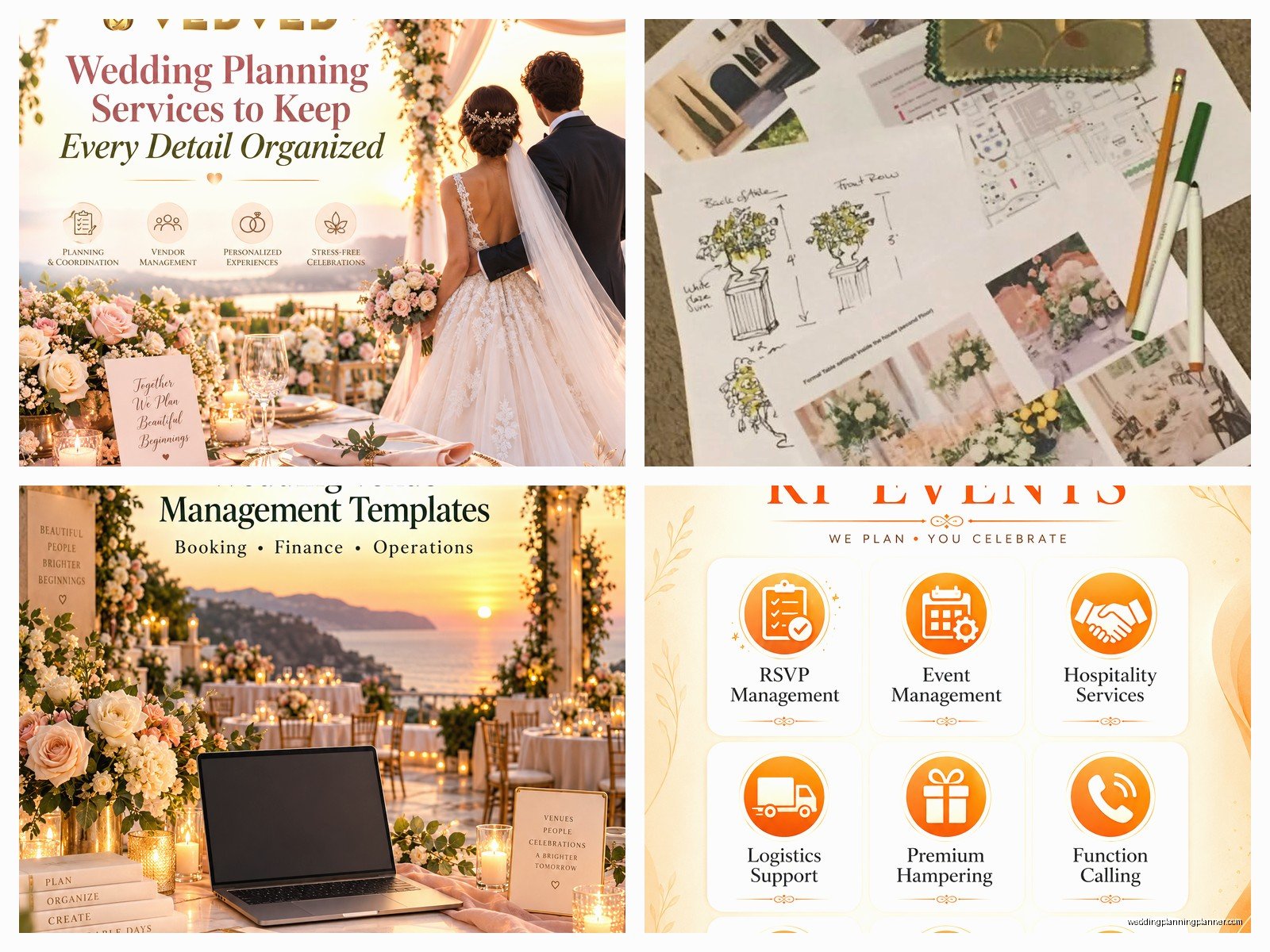
Partial planning is for couples who already booked their major vendors – venue, caterer, photographer – but need help pulling everything together. Maybe you started planning on your own, got overwhelmed, and realized you need backup. This usually kicks in about 4-6 months before the wedding.
What I do here: I review what you’ve already booked, identify gaps (oh you don’t have ceremony musicians? no hair and makeup artist? what’s the bathroom situation at this outdoor venue?), and then help you fill those gaps. I create your detailed timeline, coordinate with all your vendors leading up to the day, handle the rehearsal, and obviously run the actual wedding day.
Partial planning typically costs $2,000-$5,000. It’s perfect for people who enjoy some of the planning process but don’t want to deal with the logistical nightmare that is the final few months. Because let me tell you, the last 8 weeks before a wedding is when everything happens at once and vendors start asking you seventeen questions a day.
Day-Of Coordination Explained
This is the most misunderstood service and it drives me insane. People think “day-of” means I show up the morning of the wedding, wing it, and somehow everything works out. Nah. Day-of coordination actually starts about 4-6 weeks before your wedding.
I reach out to all your vendors to introduce myself, confirm arrival times, and get contact information. I review your Pinterest boards and notes to understand your vision. We have at least two meetings – one about a month out to go over all the details, and one the week of to finalize the timeline. I attend your rehearsal to direct it. Then on the wedding day, I’m there usually 2-3 hours before guests arrive and I stay until the reception is pretty much over.
What I’m actually doing day-of: setting up your décor items (centerpieces, place cards, favors, signage), directing your ceremony, cueing musicians, managing the timeline throughout the reception, handling vendor questions, solving problems you don’t even know are happening, bustling your dress, keeping your drunk uncle from giving an unplanned speech… the list goes on.
Day-of coordination runs about $1,200-$2,500. It’s the bare minimum you should have unless you’re having a tiny backyard wedding with like 20 people. And even then, honestly, someone should be in charge who isn’t in the wedding party.
What’s Actually Included In These Services
Alright so let me break down what’s typically included versus what costs extra because this varies wildly between planners and you gotta read your contract carefully.
Usually included:
- Vendor communication and coordination
- Timeline creation and management
- Rehearsal direction
- Wedding day coordination and setup
- Problem-solving and emergency kit
- Unlimited email communication (some planners limit this though)
Often costs extra:
- Additional meetings beyond what’s specified
- Travel fees if your venue is outside their normal service area
- Extra coordination hours (like if you have a welcome party the night before)
- Assistant coordinators (needed for weddings over 150 guests usually)
- Décor setup beyond basic items
- Vendor sourcing fees
I charge extra for assistant coordinators and honestly you need them for larger weddings. I can’t be in the bridal suite helping you into your dress while simultaneously checking that the ceremony chairs are set up correctly. Physics doesn’t work that way.
How To Actually Choose A Wedding Planner
Okay so choosing a planner is kinda like dating – you need someone whose communication style matches yours. If you’re someone who wants daily check-ins, don’t hire a planner who takes three days to respond to emails. If you’re laid-back and don’t want to be bothered with every tiny decision, find someone who’s comfortable making calls without running everything by you first.
Questions you should ask during consultations:
- How many weddings do you take per month/year?
- Will you personally be at my wedding or will you send an associate?
- What’s your backup plan if you’re sick or have an emergency?
- Can I see a sample timeline from a recent wedding?
- What’s your refund/cancellation policy?
- Do you have liability insurance?
That last one is important and most couples don’t even think about it. If your planner accidentally knocks over a $500 centerpiece or causes some other damage, you want them insured.
Red Flags To Watch Out For
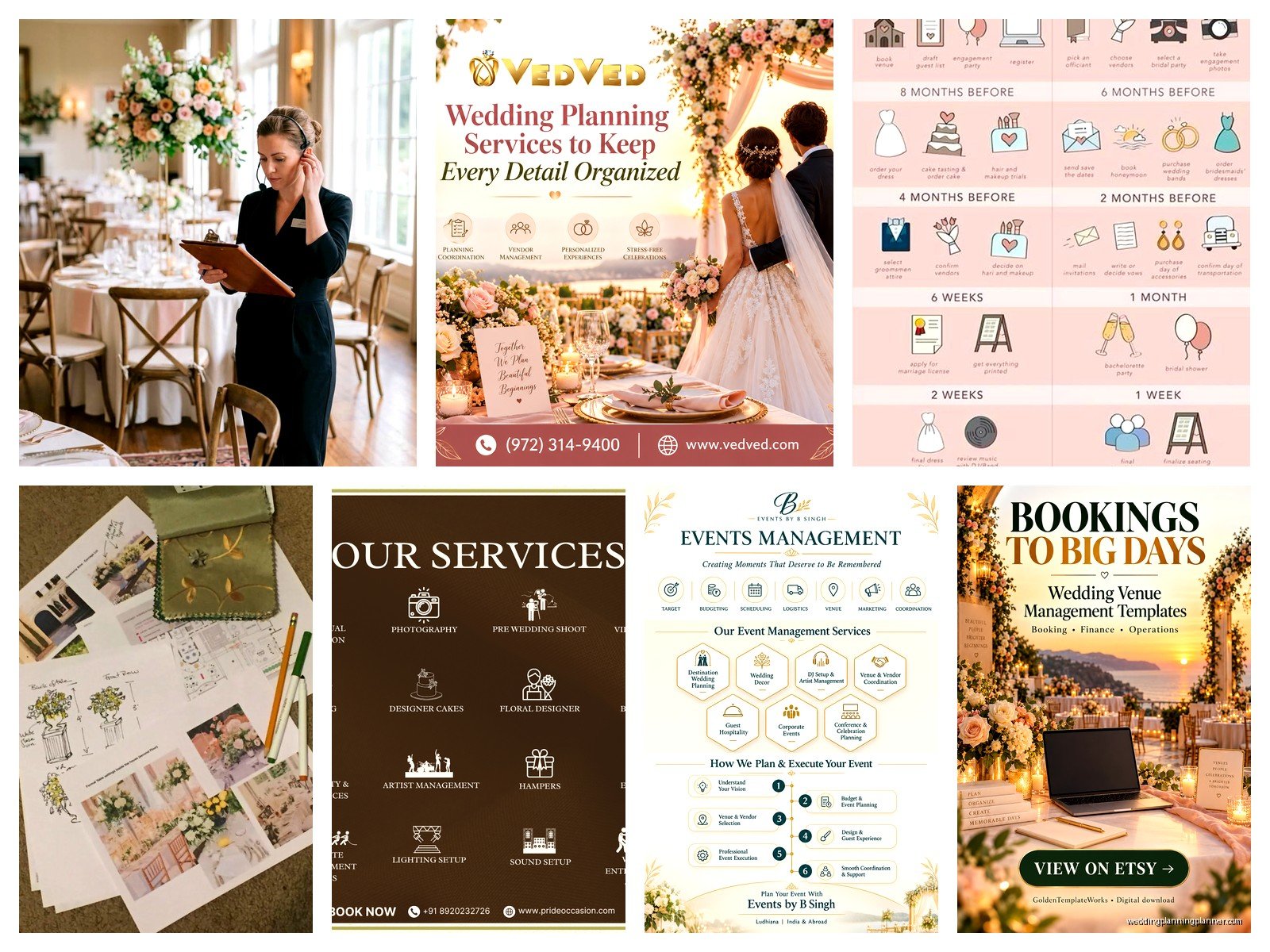
I’ve heard horror stories from couples who hired the wrong planner, so here’s what to avoid. If someone promises they can plan your 200-person wedding for $500, run. That’s not sustainable and they’re either brand new or about to go out of business. If they won’t show you references or a portfolio, that’s sketchy. If they pressure you to book their “preferred vendors” without giving you options, they might be getting kickbacks (which isn’t always bad but should be disclosed).
Also – and this happened to me once where I had to take over for another planner who bailed – if your planner goes MIA for more than a week without explanation, start looking for a backup immediately. In spring 2023 I got an emergency call from a bride whose planner just… stopped responding six weeks before the wedding. Turns out the planner was going through some personal stuff and just ghosted all her clients. I had to jump in and basically do six months of work in six weeks. We pulled it off but I was running on caffeine and spite for that entire month.
The Money Talk Nobody Wants To Have
Let’s talk about what wedding planners actually cost in real numbers because the internet gives you these huge ranges that aren’t helpful. I’m in a mid-sized market, not NYC or LA, but not rural Kansas either.
My full-service planning starts at $4,500 and goes up based on guest count and complexity. A 50-person backyard wedding is priced differently than a 250-person ballroom wedding with multiple events. Partial planning runs $2,800-$4,000. Day-of coordination is $1,800 for up to 150 guests, then I add $200 for each additional 50 guests because I need to bring an assistant.
Most planners require a retainer (usually 25-50% of the total fee) to book your date, then the rest is due in installments. I do 50% to book, 25% at three months out, and final 25% two weeks before the wedding. Some planners want everything paid before the wedding day which I totally understand – it’s hard to chase payment when you’re exhausted after a 14-hour work day.
Something that annoys me: couples who try to negotiate planner fees down significantly. Like, I’m not a venue where there’s built-in profit margin on food and beverage minimums. My fee is based on the actual hours I’m gonna work. When someone asks for a 30% discount, they’re basically asking me to work for free for a huge chunk of time. Would you ask your photographer to shoot your wedding but only edit half the photos? It’s the same thing.
What Actually Happens Behind The Scenes
People don’t realize how much work happens that they never see. For every hour I’m at your wedding, I’ve probably worked 3-4 hours beforehand on emails, timeline adjustments, vendor coordination, and logistics planning.
A typical week leading up to a wedding: I’m confirming final headcounts with the caterer, sending the timeline to all vendors, reviewing the floor plan, coordinating delivery times for rentals, checking weather forecasts obsessively if it’s outdoor, preparing my emergency kit, printing backup copies of everything, and usually talking someone down from a last-minute panic about something that won’t matter at all.
On wedding day I’m there early setting up card boxes, arranging seating charts, steaming tablecloths if needed, directing vendors to load-in areas, and… okay this is gonna sound weird but I’m also usually the person who has to tell Great Aunt Susan that no, she can’t rearrange the seating chart because she doesn’t want to sit near her ex-husband’s new wife. Family drama is like 30% of my job and nobody warns you about that in wedding planner training.
DIY Planning Versus Hiring Help
Look, some people can totally plan their own wedding without a coordinator. If you’re having a small wedding (under 75 people), you’re naturally organized, you have a wedding party member who’s willing to be the point person on the day, and your venue has a good coordinator, you might be fine.
But here’s the thing – even if you plan everything yourself, please please please hire at minimum a day-of coordinator. You cannot enjoy your own wedding if you’re worried about whether the caterer showed up or if someone needs to flip the ceremony sign to direct people to cocktail hour. Your mom shouldn’t be bustling your dress. Your maid of honor shouldn’t be troubleshooting the DJ’s equipment issues.
I had a cousin who insisted on doing everything herself for her wedding and I watched her spend her entire cocktail hour on her phone dealing with a vendor issue. She barely ate at her own reception because she was so stressed about keeping things on schedule. It made me sad because that’s literally what I do – I handle that stuff so you can actually be present at your wedding.
Questions People Always Ask Me
Can you plan a wedding in 3 months? Yes, but it’s stressful and your vendor options are limited. Most good vendors book 12-18 months out for peak season dates.
Do I need a planner for a destination wedding? Honestly, even more so than a local wedding. You can’t exactly drive to the venue to check on setup when you’re in another state or country. Most destination planners are based in that location which is ideal, or you bring yours along (travel costs extra though).
What if I don’t like my planner after I’ve booked? Read your contract’s cancellation policy. Most planners keep the retainer but refund anything beyond that if you cancel with enough notice. Some have sliding scale refunds based on how close to the wedding you cancel.
My cat literally just knocked over my coffee while I’m writing this, so there’s that. Anyway.
The Actual Wedding Day Timeline
Here’s what a typical timeline looks like from a coordinator’s perspective, which might help you understand what we’re actually doing:
Morning of (8am-12pm): Meeting vendors as they arrive for setup, directing placement of everything from tables to floral arrangements, doing final venue walkthrough, setting up décor items, checking restrooms are stocked, testing sound systems.
Getting ready time (12pm-3pm): Usually checking in with the couple(s), making sure everyone’s on schedule, delivering any items needed, handling any last-minute questions or issues. This is when forgotten marriage licenses or missing boutonnières get discovered and I have to solve those problems.
Ceremony time (3pm-4pm): Lining up the processional, cueing musicians, directing guests, managing any special elements like unity ceremonies or cultural traditions, making sure the officiant has the rings.
Cocktail hour (4pm-5pm): This is when I’m flipping the ceremony space to reception mode (if same location), checking place cards are all out, confirming any last-minute changes with catering, making sure the couple gets drinks and appetizers because they always forget to eat.
Reception (5pm-10pm): Managing the timeline for introductions, first dance, toasts, dinner service, cake cutting, parent dances, open dancing. Keeping things moving but not rushed. Handling the inevitable issues that pop up. Making sure the couple actually gets to eat their dinner.
End of night (10pm-11pm): Coordinating send-off if there is one, gathering personal items and gifts, making sure nothing gets left behind, tipping vendors if that’s part of my duties, usually helping load gifts into someone’s car.
By the end of the night I’ve walked approximately 47 miles in heels and I’m exhausted but also riding that high of pulling off another successful event. It’s weird how that works.
Working With Difficult Family Members
Oh man, this deserves its own section because family dynamics can make or break the planning process. I’ve dealt with overbearing mothers who want to control everything, fathers who think the whole wedding is a waste of money, divorced parents who refuse to be in the same room, and siblings who cause drama because they’re not in the wedding party.
My job often includes being a buffer between the couple and their families. If mom keeps texting you seventeen times a day with “suggestions” (demands), you can redirect her to email me instead. I can be the bad guy who says no to things. I can enforce boundaries without the emotional baggage. That’s honestly worth the planner fee right there for some couples.
The key is establishing early on who has decision-making authority. I make couples fill out a form that literally says “who gets final say on decisions” and “who should I contact with questions” because otherwise you get situations where the couple picks one thing, mom changes it, and then everyone’s confused and upset.
Things That Can Go Wrong And How We Fix Them
Let me tell you about some actual disasters I’ve handled: Caterer showed up an hour late (I extended cocktail hour and nobody noticed). Flower girl refused to walk down the aisle (I walked with her holding her hand). Best man lost the rings (had backup rings in my emergency kit). Sudden thunderstorm during outdoor ceremony (moved everything inside in 20 minutes). Bride’s bustle broke during first dance (safety pins and ingenuity). DJ’s equipment failed (had the band extend their set while we troubleshot).
This is what you’re paying for – someone who can solve problems without freaking out or bothering you about them. Most couples never know half the things that went wrong at their wedding because I fixed them before they became visible issues.
My emergency kit includes: safety pins, bobby pins, hair spray, band-aids, blister pads, stain remover, sewing kit, scissors, tape (clear and double-sided), super glue, tissues, breath mints, tampons, pain relievers, antacids, a phone charger, and this tiny steamer that has saved many wrinkled dresses.
The worst thing that can happen is something completely out of anyone’s control – like a genuine emergency or illness. That’s why backup plans matter and why your vendors should all have their own backup plans or associate networks.
Honestly the biggest thing I’ve learned after doing this for years is that almost nothing that feels like a crisis in the moment actually matters. The napkins are ivory instead of cream? Nobody will notice. The ceremony started 10 minutes late? Doesn’t matter. The cake topper fell off? We’ll fix it. What matters is that two people are getting married and everyone’s there to celebrate that, and as long as I can keep the focus on that part, everything else is just details that we’ll figure out as we go.
