Planning Guides, Style Guide
David Tutera My Fair Wedding: Brand Review & Guide
Mar
Okay So David Tutera My Fair Wedding Is Actually Really Useful for Your Brand
I rewatched like three seasons of this show in summer 2021 when I was completely stuck on a rebrand project for my own wedding planning business and honestly? The way David approaches wedding transformations is basically a masterclass in brand consistency. Which sounds weird because it’s a reality TV show about turning bridezillas into elegant brides, but hear me out.
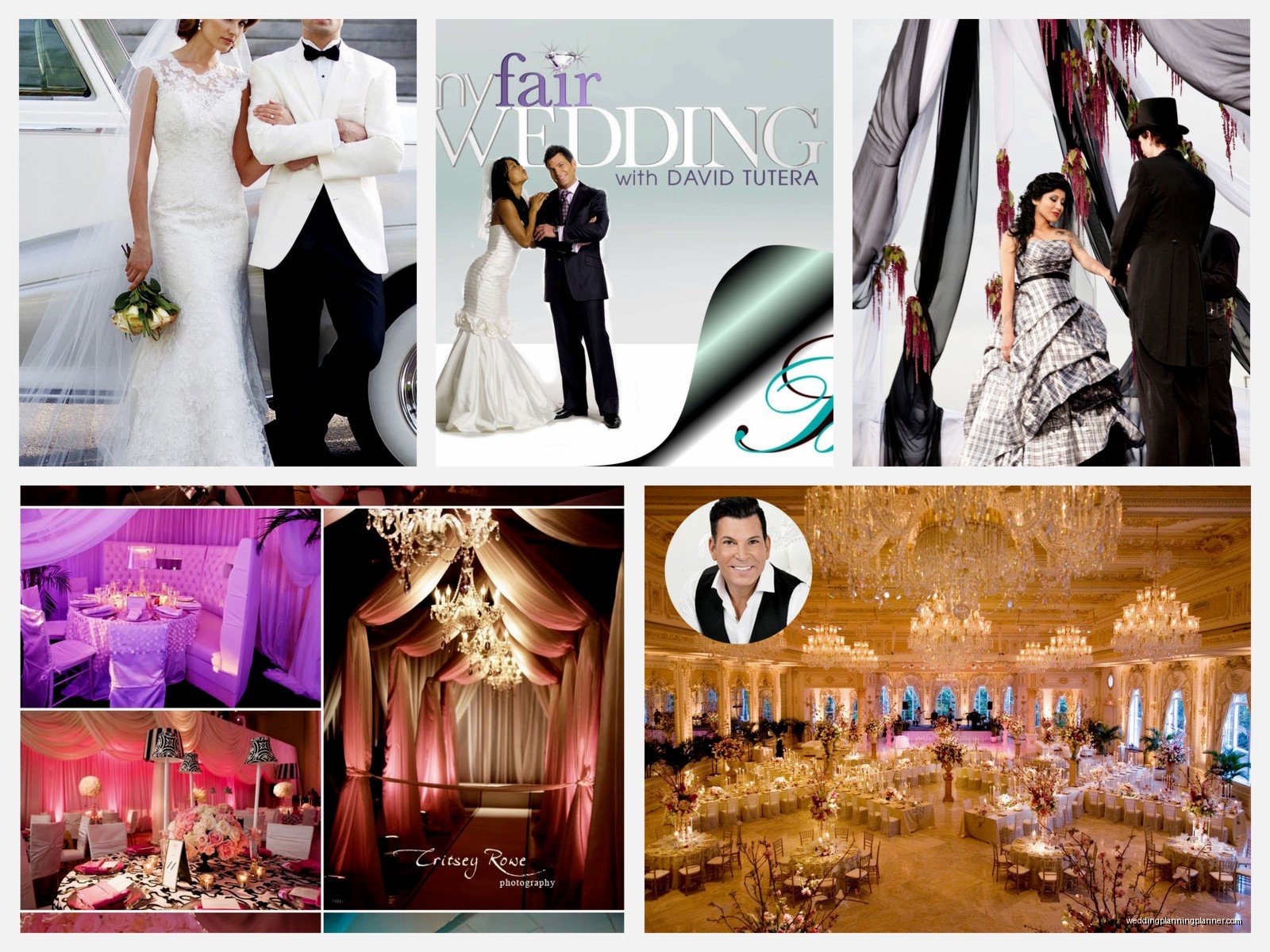
The show ran on WE tv from 2008 to 2013 and the format was pretty straightforward—brides with over-the-top wedding plans would get a David Tutera intervention where he’d strip everything back and rebuild it with his signature elegant, sophisticated style. And that’s the thing about David’s brand approach that you can actually apply to wedding planning businesses: he has non-negotiable brand pillars that show up in literally every single episode.
The Core Brand Elements He Never Compromises On
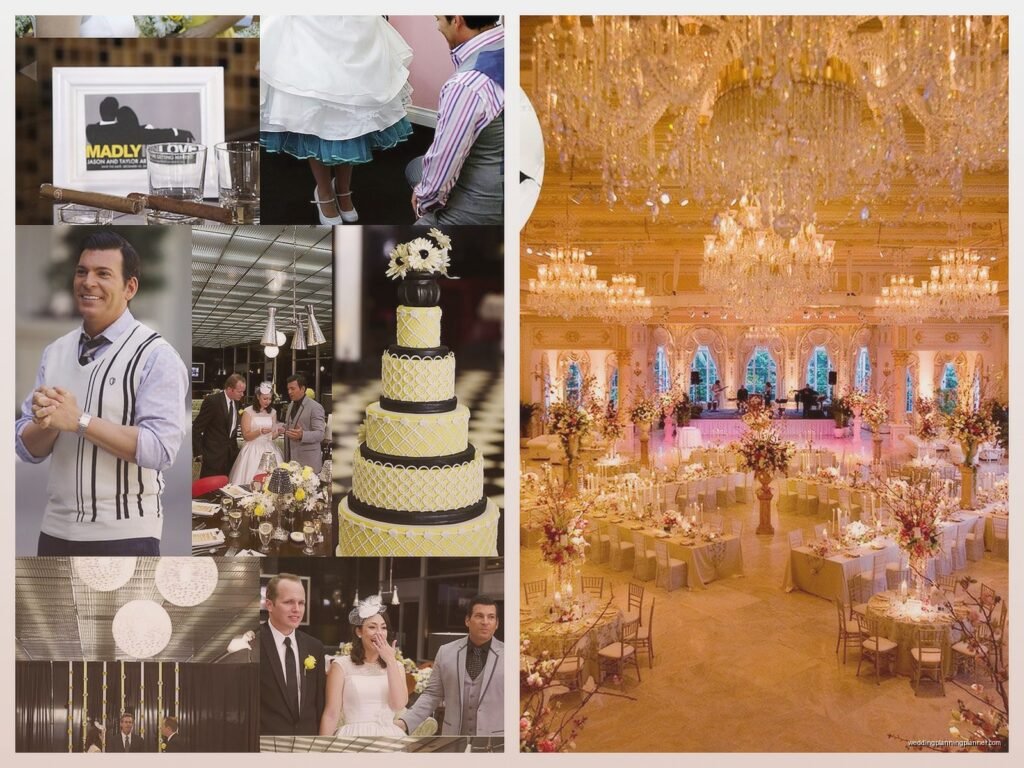
David’s whole thing is elegance, sophistication, and what he calls “elevated” design. Every wedding he touches ends up with crystal, white or ivory as the base palette, lots of candlelight, and these sweeping romantic gestures that feel expensive even when they’re done on a budget. His brand is so strong that you could watch any episode with the sound off and know it’s a David Tutera wedding within like 30 seconds.
For your own wedding planning brand, this is the part where you gotta ask yourself what YOUR non-negotiables are. I had a bride in spring 2023 who wanted me to plan this ultra-rustic barn wedding with burlap everywhere and mason jars and I just… I couldn’t do it authentically because that’s not my brand aesthetic. David would’ve said no too or transformed it into something that fit his vision. That’s not being difficult—that’s brand integrity.
His Signature Visual Language
Every David Tutera event has these repeated visual elements and honestly it got kinda predictable by season 3 but that’s also what made his brand SO strong:
- Crystal everything—chandeliers, candelabras, beaded linens, crystal-studded invitations
- Monograms absolutely everywhere (on napkins, dance floors, projected onto walls)
- Aisle decor that’s always symmetrical and usually involves florals at varying heights
- Reception tables with tall centerpieces alternating with low ones
- A “wow moment” entrance for the bride that he plans specifically for photos
- Lounge areas with tufted furniture in white or ivory
- Lots of draping fabric to soften harsh venue spaces
The repetition is the POINT. When you see those elements, you think David Tutera. When clients come to you, they should be able to identify your signature style too. Mine involves a lot of paper goods layering and I always do at least one unexpected stationery moment at the reception—like custom coasters or illustrated menus that double as keepsakes.
The Thing That Lowkey Annoyed Me Though
David had this habit of completely dismissing what the bride originally wanted, and while it made for good TV drama, it’s not actually great brand practice for YOUR business unless you’re marketing yourself as the “I know better than you” planner. Which… some planners do! And that’s fine if it’s authentic to your brand. But most of us need to find the balance between having a signature style and actually listening to clients.
There was this one episode where a bride wanted a Venetian masquerade theme and David was just like “nah, we’re doing romantic elegance instead” and yes, the final product was gorgeous, but she literally cried because it wasn’t what she envisioned. So like, take the brand consistency lesson but maybe don’t take the steamroller approach unless that’s genuinely your business model.
How He Communicated His Brand Through The Show
The show itself was basically a 42-minute commercial for David’s brand and this is where it gets interesting for wedding planners trying to build their own visibility. Every episode followed the same structure:
Opening scene shows the bride’s “before” vision (always portrayed as tacky or over-the-top), David meets with her and diplomatically tears apart her ideas while explaining his elevated vision, there’s a mid-episode crisis where something goes wrong, then the final reveal where everyone cries because it’s so beautiful. That narrative structure reinforced his brand message: trust the expert, elegant is always better than trendy, and professional design trumps DIY every time.
For your brand, think about the narrative you’re telling. Are you the planner who saves chaotic brides? The one who makes magic happen on small budgets? The luxury-only planner who works with high-end clients exclusively? Your brand story should be as consistent as David’s was.
His Consultation Style As Brand Building
In every episode, David sits down with the bride and her family for this consultation scene where he presents his vision boards and sketches. He always shows up in a fitted suit, has professional presentation materials, and speaks with this calm authority that positions him as THE expert. It’s very “I’m going to educate you on what good taste looks like” energy.
Your client consultations are brand touchpoints too. What are you wearing? How are you presenting information? I switched to custom-branded presentation folders in 2022 and the difference in how clients perceived my professionalism was immediate. David understood that every interaction reinforces brand perception—or weakens it.
The Budget Conversation and Brand Positioning
One thing David did that was actually super smart for brand positioning—he rarely talked about specific costs on the show. Everything was framed as “we’re going to create this elevated experience” without getting into the weeds of line-item budgets. This positioned his services as investment-level rather than commodity-level.
Obviously you need to discuss budgets with real clients but the WAY you talk about money is part of your brand. Are you the budget-friendly planner who’s proud of stretching dollars? Or are you positioning yourself as the luxury investment? David was firmly in the luxury camp even when working with modest budgets—he’d just scale the elements but never the aesthetic standards.
My cat just knocked over my coffee which is perfect timing because I need to mention the thing that David did that I thought was gonna be cheesy but actually worked really well for his brand…
The Emotional Transformation Narrative
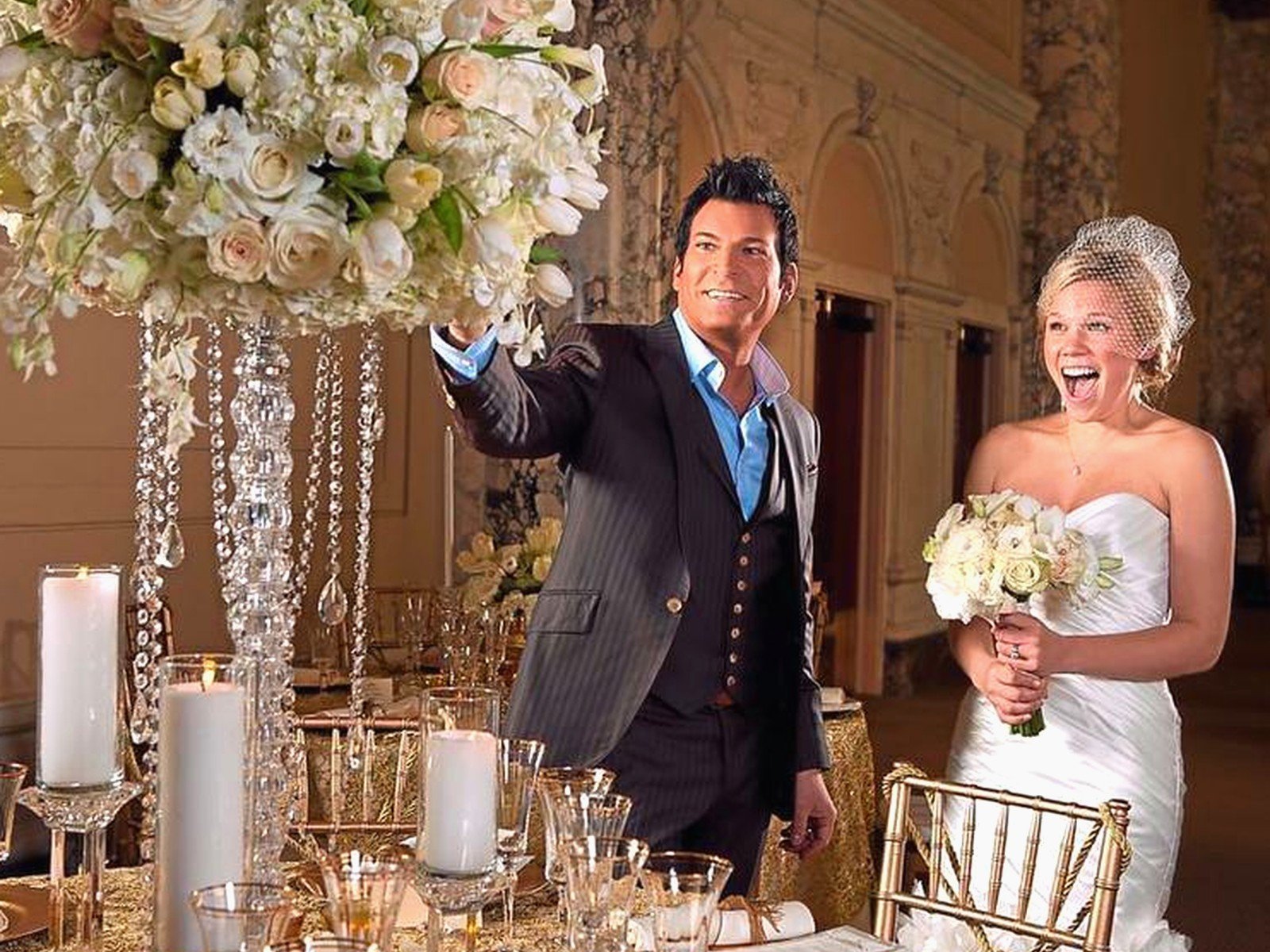
Every episode wasn’t just about transforming the wedding—it was about transforming the BRIDE. David always positioned himself as helping brides become the best version of themselves, not just throwing a pretty party. The bride starts out stressed, tacky, or bridezilla-ish, and ends up this elegant, glowing, sophisticated version of herself.
This emotional transformation narrative is powerful for wedding planning brands because it elevates what you do from “party planner” to “life moment curator” or however you wanna frame it. You’re not just picking centerpieces—you’re helping clients step into a new chapter of their lives with intention and style.
I started incorporating this into my own brand messaging around 2020 and it changed the types of clients I attracted. Instead of price-shoppers, I started getting clients who valued the experience and guidance as much as the pretty details.
Brand Extensions Done Right
David leveraged the show into a whole empire—books, a product line at RK Bridal, speaking engagements, more TV shows. Each extension stayed consistent with his core brand: elegant, accessible luxury, expert guidance. His product line wasn’t cheap Amazon knockoffs—it was mid-to-high-range items that reflected his aesthetic.
If you’re thinking about extending your wedding planning brand into products, stationery design, consulting, or whatever, the My Fair Wedding approach shows you how to do it without diluting your brand. Everything should feel like it comes from the same aesthetic and philosophical place.
What Modern Wedding Planners Can Steal From This
Okay so here’s where I break down the actual practical applications because I know I’ve been sorta rambling…
Define your 5-7 signature elements that show up in every wedding you plan or every stationery suite you design. For David it was crystal, monograms, symmetry, candlelight, elegant color palettes, dramatic entrances, and lounge spaces. What are yours? Write them down and make sure they’re present in your portfolio and your marketing.
Create a consistent visual language across all your brand touchpoints. Your website, Instagram, client presentations, thank you notes—they should all feel cohesively YOU. David’s show, website, and product line all had the same visual vibe. You’d never confuse his aesthetic with anyone else’s.
Develop your consultation process as a brand experience. How you meet with clients, present information, and guide them through decisions should reinforce your brand positioning. Are you the warm, nurturing planner? The efficient, no-nonsense expert? The creative visionary? Your process should reflect that.
Know what you WON’T do. David wouldn’t do rustic. He wouldn’t do themed weddings that weren’t elegant. He had clear boundaries that actually strengthened his brand because ideal clients knew exactly what they were getting. What’s your version of “I don’t do barn weddings with burlap”?
The Portfolio Problem
One challenge with the David Tutera approach is that his weddings started looking really similar after a while, and some critics said he just did the same wedding over and over with minor variations. For your brand, you gotta find the balance between consistency and variety. You want people to recognize your style but not feel like they’re getting the exact same wedding as the last bride.
I handle this by having signature elements that always appear but in different combinations and scales depending on the client’s personality and venue. So like, I always do custom illustrated elements in my stationery work, but the illustration style and color palette varies. The consistency is in the craftsmanship and attention to detail, not in making everything look identical.
Using Media and Content Like David Did
The show was obviously David’s biggest marketing tool, but you don’t need a TV show to apply his content strategy. He used the show to demonstrate his expertise, showcase his process, and let potential clients see exactly what working with him would be like. You can do this with:
- Instagram Stories showing your process from consultation through execution
- Blog posts breaking down your design decisions for real weddings
- YouTube videos of walkthroughs or setup timelapses
- TikTok before-and-after transformations
- Email newsletters that teach your design philosophy
The key is consistency in your messaging and aesthetic across all platforms, just like how every episode of My Fair Wedding reinforced the same brand values and visual style.
Handling Client Pushback While Maintaining Brand
David got pushback from brides literally every episode, and his approach was to listen just enough to make them feel heard, then redirect to his vision while incorporating maybe one small element they wanted. It’s… a technique. Sometimes it came across as dismissive, but it kept his brand consistent.
In your business, you’ll need to figure out your own balance. I had this situation during a really stressful client meeting in fall 2022 where the bride wanted these LED neon signs everywhere and it was just SO not my brand aesthetic. I ended up compromising by doing one tasteful neon sign for the cocktail hour but keeping the reception in line with my signature romantic paper goods style. She was happy, I didn’t compromise my portfolio, everyone won.
The lesson from David is that having strong brand boundaries actually attracts better-fit clients. If you try to be everything to everyone, you end up with a muddy brand that doesn’t stand out.
Pricing and Packaging Through a Brand Lens
David’s services were clearly positioned as premium, and the show never apologized for that. Even when working with “modest” budgets, the messaging was about investment and value, not about being cheap or budget-friendly. Your pricing structure and how you package your services communicates your brand positioning.
If you’re trying to build a luxury brand, you can’t have a $500 planning package listed on your website. If you’re building an accessible, budget-conscious brand, you can’t only show $100k weddings in your portfolio. David knew his lane and stayed in it, which is probably why he became THE name in wedding planning for a certain demographic.