
Planning Guides, Style Guide
Spanish Wedding Planner: Professional Services Guide

Oct
What Spanish Wedding Planners Actually Do (And Why You Might Need One)
So you’re getting married in Spain or you want a Spanish-themed wedding and you’re wondering if hiring a wedding planner is worth it. Look, I’ve coordinated weddings from Barcelona to Seville, and the services vary SO much depending on who you hire and what you actually need. Let me break down what professional Spanish wedding planners actually offer because there’s a lot of confusion out there.
First off, Spanish wedding planners aren’t just translators, though that’s honestly a huge part of it if you’re not fluent. I had this couple from Chicago back in spring 2023 who thought they could just email Spanish vendors in English and… nah. It was a disaster before they hired me. The florist thought they wanted 50 centerpieces when they wanted 15, the venue double-booked them, and don’t even get me started on the catering miscommunication about dietary restrictions.
Full-Service Planning vs Partial Planning vs Day-Of Coordination
This is where people get confused and honestly, some planners don’t explain it well which kinda annoys me. Full-service planning means I’m involved from literally day one. We’re talking 12-18 months before your wedding usually. I help you pick the venue, negotiate contracts, design the entire aesthetic, coordinate all vendors, manage your budget, handle logistics, and I’m there on the day making sure everything runs smoothly.
Partial planning is when you’ve maybe already booked your venue and a few vendors but you need help pulling everything together. This usually starts about 4-6 months out. You’ve done some legwork but you’re realizing it’s more complicated than you thought, especially if you’re dealing with Spanish bureaucracy and vendor contracts that are, let’s just say, different from what you’re used to.
Day-of coordination is literally just me showing up about a month before to learn your plan, then executing it on the wedding day. You’ve done all the planning yourself, but you need someone to actually run the show so you can enjoy it.

Venue Selection and Site Visits
If you’re hiring a Spanish wedding planner for full service, venue selection is usually where we start. Spain has everything from cortijos (country estates) in Andalusia to beachfront hotels in Costa Brava to historic palaces in Madrid. I usually send clients a questionnaire first about their vision, guest count, budget, and preferred region.
Then I compile a shortlist of maybe 5-8 venues that actually fit their needs. Here’s the thing though – Spanish venues often have exclusive caterer lists or they make you use their in-house catering, which can be amazing or… not. I always check this first because it affects your entire budget and menu options.
Site visits are essential if you’re planning a destination wedding in Spain. I coordinate these, arrange transportation, sometimes even book hotels for clients. During the visit, we tour venues, meet key staff, taste food, and I’m there translating and asking the questions you might not think to ask. Like, where do guests park? What’s the backup plan if it rains? What time does music have to stop due to noise ordinances?
Vendor Management and Contracts
This is probably the most valuable service honestly. Spanish vendor contracts are different. They’re often more… flexible? But also vaguer? I’ve seen contracts that don’t specify exact flower types or just say “decoración elegante” which could mean literally anything.
A good Spanish wedding planner has established relationships with vendors. I’ve worked with the same florist in Marbella for six years, and she gives my clients priority booking and better rates. Same with photographers, musicians, hair and makeup artists. These relationships matter because during peak season (May-October), good vendors book up a year in advance.
I handle all vendor communication, which means translating your vision into Spanish, negotiating contracts, reviewing proposals, and making sure everyone’s on the same page. I also know which vendors are reliable and which ones… well, I learned the hard way about a DJ in Valencia who showed up two hours late, so I don’t work with him anymore.
Payment structures are different too. Many Spanish vendors want 50% upfront, then the remaining 50% a month before the wedding. Some want cash on the day for final payment, which can be tricky if you’re coming from abroad and don’t want to carry thousands of euros around.
Design and Styling Services
Some planners are stronger in logistics, others in design. I’m honestly more of a logistics person but I work with design specialists when clients want elaborate styling. Spanish weddings tend to be more formal and traditional than American weddings, but there’s this growing trend of mixing traditional elements with modern design.
Design services include creating a cohesive aesthetic, choosing color palettes, designing tablescapes, selecting linens and tableware, creating invitation suites (obviously my favorite part since I do stationery consulting), and coordinating rentals. If you want specialty items like a vintage car, custom signage, lounge furniture, or unique lighting, that falls under design coordination.
I create design boards and mock-ups so you can visualize everything. We have planning meetings where we review fabric swatches, invitation samples, menu cards, and photos of similar setups. My cat knocked over my coffee onto a client’s fabric samples once during a video call and I thought I was gonna die but we laughed about it later.
Timeline Creation and Logistics Management
Spanish weddings run on a different schedule than American weddings. Ceremonies often start at 7 or 8 PM, then there’s a cocktail hour, dinner doesn’t start until 10 or 11 PM, and the party goes until 4 or 5 AM. I’m not even exaggerating.
Creating a realistic timeline is crucial. I map out everything from vendor arrival times to when the couple needs to start getting ready to when speeches happen (usually during dinner courses) to when the cake cutting is (often around 1 AM). Spanish weddings also traditionally have a late-night “re-cena” which is like a second lighter meal served around 2 AM because people are still dancing and drinking.
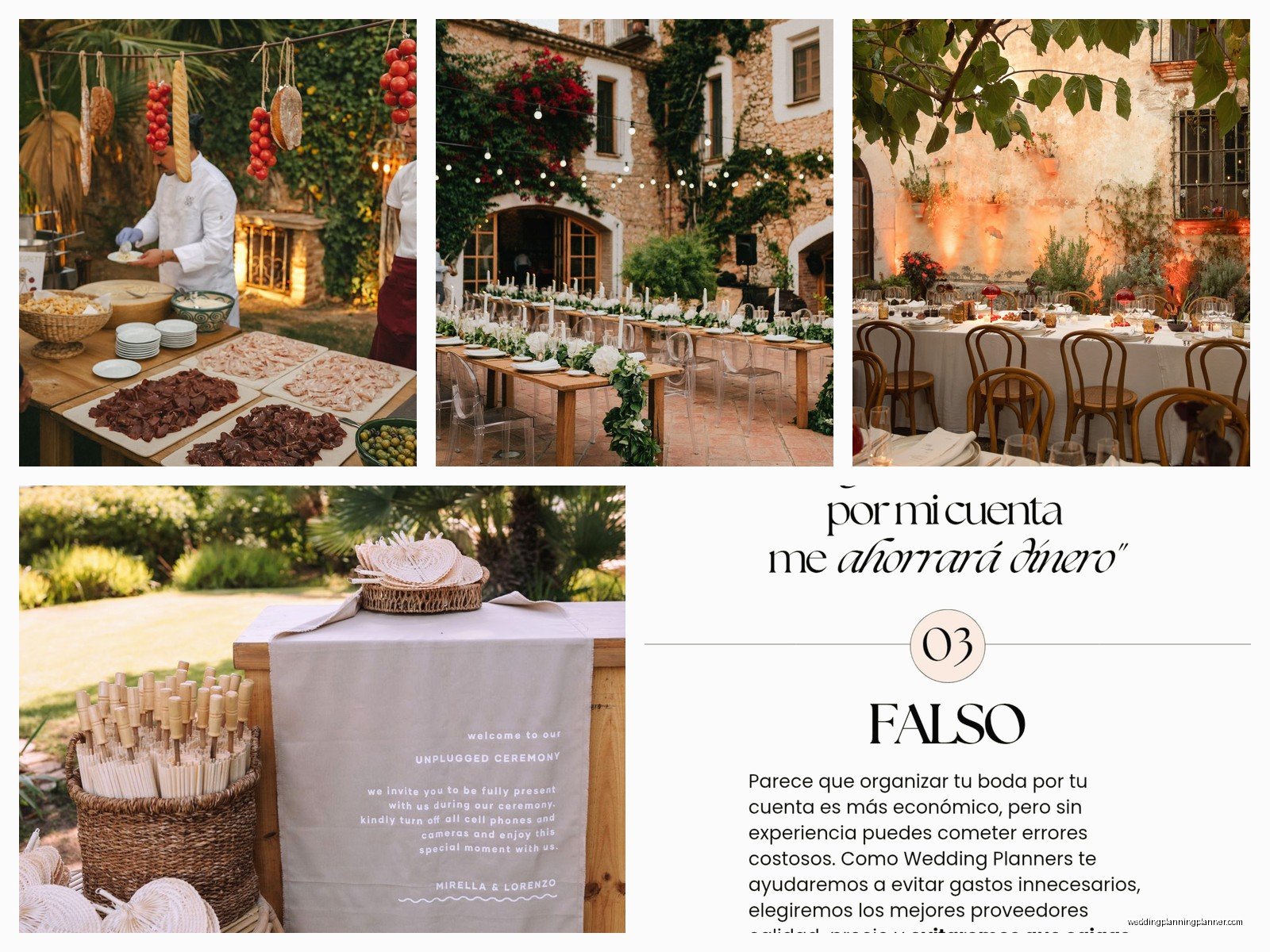
Logistics management includes arranging transportation for guests, coordinating hotel room blocks, planning welcome activities if it’s a destination wedding, managing RSVPs, creating seating charts, and handling all the tiny details that come up. Where do the gifts go? Who’s in charge of the guest book? What time should the flower delivery arrive? When does the band need to do their sound check?
Legal Requirements and Paperwork
Okay this is where it gets complicated and honestly it’s one of the biggest reasons people hire Spanish wedding planners. If you’re getting legally married in Spain (not just having a ceremony there), the paperwork is intense.
You need birth certificates, certificates of no impediment, sometimes divorce decrees if applicable, and everything needs to be translated by an official translator and apostilled. Different regions in Spain have slightly different requirements. Getting married in a Catholic church requires additional documentation and pre-marriage courses.
I don’t handle the legal paperwork myself – I’m not a lawyer – but I connect clients with gestors (administrative specialists) who do this for a living. I coordinate the process and make sure everything’s submitted on time. The whole process can take 2-3 months, so you gotta start early.
Civil ceremonies can be held at town halls or at licensed venues. Religious ceremonies have their own requirements depending on the denomination. Symbolic ceremonies (not legally binding) are the easiest and most flexible, which is why many destination wedding couples do the legal part at home and just have a beautiful ceremony in Spain.
Budget Management
I track every single expense in a detailed spreadsheet. Spanish weddings can range from €15,000 for an intimate gathering to €100,000+ for a luxury destination wedding with 150 guests. The average I see is around €30,000-€40,000 for about 80-100 guests.
Your biggest expenses are usually venue and catering (often 40-50% of the budget), followed by photography and video, flowers and decor, and entertainment. Spanish venues typically charge per person for food and drink, ranging from €80-€200+ per person depending on the level of service and menu.
I help clients allocate their budget wisely. If photography is your priority, we spend more there and find savings elsewhere. If you want an elaborate floral installation, we might choose simpler table settings. It’s all about balance and knowing where you can negotiate or find alternatives.
One thing that annoys me is when vendors increase prices right before the wedding, claiming “seasonal price adjustments” or whatever. This is why detailed contracts are essential. I always include clauses that lock in pricing unless there are significant changes to the order.
Cultural Consultation
Spanish weddings have specific customs and traditions that might be unfamiliar. The arras (13 gold coins exchanged during the ceremony), the mantilla veil, the way toasts work, the gift-giving customs – these are things I explain to clients so they can decide what to incorporate.
Regional differences matter too. A wedding in Basque Country will have different traditions than one in Catalonia or Andalusia. I help clients navigate these cultural elements respectfully, especially if they’re blending Spanish traditions with their own cultural background.
Guest expectations are different too. Spanish guests expect a full multi-course meal, unlimited alcohol, and hours of dancing. The idea of a cake-and-punch reception or a brunch wedding would be kinda weird to traditional Spanish guests. I help clients understand these expectations so they can plan accordingly.
Communication and Language Services
Beyond just translating, I’m the communication hub between you and all your Spanish vendors. This means I’m fielding emails, making phone calls, having in-person meetings, and making sure nothing gets lost in translation – literally or figuratively.
I create vendor contact lists with everyone’s information, preferred communication methods, and payment schedules. I send regular updates to clients, usually weekly during the planning process and daily as the wedding approaches. Some clients want tons of communication, others prefer monthly check-ins unless something urgent comes up.
On the wedding day, I’m constantly communicating with vendors, the venue staff, the couple’s family members, and anyone else who needs information. I use walkie-talkies or WhatsApp groups to stay connected with my assistant and key vendors.
Day-Of Coordination Details
On the actual wedding day, I usually arrive at the venue about 4-6 hours before guests arrive. I oversee vendor setup, check that everything’s where it should be, handle any last-minute issues, and make sure the timeline stays on track or… well, as on track as Spanish weddings stay, which is sort of flexible.
I coordinate the ceremony processional, cue musicians, make sure the officiant has what they need, and handle any technical issues. During cocktail hour, I’m checking that catering is running smoothly and the photographer is getting the shots we discussed. I also make sure the couple actually gets to eat some cocktail hour food because they never do otherwise.
Throughout dinner and the reception, I’m troubleshooting. The best man can’t find his speech notes? I have a backup copy. The cake topper is missing? I’ve got a simple elegant option in my emergency kit. The band’s microphone stops working? I’m on it. Summer 2021, a venue’s entire sound system died 20 minutes before the ceremony and I had to coordinate renting backup equipment from a vendor 30 minutes away – we delayed the ceremony by 45 minutes and made it work.
I also manage the cleanup and make sure personal items (guest book, gifts, leftover favors, the bride’s bouquet) get to the right people at the end of the night.
Emergency Kit and Problem-Solving
Every experienced planner has an emergency kit. Mine includes safety pins, fashion tape, stain remover, sewing kit, pain relievers, antacids, Band-aids, bobby pins, hair spray, clear nail polish, super glue, scissors, tape, tissues, mints, phone chargers, and probably twenty other things I’m forgetting.
But beyond the physical kit, problem-solving is about staying calm and finding solutions quickly. Vendors running late, weather changes, family drama, wardrobe malfunctions, drunk guests – I’ve dealt with all of it. The couple should never know about most problems because that’s literally what they’re paying me for.
Post-Wedding Services
Some planners offer post-wedding services like handling vendor payments (if you’ve set up an escrow arrangement), collecting and distributing final photos and videos, managing gift tracking, coordinating the return of rented items, or even planning post-wedding brunches or activities.
I also follow up with vendors to get final invoices, handle any disputes or issues, and make sure everything’s wrapped up properly. If there were problems during the wedding, I address them professionally with the vendors involved and sometimes negotiate partial refunds or credits.
Pricing Structures
Spanish wedding planners typically charge in one of three ways: a flat fee, a percentage of the total wedding budget (usually 10-15%), or an hourly rate. Full-service planning with a percentage fee is common for larger weddings. Flat fees work well for smaller weddings or when the budget is modest. Hourly rates are usually for consulting services or partial planning.
Day-of coordination typically costs €800-€2,000 depending on the planner’s experience and the wedding’s complexity. Partial planning might be €2,000-€5,000. Full-service planning can range from €3,000 to €10,000+ for luxury weddings.
Travel expenses are usually additional if the planner needs to travel to your venue location for site visits and the wedding day. Some planners based in popular wedding regions include local travel in their fee but charge extra for destinations outside their area.
When you’re hiring a Spanish wedding planner, ask exactly what’s included in their fee, what’s extra, how they handle changes to the scope of work, and what their payment schedule looks like. Most planners want a deposit to secure your date (usually 25-50% of the total fee), then the balance is split into payments leading up to the wedding.
