
Planning Guides, Style Guide
Wedding Event Coordinator: Day-of Management Services
Sep
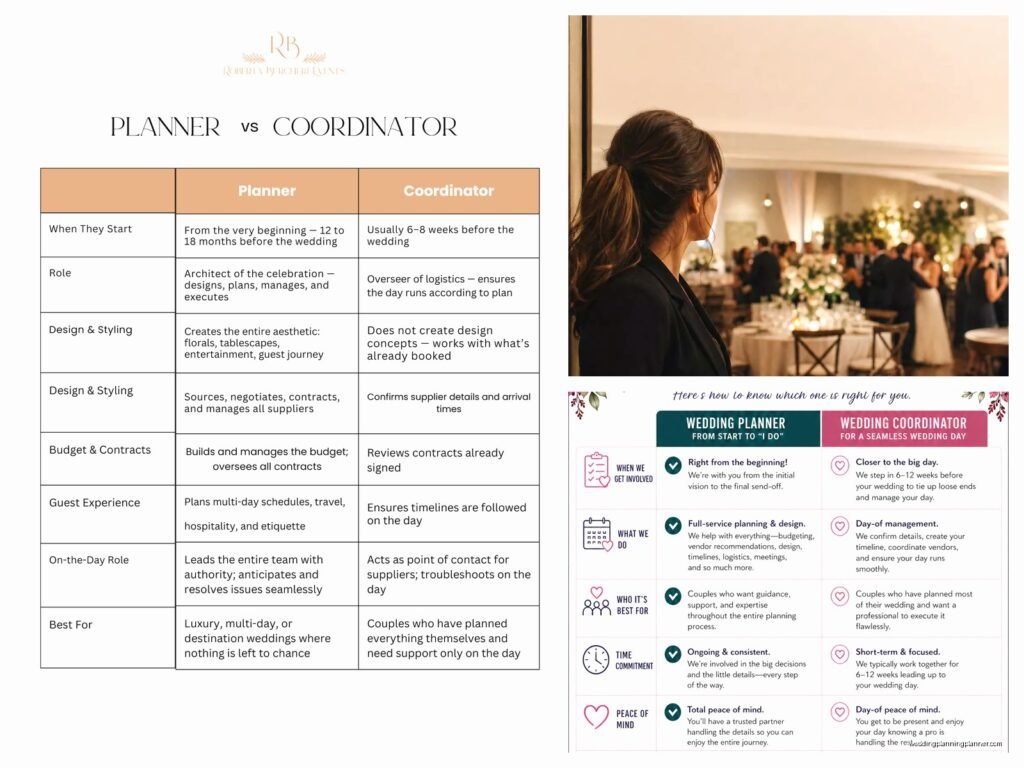
What Day-of Coordination Actually Means
Okay so first thing – day-of coordination is kinda a misleading name because it’s never actually just the day of. Most coordinators start working with you like 4-6 weeks before your wedding, sometimes even earlier. I had this bride in spring 2023 who thought she could just hire me the week before and I had to explain that no, I need at least a month to actually do my job properly. She was stressed and I get it, but you can’t just expect someone to walk in cold and manage 150 people and 8 vendors without prep time.
The whole point of hiring a day-of coordinator is that you’ve already done the planning – picked your venue, booked your vendors, chosen your colors, designed your timeline. You just need someone to execute everything so you’re not texting your florist at 7am on your wedding day or hunting down your DJ to make sure he knows the correct pronunciation of your new last name.
The Pre-Wedding Stuff Nobody Talks About
So about 4-6 weeks out, your coordinator is gonna reach out and start gathering information. This is where you hand over literally everything. And I mean everything – vendor contracts, floor plans, your Pinterest boards if they’re relevant, the family dynamics (yes, we need to know which relatives shouldn’t be seated together), dietary restrictions, your vision for how things should flow.
I usually schedule at least one big meeting, sometimes two. We go through your timeline hour by hour, sometimes minute by minute. You tell me what you’ve planned, I tell you where the gaps are or where things might not work logistically. Like if you’ve scheduled cocktail hour for 45 minutes but your photographer needs you for family photos that’ll take 40 minutes… well, you see the problem.
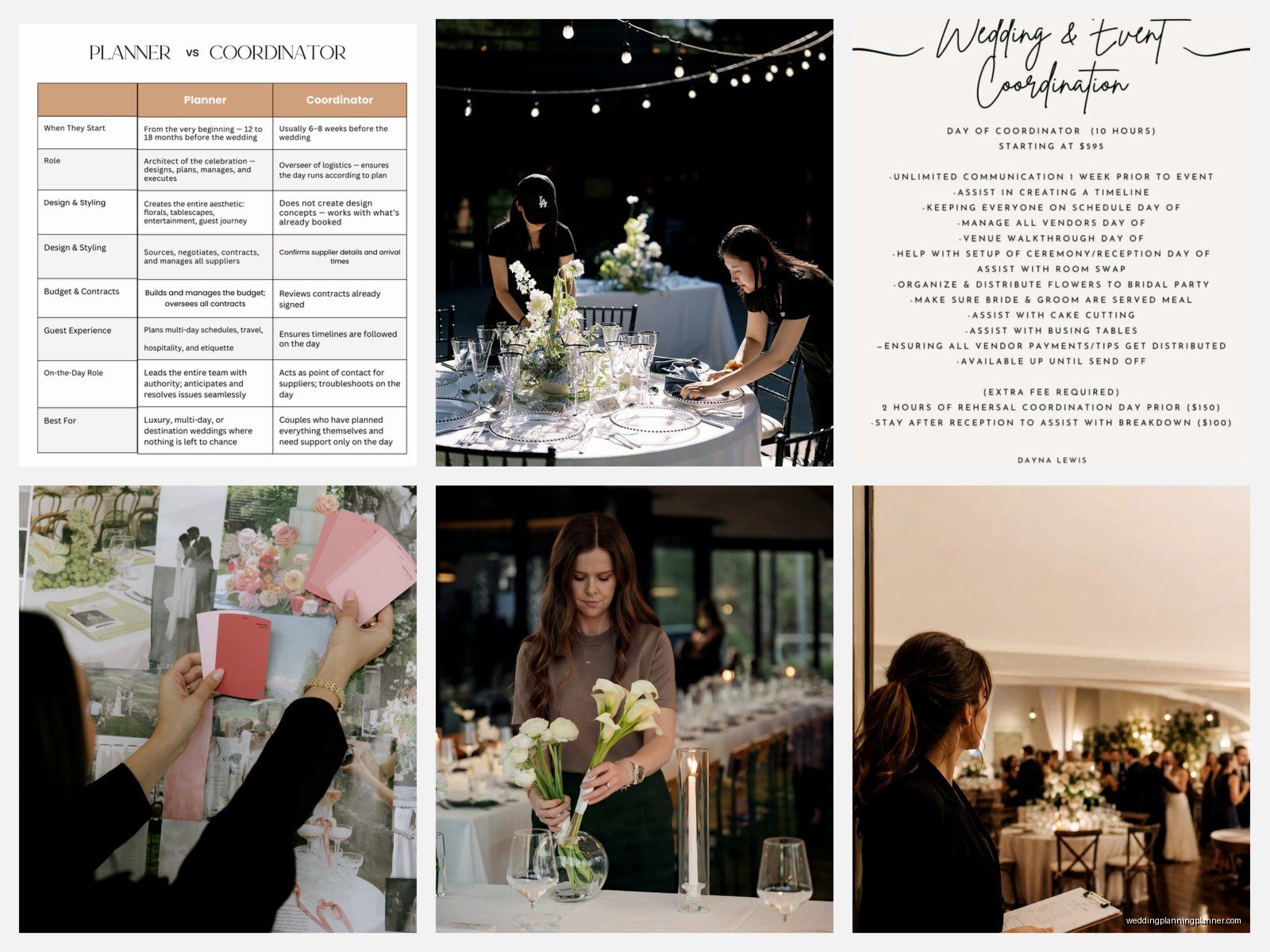
Then I’m reaching out to all your vendors. Confirming arrival times, delivery details, setup requirements. Your caterer needs to know when they can access the kitchen. Your florist needs to know if there’s a freight elevator. Your band needs to know if there’s load-in parking. This is the stuff that couples don’t think about because why would you, but it matters SO much on the actual day.
Creating the Master Timeline
This is probably the most important document I create. It’s not just “ceremony at 4pm, reception at 6pm” – it’s a minute-by-minute breakdown of everything happening and who needs to be where. I make different versions for different people. The couple gets a simplified version. The vendors get the full detailed one with all the technical stuff. The wedding party gets their specific call times.
What really annoys me is when vendors don’t read the timeline I send them. I send it TWO WEEKS in advance, I send reminders, and then someone still shows up at the wrong time or doesn’t know where to set up. Like… I gave you all this information, I literally did the work for you, just read it.
Your timeline should include things like when the ceremony site needs to be flipped for the reception, when cocktail hour ends and guests should move to the reception space, when each speech happens, when the cake cutting is, when the last song plays. Also buffer time – you gotta build in buffer time because nothing ever runs exactly on schedule.
The Week Before
This is when I’m doing final confirmations with everyone. Calling each vendor to confirm they have the timeline, they know where they’re going, they have my cell number. I’m checking weather forecasts if you’re doing anything outdoors. I’m making sure the venue has everything they need from you – final headcount, seating chart, any special setup requests.
You should be getting me your final headcount, your seating chart (if you’re doing assigned seating), any last-minute changes. This is also when we finalize who’s bringing what to the venue. Who has the marriage license? Who’s bringing the guest book? Where are the favors? Who’s responsible for getting your dress to the venue if you’re getting ready somewhere else?
I create a “day-of” kit that has all the emergency supplies. Safety pins, stain remover, pain relievers, Band-Aids, breath mints, tissues, bobby pins, double-sided tape, a sewing kit. My cat once knocked over my entire emergency kit the night before a wedding and I had to frantically repack everything at 11pm, but that’s sorta unrelated.
Rehearsal Time
Most day-of coordinators run your rehearsal, usually the night before. This is where I’m meeting your wedding party, your parents, anyone doing a reading, the officiant. We walk through the processional order, figure out spacing and timing, practice any special elements like unity ceremonies or cultural traditions.
I’m also using this time to get a feel for personalities. Who’s gonna need extra wrangling? Which groomsman is gonna disappear right when we need him? Which bridesmaid is super organized and can help me? You learn to read people fast in this job.
The rehearsal is also when I’m checking the venue layout, seeing where things will actually be set up, identifying any potential issues. Sometimes you think something will work based on the floor plan and then you get there and there’s a pillar in the way or the lighting is weird or the acoustics are terrible.
The Actual Wedding Day
Alright so this is the main event. I’m usually arriving 2-3 hours before your ceremony starts, sometimes earlier if there’s complex setup. First thing I’m doing is checking in with the venue coordinator and making sure everything’s on track from their end.
Then vendors start arriving and I’m directing everyone. The florist needs to know where centerpieces go, where the ceremony arrangements go, where your bouquet should be delivered. The DJ needs help finding outlets and figuring out speaker placement. The caterer has questions about the bar setup. I’m the point person for literally everything so you don’t have to think about any of it.
Getting Everyone Ready and Where They Need to Be
While you’re getting ready with your hair and makeup team, I’m making sure your wedding party knows when and where to be. I’m checking that the groomsmen have their boutonnieres, that the bridesmaids have their bouquets, that the flower girl knows what to do (kids are unpredictable, you just gotta roll with it).
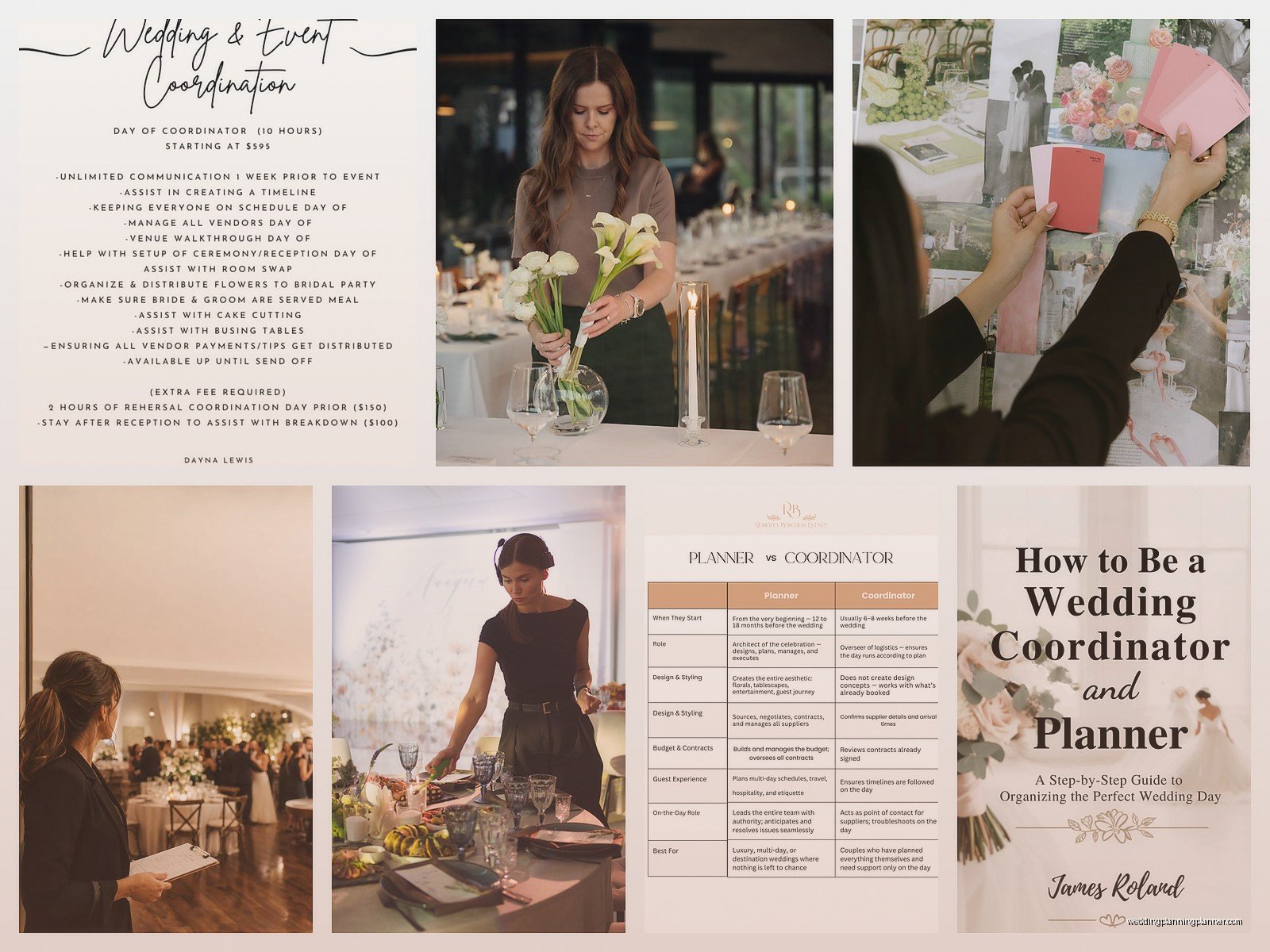
I’m also handling all the little setup details. Placing escort cards, setting out the guest book, making sure your card box is where it should be, putting out programs if you have them, checking that table numbers are correct. In summer 2021 I had a wedding where the rental company set up 15 tables when we needed 18 and I had to frantically coordinate getting three more tables delivered and set up in like 45 minutes while keeping the couple completely unaware of the problem. That’s literally what you’re paying me for.
About 30 minutes before the ceremony, I’m gathering the wedding party for final checks. Ties straight, dresses hanging right, everyone has what they need, everyone knows the order. I’m also checking on you – do you need water, do you need a moment, are you ready, do you need the bathroom (seriously, go now because you won’t have another chance for a while).
Ceremony Management
During the ceremony, I’m usually at the back making sure the processional goes smoothly. Spacing people correctly, cueing the music, helping with dress trains, giving people little pushes when they freeze up (it happens more than you’d think). I’m also watching for any issues – is someone about to faint, is the mic working, is that random guest taking flash photography when you said no flash.
I’ve got the marriage license and making sure it gets signed by everyone who needs to sign it. I’m coordinating with your photographer and videographer to make sure they’re getting what they need without being intrusive. After the ceremony, I’m directing guests to cocktail hour while you’re doing photos or whatever you’ve planned.
Reception Coordination
This is where everything gets more complex because there are more moving parts. I’m working with your DJ or band to make sure announcements happen at the right time, that they pronounce names correctly, that the music flows the way you want.
I’m cueing all the special moments – your entrance, the first dance, parent dances, toasts, cake cutting, bouquet toss, whatever you’ve got planned. I’m making sure speeches don’t go too long (diplomatically cutting people off is an art form). I’m coordinating with catering so courses come out at the right time and not while someone’s giving a toast.
I’m also troubleshooting problems you don’t even know are happening. The caterer ran out of the chicken entree so I’m figuring out solutions. A centerpiece candle is smoking and setting off people’s allergies so I’m discreetly putting it out. Two guests are having a loud argument near the dance floor so I’m redirecting them. Uncle Bob is getting too drunk so I’m quietly asking the bartender to slow down his service.
Your photographer wants you for sunset photos but you’re in the middle of talking to guests, so I’m gently pulling you away and making it seem natural. Your grandmother needs to leave early and wants to say goodbye, so I’m finding a good moment to bring her over to you.
The Ending and Cleanup Oversight
As the night winds down, I’m making sure your exit moment happens if you’ve planned one – sparklers, bubbles, whatever. I’m coordinating with whoever’s driving you away. I’m also starting to think about all the items that need to leave with the right people.
You’ve got gifts and cards that need to be secured and transported safely. You’ve got leftover favors, your cake top if you’re saving it, decorations you might want to keep, your guest book, any rental items that belong to you. I’m making sure your family or designated people know what they’re taking.
I’m not responsible for full cleanup – that’s usually the venue and rental company – but I’m overseeing that your personal items don’t get thrown away or left behind. I’m doing a final sweep to make sure nothing’s forgotten. Sometimes couples leave their marriage license or someone’s jacket or the card box and I’m the one catching it.
What Day-of Coordination Doesn’t Include
Okay so let me be really clear about what this service typically doesn’t cover because there’s confusion about this. I’m not booking your vendors – you’ve already done that. I’m not designing your wedding or helping you pick colors or choose between two invitation designs. That’s full-service planning, which is a different thing entirely.
I’m also not your personal assistant during the planning process. Like, I’m not calling venues to check availability for you nine months before your wedding. I’m not shopping for decorations with you. I’m not addressing your invitations or assembling favors (unless you pay extra for that, which some coordinators offer).
And I’m definitely not a therapist for family drama, though I end up playing that role sometimes whether I want to or not. I can manage logistics related to difficult family situations, but I can’t fix your relationship with your mother-in-law or mediate arguments about the guest list.
How to Work With Your Day-of Coordinator
The biggest thing is communication. Tell me everything, even stuff you think might not matter. Tell me about family tensions, about vendor concerns, about things you’re worried about. I can’t help solve problems I don’t know exist.
Be organized with your information. When I ask for vendor contracts and contact info, get that to me promptly. When I send you the timeline to review, actually review it and get feedback to me. The more organized you are, the easier my job is, and the smoother your day will be.
Trust me on the day of. If I tell you we need to move to photos now, we need to move now. If I say we need to cut a speech short, there’s a reason. I’m not being controlling – I’m keeping things on track so you get the wedding you planned. You hired me for my expertise and experience, so let me do my job.
Also give me a real timeline, not an aspirational one. If you tell me you need 30 minutes for family photos but your photographer says it’ll take an hour, I need to know the real number. Don’t try to make everything fit by cutting time estimates – that just creates stress and delays on the actual day.
What It Actually Costs
Day-of coordination usually runs anywhere from $800 to $2500 depending on your location, the coordinator’s experience, and what’s included. Some coordinators charge more for larger weddings or if they need to bring an assistant. In major cities, you’re looking at the higher end of that range.
Some coordinators offer month-of coordination (more involvement in the final month) or partial planning services that fall between day-of and full planning. Make sure you understand exactly what’s included in the package you’re getting. How many meetings? How many hours on the wedding day? Is the rehearsal included? Is there an assistant? What’s the overtime rate if your wedding runs long?
Honestly, it’s one of the best investments you can make. I’ve seen couples try to DIY their coordination or assign it to a friend or family member, and it almost never goes as smoothly. Your friend wants to enjoy your wedding, not spend it checking on vendors and cueing the DJ. And you definitely don’t want to be the one doing it – that’s literally the whole point of getting married, to actually be present and enjoy the day you spent months planning and thousands of dollars on.
The peace of mind alone is worth it. Knowing someone’s handling everything, that there’s a backup plan, that problems will get solved without you even knowing about them… I mean, that’s what lets you actually be present and happy on your wedding day instead of stressed and distracted.
