
Planning Guides, Style Guide
Wedding Planner Cost Average: Professional Services Guide
Oct
What You’re Actually Gonna Pay for a Wedding Planner
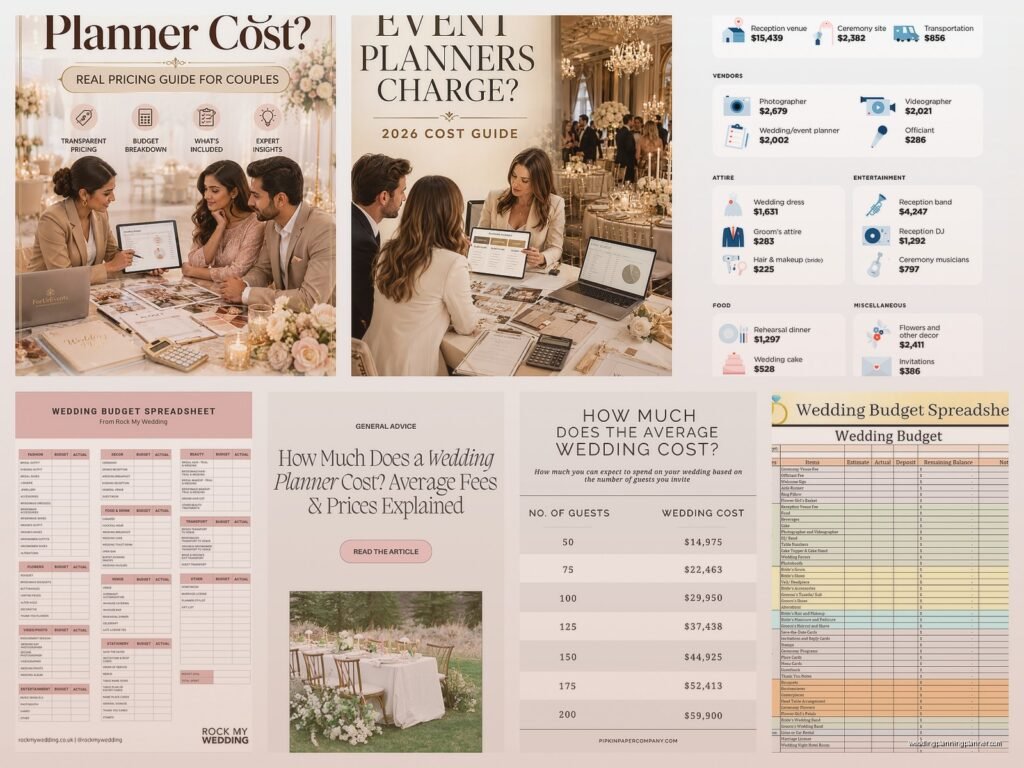
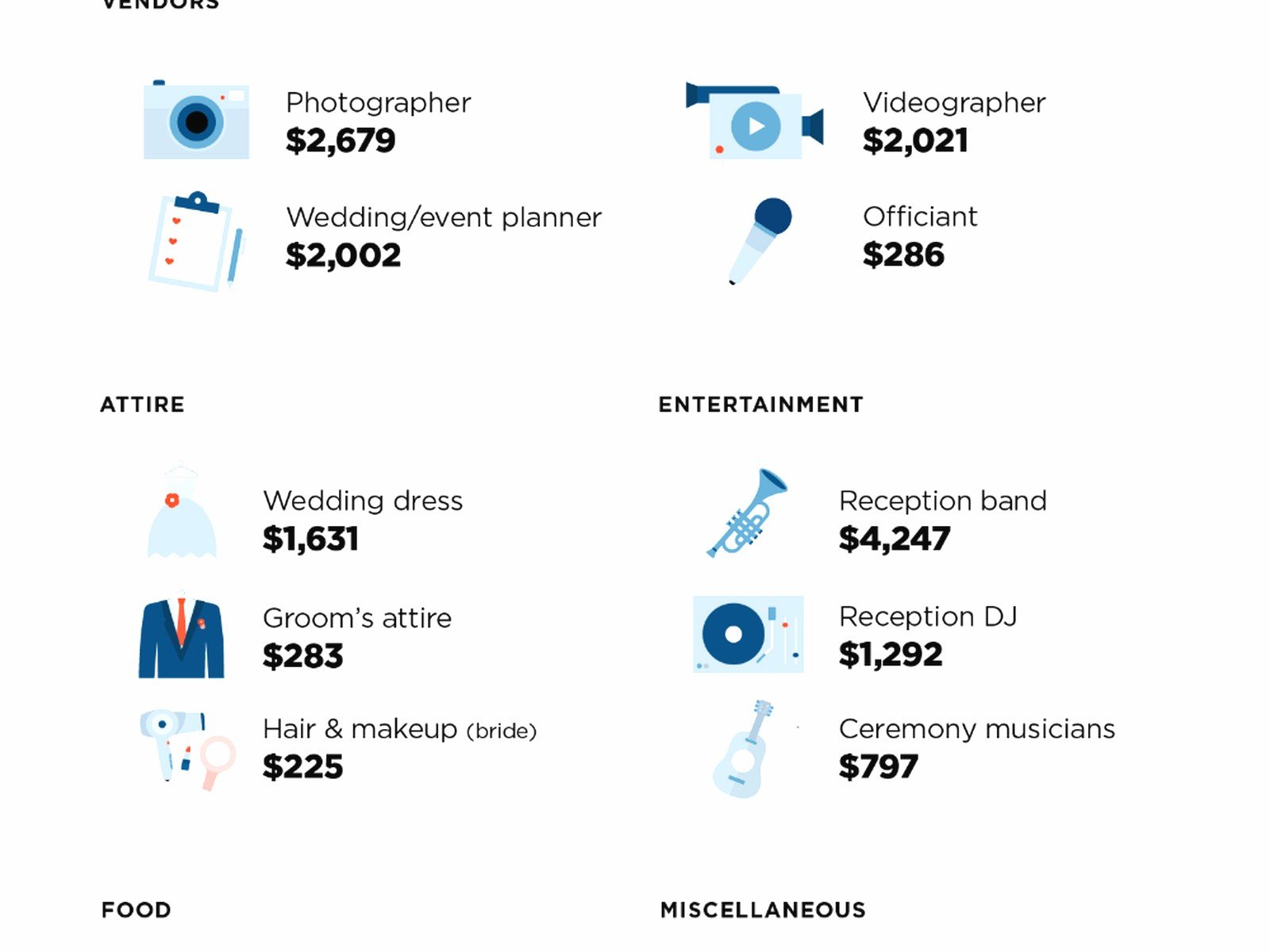
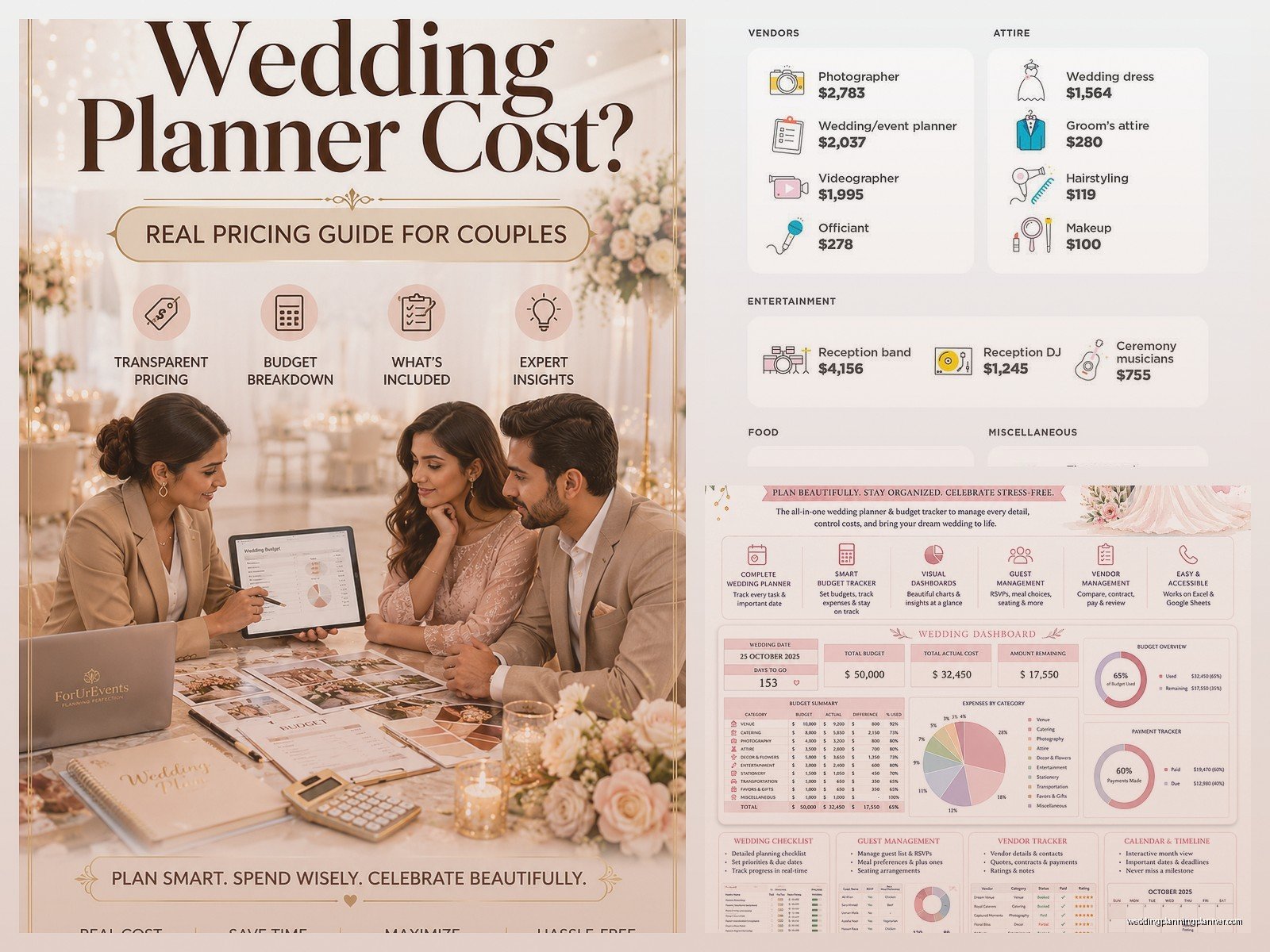
So the national average for wedding planners runs about $1,800 to $2,500 for partial planning services, but honestly that number is kinda misleading because there’s such a massive range depending on what you actually need. Full-service planning? You’re looking at anywhere from $3,000 to $10,000+ in most markets, and in places like New York or LA, I’ve seen planners charge $15,000 to $25,000 without blinking.
The thing that annoyed me SO much when I started out in 2009 was that nobody talks about what you actually GET for those prices, like everyone just throws numbers around and expects couples to figure it out themselves.
Breaking Down the Service Tiers
Wedding planners typically offer three main service levels, and the pricing is completely different for each one:
Day-Of Coordination (Month-Of, Really)
This is the most affordable option, usually running $800 to $2,000. Despite the name, you’re not just showing up on the wedding day—most planners start working about 4-6 weeks before your date. You handle all the vendor research, booking, design decisions, and then we come in to execute your vision and create the timeline.
I remember this bride in spring 2023 who hired me for day-of coordination and she had done EVERYTHING herself, like down to creating a 47-page binder with color-coded tabs. My cat knocked it off my desk the first time I opened it and pages went everywhere… anyway, even with couples who are super organized, there’s always stuff they haven’t thought about. Who’s carrying the marriage license? When does the cake get delivered? What happens if it rains?
What you get for this price tier:
- Initial planning meeting to review your vendor contracts and vision
- Detailed timeline creation
- Vendor confirmation and coordination in the final weeks
- Rehearsal management
- Full day-of coordination (usually 8-10 hours)
- Emergency kit and problem-solving
- Setup supervision and breakdown coordination
Partial Planning
This middle tier runs $2,000 to $5,000 typically, sometimes more in expensive markets. I’d say about 60% of my clients go this route because they want help but don’t need someone holding their hand through every decision.
Partial planning usually means I come in 3-6 months before the wedding. You’ve maybe booked your venue and a couple key vendors, but you need help with the rest. I’ll recommend vendors from my network, help with design concepts, review contracts, negotiate on your behalf sometimes, and then obviously handle all the coordination leading up to and on the day.
The scope varies wildly though between planners—some include unlimited communication and meetings, others cap it at specific hours. You gotta ask about this upfront because I’ve had couples come to me confused about why their previous planner charged extra when they went over their allocated hours.
Full-Service Planning
Here’s where the costs really jump: $3,500 to $25,000 depending on your location, wedding size, and complexity. Full-service means I’m with you from engagement to the last dance.
In my market (mid-sized city, not NYC but not rural), my full-service packages start at $5,500 for weddings under 100 guests with straightforward logistics. That number climbs fast though—destination weddings, multiple events, guest counts over 200, complex design installations… I once charged $12,000 for a three-day wedding weekend that included a welcome party, the ceremony and reception, and a farewell brunch, plus the bride wanted a specific aesthetic that required sourcing rentals from four different states.
Full-service typically includes:
- Unlimited planning meetings and communication
- Complete vendor research, recommendations, and booking assistance
- Budget creation and management
- Design concept development
- Contract review and negotiation
- Payment schedule tracking
- Guest list management tools
- RSVP tracking
- Seating chart creation
- Complete timeline development
- Rehearsal coordination
- Full wedding day management
- Sometimes post-wedding tasks like gift tracking or vendor tip distribution
What Actually Affects the Price
Location is HUGE. A planner in Manhattan charges different rates than someone in rural Ohio because their overhead costs are different and the market will bear it. I have a friend who moved from Atlanta to a smaller Southern city and had to drop her prices by almost 40% even though she’s doing the same quality work.
Experience matters too. When I started, I charged $1,200 for full planning because I was building my portfolio. Now with over a decade of experience and probably 150+ weddings under my belt, my rates reflect that expertise. You’re paying for the fact that I’ve seen everything go wrong and know how to fix it—the time the groom’s parents showed up drunk to the rehearsal, the venue that double-booked, the hurricane that hit three days before an outdoor wedding.
Guest count affects pricing because more guests means more complexity—more vendor coordination, more detailed timelines, more seating logistics, more potential problems. A 50-person intimate wedding is just fundamentally easier to manage than a 300-person extravaganza.
Destination weddings almost always cost more. You’re asking your planner to potentially scout locations remotely, coordinate with vendors they haven’t worked with before, travel to the site (sometimes multiple times), and handle way more logistics than a local wedding. I usually add 25-50% to my base rate for destination work, plus travel expenses.
Pricing Structures You’ll See
Most planners use one of these models:
Flat Fee
This is what I prefer and what most planners use. You get quoted a set price based on your specific needs and scope. It’s clean, straightforward, and you know exactly what you’re paying upfront. Usually you’ll pay a portion as a deposit (30-50% is common), then the rest is divided into installments leading up to the wedding.
Percentage of Budget
Some planners, especially high-end ones in major cities, charge 10-20% of your total wedding budget. This model can work well for luxury weddings where the planner is essentially acting as a project manager for a huge production, but it also incentivizes the planner to push you toward more expensive options which… I mean, that’s just a conflict of interest in my opinion.
If your budget is $100,000 and your planner is taking 15%, that’s $15,000 for their services. That might be fair for the work involved, or it might be inflated just because you have a bigger budget. Hard to say.
Hourly Rates
Less common for full planning, but some planners offer hourly consulting at $100 to $300 per hour. This works well if you just need specific help—like reviewing contracts, creating a timeline, or getting vendor recommendations—but don’t want full-service planning.
I offer hourly consulting and honestly it’s great for couples who are pretty capable but want expert input on specific things. Had a couple last summer who just needed help with their timeline and day-of logistics because everything else they had handled beautifully themselves.
Hidden Costs and Extra Fees
Okay so here’s what you need to watch for in planner contracts because not everything is always included in that base price:
Travel expenses for destination weddings or venues outside the planner’s normal service area—mileage, hotel, flights, meals, all that adds up. Some planners include local travel, others charge for anything beyond a certain radius.
Assistant fees or second planners—for larger weddings, your planner might bring assistants and charge $200-500 per additional person. This is actually worth it because one person can’t be everywhere at a 250-person wedding.
Overtime fees if your wedding runs longer than the contracted hours. My contracts include 10 hours of coverage on the wedding day, and I charge $150/hour beyond that. Has it ever been an issue? Only twice, and both times the couple knew the reception was gonna run late and we agreed on it beforehand.
Design services or stationery consulting might be separate—I do stationery separately from my planning services because that’s a whole different skillset and time investment.
Extra events like rehearsal dinners, welcome parties, or day-after brunches sometimes cost additional if they weren’t in the original scope.
What You Should Actually Expect for Your Money
A good planner is worth every penny when you find the right fit, but you should know what professional service looks like versus someone who’s just kinda winging it.
Professional planners carry liability insurance—usually $1-2 million in coverage. We have business licenses. We have contracts that clearly outline our services, payment terms, cancellation policies, and what happens if something goes wrong. We have backup plans for our backup plans.
You should get regular communication—not necessarily daily, but your planner should respond within 24-48 hours during business hours and be available for scheduled meetings or calls. During the final week before your wedding, communication ramps up significantly.
Detailed timelines that account for everything from vendor load-in to when the getaway car needs to arrive. I create timelines that are usually 8-12 pages long with minute-by-minute breakdowns for the wedding day, plus separate timelines for vendors, the wedding party, and family members.
Vendor management means we’re the point of contact so you don’t have to field calls from your caterer, florist, DJ, photographer, and everyone else. We make sure everyone has what they need, shows up when they’re supposed to, and executes according to your vision.
Problem-solving in real-time—this is where experience really shows. Summer 2021, I had a wedding where the AC died in the reception venue when it was 97 degrees outside. Had to coordinate bringing in portable units, setting up fans, getting extra ice for drinks, and keeping everyone calm while it got fixed. That kind of crisis management is what you’re paying for.
How to Know If You’re Getting a Fair Price
Get quotes from at least three planners in your area so you can see what the market rate actually is. If one planner is charging $2,000 for full service and everyone else is charging $5,000+, that’s a red flag—either they’re wildly undercharging (which means they’re probably inexperienced or undervaluing their work), or they’re not offering the same scope of services.
Ask specifically what’s included and what costs extra. I give potential clients a detailed proposal that breaks down exactly what they get for the quoted price. If a planner can’t or won’t do that, walk away.
Check their portfolio and references. You should see weddings similar to yours in style, size, and budget. A planner who only does small intimate weddings might not be the best fit for your 300-person celebration and vice versa.
Trust your gut on the relationship too because you’re gonna be working closely with this person for months. If the consultation feels off or you don’t click, the price doesn’t matter—it won’t be a good fit.
When You Can Skip the Planner (Or Go Budget)
Look, I’m a planner and I still think some couples don’t need one. If you’re having a very small wedding—like under 30 people—at a venue that provides most services, and you’re genuinely organized and not stressed about planning, you might be fine on your own or with just day-of coordination.
But if you’re having more than 75 guests, multiple vendors, any complexity at all, or you just… you don’t want to spend your engagement managing logistics, hire someone. Even if it’s just for day-of coordination.
The budget-friendly option is finding a newer planner who’s building their portfolio. They’ll charge less but still bring enthusiasm and dedication. Just make sure they have some experience—maybe they’ve worked as an assistant for an established planner or they’ve done a few weddings already. You don’t want to be someone’s first-ever wedding unless you’re really comfortable with that risk.
Some venues include planning services or have in-house coordinators—this can be great or terrible depending on the venue. Ask detailed questions about what their coordinator actually does because sometimes “coordinator” just means “the person who unlocks the doors and points you to the bathroom.”
Red Flags in Planner Pricing
Be wary of planners who won’t give you a clear quote or keep saying “it depends” without any concrete numbers. Yes, final pricing depends on your specific needs, but an experienced planner should be able to give you a range after discussing your wedding details.
Planners who require full payment upfront—nah, that’s not standard. Deposits yes, full payment before services are rendered, no.
Anyone who doesn’t have a written contract or tries to work on a handshake agreement. This is a business transaction involving thousands of dollars and one of the most important days of your life, get it in writing.
Prices that seem way too good to be true usually are, and I say this as someone who wants planning to be accessible—if someone’s charging $500 for full-service planning, they’re either brand new and don’t understand the work involved, or they’re not going to deliver what you expect.
The flip side is also true though—super expensive doesn’t automatically mean super good. I know planners charging premium rates who deliver premium service, but I also know some who are just good at marketing themselves and charge based on brand rather than actual value delivered.
