Planning Guides, Style Guide
Wedding Table Seating Chart Template: Guest Arrangement
Jul
The Actual Reality of Creating a Wedding Seating Chart
Okay so seating charts are honestly one of those things that sounds simple until you’re actually doing it and then suddenly you’re texting the bride at 11pm about whether her aunt Linda can sit next to her second cousin or if that’s gonna cause some weird family drama from 1987. I’ve been doing this for like fifteen years now and I still get stressed about them.
First thing you need to know is that a seating chart template is basically your lifeline. Don’t try to wing this. I tried that exactly once in summer 2021 with a backyard wedding and ended up with the groom’s vegan sister seated at a table where literally everyone else was talking about their favorite steakhouses. She was NOT happy with me.
Start With Your Reception Layout
Before you even think about who sits where, you gotta know what you’re working with. Get the floor plan from your venue. Like the actual measurements. I can’t tell you how many times couples have told me “oh it’s a big space” and then we show up and there’s barely room for eight tables when they invited 120 people.
Your template needs to include:
- Total number of guests who RSVP’d yes (not who you invited, who actually said yes)
- Table shapes and sizes – rounds usually seat 8-10, rectangles vary wildly
- Head table or sweetheart table situation
- Dance floor location because nobody wants to sit right next to the speakers trust me
- Bathroom locations and exits
- Any columns or weird architectural things that block views
The Guest List Breakdown Method
So here’s what I do and what you should do too. Create categories for your guests. This sounds kinda rigid but it actually makes everything easier:
Family Tables: Parents, grandparents, aunts, uncles, close cousins. Usually you want family relatively close to the head table but not so close that the couple feels like they’re being watched while they eat. One time my cat knocked over my coffee right onto a seating chart I’d been working on for three hours and honestly it made me reorganize the whole thing and it ended up better so… maybe chaos works sometimes?
Friend Groups: College friends together, work friends together, high school friends together. Don’t mix these unless the couple specifically tells you certain people know each other. The worst thing is putting someone at a table where everyone else has inside jokes and they’re just sitting there awkwardly.
Plus Ones and Couples: NEVER separate couples. I don’t care if it makes the numbers work better. Just don’t. You’ll have someone’s girlfriend sitting alone while he’s three tables away and that’s just bad planning.
The Random Singles: This is the hardest category honestly. You want to group people by age and interests if possible. Don’t just dump all the single people at one table and call it the singles table because that’s kinda weird and also what is this, 2003?
Building Your Actual Template
I use a mix of digital tools and honestly sometimes just paper because I’m old school like that. You can use Excel, Google Sheets, or there are fancy wedding planning software options. Here’s the structure that works:
Create a spreadsheet with these columns: Guest Name, Relationship to Couple, Plus One Status, Dietary Restrictions, Mobility Issues, Drama Flags (yes this is real), Table Assignment, Seat Number if you’re doing assigned seats within tables.
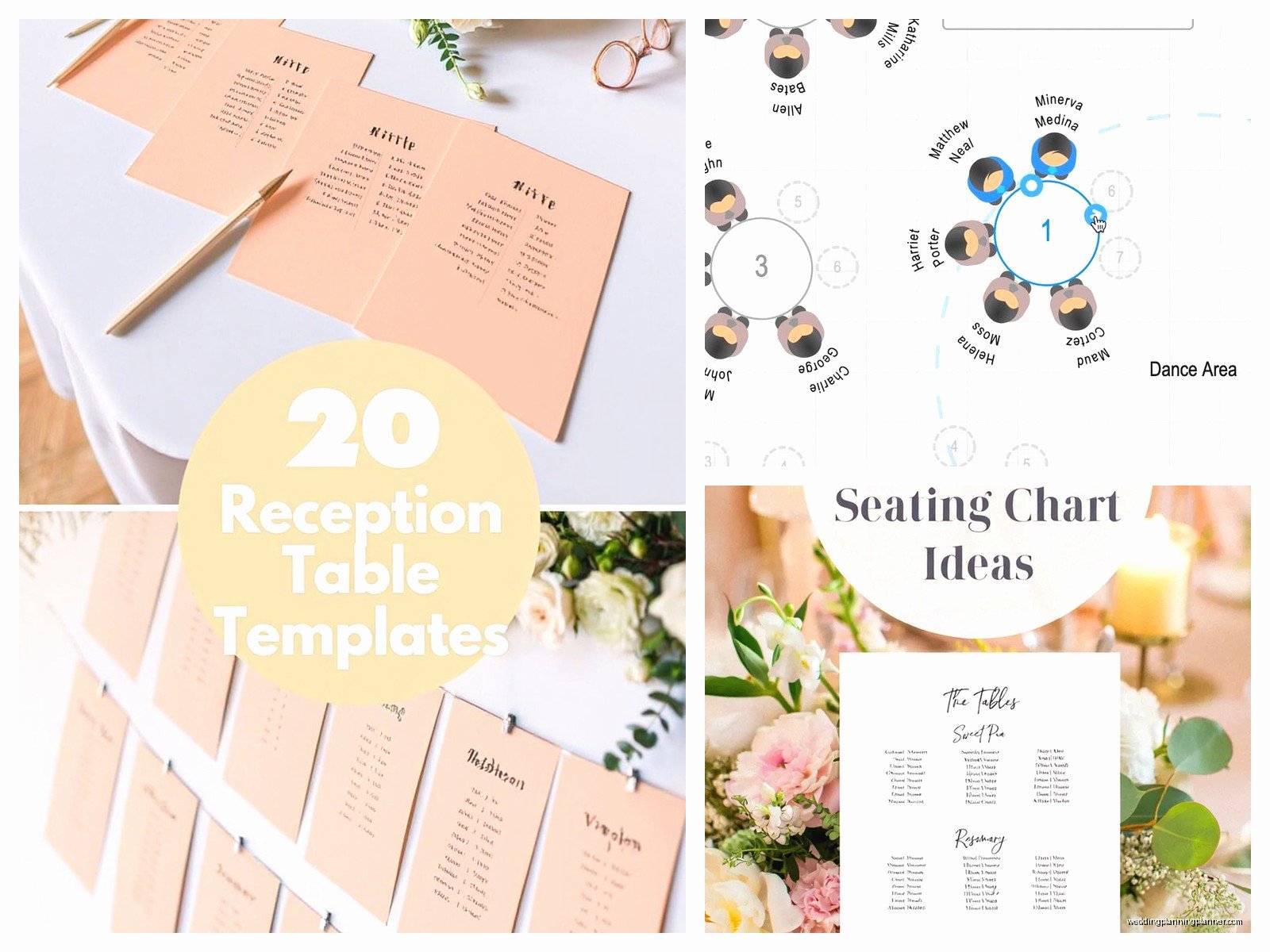
Then create a separate visual layout. You can do this in PowerPoint or Canva or even just draw circles on paper for tables. Number each table. I usually start numbering from the head table and work outward but some people prefer starting at the entrance. Whatever works for your brain.
The Strategy Part That Nobody Tells You
Start With Your VIPs
Place your parents first. Then grandparents. Then wedding party if they’re not at the head table with you. These are your anchor tables. Everything else flows from here.
One thing that really annoys me is when couples don’t tell me about family feuds until AFTER I’ve created the first draft. Like oh yeah by the way my dad’s brother hasn’t spoken to him in twelve years can you make sure they’re on opposite sides of the room? TELL ME THESE THINGS UPFRONT. Spring 2023 I had a situation where the bride’s parents were divorced and both remarried and there were like four different family factions that couldn’t be near each other and I literally had to create a diagram with color coding.
The Flow and Balance Thing
You want energy distributed throughout the room. Don’t put all the young fun people in one corner and all the quiet relatives in another. Mix it up a bit. Put one or two outgoing people at each table to keep conversation going.
Also think about the timeline of the evening. People near the dance floor will be more engaged with dancing. People farther away might leave earlier. Put your party people close to the action.
Consider sight lines too. Nobody wants to stare at a wall or a column all night. And if you have elderly guests or anyone with mobility issues, put them close to bathrooms and exits. Not right next to the kitchen doors though because that’s just annoying with waiters going back and forth.
Special Considerations That’ll Save Your Life
Kids Tables: If you have a bunch of children coming, sometimes a kids table works great. Put it near their parents but not right next to the speakers. Give them activities. But if you only have like three kids, just seat them with their parents because a kids table with three children is just awkward.
Vendors and Staff: If your photographer, videographer, DJ, or planner are eating at the reception, they need seats too. Usually vendors eat in shifts and don’t need premium seating but they do need to eat. I’ve been stuck eating cold chicken in a hallway before and it’s not fun.
Dietary Restrictions: Note these on your chart so you can give the catering staff a table-by-table breakdown. Makes service so much smoother.
The Drama Audit: Before you finalize anything, go through and look for potential conflicts. Exes near each other? Family members who fight? That coworker who drinks too much near the open bar? Just… think it through.
Actually Creating the Visual Template
Your template should have two parts: the master list and the visual diagram.
For the master list, I organize it like this:
Table 1 (Head Table):
– Bride
– Groom
– Maid of Honor
– Best Man
etc.
Then continue for each table with every guest name listed. Include meal choices if you’re doing plated dinner. This list goes to your venue coordinator and catering manager.
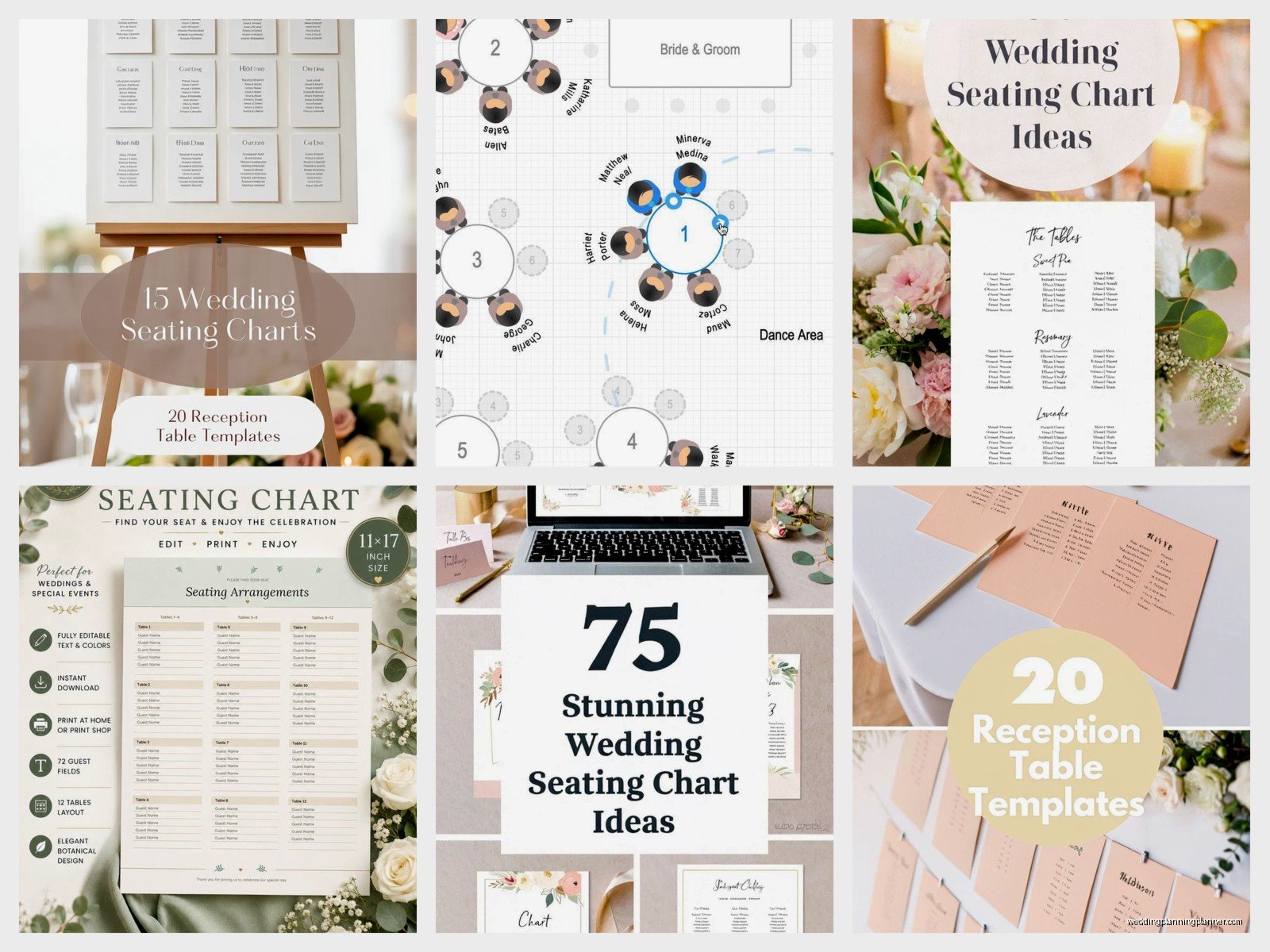
For the visual diagram, you want something guests can actually read. Use a large poster board or print a nice sign. List tables clearly with guest names under each table number. Alphabetize the names so people can find themselves easily. This goes at the entrance to your reception.
Some couples do escort cards instead where each guest gets a card with their table number. That works too but you still need a master chart for yourself and the venue.
The Numbers Game
Here’s the math part. If you have round tables that seat 10, don’t actually put 10 people there. Put 8. Maybe 9 if they’re all slim people who don’t need much space. You need room for centerpieces, plates, glasses, and people need to not feel like sardines.
For rectangular tables, calculate about 24 inches per person. King’s tables (long head tables) need more space because people want to be able to see the couple.
Always have a few extra seats available at vendor tables or family tables for last-minute additions. Someone will bring an unexpected plus one or a kid who was supposed to stay with a babysitter. It happens.
Tools I Actually Use
Honestly I switch between tools depending on the wedding size. For smaller weddings under 75 people, I just use Excel and sketch tables on paper. For bigger weddings, I use AllSeated or Wedding Wire’s seating chart tool. They let you drag and drop guests between tables which is super helpful when you’re rearranging things for the fifteenth time.
Some planners swear by post-it notes on a poster board. You write each guest name on a post-it and stick them to circles representing tables. Then you can move people around easily. It’s actually pretty smart even though it seems low-tech.
The Timeline for Getting This Done
Don’t wait until the week before the wedding. You need final RSVP numbers first obviously but once you have those, start immediately.
Here’s my timeline:
- 3-4 weeks before: Create first draft
- 3 weeks before: Review with couple, make changes
- 2 weeks before: Second draft, check for any issues
- 10 days before: Finalize and send to venue
- 1 week before: Order/create your display chart for guests
- Day before: Have a printed copy with you just in case
Things will change. Someone will cancel last minute. Someone will suddenly bring their new boyfriend. Build in flexibility and don’t stress too much about making it absolutely perfect because… it’s just dinner seating, not a peace treaty negotiation, though sometimes it feels like that with certain families.
Common Mistakes I See All The Time
Putting the couple’s table facing a wall. They should face the room so they can see everyone and everyone can see them during toasts.
Forgetting about the wedding party’s dates. Your bridesmaids and groomsmen have partners too and those people need seats.
Making tables too crowded. Space matters. People need elbow room.
Not considering who actually knows each other. Just because they’re all “work friends” doesn’t mean Bob from accounting knows Sarah from marketing if they work in different buildings.
Ignoring the couple’s input. Some couples have really strong feelings about seating and some don’t care at all, but you gotta ask and listen.
Assigning seats within tables for casual weddings. Unless it’s a very formal event, let people choose their own seats once they find their table. Assigned seats within tables is extra and kinda… like I get it for state dinners but for Jamie and Tyler’s wedding at the barn venue maybe we can relax a bit?
The Actual Day Stuff
Print multiple copies of your seating chart. One for you, one for the venue coordinator, one for the catering manager, and one backup. I’ve seen charts disappear or get wine spilled on them.
Have someone stationed near the display chart at the beginning of the reception to answer questions because there will be questions. There are always questions.
Prepare for chaos anyway because Uncle Bob will decide he wants to sit somewhere else and that’s fine, let him, it doesn’t matter as much as you think it does in the moment.
Keep your master list on your phone too as a photo or PDF. Technology backup for when paper fails you.
The reality is that you’re gonna spend hours on this and then people will move around anyway and sit where they want and that’s actually okay. The goal is to give everyone a starting point and make sure nobody feels left out or awkward. If people rearrange themselves because they’re having fun and want to mingle, that’s actually a sign of a good party.
Just make sure you’ve done the groundwork of keeping feuding family members apart and giving elderly guests good seats and putting the fun people near the dance floor. Everything else sorts itself out usually. And if it doesn’t, well, it’s one night and everyone will survive even if Karen ended up sitting next to someone she doesn’t know that well. She’ll make a new friend or she won’t and either way the couple will be married at the end of it which is literally the only thing that matters.