Planning Guides, Style Guide
Wedding Seating: Guest Arrangement Complete Guide
Apr
Okay so seating charts are basically the thing that will make you question every life choice
The seating chart is literally the last thing most couples want to deal with and honestly I get it because I’ve seen grown adults have complete meltdowns over whether Aunt Susan can sit near Uncle Bob. Like, this is the part where all the family drama you’ve been avoiding suddenly becomes YOUR problem to solve with a floor plan and some table numbers.
First thing – and I cannot stress this enough – you need your final headcount before you even think about starting this. I had this couple in spring 2023 who wanted to start their seating chart three months out and I was like nah, you’re gonna redo this seventeen times because people are still RSVPing. Wait until you’re about two weeks out from your wedding when you actually know who’s coming. Trust me on this one.
Getting the basic layout figured out
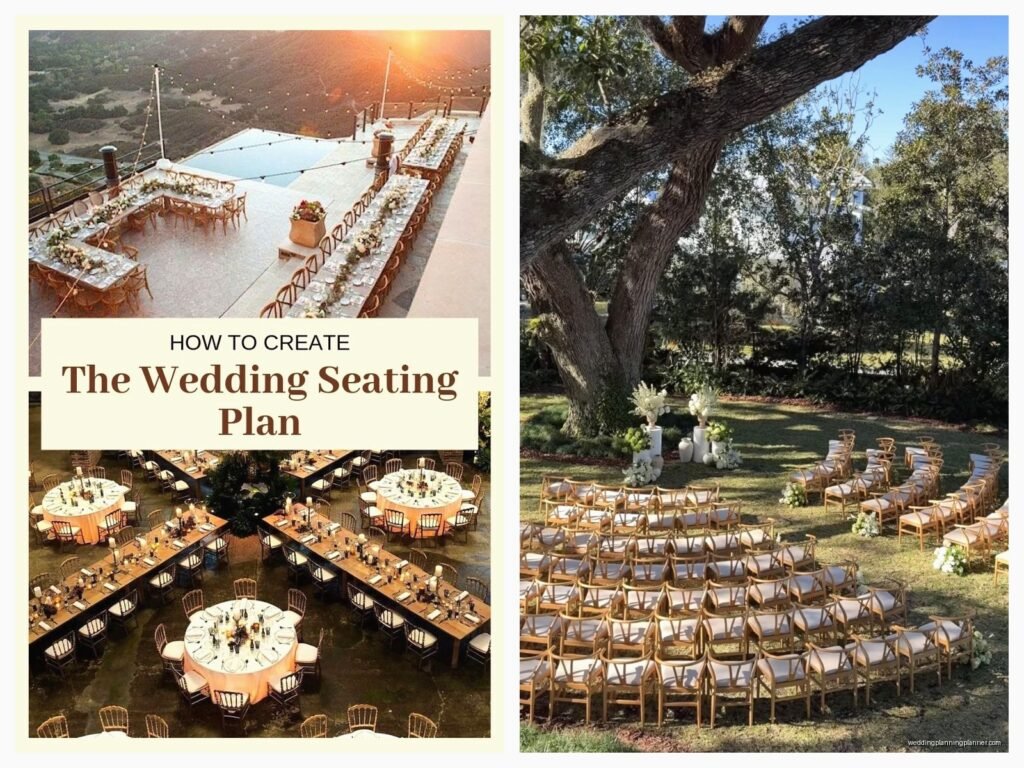
So you need to know your venue’s capacity and table options first. Most places offer round tables (which seat 8-10 people comfortably) or long rectangular tables (which can be anywhere from 6-12 depending on size). Round tables are easier for conversation because everyone can see each other, but long tables look really dramatic and work better for family-style service if that’s your thing.
Your venue should give you a floor plan. If they don’t, ask for one. If they STILL don’t have one, honestly that’s a red flag but whatever, you can sketch it yourself. You need to know where the dance floor is, where the bar is, where the entrance is, and where the bathrooms are. These matter more than you think.
Tables near the bathrooms? Those are gonna have people getting up constantly. Tables right next to the speakers? Your elderly guests will hate you. Tables in the back corner where no one can see anything? That’s where you put… actually I’ll get to that.
The head table situation which is always complicated
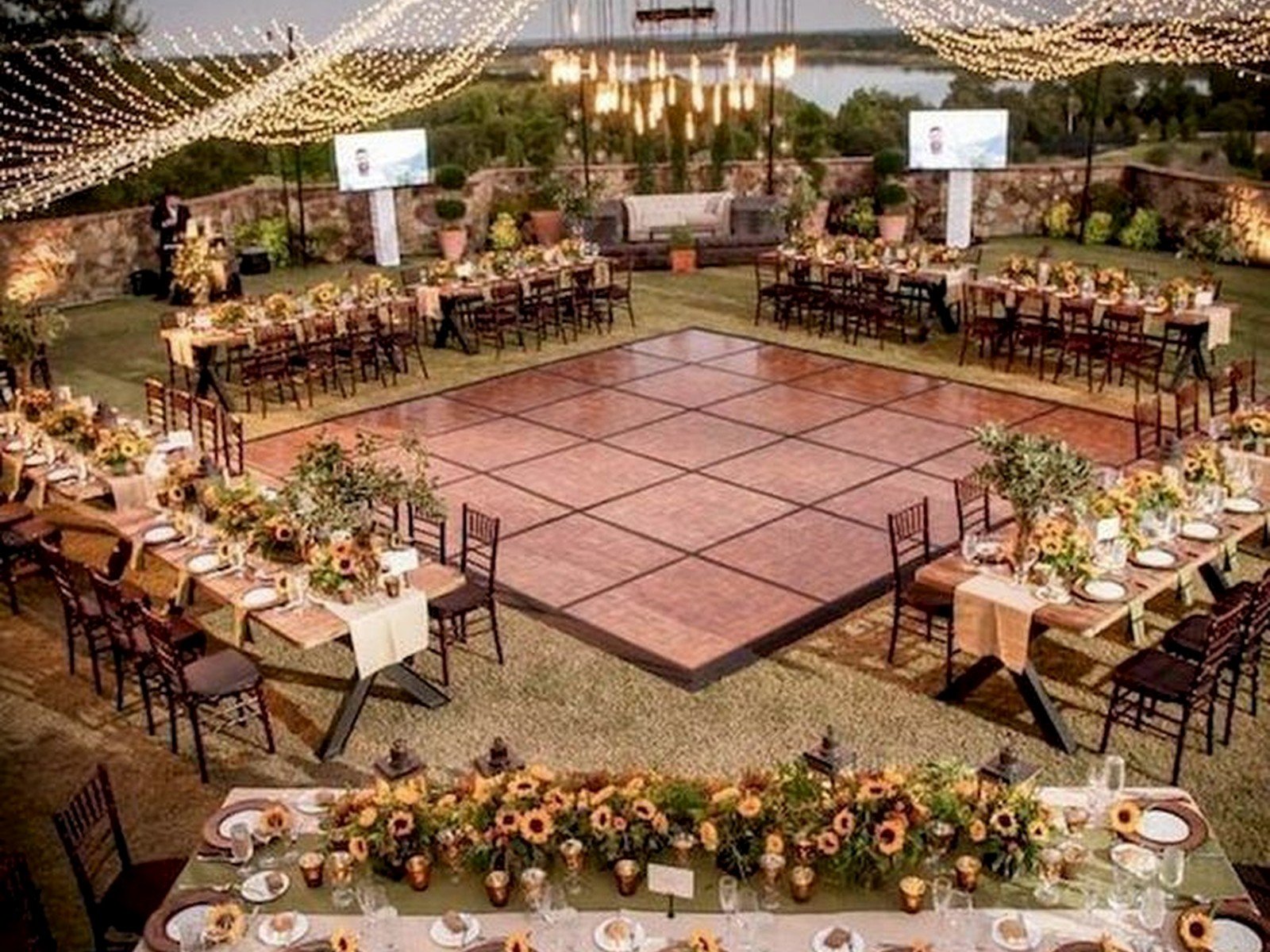
You’ve got options here and they all have pros and cons. Traditional head table is just the wedding party, which means their dates are sitting somewhere else (kinda rude honestly but some people still do it). Sweetheart table is just the two of you alone, which gives you a minute to actually eat and talk to each other, but some couples feel weird being on display like that.
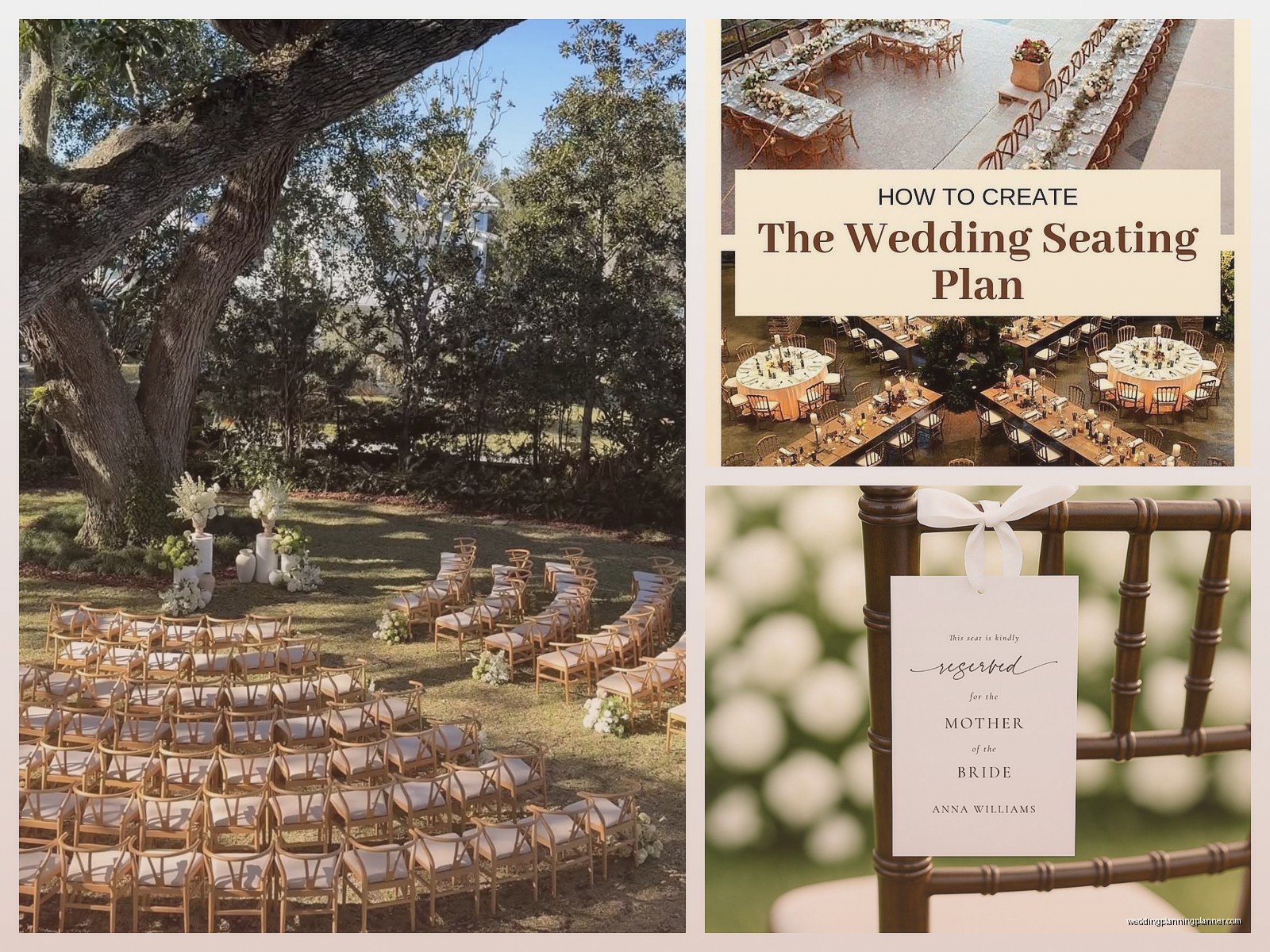
King’s table is when you do one long table with you, your wedding party, AND their plus-ones, which I actually love because no one’s abandoned. Or you can skip the head table entirely and just sit with your parents or do a mix. There’s no rule that says you have to do it any particular way.
What annoyed me recently was this wedding where the couple did a sweetheart table but positioned it so far from everyone else that they looked like they were in timeout. The photos were gorgeous but they told me later they felt completely isolated during dinner and wished they’d just sat with people. So think about sightlines and proximity, not just aesthetics.
Actually organizing your guests into groups
This is where it gets messy. You’re gonna need a system and everyone does this differently but here’s what works for me. Get a spreadsheet going (or use one of those online seating chart tools, whatever) and start grouping people by how they know you.
Your categories might look like: immediate family, extended family from bride’s side, extended family from groom’s side, college friends, work friends, childhood friends, neighbors, random people you invited out of obligation, etc. Be honest about these categories because it helps.
The goal is to seat people with others they’ll actually want to talk to for 2-3 hours. This sounds obvious but you’d be surprised how many people are like “oh I’ll just put all the young people together” and then it’s like… your college roommate who’s now a lawyer has nothing in common with your cousin who’s really into crypto and your coworker who does improv comedy. Age isn’t a personality.
The actual rules that kinda matter
Divorced parents who hate each other? Different tables, not facing each other if possible. I learned this the hard way during a summer 2021 wedding where I sat a divorced couple at tables that were technically across the room but they could see each other perfectly and the dad’s new girlfriend was there and it was just… the tension was visible in the photos.
Kids under like 5? Either do a kids table with an assigned babysitter/older cousin keeping watch, or let them sit with their parents. Kids table works great for the 6-12 age range because they usually have more fun together anyway. Teenagers are tricky – some want to sit with parents, some want their own table. Ask the parents what their kids would prefer.
People who don’t know anyone? This is important. Don’t stick someone at a table where they’re the only stranger. Try to put them with friendly, outgoing people who’ll include them in conversation. I always ask couples “who are your most social, chatty guests?” and those are the tables where solo guests go.
Plus-ones you’ve never met? They sit with their date obviously, but try to make sure that table has other couples or at least people who are good at small talk. Don’t put them at the table with your grandmother’s church group unless you hate that person.
Table assignments vs seat assignments
Okay so there’s a difference. Table assignments mean you assign people to a table number but they can sit wherever they want at that table. Seat assignments mean you’re literally telling them exactly which chair.
Most weddings do table assignments because it’s less controlling and people appreciate having SOME choice. Seat assignments make sense if you’re doing alternating place settings (like fancy/casual alternating plates or different chargers) or if you have a really specific vision for photos or if you’re seating like… diplomats who need protocol? For a normal wedding, just do table assignments and let people figure out their actual seats.
You’ll need escort cards (the little cards that tell people their table number) or a seating chart display at the entrance. Escort cards can double as favors if you attach them to something. A seating chart display is cheaper but then you’ve got 100 people crowding around one sign trying to find their names which creates a bottleneck. Pick your problem, basically.
The strategy for difficult people and situations
So you’ve got that one uncle who drinks too much. Don’t put him right next to the bar. Don’t put him at a table with people who will encourage him. Put him with responsible family members who will… manage the situation. You know what I mean.
Exes at the wedding? Opposite sides of the room, different sightlines. One couple I worked with had the bride’s ex-boyfriend there (they were still friends, it was fine) but they seated him at a table where he literally couldn’t see the head table without turning completely around. Smart.
People who are gonna complain no matter what? Back corner table. I’m not even joking. There are some guests who will be unhappy about everything and you cannot fix that so just accept it and put them somewhere that their negativity won’t spread.
Your super important VIP guests (like your boss who you need to impress or your grandmother who’s paying for half the wedding)? Close to the head table, good view of everything, near the action but not so close they’re getting bumped by servers constantly.
The realistic timeline for getting this done
Two weeks before your wedding, you should have your final count and can start the chart. Some couples do it in one night, some take a week of moving people around. It’s gonna feel like a puzzle where none of the pieces fit at first.
Start with your non-negotiables: parents’ tables, head table, anyone with specific accessibility needs (put people who use wheelchairs or walkers near the entrance/bathroom, not in a corner they have to navigate around). Then do your big groups – all the college friends, all the coworkers, etc. Then fill in the gaps with the random people.
You’ll probably rearrange things like five times and that’s normal. I use those online tools where you can drag and drop people between tables because doing it on paper made me wanna throw things. My cat knocked over my coffee onto a hand-drawn seating chart once and I just gave up and went digital after that.
Things people forget about that matter
Vendors who are eating – they usually get their own table somewhere out of the way. Your photographer, DJ, planner, etc. need to eat but they don’t need prime real estate. Some couples forget to include vendors in their count and then there’s not enough food.
The angle people are sitting at – if you’re doing a slideshow or speeches or anything where people need to see the front of the room, make sure tables aren’t positioned so that half the guests have their backs to everything. This sounds obvious but I’ve seen it happen.
Lefties! Okay this is super detailed but if you’re doing assigned seats (not just assigned tables), try not to put a leftie between two righties because the elbow situation gets awkward. I only think about this because I’m left-handed and it’s annoying.
Power dynamics at tables – don’t put an intern at a table with all senior executives from the same company unless that intern is super confident. Don’t put someone’s new boyfriend at a table with all their childhood friends who have inside jokes. Think about who will feel comfortable and included.
What to do when people ask to switch tables
They will. Someone will email you four days before the wedding like “hey can I sit with Sarah instead?” and you have to decide if you’re accommodating that or not. Honestly? It depends.
If it’s an easy switch that doesn’t mess up your whole layout, fine. If it’s gonna create a domino effect where you have to redo everything… maybe not? You can say “the seating chart is finalized” and most people will accept that. Some won’t and will just move themselves day-of anyway and there’s literally nothing you can do about it so don’t stress too much about perfection.
I had a wedding where we spent HOURS on the seating chart and then day-of, like six people just sat wherever they wanted and completely ignored it. The couple was annoyed but also by that point they were married and having fun so they didn’t actually care that much. Which is the right attitude, honestly.
Special circumstances that come up
Blended families are tricky. You might have step-parents, half-siblings, step-siblings, and it gets complicated fast. Generally, seat people with whoever they’re closest to, not by technical family relations. If the bride is closer to her step-dad than her bio dad, step-dad gets the better seat. Your wedding, your call.
Cultural considerations – some cultures have really specific rules about seating elders or certain family members and you gotta respect that. Ask your parents or older relatives if there’s anything you should know about. I learned this after almost seating someone’s grandfather at a table that would’ve been considered disrespectful in their culture and thankfully someone caught it.
Accessibility stuff beyond just wheelchair access – people with hearing difficulties should be away from speakers and in areas where they can see people’s faces clearly. People with anxiety might prefer to be near an exit. People with small bladders (elderly guests, pregnant guests) should be near bathrooms. You can’t accommodate everything but try.
And like… I know this all sounds overwhelming and maybe you’re reading this thinking “why did I invite this many people” but honestly once you start actually doing it, it comes together. The first draft is gonna be rough and you’re gonna second-guess yourself but eventually you’ll have something that works well enough and that’s all you need. Well enough is fine. Perfect doesn’t exist when you’re dealing with human beings who all have opinions and histories and baggage.
Just remember that no matter what you do, someone will probably complain about where they’re sitting and that’s genuinely not your problem because you fed them and invited them to celebrate with you and if they can’t be gracious about which table they’re at, that says more about them than you