Planning Guides, Style Guide
Wedding Venue Building Plans: Complete Guide
Apr
Understanding What Building Plans Actually Mean for Wedding Venues
So building plans aren’t just those boring blueprints contractors wave around. When you’re looking at wedding venues, the building plans tell you everything about what’s physically possible in that space. I’m talking about load-bearing walls, electrical capacity, fire exits, occupancy limits—all the stuff that determines whether your dream setup will actually work or if you’re gonna hit a wall. Literally sometimes.
Most couples don’t think about this until they’re already signed a contract and then the venue’s like “oh yeah we can’t hang anything from the ceiling because of structural issues” and suddenly your suspended floral installation idea is dead. This happened to me in spring 2023 with a bride who had her heart set on this dramatic chandelier moment and we had to completely redesign three weeks out because nobody looked at the actual building specifications.
Floor Plans vs Actual Building Plans
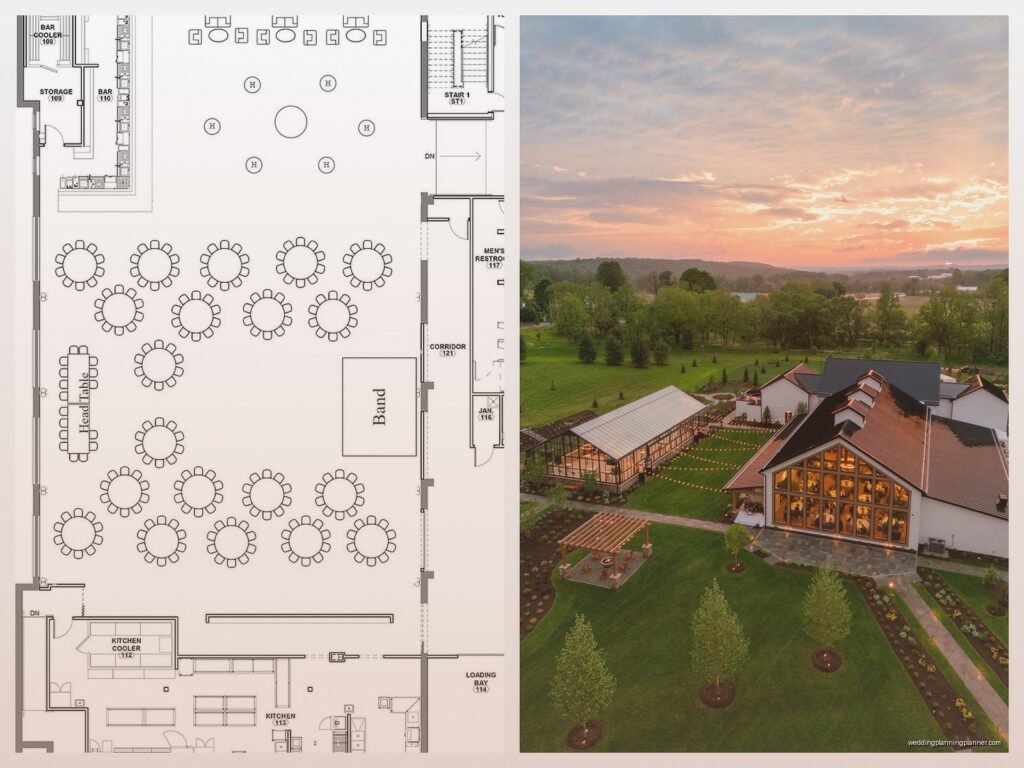
Okay so there’s a difference here that confuses everyone. A floor plan shows you the layout—where tables go, dance floor, bar area, whatever. But the actual building plans include structural elements, ceiling heights, weight restrictions, plumbing locations, electrical panel capacity. You need both but they’re not the same thing.
When I request documents from a venue, I ask for the site plan, floor plan with dimensions, electrical layout, and any structural engineering reports if they’ve got them. Most venues will have at least basic documents. If they don’t, that’s actually a red flag because it means they probably haven’t had proper inspections or they’re winging it with event setups.
What You Actually Need to See
The certificate of occupancy is huge. This tells you the legal maximum number of people allowed in the space. Venues will sometimes fudge this number when they’re marketing to you, saying “we can fit 200” when their CO says 175. You don’t want to be the wedding that gets shut down by the fire marshal because you’re over capacity—I’ve seen it happen and it’s a nightmare.
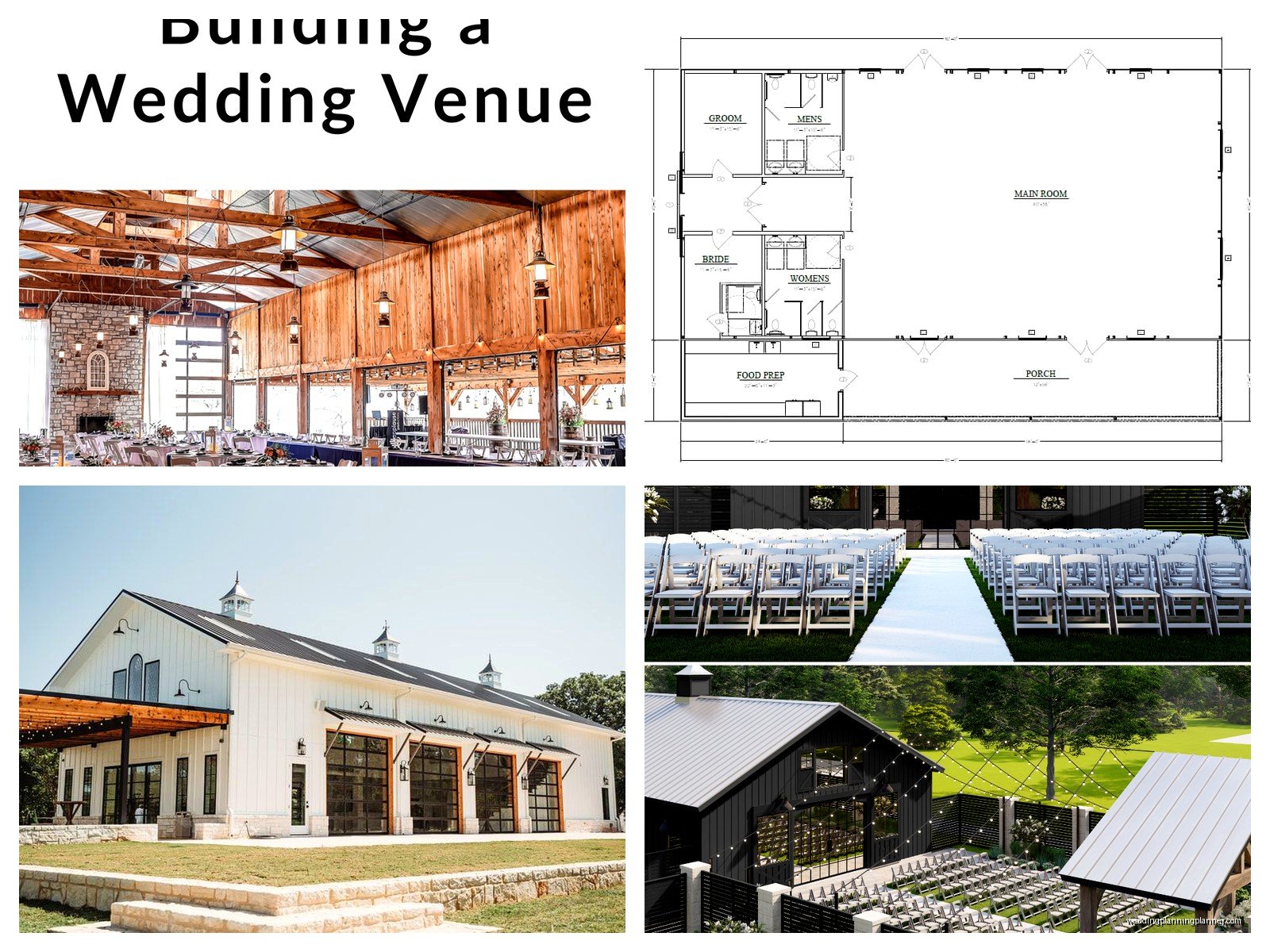
Ceiling height matters more than you think. If you want uplighting, tall centerpieces, or any kind of draping, you need at least 10 feet but ideally 12-15 feet. I worked with this venue once that had 8-foot ceilings and everything felt cramped and you couldn’t do anything vertical without it looking weird.
Electrical capacity is where things get technical but also super important. Each circuit can handle a certain amperage, and if you’re bringing in a band, DJ, caterer with warming equipment, plus lighting, you might overload the system. I’ve been at venues where we had to choose between the uplighting or the coffee station because there literally wasn’t enough power for both. It’s kinda ridiculous but you gotta know this upfront.
Reading the Documents (Even Though They’re Boring)
When you get the building plans, look for these specific things. The load capacity of floors—especially if you’re on an upper level or the venue has a second story. You need to know weight limits for tables, chairs, people, and equipment. Dance floors full of people create a lot of dynamic load, which is different from static load, and… okay I’m getting too technical but basically make sure the floor can handle everyone jumping around to “Uptown Funk” or whatever.
Fire exits and pathways are marked on building plans. You need to maintain clear exit routes—usually 36 inches minimum width. This affects where you can put tables, photo booths, gift tables, all of it. Some couples want to maximize seating and block exits, which is illegal and dangerous. Don’t do that.
HVAC locations tell you where the heating and cooling vents are. You don’t want to seat your grandmother directly under an AC vent in July. Also, if you’re doing candles, keep them away from vents or they’ll blow out constantly or worse, blow hot wax everywhere.
The Stuff That Annoyed Me Most
What really bugs me is when venues don’t disclose their renovation plans. I had a venue in summer 2021 that was “undergoing minor updates” and didn’t tell us they were replacing the entire electrical system starting two weeks before the wedding. We had to move everything to their backup space which was way smaller. Read your contract for clauses about renovations and construction—make sure there’s compensation if they can’t deliver what you booked.
Working With Venue Restrictions
Most venues have specific rules based on their building codes and insurance requirements. No open flames might mean your unity candle ceremony needs to be fake candles. Weight restrictions on balconies mean your cocktail hour can only have X number of people up there. Historic buildings have even more restrictions because of preservation requirements.
You should ask for the venue’s rulebook or guidelines document. This usually includes what’s allowed and what’s not based on their building specifications. Some venues won’t let you hang anything from walls or ceilings. Others have specific rigging points that are engineered for hanging installations but you can only use those spots.
My cat knocked over my coffee while I was writing this and I had to clean it up—anyway, where was I… oh yeah, restrictions.
Custom Builds and Temporary Structures
If you’re doing a tent wedding or adding structures to an existing venue, you’re getting into a whole different level of building plans. Tents need permits, engineered drawings, staking plans, and sometimes inspections. The ground conditions matter—you can’t stake a tent into concrete or over underground utilities.
For tent installations, the rental company should provide engineered drawings that show wind ratings, anchoring methods, and structural specifications. Your venue needs to approve these, and sometimes the local building department needs to issue a temporary structure permit. This process can take 2-4 weeks so don’t leave it to the last minute.
Temporary flooring, stages, or platforms all need to meet code requirements too. If you’re building a stage, it needs railings if it’s over a certain height, proper stairs with handrails, and load capacity for equipment and people. I see couples skip this stuff to save money and then their DJ setup is wobbling around all night or someone trips because there’s no proper stairs.
Accessibility Requirements
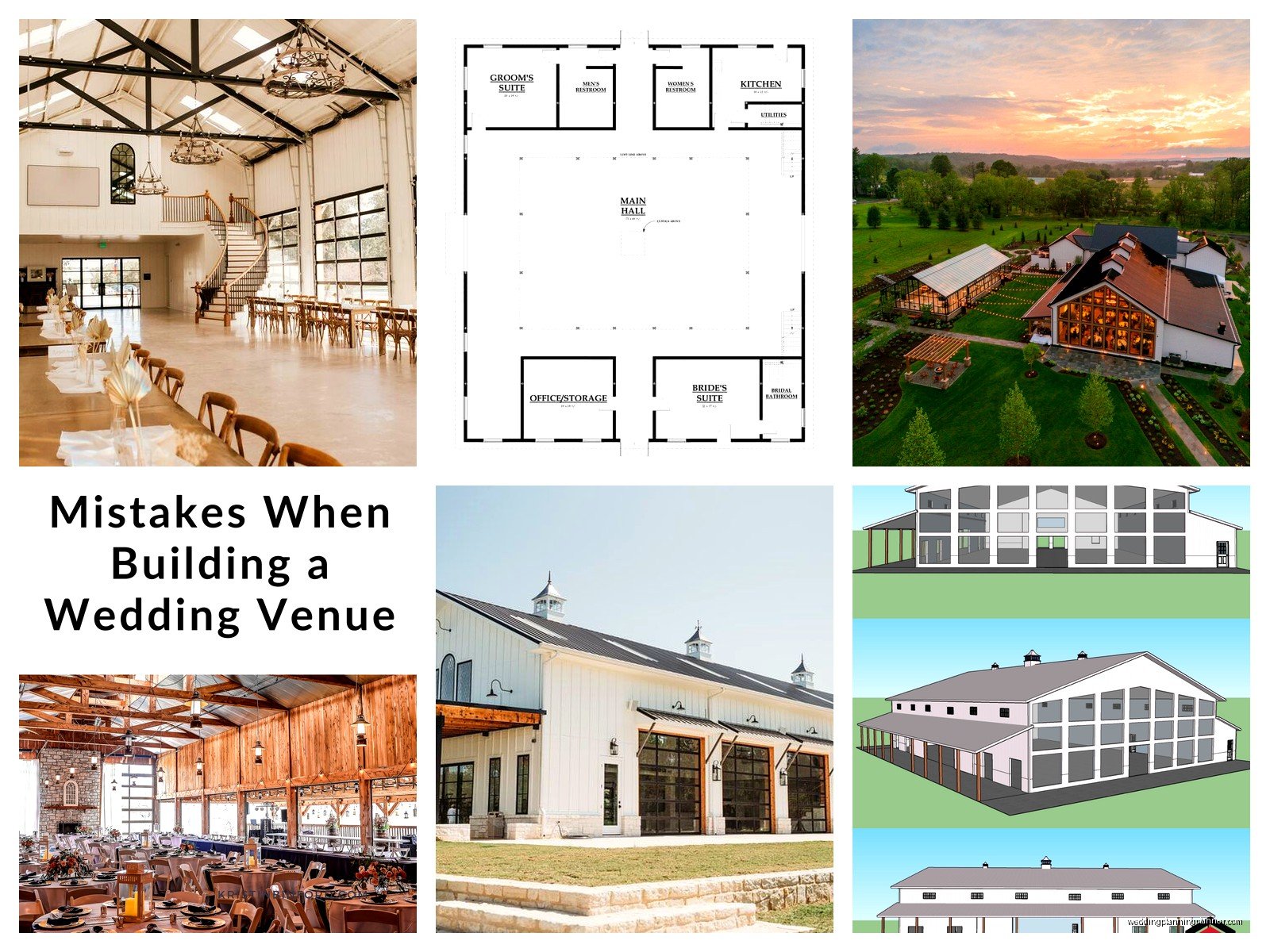
Building plans should show ADA-compliant features—ramps, accessible restrooms, parking spaces, clear pathways. You’re legally required to accommodate guests with disabilities. Check that the venue actually has these features and they’re not blocked by your event setup.
If the venue doesn’t have accessible features, you might need to add temporary ramps or designate accessible seating areas. This affects your floor plan and budget. Some historic venues are partially exempt from certain ADA requirements but they still need to make reasonable accommodations.
Kitchen and Service Area Considerations
The building plans show kitchen locations, service doors, and back-of-house areas. Your caterer needs adequate space, proper ventilation, enough electrical outlets, and ideally a three-compartment sink for health code compliance. If the venue doesn’t have a commercial kitchen, your caterer might need to bring in additional equipment, which affects power requirements and space.
Service flow matters too. Catering staff shouldn’t have to walk through the ceremony space to get to the kitchen. Look at the floor plan and trace the path from kitchen to dining area—is it direct? Are there stairs? Narrow doorways? All of this affects service quality and timing.
Outdoor Spaces and Site Plans
For venues with outdoor areas, the site plan shows property boundaries, grading, drainage, utility locations, and existing structures. If you’re planning an outdoor ceremony, you need to know where underground utilities are so you don’t stake a tent through a gas line. Seriously, this happens.
Grading and drainage affect where you can set up. Water flows downhill, so if there’s a storm, where does the water go? You don’t want your ceremony site turning into a pond. Check the site plan for drainage patterns and have a backup indoor location.
Parking capacity is on the site plan too. Count the actual spaces and consider whether that’s enough for your guest count. Some venues say they have parking for 100 cars but when you look at the site plan, there’s only 60 marked spaces and the rest is just “overflow parking” on grass that turns to mud when it rains.
Getting Professional Help
For complex venues or custom builds, hire a wedding planner who knows how to read building plans. Or at least bring someone who understands construction—maybe you have a friend who’s an architect or engineer. It’s worth having them look over documents before you sign anything.
Your rental company should also review the building plans to confirm they can deliver what you want. They’ll know if the doorways are wide enough for their furniture, if there’s loading dock access, if the ceiling height works for their tent or draping systems.
Sometimes you need to involve the venue’s insurance company too, especially if you’re doing something unusual or bringing in outside vendors who need to be added to the policy. The building specifications affect insurance coverage and liability.
Questions to Ask Your Venue
Request copies of the certificate of occupancy, building plans, and site plans before booking. Ask about recent inspections—fire, electrical, structural. Find out if there are any upcoming renovations or maintenance that could affect your date.
Ask about power capacity and whether you need to rent generators. Find out about noise restrictions based on the building’s location—some venues have decibel limits or time curfews because of zoning regulations.
Check if the venue has backup systems—generator for power outages, backup HVAC, emergency lighting. These should be on the building plans or at least documented somewhere.
Red Flags in Building Plans
If a venue can’t or won’t provide building documentation, that’s a problem. They might not be properly permitted or inspected. You could end up with safety issues or even have your event shut down.
Outdated plans are another issue. If the building plans are from 1985 but the venue was renovated in 2020, those old plans don’t reflect current conditions. Make sure you’re looking at as-built drawings that show the actual current state.
Missing information about structural capacity, electrical systems, or fire safety suggests the venue isn’t being thorough about compliance. Don’t assume everything is fine—verify it.
Practical Tips I Wish Someone Told Me Earlier
Take photos of the space with your phone and mark up the floor plan with actual measurements. Venues sometimes provide plans that aren’t to scale or are just schematic. Verify dimensions yourself or have your planner do it.
Create a scaled floor plan with furniture templates before you commit to a layout. You can do this with free online tools or even graph paper. This helps you visualize if everything actually fits and where the tight spots are.
Visit the venue during another event if possible. See how the space functions in real use, where bottlenecks happen, how service flow works, whether the acoustics are weird or if there’s echo problems because of the building structure.
Keep copies of all building documentation in your wedding binder. Your vendors will need this information—your lighting designer needs electrical specs, your florist needs ceiling heights, your rental company needs door dimensions and load capacity.
Budget for contingencies based on building limitations. If the venue has limited power, you might need generator rental. If there’s no accessible entrance, you need ramp rental. These costs add up but they’re necessary for making the space work properly and safely for your event