Planning Guides, Style Guide
Table Assignments Wedding: Seating Chart Strategy
Apr
Getting Your Seating Chart Done Without Losing Your Mind
Okay so the seating chart is literally the thing that makes most couples want to elope halfway through planning. I had this bride in spring 2023 who called me at like 10pm crying because her mom and her fiancé’s stepmom couldn’t be within fifty feet of each other and she had already printed the escort cards and I was like… deep breath, we’re gonna fix this.
Start with your venue layout first. Seriously. You can‘t assign people to tables that don’t exist or don’t fit where you think they will. Get the floor plan from your venue and find out exactly how many tables fit comfortably and where they’ll be positioned relative to the dance floor, DJ, bathrooms, and exits. Some tables are gonna be better than others and you need to know which ones.
The VIP Tables Come First
You and your partner get the head table or sweetheart table, obviously. Then figure out if you’re doing a head table with your wedding party or if they’re sitting with their dates at regular tables. I personally think it’s kinda mean to separate couples for the whole reception but some people really want that long head table aesthetic for photos.
Parents’ tables are next. Traditionally each set of parents hosts a table, but with divorced parents, remarriages, and complicated family dynamics, this gets messy fast. If parents are divorced and remarried, you might need four “parents tables” instead of two. If they can be civil, you can mix them, but don’t force it. I’ve seen a father-of-the-bride literally get up and move himself mid-reception and it was so awkward.
Put your parents’ tables close to you but not directly next to the dance floor because older guests usually don’t want the speaker right in their ear all night. Like second or third row from the head table works well.
The Math Part That Everyone Hates
Count your guest list and divide by your table size. Most venues do 8-person rounds or 10-person rounds. Some do long farm tables that seat 12-14. You need to know this number before you do anything else.
Here’s what annoys me SO MUCH: when couples don’t account for the fact that not everyone RSVPs yes. You‘re planning for 150 people but only 127 actually come, and now you’ve got three tables with like four people each spread across the room looking sad and empty. Build in some flexibility. If you’re between table sizes, go with fewer larger tables rather than more smaller ones. A table of 11 at a 10-top is fine. A table of 4 at a 10-top looks weird.
Group People By Actual Relationships
This seems obvious but you’d be surprised. Don’t just throw all the “college friends” together if they’re from different friend groups who never met. I group people like this:
- Your childhood friends who know each other
- Your college crew who actually hung out together
- Your work people (but be careful here because work dynamics are weird at weddings)
- Your extended family by family branch
- Your partner’s equivalent groups
- Couple friends you both know
- The random singles who don’t fit anywhere else – more on this in a sec
Don’t split up couples unless you absolutely have to. Even if they’ve been married for thirty years and probably wouldn’t mind, it just feels rude. Same with engaged couples or people who are clearly in serious relationships.
The Singles Table Isn’t Actually Evil
Okay so everyone acts like putting single people together is some horrible thing, but honestly? If you do it right, it’s usually the most fun table. The key is putting single people together who have something in common besides being single. Like all your single friends from grad school, or all your cousins in their twenties, or all your coworkers who are around the same age and like to party.
What you DON’T do is put your 23-year-old cousin next to your 64-year-old uncle’s divorced friend from work just because they’re both single. That’s when it gets weird and uncomfortable.
I actually met my boyfriend at a “singles table” at my friend’s wedding in summer 2021, so like, it’s not a punishment. We were all people who loved trivia and craft beer and we ended up staying at that table basically the entire night just hanging out. My cat hates him though, which is a whole separate issue.
Age Matters More Than You Think
Put kids’ tables near their parents but not directly next to the speakers. If you’re having a kids table, make sure there are activities or coloring books or something because bored kids get LOUD. Some couples do a kids table for ages like 5-12, then teenagers sit with adults.
Your elderly relatives need to be away from the speakers, near the bathrooms, and preferably with easy access to exits in case they need to leave early or step out. I know this sounds morbid but I’ve planned enough weddings to know that Grandma needs her hearing aids to not get blown out by the DJ and she needs to be able to get to the bathroom without navigating through the dance floor.
The Difficult People Strategy
Every family has them. The aunt who drinks too much. The uncle who gets political. The cousin who’s gonna complain no matter what. Here’s what you do: scatter them. Don’t put all your difficult people at one table because that’s just asking for drama. Put each one at a table with some chill, diplomatic people who can handle them.
Also put difficult people far from you. You don’t need to watch Uncle Jerry get drunk and loud all night from your sweetheart table. Put him in the back corner with some patient souls who can deal with him.
For people who genuinely hate each other – like divorced parents who can’t be civil, or family members who had a falling out – you need physical distance. Different sides of the room. One near the entrance, one near the back. Don’t make them walk past each other to get to the bathroom or bar.
The Actual Process Of Assigning Tables
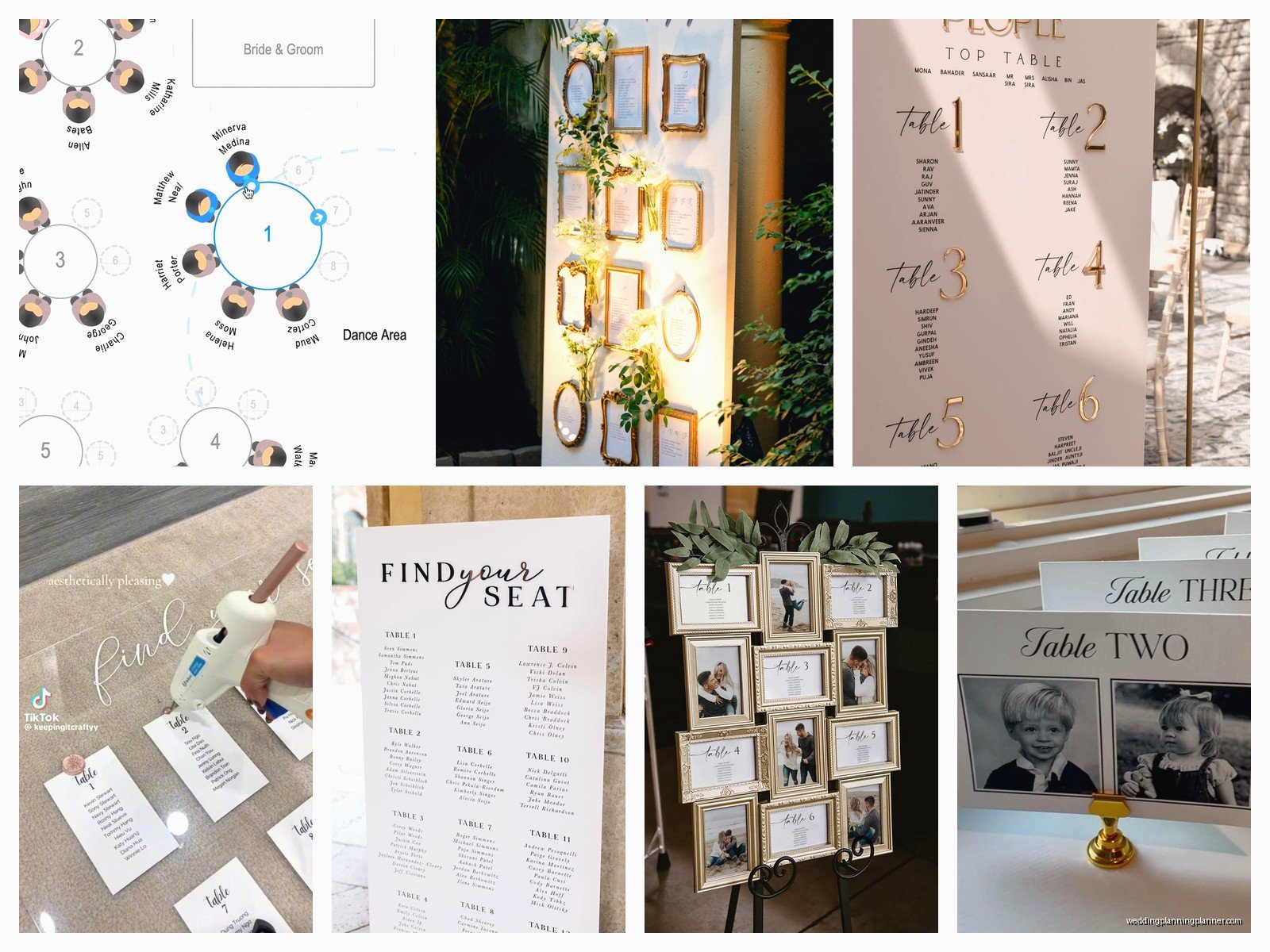
Get a spreadsheet or use one of those online seating chart tools. I like AllSeated or WeddingWire’s tool, but honestly a Google Sheet works fine too. List every single guest with their meal choice if you’re doing plated dinner.
Start assigning your definite tables first: wedding party, parents, grandparents, your closest friends. Then fill in from there. You’re gonna move people around like fifty times, so don’t stress about getting it perfect on the first try.
Try to balance tables by age and energy level. You don’t want all the party people on one side and all the quiet people on the other because then half your room is dead silent while the other half is raging. Mix it up.
The Plus-One Problem
If someone has a plus-one you’ve never met, ask your guest what their plus-one’s name is and maybe a little about them. Are they outgoing? Shy? What do they do? Then you can seat them with people they might actually vibe with instead of just parking them at a random table where they know literally no one except their date.
I had a client once who didn’t do this and found out later that she’d seated her college roommate’s new boyfriend – who was a professional musician – at a table full of accountants who spent the whole dinner talking about tax law and the poor guy was just sitting there nodding along. Could’ve seated him with the other creative types and he would’ve had a blast.
Work People Are Tricky
If you’re inviting coworkers, think about the dynamics. Your work friends are great, but your boss? Your boss’s boss? They might make your friends feel like they can’t relax. I usually put work people at their own table or two, separated by how well they know each other outside of work.
Don’t seat your subordinates at the same table as your manager unless they’re all actually friends outside the office. Work hierarchy is weird at weddings and people can’t fully let loose if their boss is right there.
The Friend Groups That Overlap
This is where it gets complicated because you’ve got like, friends from college who ALSO know your work friends, or family members who are also friends with other family members from the other side, and it’s like… where do they go?
Put them where they’ll have the most fun. If your cousin Sarah knows people at both the family table and the college friends table, ask her which group she’d prefer to sit with. Most people will tell you honestly.
Table Numbers vs Table Names
Okay this is just a personal preference thing but I think table names are more fun than numbers. Numbers feel hierarchical even when you don’t mean them to – like “oh we’re at table 15, we must not be important.” Names based on something meaningful to you as a couple (places you’ve traveled, favorite movies, streets you’ve lived on, whatever) feel more personal and eliminate that weird ranking anxiety.
But if you do numbers, don’t do them in order radiating out from the head table. Mix them up so it’s not obvious which tables are “better.”
Last-Minute Changes Are Gonna Happen
Someone’s gonna break up between when you finalize the chart and the wedding day. Someone’s gonna bring a plus-one you didn’t know about. Someone’s gonna no-show without telling you. Build in a backup plan.
Have your venue set up one or two extra seats at a few tables, or have one overflow table that can be added if needed. Give your wedding planner or day-of coordinator your seating chart early and let them know who’s flexible if seats need to be shuffled.
When To Finalize Everything
Don’t finalize your seating chart until like two weeks before the wedding, max. You need final headcount from RSVPs first. I usually tell couples to have a “draft” ready about a month out, then adjust as final RSVPs come in.
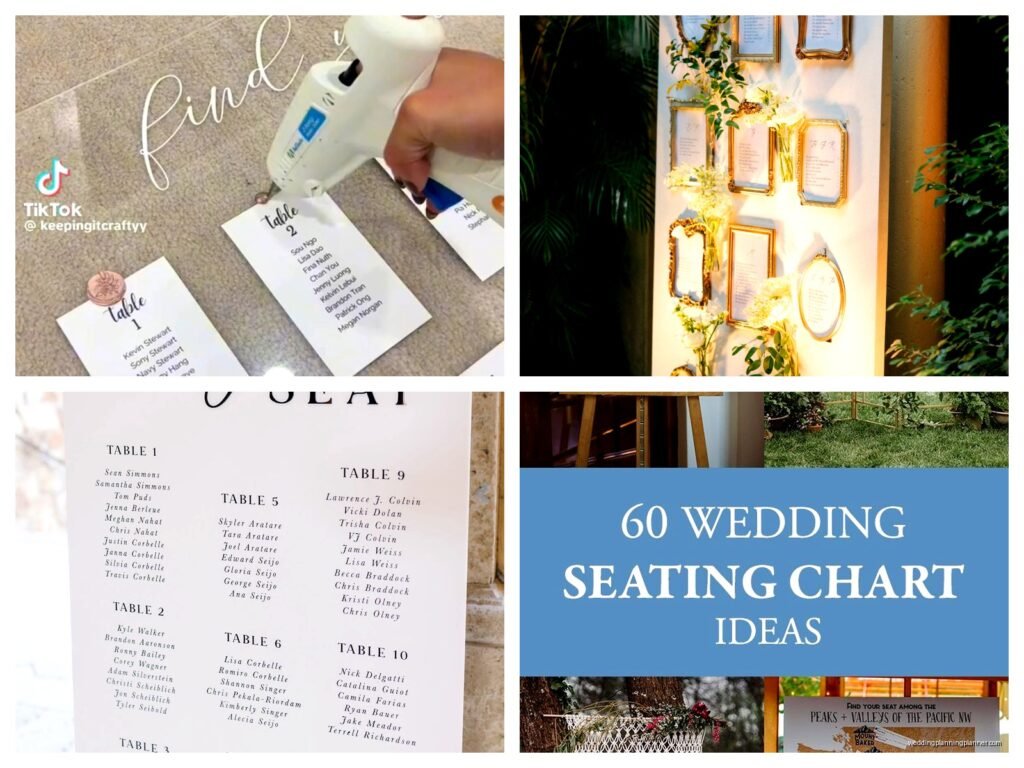
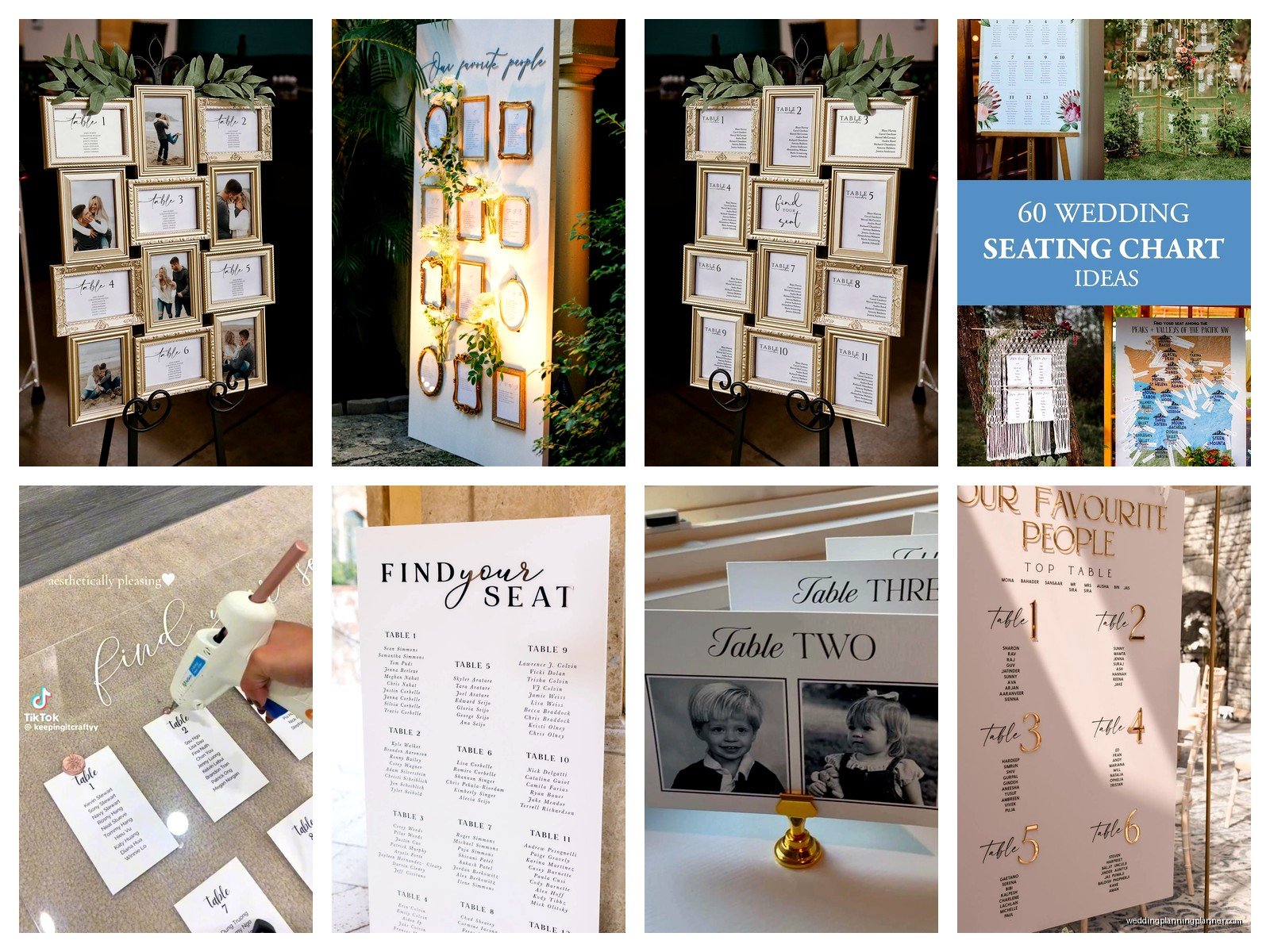
Once you finalize it, you’ve gotta get your escort cards or seating chart display made. Escort cards are those little cards at the entrance that tell people their table assignment. A seating chart display is a big sign or mirror or whatever that lists everyone’s names and table assignments. You need one or the other, not both usually, unless you want to be extra.
Print a few copies of the master list for yourself, your partner, your parents, and your coordinator. Someone’s gonna ask “where am I sitting?” and you need to be able to answer quickly or delegate that question to someone who can.
The Things That Actually Don’t Matter As Much As You Think
People spend SO MUCH time agonizing over whether Aunt Linda will be offended that she’s not at table 3 or whether college roommates will be upset they’re near the kitchen or whatever. Here’s the truth: most guests don’t care that much. They care about having someone to talk to at their table and having decent sightlines to the important stuff. That’s it.
I’ve never had a guest complain about their table assignment if they were seated with people they knew and liked. The complaints come when someone’s stuck at a table with strangers and nothing in common, or when they’re seated with someone they actively dislike.
Also people get up and mingle anyway. Dinner is only like an hour, maybe ninety minutes. After that everyone’s at the bar or on the dance floor or moving around talking to people. The seating chart matters for dinner service and that’s about it.
One more thing – and I wish someone had told me this earlier in my career – you cannot make everyone happy with your seating chart. Someone’s gonna be slightly annoyed no matter what you do. Your second cousin twice removed might wish she was closer to the head table, or your college friend might’ve preferred to sit with a different group, but like… it’s your wedding and you’re doing your best with limited space and complicated relationships and—
Just make the decisions that feel right for the people you’re closest to, be strategic about the difficult personalities, and give everyone else the benefit of the doubt that they’re adults who can handle sitting with people for ninety minutes. Get it done, send it to the venue, and then stop thinking about it because you’ve got 47 other things to finalize before the wedding anyway.