Planning Guides, Style Guide
Custom Wedding Cards: Personalized Design Services
May
Getting Started With Custom Wedding Card Services
Okay so custom wedding cards are honestly one of those things that seem way more complicated than they actually are until you realize how many decisions you actually have to make and then it feels MORE complicated. But here’s the thing – I’ve been doing this since like 2009 and the personalized design route is absolutely worth it if you know what you’re asking for and who to ask.
First thing you gotta figure out is whether you want fully custom (like someone designs from scratch based on your vision) or semi-custom (you pick a template and modify colors, fonts, wording). Fully custom starts around $800-$2000 just for design work before printing. Semi-custom is usually $300-$600 for the design package. I had this couple in spring 2023 who insisted they wanted fully custom and then showed me a Pinterest board that was literally just one designer’s existing template in different colors and I was like… we could save you $1200 here but okay.
Finding the Right Designer
You can go through a stationery studio, an independent designer, or those online platforms like Minted or Zola that offer “customization” which is really just template modification. Nothing wrong with that honestly but know what you’re paying for.
When you’re looking at designers, check these things:
- Do they show the FULL suite in their portfolio? Like save-the-dates, invites, RSVP cards, details cards, menus, programs – or do they just show pretty invite fronts?
- What’s their revision policy? Some designers include 2-3 rounds, others charge $75-$150 per additional round
- Do they handle printing or just send you print files?
- What’s the timeline? Most need 3-4 months minimum for custom work
- Can you see examples of their work printed, not just digital mockups?
That last one is huge because I cannot tell you how many times colors look completely different on screen versus on paper. What looks like a soft blush on your laptop might print as straight-up pink.
The Design Process Actually Works Like This
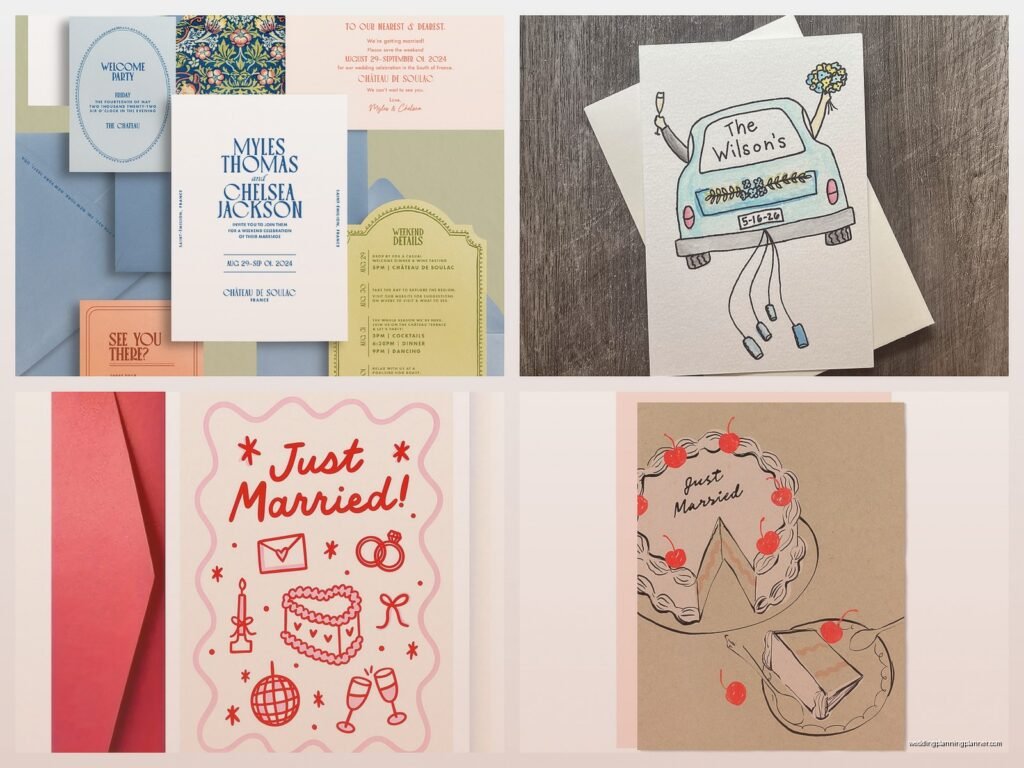
Most designers start with a questionnaire or consultation call. They’re gonna ask about your wedding style, colors, venue, formality level, any specific elements you want incorporated. This is where you need to be honest about your vibe because if you say “elegant and timeless” but you’re getting married in a barn and want sunflower illustrations, those are… different directions.
After the initial consult, you‘ll usually get:
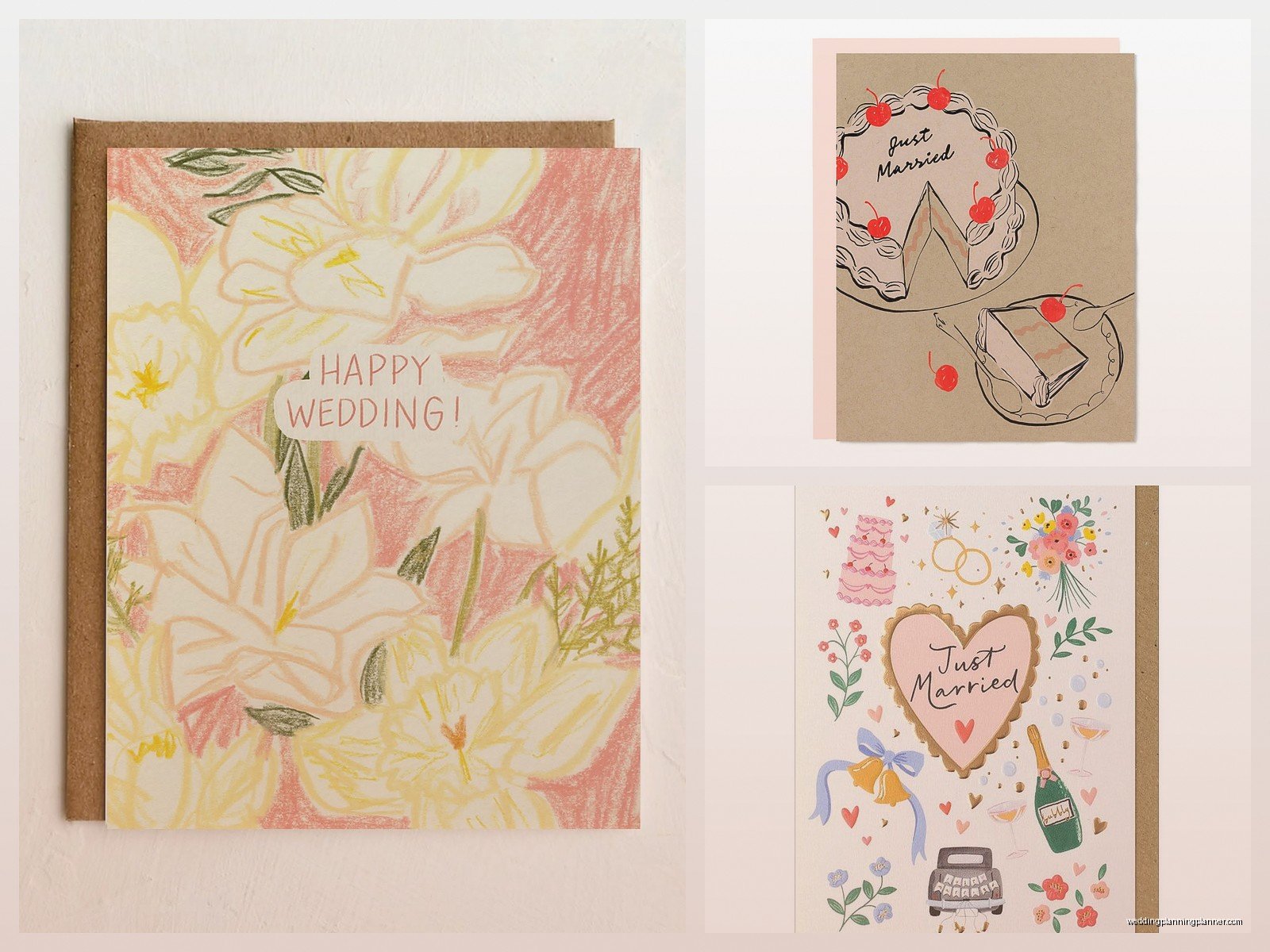
- A mood board or concept presentation showing color palettes, font pairings, maybe some rough sketches
- First full draft of your main invitation
- Revisions based on your feedback
- Final approval of invitation
- Design of remaining suite pieces (RSVP, details card, etc.)
- Final print files or they handle printing
The revision stage is where things can get tense. I worked with a bride in summer 2021 who requested 14 rounds of revisions because she kept asking her mom, her sister, her three bridesmaids, and her future mother-in-law for opinions and everyone had different ideas. The designer was ready to lose it and honestly I don’t blame her. You can get input but at some point you gotta just make a decision or you’ll be changing fonts until your wedding day.
What You Can Actually Customize
Basically everything but here’s what makes the biggest impact:
Paper type and weight: Standard is 110lb cardstock. Upgrade options include cotton paper (feels expensive, costs expensive at $3-$8 per invite), handmade paper with inclusions like flower petals (beautiful but can be hard to print on), or acrylic/vellum/wood (specialty materials that require different printing methods).
Printing method: Digital printing is most affordable and works for like 90% of designs. Letterpress is that gorgeous debossed look, costs $$$$ but feels incredible – expect $15-$35 per invitation suite. Foil stamping adds metallic elements, also pricey at $8-$20 per suite depending on how much foil coverage. Thermography creates raised text, middle price point around $5-$12 per suite.
My cat knocked over my coffee on a letterpress sample once and I almost cried because it was a $40 sample. Anyway.
Colors: You can match to exact wedding colors but keep in mind Pantone matching (getting precise color matches) costs extra and not all printers offer it. Most designers work with CMYK color profiles which gives you thousands of options but might not be exactly identical to your bridesmaids’ dresses.
Illustrations and graphics: Custom illustrations of your venue, your pets, you and your partner as little cartoon figures, floral elements, monograms, family crests, whatever. Custom illustrations from a professional illustrator add $200-$800 to your design costs usually.
Wording and Etiquette Stuff
This is where you either care a lot or you don’t care at all and both are fine honestly. Traditional wedding invitation wording has all these rules about who’s hosting, how to list divorced parents, titles, spelling out numbers versus using numerals… most designers know this stuff and can guide you.
What annoys me though is when people act like you HAVE to follow these rules or your invitations are wrong. Nah. If you want “We’re getting married and you’re invited!” as your wording, do that. If you want traditional formal wording, cool. Just be consistent across your suite.
One thing about wording – proofread it seventeen times and then have someone else proofread it. I’ve seen invitations printed with the wrong date, wrong venue address, misspelled names… once the designer spelled the groom’s name “Brain” instead of “Brian” and nobody caught it until 200 invitations were printed and that was a $3000 mistake.
The Printing and Production Phase
Some designers handle this, some don’t. If they don’t, they’ll send you print-ready PDF files and you’ll need to find a printer. Options include:
- Local print shops – good for small quantities, you can see samples in person, support local business
- Online specialty wedding printers – competitive pricing, lots of paper options, usually good customer service
- Big box print services – cheapest option, fine for simple designs, limited paper choices
- Letterpress/specialty studios – for high-end printing methods, expensive but stunning results
Always always ALWAYS order samples before you print your full quantity. Like I cannot stress this enough. Colors look different, paper feels different, sometimes the text is smaller than you expected when you’re holding it in your hand versus looking at it on a screen.
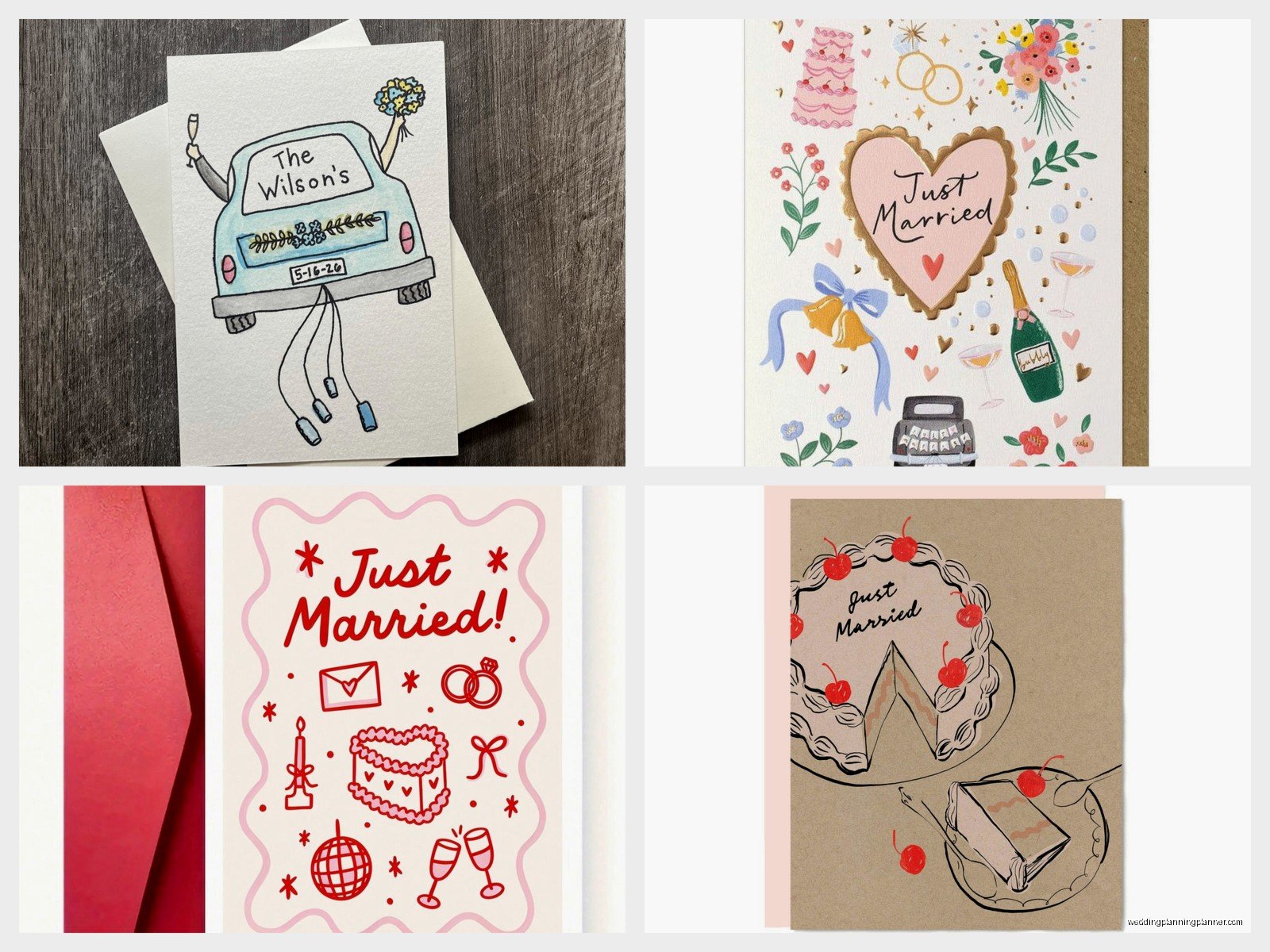
Order about 20% more than you think you need because people will mess up addressing, you’ll forget someone, addresses will change, things will get damaged. For 100 guests I usually recommend printing 125-130 invitations.
Timeline Planning
Work backwards from your mail date (which should be 8-10 weeks before the wedding):
12-16 weeks before mail date: Start designer search and consultations
10-14 weeks before: Finalize designer, start design process
8-10 weeks before: Approve final designs, order printing
6-8 weeks before: Receive printed invitations, assemble if needed
4-6 weeks before: Address envelopes (hand calligraphy adds 2-3 weeks to this)
8-10 weeks before wedding: Mail invitations
That’s ideal world timeline. Real world? I’ve had clients pull together custom invitations in 6 weeks total but it’s stressful and rush fees apply and you have way fewer designer options because most are booked out.
Assembly and Extras
Your invitation suite might include multiple pieces that need to be assembled. The main invitation, RSVP card and envelope, details card, maybe a weekend events card, map, accommodations info… some people go wild and have like 8 pieces which is gorgeous but also means you’re sitting there assembling 150 invitation suites which takes HOURS.
Assembly options or extras to consider:
- Belly bands (paper bands that wrap around the suite) – pretty but add assembly time
- Wax seals – Instagram-worthy, annoying for post office machines, add $1-$3 per invite
- Ribbon – delicate, can get crushed in mail, looks expensive
- Vellum overlay – adds a fancy layer, literally, over your invitation
- Lined envelopes – pattern or color on the inside flap, costs extra but nice detail
- Envelope addressing – DIY, print at home, calligraphy, digital calligraphy printing
I had a bride who wanted wax seals and ribbon and the whole thing and then was shocked that postage was $2.16 per invitation instead of regular stamp price. If your invitation is thick, has wax seals, or is an unusual size, you’re paying extra postage. Take a fully assembled invite to the post office and have them weigh it before you buy stamps.
Digital Design Files vs Physical Product
Some couples just want the design files to use for other wedding stuff – websites, programs, signage, whatever. Most designers will sell you the files after the project is complete for an additional fee, usually $200-$500. This gives you the source files to use however you want.
If you’re planning to DIY your printing to save money, make sure your designer knows that upfront and provides files in the right format for your chosen printing method. A file set up for digital printing won’t work for letterpress and vice versa.
Budget Real Talk
I tell clients to budget $5-$15 per guest for invitations, so for 100 guests that’s $500-$1500 total. That covers design, printing, envelopes, and postage for a semi-custom suite with decent paper and digital printing.
If you want fancy printing methods, custom illustrations, specialty papers… budget goes up to $15-$30 per guest or more. I’ve seen couples spend $8000 on invitations for 200 guests with letterpress, custom illustrations, hand calligraphy, and all the extras. I’ve also seen gorgeous custom invitations done for $600 total with a talented designer and smart choices about printing.
Ways to save money without sacrificing the custom design:
- Digital printing instead of letterpress or foil
- Standard cardstock instead of cotton paper
- Fewer suite pieces (do you really need a separate accommodations card or can that go on your website?)
- Digital RSVP instead of printed cards – saves printing and return postage
- Print at home assembly pieces like belly bands or details cards
- Skip envelope liners and wax seals
- Address envelopes yourself or print labels instead of calligraphy
The design is what makes it custom and special, not necessarily the expensive printing method or fancy paper. A great design on standard cardstock looks better than a boring design on cotton paper, you know?
Questions to Ask Before You Hire Anyone
When you’re talking to designers, ask them:
- What’s included in your design package?
- How many revision rounds are included?
- What’s the timeline from start to final files?
- Do you handle printing or provide print-ready files?
- Can I see examples of printed work, not just digital?
- What if I need rush service?
- Do you offer day-of stationery design (menus, programs, signage) or just invitations?
- What’s your payment schedule?
- What happens if I need to change my wedding date after invitations are designed?
And honestly just make sure you like their communication style because you’ll be going back and forth a lot during the design process and if they take 5 days to respond to emails or you feel like they’re not getting your vision, it’s gonna be frustrating.
Common Mistakes People Make
Starting too late is the big one. Custom design takes time and good designers book up months in advance, especially for peak wedding season.
Not being clear about budget upfront – designers can work with different budgets but they need to know what yours is so they don’t design something you can’t afford to print.
Trying to incorporate too many ideas or… wait I already mentioned the bride with too many opinions earlier. But yeah, having a clear vision helps or at least being open to the designer’s expertise.
Forgetting about postage costs until the end – factor this into your budget from the start.
Not ordering samples before full printing – I’m gonna keep saying this because it’s so important.
Skipping proofreading or only having one person proofread – fresh eyes catch mistakes you’ve been staring at for weeks.
Assuming you can DIY complex printing methods – letterpress and foil stamping require specialized equipment, you can’t just do this at home on your printer.
The whole custom invitation process is really about finding the right balance between your vision, your budget, and what’s actually practical. You want something that represents you as a couple and gets your guests excited about your wedding, but you also don’t need to spend your entire wedding budget on paper that people are gonna look at for 30 seconds and then stick on their fridge. Make choices that matter to you, skip the stuff that doesn’t, and work with someone who makes the process feel collaborative instead of stressful. And for the love of everything, start early enough that you’re not panicking about getting them in the mail on time because that’s when mistakes happen and nobody needs that kind of stress.