Planning Guides, Style Guide
Diy Wedding Card: Design & Ordering Guide
Jun
Start With What You Actually Need
Okay so the biggest mistake I see couples make is designing their wedding cards before they even know what they need them FOR. Like, are we talking save-the-dates? Invitations? Thank you cards? Programs? All of the above? You gotta figure this out first because it affects literally everything – your budget, your timeline, the design consistency.
I had this couple in spring 2023 who designed the most gorgeous save-the-dates, spent like three weeks perfecting them, ordered 150 copies, and then realized they’d never actually calculated how many people they were inviting. Turned out they needed 200. The reorder cost them almost as much as the original order because they’d lost the bulk discount threshold. Don’t be those people.
Here’s what most weddings actually need:
- Save-the-dates (if you’re planning more than 6 months out or it’s a destination wedding)
- Formal invitations with RSVP cards
- Details cards (for accommodation info, website, dress code)
- Thank you cards
- Maybe programs or menus if you’re fancy
Design Software – What Actually Works
Everyone always asks me about Canva and honestly? It’s fine. It’s totally fine for wedding cards. Yeah, professional designers might judge me for saying that, but I’ve seen couples create genuinely beautiful invitations using Canva’s templates. The pro version gives you more fonts and the ability to resize designs easily, which is worth it if you’re doing multiple card types.
If you want more control, Adobe InDesign is the industry standard, but there’s a learning curve. I use it for client work, but for DIY couples I usually recommend either Canva or even PowerPoint if you’re comfortable with it. PowerPoint sounds weird but you can actually do a lot with it, and most people already know how to use it.
For Mac users, Pages works too. My cat literally walked across my keyboard and deleted an entire invitation design in Pages once, so just… save frequently. That’s my contribution to this section.
Size Matters More Than You Think
Standard invitation sizes are standard for a reason – they’re cheaper to print and mail. A 5×7 invitation fits perfectly in an A7 envelope and costs normal postage. The second you go custom size, you’re gonna pay more for printing AND mailing.
Common sizes that won’t destroy your budget:
- 5×7 inches (the most popular)
- 4×6 inches (works for save-the-dates or simpler designs)
- 5.5×8.5 inches (half of a standard letter, easy to print)
- Square 5×5 or 6×6 (looks modern but requires square envelopes and extra postage)
What really annoys me is when couples design something gorgeous in like 5.2×7.3 inches because that’s what looked good on their screen, and then they can’t figure out why quotes are coming back so high. Printers work with standard paper sizes. Weird dimensions mean more waste, which means higher costs.
The Design Itself
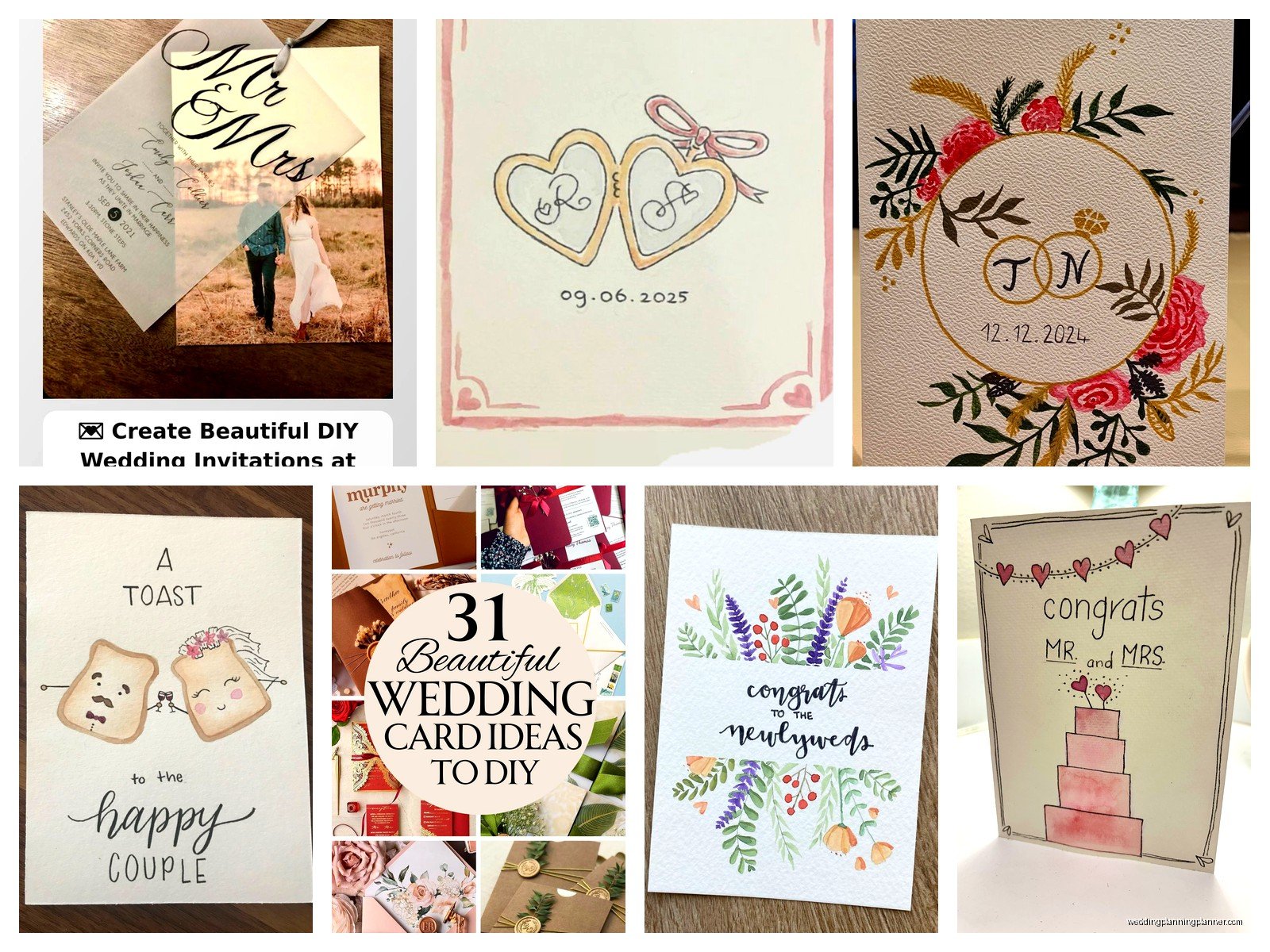
Alright so here’s where I’m gonna sound like I’m contradicting myself but… don’t overthink it, but also don’t underthink it? The design should reflect your wedding vibe but it doesn’t need to be a masterpiece.
Keep these things readable and clear:
- Names (obviously)
- Date and time
- Location with full address
- RSVP deadline and method
- Dress code if you have one
For fonts, use maximum two, maybe three if one is just for a small detail. One fancy font for names or headers, one readable font for details. That’s it. I once had a bride who used seven different fonts on one invitation and it looked like a ransom note.
Color and Paper Stock
Your colors need to work with your printing method. If you’re doing home printing on a regular inkjet, super dark backgrounds are gonna use SO much ink and might look streaky. If you’re using an online printer, you have more options but you need to understand color modes.
RGB is for screens. CMYK is for printing. This is important. Design in RGB and your printed cards might look totally different – usually duller and less vibrant. Most online printers want CMYK files, so convert before you upload or you’re gonna be disappointed.
Paper stock is where you can actually feel fancy without spending a ton. Most online printers offer:
- Matte (no glare, writes well with pen, classic look)
- Glossy (colors pop, photos look great, feels more modern)
- Pearl or shimmer (catches light, very wedding-y)
- Textured or linen (expensive but gorgeous)
The weight matters too. 80lb cover is kinda thin and flimsy. 100lb cover is better. 110lb or 120lb feels substantial and quality. For invitations, I always recommend at least 100lb.
Printing Options – The Real Talk
You’ve got basically four routes here and they’re all valid depending on your budget, quantity, and how much you care about perfection.
Home Printing
This is the cheapest option if you already have a decent printer. Buy pre-cut cardstock from Paper Source or even Amazon, design to fit their dimensions, and print away.
Pros: Super cheap, complete control, can print as you go
Cons: Time-consuming, color consistency issues, your printer will probably jam at least twice, limited paper options
If you’re doing this, do a test print on regular paper first. Then do a test on the actual cardstock. Then print five real ones and look at them in different lighting before you print all 150.
Local Print Shops
FedEx Office, Staples, local printers – they can all do wedding invitations. Bring your design on a USB drive (and also email it to yourself as backup because USB drives are weird now and half the time their computers can’t read them).
The quality is usually pretty good and you can see paper samples in person, which is huge. Plus you can often pick up same-day or next-day. Local printers sometimes do custom cutting too, which the big chains won’t.
Online Print Services
This is what I recommend to like 80% of couples. Minted, Vistaprint, Catprint, Shutterfly, Zazzle – there are so many options. Each has different strengths.
Minted has beautiful designs and great quality but they’re pricey. Vistaprint is budget-friendly and always has sales but the paper quality is just okay. Catprint is fantastic for custom sizes and specialty papers. Shutterfly is middle-ground on everything.
Here’s what you need to know about online printing:
- Order samples first. Always. Every printer’s “white” looks different.
- Turnaround time is usually 3-5 business days for printing, then shipping on top of that
- Rush options exist but they’re expensive
- Bulk discounts kick in around 50-100 pieces usually
- Read the bleed requirements – most want 0.125 inches beyond your cut line
In summer 2021, I had a bride who ordered invitations without checking the proof carefully, and the printer had automatically “corrected” her color scheme because they thought it was an error. All her burgundy came out brown. She didn’t notice until she’d ordered 200. The company reprinted them free but it delayed everything by two weeks and she was stressed out of her mind.
Professional Print Services
Letterpress, foil stamping, thermography, engraving – these are gorgeous and expensive. If you want these effects, you’re probably not fully DIY-ing anymore. You’ll work with a stationer who handles the printing part, but you might still be able to provide your own design to save money.
Just know that letterpress setup fees alone can be $200-500 before you even print a single card.
The Ordering Process
Okay so you’ve designed your card, you’ve picked your printer, now what?
First, count your guest list. Then add 10-15% for mistakes, last-minute additions, and keepsakes. If you need 100 invitations, order 110-115. Trust me on this.
For save-the-dates, order those like 6-8 months before the wedding. For invitations, order them 3-4 months before, mail them 6-8 weeks before the wedding date. This timeline gives you buffer room for shipping delays, reprints if needed, and addressing envelopes.
File Preparation
Most printers want PDF files. High resolution, at least 300 DPI. If you’re submitting a PDF, make sure it’s print-ready:
- Correct dimensions with bleed if required
- CMYK color mode
- Fonts embedded or outlined (so they don’t substitute weird fonts)
- No layers or transparency issues
Some online services have their own upload tools where you just drag and drop images, which is easier but gives you less control over the final output.
Proofing Is Not Optional
Read your proof seventeen times. Then have your partner read it. Then have your most detail-oriented friend read it. Check for:
- Typos (especially in dates and times)
- Wrong venue address
- Incorrect RSVP date
- Missing information
- Names spelled wrong
- AM/PM mistakes
I cannot tell you how many invitations I’ve seen that say “6:00 PM” when the ceremony is actually at 6:00 AM… okay that’s never happened, but I have seen 4:00 instead of 5:00 and that’s just as bad.
Envelopes Are Their Own Thing
Most online printers sell envelopes with your card order, which is convenient. Make sure they’re the right size – your card should fit comfortably with like a quarter inch of space on each side.
Envelope addressing options sorta range from:
- Hand-write them yourself (free, personal, time-consuming, your hand will cramp)
- Print labels (cheap, easy, looks a bit informal for weddings)
- Print directly on envelopes (requires printer that can feed thick envelopes, test this first)
- Hire a calligrapher (beautiful, expensive, usually $2-5 per envelope)
- Use a digital calligraphy service (middle ground, around $1-2 per envelope)
If you’re printing addresses, use a nice font and consider printing a return address on the back flap too. Makes everything look cohesive.
The Budget Reality Check
Let me break down actual costs because this is where couples get shocked. For 100 invitations with envelopes:
Budget DIY Route: Home printing on nice cardstock from Amazon, basic envelopes, DIY addressing – probably $50-100 total
Mid-Range Online Printing: Vistaprint or similar, decent paper, printed envelopes – probably $150-300
Premium Online Printing: Minted quality, shimmer paper, maybe a details card included – probably $400-600
Professional Letterpress: Working with a stationer, custom letterpress – probably $800-1500+
Don’t forget to budget for postage. Standard invitations in standard envelopes cost regular First Class stamp prices. Add anything bulky, oversized, or square and you’re paying extra per piece. Weigh one complete invitation at the post office before you buy stamps for all of them.
Common Mistakes To Avoid
Not ordering samples before committing to 200 cards. The colors and paper quality look different in person than on screen, always.
Forgetting about assembly time. If your invitation has multiple inserts, belly bands, envelope liners, or wax seals, you’re gonna spend HOURS putting these together. Plan for that.
Designing something too minimal. Make sure there’s enough contrast between text and background. Light gray text on white paper looks elegant on your computer screen but might be unreadable in print, especially for older guests.
Not checking timezone specifications if you’re having a destination wedding or if guests are coming from different regions.
Ordering exactly the number you need with no extras. You will make mistakes. Someone will spill coffee on theirs. You’ll want to keep one.
Alternative Ideas Worth Considering
If traditional printed cards aren’t your thing or budget’s tight, email save-the-dates are totally acceptable now. Post-pandemic, people get it. You can still do printed formal invitations but save money on the save-the-dates.
Postcard invitations or save-the-dates cost less to mail and can look really modern and fun. They’re also easier to print since there’s no envelope assembly.
Some couples are doing all-digital invitations through wedding websites, though I’ll say older family members sometimes struggle with this. If you go this route, maybe print like 20 copies for grandparents and aunts who aren’t tech-savvy.
You can also mix and match – DIY your save-the-dates and thank you cards but splurge on professional invitations, or vice versa. There’s no rule that says everything has to match perfectly or come from the same source. Actually, there are people who think everything should match perfectly, but… they’re wrong and you can ignore them.