
Planning Guides, Style Guide
Dholki Invitation: Design & Ordering Guide
Jun
Getting Your Dholki Invitations Right
Okay so dholki invitations are honestly one of my favorite things to work on because they’re SO much more relaxed than the actual wedding invites, but here’s the thing – people still mess them up all the time. I had this bride last spring 2023 who ordered her dholki cards literally two weeks before the event and then got mad when they arrived with a color that was “off” and there wasn’t time to reprint. Like, I wanted to shake her a little bit.
The dholki is this beautiful pre-wedding celebration where everyone gets together, sings traditional songs, plays the dholki drum, and just has this intimate vibe before all the wedding chaos starts. Your invitation needs to match that energy – fun, personal, maybe a little quirky, definitely not as formal as your wedding suite.
Timeline (Because You’re Gonna Need It)
Start looking at designs like 6-8 weeks before your dholki. I know that sounds early but trust me on this. Here’s why – custom designs take time, proofs go back and forth, printing takes longer than you think, and then you need to actually mail these things or hand-deliver them.
Order your invites at least 3-4 weeks before the event. If you’re doing digital, you can push this closer, but physical invites need that buffer. I’ve seen too many people try to rush this and end up with smudged printing or weird paper quality because they had to go with whoever could turn it around fastest.
Send them out 2-3 weeks before the dholki. It’s not a wedding so people don’t need months of notice, but you want enough time that people can actually plan to attend, especially if some guests are coming from out of town.
Design Direction (The Fun Part)
This is where you get to be way more creative than with wedding invites. I usually tell clients to think about what vibe they want – traditional, modern fusion, totally Bollywood, minimalist, whatever speaks to them.
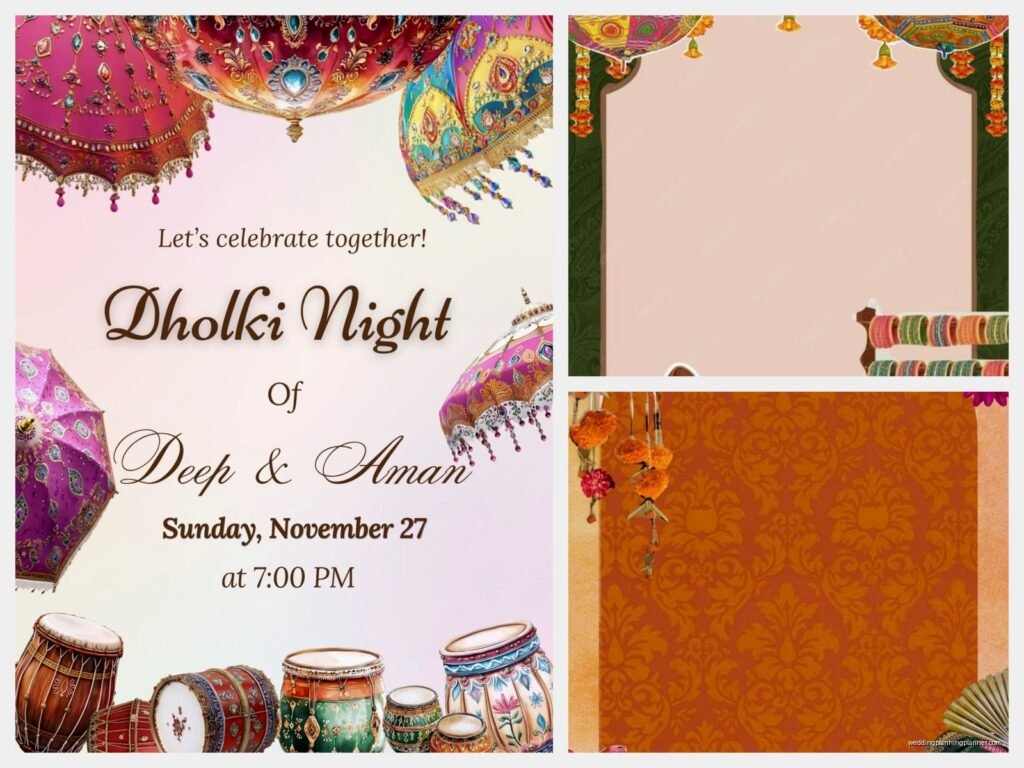
Traditional designs usually feature dholki drums (obviously), musical notes, peacocks, paisleys, marigold flowers, or those gorgeous mandala patterns. Colors tend to be vibrant – think hot pink, orange, yellow, turquoise, emerald green. Golds are huge. My cat knocked over my coffee all over a set of samples once and honestly the turmeric yellow ones just… absorbed it and looked fine? Not the point but it was wild.
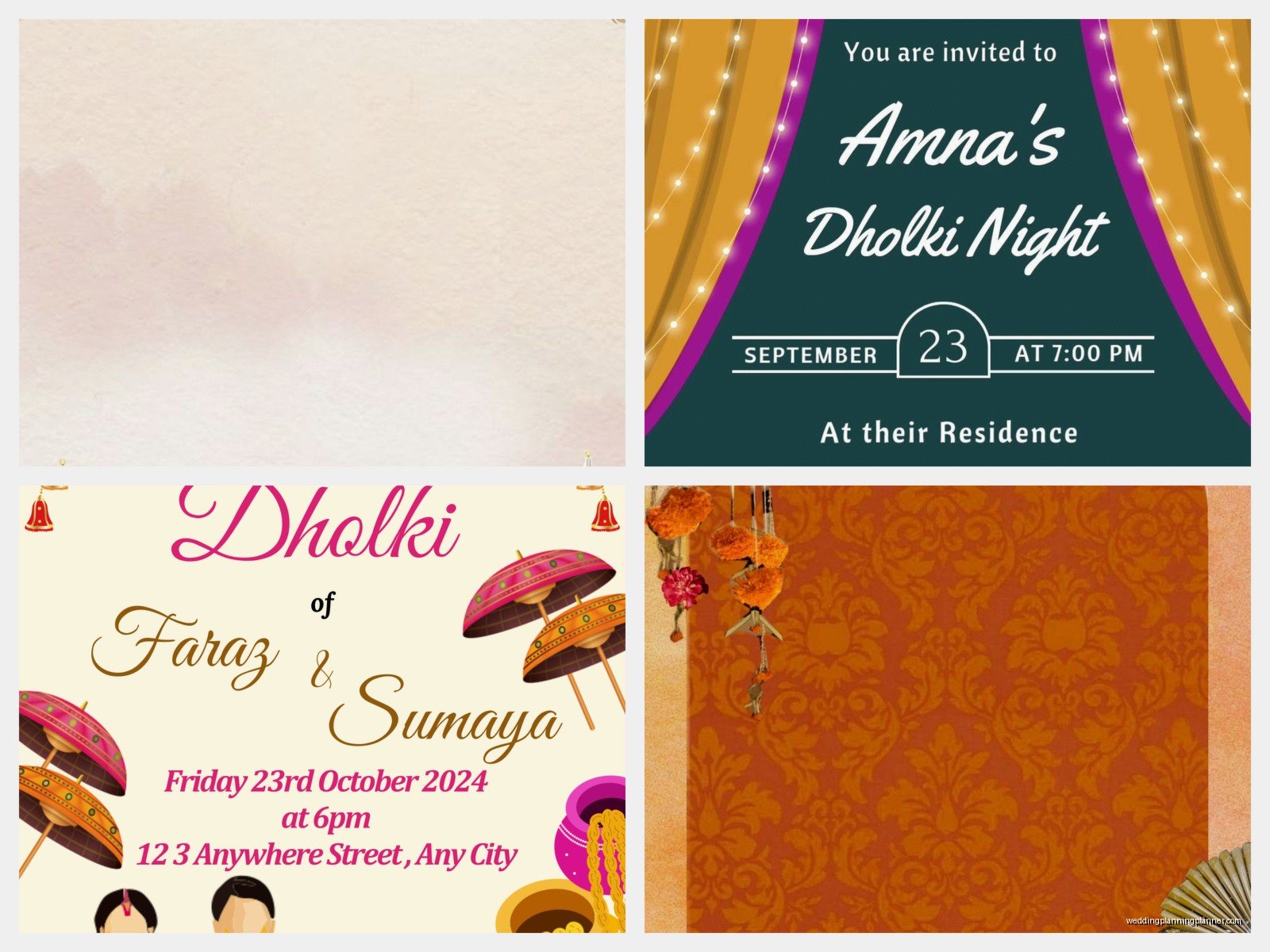
Modern fusion is where I see the most interesting stuff happening. You can do watercolor backgrounds with gold foil elements, geometric patterns mixed with traditional motifs, or even illustrated versions of you and your partner in traditional outfits. One client did this whole Spotify playlist theme where the invitation looked like a music streaming app but with dholki songs listed. It was kinda genius actually.
Color Psychology (Or Whatever)
Colors matter more than people think. Red and gold scream traditional and festive. Pink and orange feel celebratory but slightly more casual. Pastels are having a moment if you want something softer – I’m seeing a lot of blush pink with sage green lately. Jewel tones (emerald, sapphire, ruby) look expensive and rich without being overly traditional.
You want the colors to pop but not assault someone’s eyeballs when they open the envelope. I had a client insist on neon yellow with hot pink text and look, it was her choice, but I still think about those invitations and cringe a little.
What Information Actually Needs to Be There
Okay this is important because people forget the basics when they get caught up in making things pretty.
You absolutely need the date, time, and full address with any relevant details like “backyard entrance” or “parking in the rear.” I cannot tell you how many times guests show up confused because the invitation just said “The Sharma Residence” with no actual address or apartment number.
Include the hosts’ names – usually the bride’s family since dholki is traditionally hosted by them, but modern dholkis might be hosted by friends or both families together.
Dress code is actually really helpful here. “Traditional attire encouraged” or “Colorful Indian wear” or even “Dress to dance” gives people guidance. The dholki has this specific vibe and you don’t want someone showing up in like… a black cocktail dress when everyone else is in bright lehengas and kurtas.
RSVP information with a deadline. Phone number, email, or even a Google Form link works. You need a headcount for food and seating.
Optional but nice: a little note about what a dholki is if you’re inviting people who might not be familiar. Something like “Join us for an evening of music, singing, and celebration” helps set expectations.
Wording Styles
You can go super traditional with formal language or keep it casual and fun. I’ve seen everything from “You are cordially invited” to “Let’s get this party started” and honestly both work depending on your vibe.
Some people include a cute poem or a few lines about the significance of the dholki. Others just give the straight facts. There’s no wrong answer here as long as the essential info is clear.
Physical vs Digital (The Eternal Debate)
Physical invitations feel more special and intentional. People can put them on their fridge or keep them as mementos. They’re tactile and beautiful and there’s something about receiving actual mail that isn’t a bill.
But digital invitations are faster, cheaper, easier to track RSVPs, and honestly better for the environment. You can do animated designs, include links to playlists or photos, and send reminders with one click.
I usually suggest physical for close family and the wedding party, digital for extended guests. Or do a hybrid – physical for the keepsake factor, but include a QR code that links to all the digital details and RSVP form.
Where to Order (The Actual Practical Stuff)
Etsy is gonna be your best friend for custom designs. There are SO many talented designers who specialize in South Asian wedding stationery. You can find templates you customize yourself or work directly with a designer for something completely custom. Prices range wildly – anywhere from like $15 for a digital template to $500+ for a fully custom design with printing included.
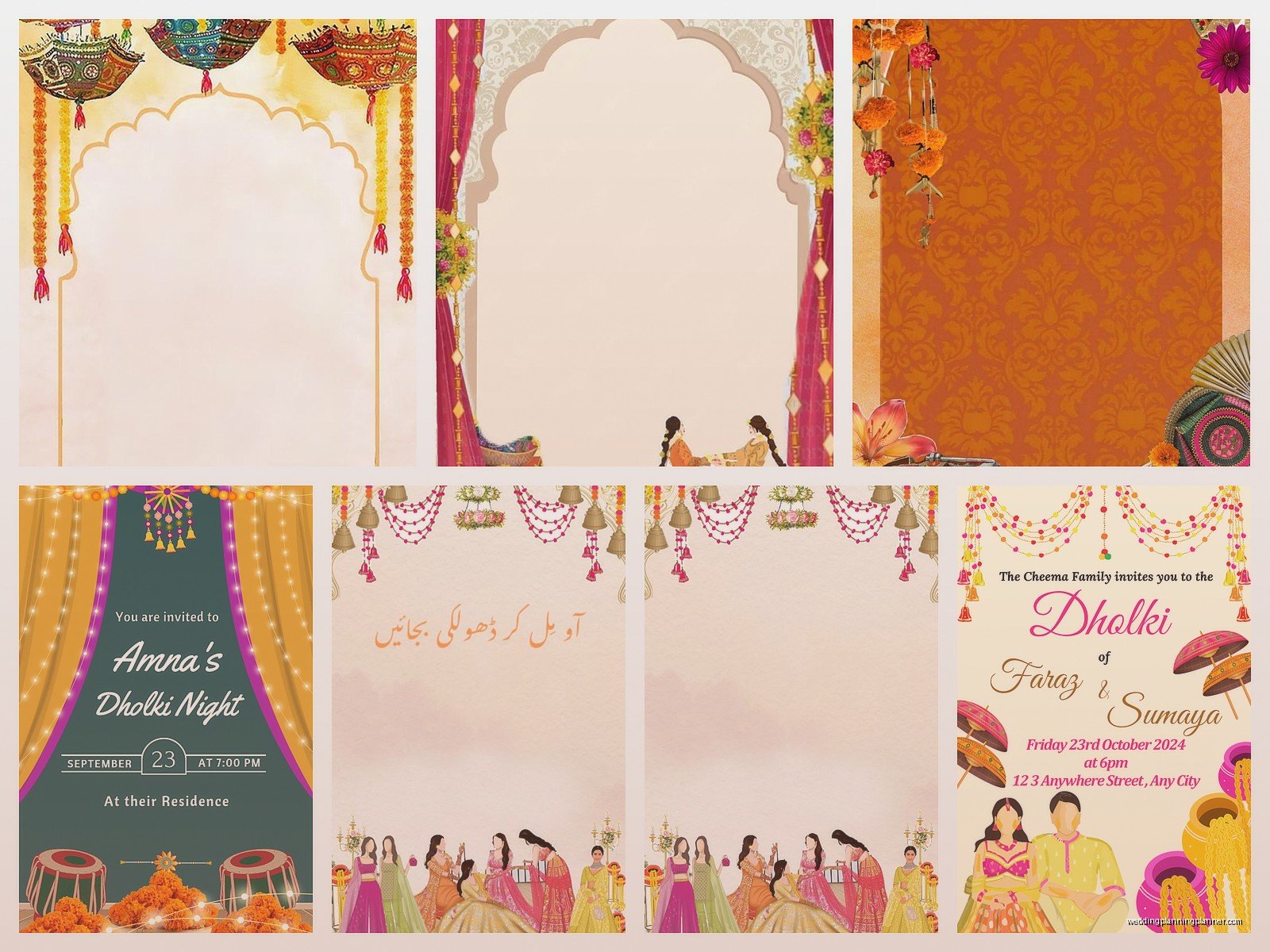
Minted and Zola have some decent options if you want something more standardized with easy customization tools. They’re pricier than Etsy templates but less expensive than fully custom work. Quality is usually solid.
Local Indian printing shops are underrated honestly. If you’re in an area with a significant South Asian community, there’s probably a shop that does wedding stationery. They understand the cultural elements, they’re usually fast, and you can see paper samples in person which is huge.
Vistaprint and similar sites work if you’re on a tight budget and just need something functional. The designs won’t be as specialized but you can upload your own artwork or use their templates. Just… don’t expect anything groundbreaking.
Canva is perfect if you’re doing digital invitations or want to DIY. They have templates specifically for Indian events now, and you can customize everything. Export as a PDF for printing or send directly as a digital invite.
Working with Designers
If you’re hiring someone for custom work, communication is everything. Send them inspiration images, color swatches, photos of your outfits if you want the colors to coordinate, anything that helps them understand your vision.
Expect at least 2-3 rounds of revisions. The first proof is never perfect and that’s totally normal. Be specific about what you want changed – “make it more festive” doesn’t help anyone, but “can we make the gold darker and add more floral elements in the corners” gives clear direction.
Ask about file formats. You want high-resolution PDFs for printing (300 DPI minimum) and maybe PNGs for digital sharing. Make sure you actually own the final design files – some designers retain rights which can be annoying if you want to reuse elements later.
Printing Options and Paper Quality
Paper weight matters more than you think. 110lb cardstock is standard and feels substantial without being too thick. 80lb is flimsier and feels cheap. If you want something really luxe, 130lb or even layered cardstock with different textures looks gorgeous.
Finish options: matte, glossy, or uncoated. Matte is my personal favorite because it photographs well and feels sophisticated. Glossy can look cheap unless the design is really strong. Uncoated has this organic, handmade feel that works beautifully for certain aesthetic directions.
Special printing techniques can elevate your invitations if budget allows. Foil stamping (especially gold or rose gold) adds shimmer and catches light beautifully. Letterpress creates this tactile indentation that’s super elegant. Embossing adds dimension. These all cost more but the wow factor is real.
If you’re printing at home or doing digital printing, color calibration is crucial. What looks perfect on your screen might print differently. Always do a test print on your actual paper before committing to the full batch.
Envelope Situation
Don’t sleep on envelopes because they’re the first thing people see. You can do colored envelopes that match your color scheme, add liner paper with patterns, use metallic or shimmer envelopes, or keep it simple with classic white or cream.
Addressing can be handwritten for a personal touch (or hire a calligrapher if your handwriting is um… not great). Printed labels work fine too. There are also services that do digital calligraphy printing which looks hand-done but isn’t.
Wax seals are having this huge moment right now and they look incredible on dholki invitations, but they add postage costs because the envelope becomes non-machinable. Also they sometimes crack in transit which is annoying as hell – learned that the hard way in summer 2021 when half my client’s seals arrived broken.
Budget Breakdown
Super budget (under $50 for 50 invites): Canva template, home printing or Vistaprint, basic envelopes, digital RSVPs
Mid-range ($100-300 for 50 invites): Etsy custom design, professional printing, nice paper quality, maybe one special element like foil
Splurge ($400+ for 50 invites): Fully custom design, luxury paper, multiple special printing techniques, fancy envelopes with liners, calligraphy addressing
Remember you probably need fewer dholki invitations than wedding invitations since it’s typically a smaller, more intimate gathering. Most dholkis have like 30-75 guests so you’re not ordering hundreds of these.
Common Mistakes to Avoid
Forgetting to proofread is the biggest one. Have multiple people read it before printing. Typos in the date or time or address are disasters you can’t take back once they’re printed and mailed.
Not ordering extras. Always get at least 10-15% more than you think you need for last-minute additions, keepsakes, or mess-ups.
Choosing fonts that are hard to read. Decorative fonts are pretty but if people have to squint to figure out what time the event starts, you’ve failed. Body text should always be clean and legible even if your headers are fancy.
Ignoring postage requirements. Oversized, square, or thick invitations cost more to mail. Weigh one complete invitation at the post office before you buy stamps for all of them or you’ll end up with a bunch of returned mail.
Waiting until the last minute. I already said this but it bears repeating because it’s the thing that stresses me out most when clients do it.
Digital Invitation Specifics
If you’re going digital, there are platforms designed specifically for this. Greenvelope, Paperless Post, and Evite all have Indian wedding templates now. WhatsApp is also totally acceptable for dholki invites honestly – just make sure the image is high quality and includes all the info.
Video invitations are trendy and fun. You can do a simple slideshow with photos and text, or go all out with animation and music. Apps like Animoto or InVideo make this pretty easy even if you’re not tech-savvy.
Email invitations should be designed mobile-friendly since most people will view them on their phones. Keep the layout simple and make sure text is readable on small screens.
Instagram or Facebook events can supplement but shouldn’t replace actual invitations. Create the event page but still send individual invites so people feel personally invited rather than just seeing a general announcement.
Adding Personal Touches
Photos of the couple make invitations feel more personal and exciting. Engagement photos work great, or even childhood photos if you want something playful.
Include a Spotify or YouTube playlist link with dholki songs. It gets guests excited and helps them prepare if they want to learn any traditional songs before the event.
Custom illustrations of the couple or venue are expensive but look amazing and become real keepsakes. There are artists on Etsy who’ll create these for reasonable prices.
Recipe cards are a sweet touch if your family has traditional dholki snacks they always make. Include the recipe on the back of the invitation or as an insert.
The thing about dholki invitations is they should feel joyful and anticipatory, like the event itself. This isn’t the formal wedding invite where everything has to be perfect and traditional – this is the warm-up, the party before the party, and your invitations can reflect that energy. Just don’t forget to actually order them with enough time because rushing this process sucks for everyone involved and you’ll end up settling for something that’s just okay instead of something you actually love.