
Planning Guides, Style Guide
Wedding Coordinator: Hiring Guide & Cost Breakdown
Sep
So You’re Thinking About Hiring a Wedding Coordinator
Look, I’m gonna be straight with you – hiring a wedding coordinator is probably one of the smartest decisions you’ll make during wedding planning, but also one of the most confusing because nobody really explains what they actually do versus what you think they do. And the pricing? It’s all over the place.
First thing you need to understand is that there are basically three types of coordinators and people mix them up constantly which drives me absolutely insane. Like, I had this couple back in spring 2023 who called me two weeks before their wedding asking if I could “plan everything” and I’m like… that’s not what day-of coordination means, my friend.
The Three Types (And What They Actually Cost)
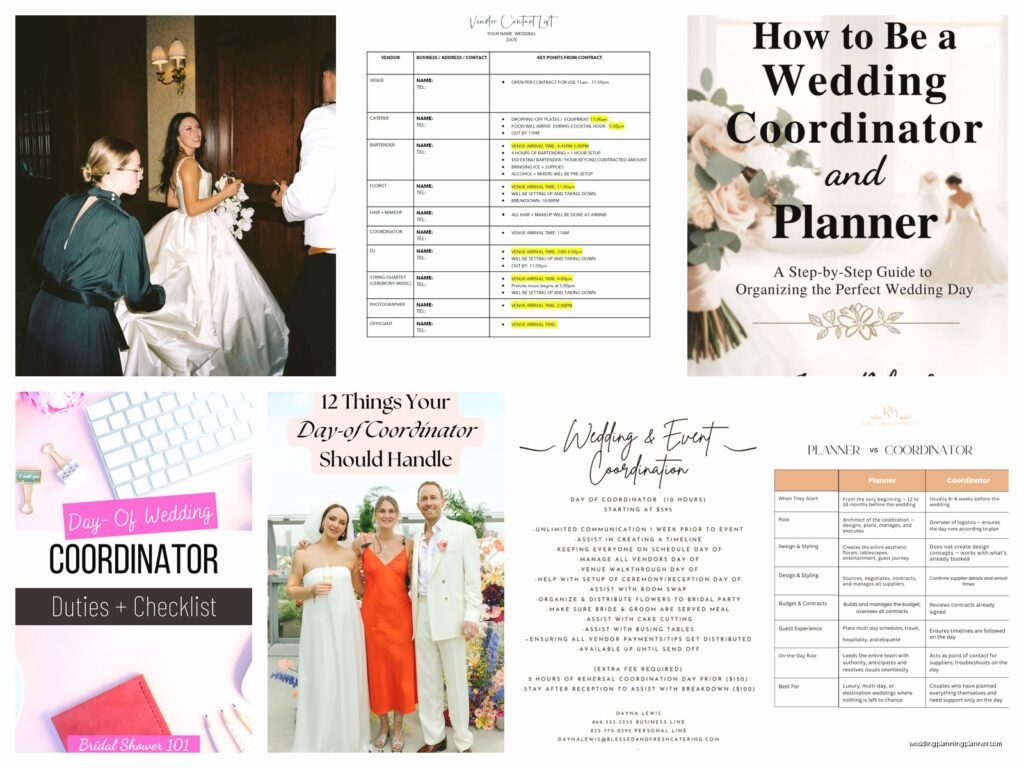
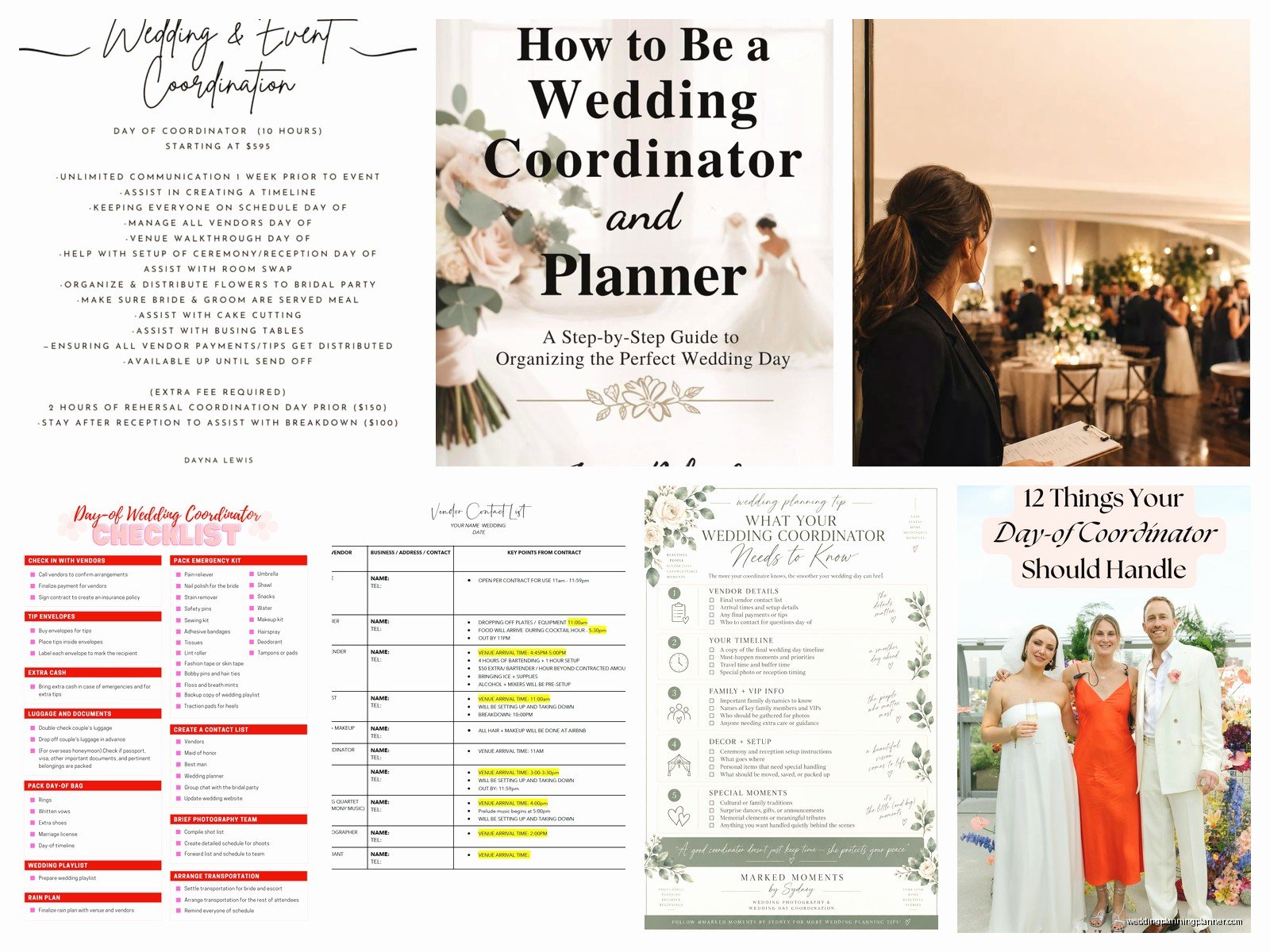
Day-Of Coordination (Month-Of, Really) – This is the bare minimum and honestly the term “day-of” is kinda misleading because no coordinator worth their salt just shows up on your wedding day. We typically start working with you about a month before. I review your contracts, create your timeline, confirm with all your vendors, handle the rehearsal, and then run the actual wedding day. Cost range: $800-$2,500 depending on your location and the coordinator’s experience. In major cities like NYC or LA, you’re looking at the higher end or even more.
Partial Planning – This is like… you’ve done some of the work already, maybe booked your venue and photographer, but you need help with the rest. Or you started planning and got overwhelmed halfway through (happens more than you’d think). A partial planner jumps in wherever you are and takes it from there. Usually includes vendor recommendations, attending meetings with you, design help, and then all the coordination stuff at the end. Cost range: $2,000-$5,000, sometimes structured as a flat fee, sometimes hourly at $75-$200/hour.
Full-Service Planning – We’re with you from engagement to honeymoon send-off. Venue search, vendor selection, budget management, design concept, all of it. This is the white glove service. Cost range: $3,500-$10,000+ or 10-20% of your total wedding budget. I know, it’s a huge range, but it depends on so many factors.
What Actually Affects The Price
Your location is massive. A coordinator in rural Tennessee is gonna charge way less than someone in San Francisco. It’s just cost of living and market rates.
Guest count matters because more guests = more details = more work. A 50-person wedding and a 250-person wedding are completely different beasts in terms of logistics.
Experience level – someone who’s been doing this for 15 years with hundreds of weddings under their belt will charge more than someone who’s been at it for two years. Both might be great, but you’re paying for that experience and problem-solving ability.
What’s included in the package – some coordinators include unlimited communication and meetings, others cap it. Some include assistance with hotel blocks and welcome bags, others charge extra. You gotta read what’s actually in the contract.
How To Actually Find A Good Coordinator
Okay so here’s what I tell people: start by asking recently married friends, but also check your venue’s preferred vendor list. Venues work with coordinators constantly and they know who’s actually good versus who just has a pretty Instagram.
When you’re looking at websites and social media (which, yes, you should do), don’t just look at the pretty photos. Read their actual content. Do they explain their process? Do they seem organized? Can you get a sense of their personality? Because you’re gonna be texting this person at 11pm about whether the DJ needs a meal or vendor meal, so you better like them.
Reviews are helpful but read between the lines. I’m more impressed by a coordinator who has one review that says “she saved us when our caterer cancelled two weeks before” than ten reviews that just say “she was nice!”
Red Flags When You’re Meeting With Coordinators
If they can’t clearly explain their process or what’s included in their services, that’s a problem. I once had a bride tell me her previous coordinator kept saying “oh we’ll figure it out as we go” and like… nah. That’s not how this works.
If they don’t ask you questions about your wedding, your vision, your concerns – they’re probably just trying to book you and not actually thinking about whether they’re a good fit.
If they trash talk other vendors or venues, run. The wedding industry in any given area is smaller than you think and coordinators should have good working relationships with vendors. I’m not saying we all love each other, but there’s a difference between “that venue can be tricky with timelines” and “ugh I hate working there.”
If their contract is vague or doesn’t clearly state what happens if they can’t make your wedding (illness, emergency, whatever), that’s concerning. Every coordinator should have a backup plan or network.
Questions You Should Actually Ask
How many weddings do you take per weekend? If someone says they’re doing three weddings on your Saturday… I mean, I guess some people do it, but I personally think that’s too many to give each couple proper attention. I max out at one per day because I wanna be there for load-in and stay through the end.
What’s your communication style? Some coordinators prefer email, some are big texters, some do regular check-in calls. Figure out what works for you because if you’re an anxious person who needs quick responses and they take three days to reply to emails, you’re gonna be stressed.
Can you describe a wedding emergency you’ve handled? This tells you so much about their problem-solving skills and how they handle stress. Anyone can coordinate a wedding where everything goes perfectly, but what about when the best man is stuck in traffic or the cake arrives damaged or – this happened to me in summer 2021 – the ceremony site floods the morning of the wedding and you have to completely redesign the space in four hours.
What’s not included in your package? This is huge. Some coordinators don’t attend rehearsal dinners. Some don’t help with welcome bags. Some don’t coordinate with your hair and makeup team. Know what you’re actually getting.
Do you carry liability insurance? They should. If they’re setting up decor or handling expensive items or coordinating vendors, they need to be insured.
The Money Conversation (Because It’s Awkward But Necessary)
Most coordinators will have package pricing on their website or will send you a pricing guide after initial contact. Some don’t list prices publicly which… okay, I get it from a business standpoint, but as a consumer it’s kinda annoying when you just want to know if someone’s in your budget before you spend time on a consultation call.
Payment structures vary. Common ones I see:
- 50% deposit to book, 50% due one month before the wedding
- Payment plans (like monthly installments until a month before)
- Deposit, then payments at certain milestones (6 months out, 3 months out, 1 month out)
- Hourly billing for partial planning (though this can get expensive fast if you’re not careful)
Ask about what’s refundable if you need to postpone. After 2020, most coordinators have clearer postponement policies, but you should know upfront.
What You’re Actually Paying For
People sometimes don’t understand why coordination costs what it does. Like, you’re not just paying for someone to stand there with a clipboard on your wedding day (though my cat did knock over my clipboard during a virtual consultation once and it was very embarrassing but also the couple thought it was hilarious, so…).
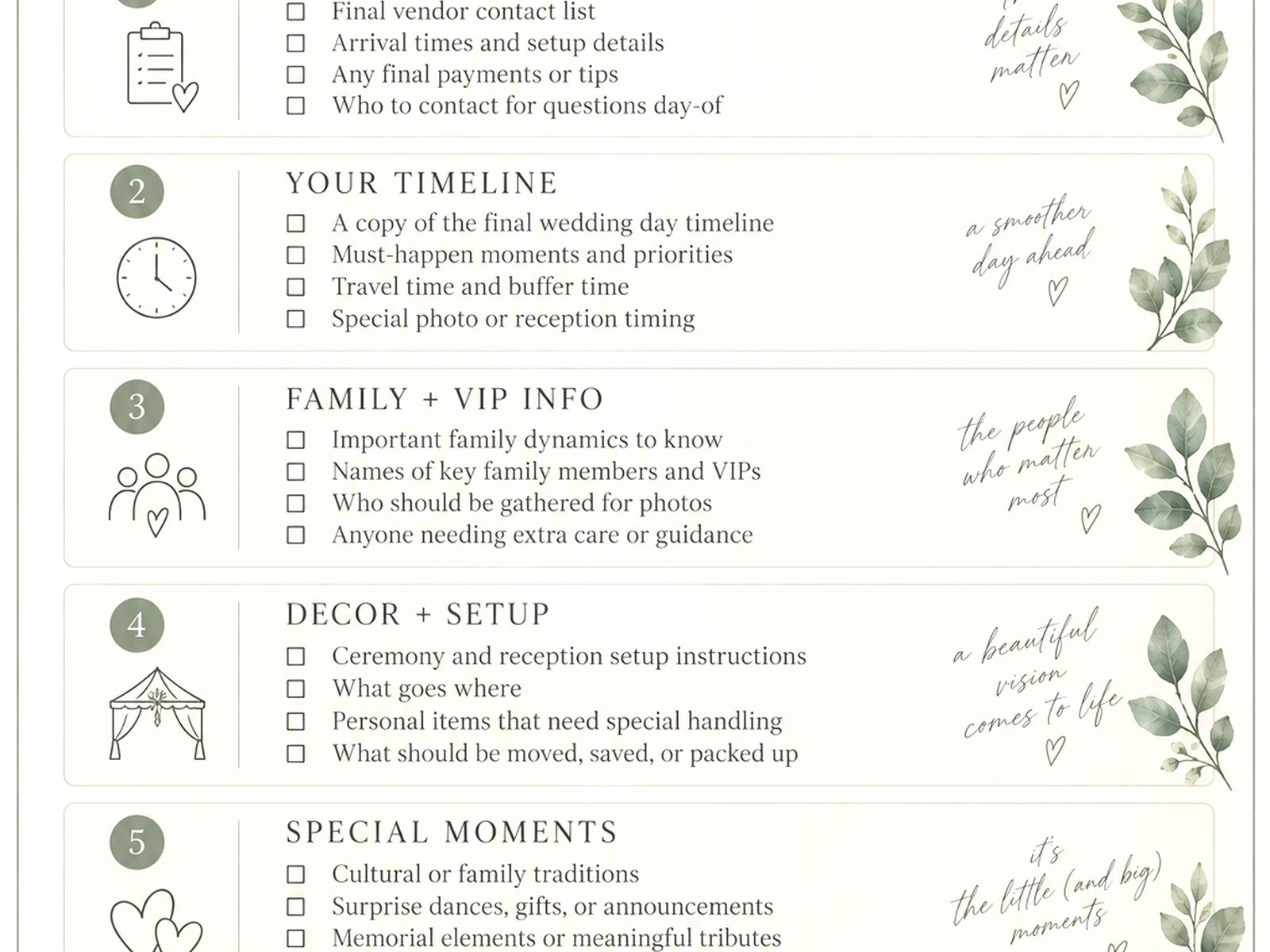
You’re paying for years of experience and vendor relationships. When something goes wrong, I know who to call and they’ll actually answer. You’re paying for the hours of timeline creation, floor plan designing, vendor communication, contract review. For a day-of package, I probably put in 20-30 hours of work before your wedding day, then 12-16 hours on the actual day.
You’re paying for problem-solving skills and the ability to make decisions quickly under pressure. You’re paying so you and your family can actually enjoy the wedding instead of worrying about whether the caterer showed up or if the ceremony musicians know they’re supposed to start at 4:32pm, not 4:30pm.
DIY Coordination vs. Hiring A Pro
Look, I’m not gonna tell you that you absolutely must hire a coordinator because some people do pull off DIY coordination. Usually these are people who are extremely organized, have a very small wedding, or have a family member who’s willing to take on the role (and actually knows what they’re doing).
But here’s what I’ve seen happen with DIY coordination: the mother of the bride ends up stressed and can’t enjoy the day. Or things run late because no one’s keeping track of time. Or small details get forgotten because there’s no central person managing everything. Or – and this is the one that makes me sad – the couple themselves ends up dealing with vendor questions and problems on their wedding day.
If you’re thinking about having a friend or family member coordinate, make sure they actually want to do it and understand what it involves. Give them a detailed timeline and vendor contact list. Maybe even pay for them to do a quick consultation with a professional coordinator to get guidance? That’s something I offer sometimes – like a coordination coaching session for $200-300 where I review their timeline and give tips.
When In Your Planning Timeline Should You Book?
For full-service planning, as soon as possible after you’re engaged. These coordinators book up fast, especially for popular wedding dates.
For partial planning, it depends on when you realize you need help, but ideally at least 6-9 months before your wedding.
For day-of coordination, I’d say 6-8 months out minimum. Some coordinators (including me) book up to a year in advance for peak season dates. I’ve had couples contact me two months before their wedding and I’m already booked, and it’s frustrating for everyone because I want to help but I literally can’t take another wedding that weekend.
Here’s the thing though – if you’re getting married during peak season (May, June, September, October) you need to book earlier because… everyone else is also getting married and there are only so many experienced coordinators available.
What Should Be In The Contract
Services included (listed specifically, not just “day-of coordination” but what that actually means)
Payment schedule and amounts
Cancellation and postponement policies
What happens if the coordinator can’t fulfill the contract (backup coordinator info)
Timeline of when services begin and end
Any additional fees (travel, overtime, additional meetings beyond what’s included)
Liability and insurance information
How communication will happen and response time expectations
I know contracts are boring to read but you gotta do it. I’ve heard too many stories of couples who didn’t read their contract and then were surprised by extra fees or didn’t realize certain things weren’t included.
Random Things That Might Cost Extra
Travel fees if your wedding is outside the coordinator’s usual service area (usually kicks in after 30-50 miles)
Overtime if your wedding runs longer than the contracted hours
Additional assistant coordinators (some weddings need multiple people, especially if you’re doing multiple events or have a large guest count)
Rehearsal coordination (sometimes included, sometimes extra)
Setup and breakdown if you have a lot of DIY decor
Destination wedding coordination (whole different ballgame with travel costs and often higher fees)
My Honest Take On Whether You Need One
If you’re having more than 75 guests, I think you should have at least day-of coordination. The logistics just get too complex.
If you’re having a multi-event wedding (welcome party, ceremony, reception, next-day brunch), you probably want at least partial planning help because that’s a lot to manage.
If you’re doing a destination wedding or getting married somewhere you don’t live, you definitely need someone who knows the area and has local vendor connections.
If you or your partner are the type who gets anxious about details or you know you’ll struggle to let go of control on the wedding day, a coordinator is worth every penny for your mental health alone.
If you have a complicated family situation or know there might be drama, having a neutral third party who can handle things is really valuable. I’ve run interference on family drama more times than I can count and honestly it’s part of the job that doesn’t get talked about enough.
One thing that really annoys me is when people act like coordinators are just there for “luxury” weddings or that it’s frivolous spending. Like, no. We’re professionals who save you time, money (yes, we often save you money by preventing mistakes and negotiating with vendors), and massive amounts of stress. But I also get that not everyone has room in their budget, and that’s totally valid too. Just… don’t assume it’s some unnecessary luxury item, because the couple who’s dealing with a vendor no-show on their wedding day without a coordinator would probably disagree.
