
Planning Guides, Style Guide
Day of Wedding Coordinator: Services & Hiring Guide
Sep
So You’re Thinking About a Day-Of Coordinator
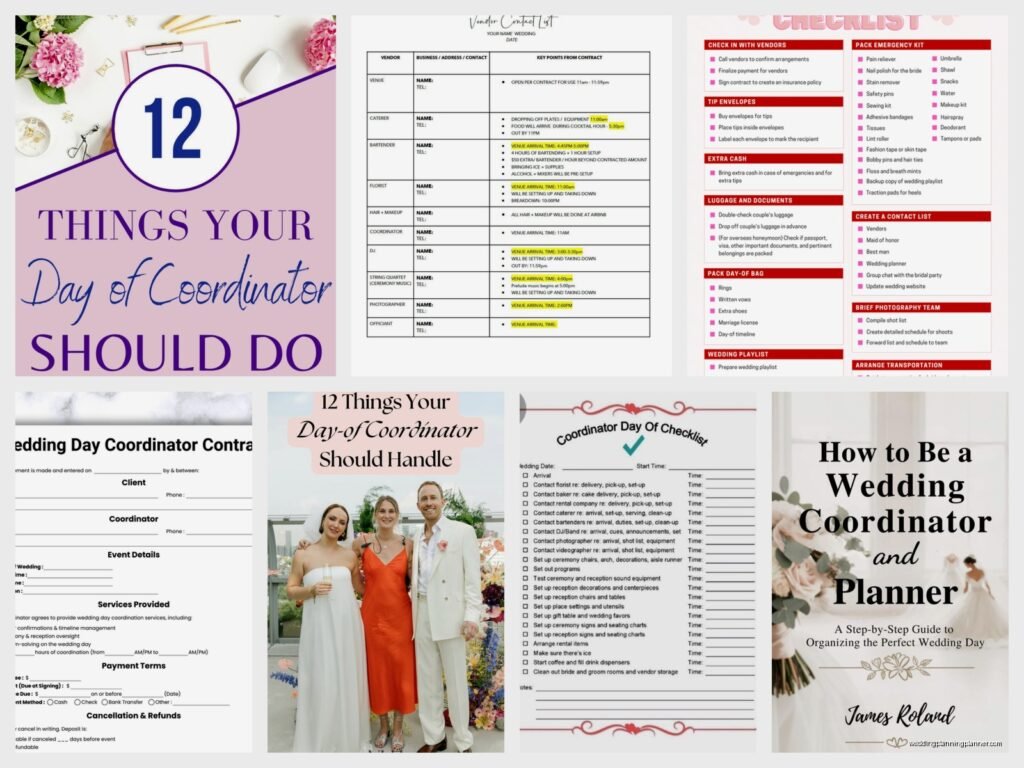
Okay so a day-of wedding coordinator is basically someone who shows up and makes sure your wedding day doesn’t turn into a complete disaster. I’m gonna be real with you – the name is kinda misleading because they don’t just show up “day of” and wing it. Most of them start working with you about a month before, sometimes six weeks, to get all the details locked down.
The main thing they do is take your wedding timeline, your vendor list, all those Pinterest boards you’ve been obsessing over for eighteen months, and they actually execute everything. You’ve done the planning, picked the flowers, tasted the cake samples until you wanted to throw up – now someone else deals with the actual logistics of making it happen.
What They Actually Do (The Real List)
I had this bride in summer 2021, right when weddings were coming back after COVID, and she kept asking me “but what will the coordinator actually DO though?” So here’s what I told her and what actually happened:
- They confirm with all your vendors the week before – like actually call them, not just send an email and hope
- Create a detailed timeline that includes things like when the cake gets delivered, when your aunt needs to be seated, when the DJ should start the first dance
- Run the rehearsal (this is huge, nobody knows where to stand otherwise)
- Make sure the ceremony space is set up right – chairs, programs, that weird vintage ladder you insisted on renting
- Coordinate with your photographer and videographer so everyone knows where to be
- Handle the marriage license and make sure it gets to the officiant
- Bustle your dress (practice this beforehand, some dresses are nightmares)
- Keep everyone on schedule without being annoying about it
- Deal with vendor problems you don’t even know about
- Make sure gifts and cards get packed up safely
- Distribute final payments and tips to vendors
What They DON’T Do
This is where people get confused and honestly it annoys me when couples expect their day-of coordinator to basically redesign their wedding three weeks out. They’re not gonna:
- Help you pick your venue or negotiate contracts
- Find and book your vendors (that’s a full wedding planner)
- Design your invitations or decor scheme
- Manage your guest list or send invitations
- Make major decisions about your wedding – you should have those figured out
- Set up complex decor installations (though they’ll place some things)
The way I explain it is – if you need someone to tell you what to do, you need a full-service planner. If you know what you want but need someone to make sure it actually happens, that’s a day-of coordinator.
When You Actually Need One
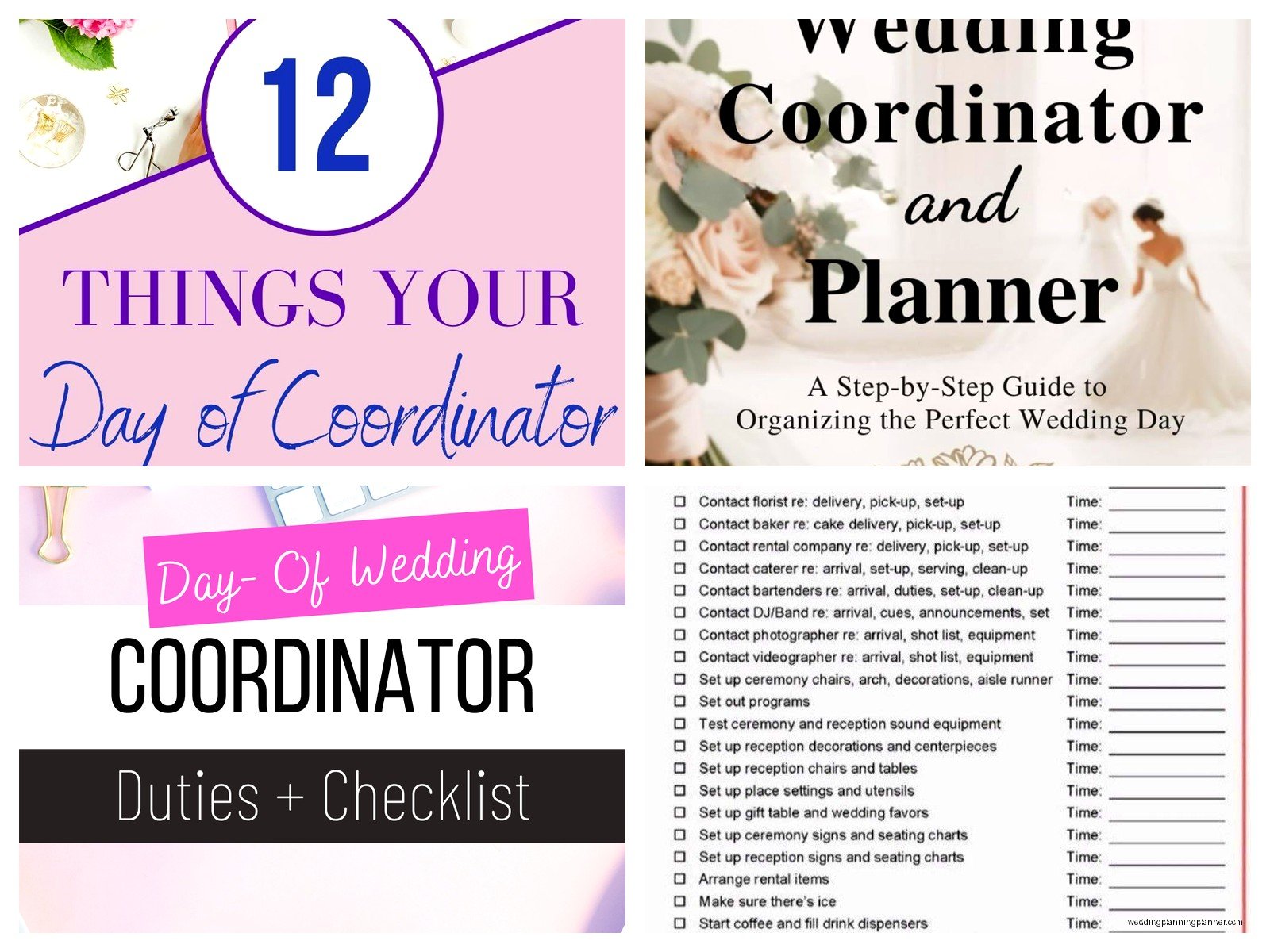
Not everyone needs a day-of coordinator but lemme tell you who definitely does. If you have more than like 75 guests, you probably want one. If you’re having multiple venues (ceremony one place, reception another), you definitely want one. If your family is the type that means well but creates chaos – yeah, get one.
I’ve planned my own wedding stuff and I still hired a coordinator because there’s no way I was gonna be bustling my own dress in a bathroom stall while trying to make sure the caterer knew about my cousin’s shellfish allergy. You just can’t be in two places at once and you can’t enjoy your day if you’re worried about logistics.
The DIY Couple Situation
So many couples think they can have their bridesmaids or mom handle coordination and… I mean you can try? But here’s what happens: Your maid of honor should be getting ready with you and taking shots and crying during your vows, not hunting down the florist who’s twenty minutes late. Your mom should be enjoying her kid getting married, not arguing with the rental company about missing chairs.
Plus, and this is important – your family and friends don’t have relationships with your vendors. When the DJ is playing music too loud, a coordinator can tell them to turn it down and it’s professional. When your brother does it, it’s awkward and the DJ might get defensive.
How to Actually Hire One
Alright so you’re convinced you need one. Here’s how you find a good one without getting screwed over or… wait, first let me say that you should start looking for one like 6-8 months before your wedding if possible. Good ones book up.
Where to Look
Start by asking your other vendors – your venue, photographer, florist. They work with coordinators all the time and know who’s good and who makes their job harder. I always know which coordinators I love working with and which ones I dread seeing on the vendor list.
You can also check:
- Wedding planning websites and directories
- Local wedding Facebook groups
- Instagram (search location tags plus “wedding coordinator”)
- The venue’s preferred vendor list if they have one
Questions to Ask When You Interview
Don’t just hire the first person you talk to or the cheapest option. You need to actually interview them because you’re trusting this person with your entire day. Some questions I’d ask:
- How many weddings do you typically coordinate per month? (If they say more than 6-8, that’s a lot)
- Will you personally be there or do you send assistants? (Some do both which is fine, but know who’s running your day)
- What’s included in your package and what costs extra?
- How many meetings do we have before the wedding?
- When do you start working on our timeline?
- Have you worked at our venue before?
- What happens if there’s an emergency and you can’t make it? (They should have a backup)
- Can we see a sample timeline you’ve created?
- How do you handle difficult family members or vendors?
That last one is kinda important because every wedding has some drama, even if it’s small.
Pricing Reality Check
Day-of coordination typically costs between $800-$2,500 depending on where you live and how experienced the coordinator is. In major cities, you might pay more. Rural areas, maybe less. Spring 2023 I saw prices jump quite a bit because there’s such high demand and not enough coordinators.
What affects the price:
- Your location (NYC vs. rural Kansas, obviously)
- Guest count (more guests = more complexity)
- Number of events (just reception vs. rehearsal + ceremony + reception)
- How many hours they’re there
- If they bring an assistant
- Their experience level
- How complex your wedding is (backyard DIY wedding vs. formal hotel ballroom)
Some coordinators charge flat fees, others do hourly. I personally think flat fees make more sense because you don’t want them watching the clock on your wedding day.
What’s Usually Included
Most day-of packages include:
- Initial consultation meeting
- Venue walkthrough
- Timeline creation
- Vendor confirmation and communication
- Rehearsal coordination (usually 1-2 hours)
- Wedding day coordination (usually 8-10 hours)
- One assistant for larger weddings
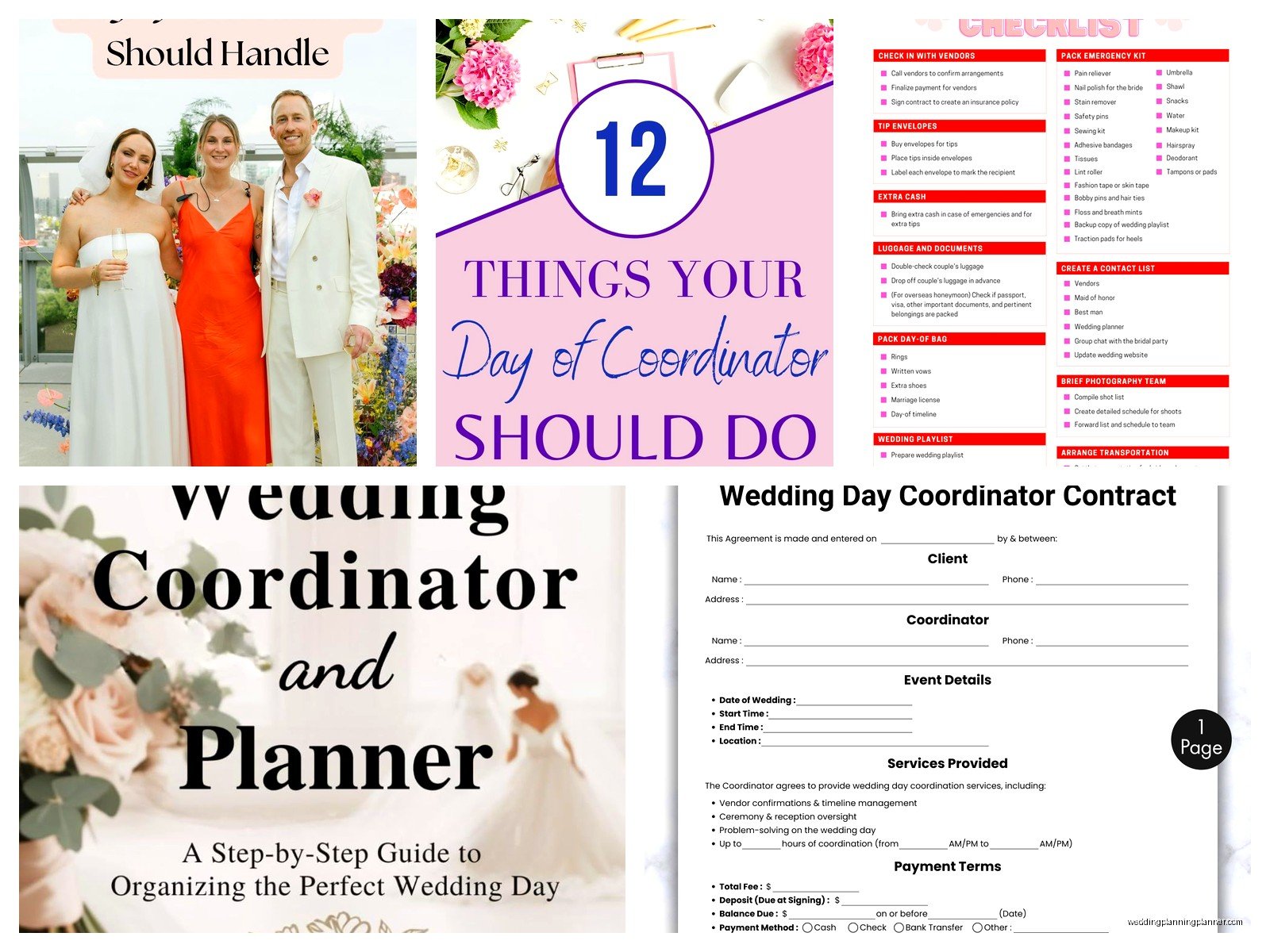
- Emergency kit (safety pins, stain remover, tissues, the works)
What Might Cost Extra
- Additional meetings beyond what’s included
- Extra hours on wedding day
- Travel fees if your venue is far from them
- Coordination of additional events like welcome parties or brunches
- Complex decor setup
- Overtime if your reception goes long
Red Flags to Watch For
Okay so there are some coordinators who are just… not great. Here’s what to avoid:
They don’t ask you many questions. A good coordinator wants to know everything about your wedding – your vision, your family dynamics, potential problems, vendor details. If they’re just like “yeah we’ll figure it out,” nah, that’s not gonna work.
They’re impossible to reach. If they take a week to respond to emails during the planning process, imagine trying to reach them when there’s an actual problem.
No contract or a super vague one. Everything should be in writing – what’s included, how many hours, payment schedule, cancellation policy.
No backup plan. What if they get sick? Have a family emergency? Get in a car accident? They should have another coordinator who can step in.
Bad reviews about being bossy or controlling. You want someone who takes charge but still respects that it’s your wedding, not theirs.
I had a situation once where a coordinator showed up to a wedding I was working and literally didn’t have the timeline, didn’t know half the vendor names, and kept asking the bride questions during her getting-ready photos. It was a mess. The bride was stressed, the photographer was annoyed (me), and the whole day felt chaotic.
Working With Your Coordinator
Once you’ve hired someone, you gotta actually work with them effectively. This means getting them information when they ask for it, being honest about your family dynamics, and trusting them to do their job.
What to Give Them
Your coordinator is gonna need a bunch of stuff from you, usually about a month before the wedding:
- Complete vendor list with contact info and contracts
- Your vision for the day and any must-have moments
- Floor plan or layout preferences
- Family dynamics they should know about (divorced parents, feuding relatives, etc.)
- Special requests or traditions
- Song lists and any do-not-play songs
- Dietary restrictions and special meal requests
- Your wedding party contact info
- Any DIY items and how they should be set up
The more organized you are, the better they can help you. If you hand them a mess of random emails and expect them to sort it out… well, they will, but it’ll take longer and might cost more.
Trust Them on the Day
This is the hardest part for control-freak couples (I see you, I am you). On your wedding day, you need to let go and trust that your coordinator has it handled. If the flowers are slightly different than you imagined or the programs aren’t placed exactly how you pictured, it doesn’t matter. Your coordinator is making judgment calls to keep things moving.
My cat knocked over my coffee this morning and I just… anyway, the point is that sometimes things don’t go exactly to plan and that’s okay. Your coordinator’s job is to handle those things so you don’t even know they happened.
Alternatives If You Can’t Afford One
Look, I get it – weddings are expensive and not everyone can budget for a coordinator. If you really can’t afford one, here are some options:
Venue coordinator. Some venues include a coordinator in their package. They’re not the same as a private coordinator (they’re focused on the venue’s needs first), but they can help with basics.
Month-of coordination package. Some planners offer this as a middle ground between day-of and full planning. You get more meetings and help with final details.
Coordinator in training. New coordinators building their portfolio might offer lower rates. Just make sure they have some experience, even if it’s as an assistant.
Appoint a responsible non-family member. If you have a super organized friend who’s not in the wedding party, you could ask them to handle the timeline. Give them a detailed plan and the vendor list. But honestly, this is my least favorite option because it’s a huge ask.
The Venue Coordinator vs. Day-Of Coordinator Thing
This confuses everyone so let me break it down. A venue coordinator works for the venue. They make sure the venue’s stuff happens – tables are set up, their staff knows what to do, the building doesn’t burn down. They’re not there to bustle your dress, make sure your grandmother gets seated, or track down your late florist.
A day-of coordinator works for you. They’re your advocate and they coordinate all the vendors, not just the venue.
Some venues say “we include a coordinator” and couples think that means they don’t need to hire one. Then the wedding day comes and the venue coordinator is like “I don’t know anything about your ceremony setup, that’s not my job.” So clarify what the venue coordinator actually does before you decide whether you need your own.
Specialized Situations
Destination Weddings
For destination weddings, you might want to hire a local coordinator who knows the area, the vendors, and can handle on-the-ground stuff. Some coordinators specialize in destination weddings and will travel with you, but that obviously costs more.
Micro Weddings
If you’re having under 30 guests, you might not need a full coordinator. Some offer shorter packages or just rehearsal + ceremony coordination without the full reception management.
DIY or Backyard Weddings
These actually need coordinators MORE than traditional venue weddings because there’s so much more to manage. You’re bringing in everything – tables, chairs, tent, catering setup, bathrooms maybe. A coordinator for a DIY wedding is worth their weight in gold.
Final Vendor Payments and Tips
One thing that’s super helpful about coordinators is they can distribute final payments and tips on your wedding day. You put everything in labeled envelopes, give them to your coordinator, and they hand them out at the appropriate times. This way you’re not carrying around a bunch of cash or worrying about whether you remembered to pay everyone.
Just make sure you discuss this with your coordinator beforehand and understand their policy on handling money. Most are fine with it, some prefer you use Venmo or payment apps instead of cash.
Emergency Kit Essentials
Your coordinator should bring an emergency kit, but if you want to make your own backup kit, include: safety pins, fashion tape, clear nail polish (for stocking runs), stain remover pen, bobby pins, hair spray, deodorant, pain reliever, antacids, band-aids, tissues, mints, tampons, sewing kit, scissors, and whatever else keeps you sane. I once used super glue to fix a groomsman’s shoe sole and it worked until… well, it worked long enough.
The thing is, you’re not gonna remember half of what I just wrote here when you’re actually in the thick of wedding planning, but the main takeaway is this: a day-of coordinator is someone who takes your plan and makes it reality while you actually enjoy your wedding day. They’re the person who solves problems before they become your problems. Whether you need one depends on your wedding complexity, your budget, and honestly how much you trust yourself to let go and not try to coordinate your own wedding
