
Planning Guides, Style Guide
Destination Wedding Planner: Travel Coordinator Services
Sep
So You Wanna Be a Travel Coordinator for Destination Weddings
Okay so the travel coordination part of destination weddings is honestly where most planners either shine or completely fall apart. I learned this the hard way in spring 2023 when I had a wedding in Tulum and half the guest list missed their connecting flights because I didn’t build in enough buffer time between connections. That was… not my finest moment.
Here’s the thing about being a destination wedding planner who actually handles travel coordination – it’s kinda like being a tour operator, therapist, and logistical wizard all at once. You’re not just booking some hotel rooms and calling it a day.
What Travel Coordination Actually Means
When couples hire you for destination wedding planning with travel services, they’re expecting you to handle basically everything except physically packing their guests’ suitcases. We’re talking flight monitoring, ground transportation, hotel room blocks, welcome bags in rooms, airport greeters in some cases, and oh yeah – making sure Aunt Susan who hasn’t left Ohio in 30 years can actually figure out how to get to a beach in Mexico.
The scope of services usually includes:
- Researching and recommending flights for the couple and their guests
- Negotiating hotel room blocks (this is huge)
- Setting up group booking codes and tracking who’s booked what
- Arranging airport transfers – shuttles, private cars, whatever makes sense
- Creating detailed travel itineraries for everyone
- Managing passport/visa requirements and reminding people about expiration dates
- Coordinating welcome events and activities beyond the wedding day
- Having backup plans for literally everything because flights get cancelled
Setting Up Your Travel Coordination Process
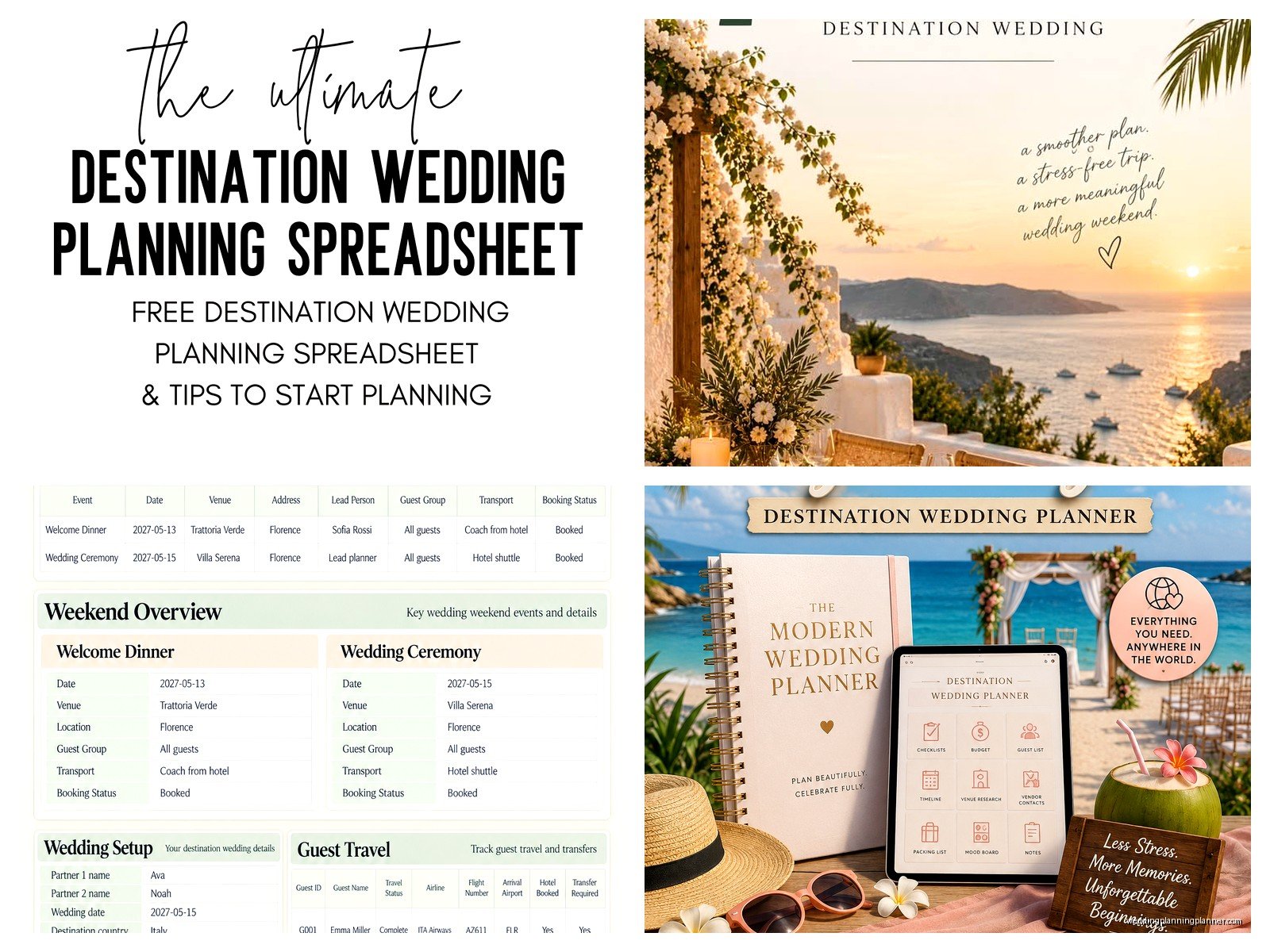
First things first – you need a system. I use a combination of a dedicated travel spreadsheet and a project management tool, but honestly whatever works for your brain is fine. The spreadsheet tracks every single guest: their arrival date, flight numbers, departure date, hotel room type, dietary restrictions, whether they’ve booked yet, payment status… it gets detailed.
Start by creating a destination wedding travel questionnaire that you send to the couple like immediately after they book you. You need to know their vision for the guest experience, their budget for group perks, how hands-on they want to be, and whether they have any guests with accessibility needs or medical situations.

Hotel Room Blocks Are Your Best Friend (And Worst Enemy)
Negotiating room blocks is where you can really add value. Hotels want group business, especially during shoulder seasons, so you have leverage. But here’s what annoys me – some hotels will promise you the world during negotiations and then their sales coordinator disappears when you actually need them. Always get everything in writing.
When you’re negotiating, push for:
- Discounted group rates (usually 10-20% off depending on the property and season)
- Complimentary room upgrades for the couple
- Courtesy room nights (typically 1 free room night for every 20-30 rooms booked)
- Reduced or waived resort fees if applicable
- Flexible cancellation policies because people flake
- Welcome amenities for guests
- Complimentary meeting space for events
Set your room block larger than you think you need, but make sure the contract has a good attrition clause. Most hotels will let you drop to 80% of your block without penalty if you give them enough notice. Read that contract like three times because I’ve seen some sneaky clauses about when the block actually expires or automatic charges.
Flight Coordination Without Losing Your Mind
You’re probably not a travel agent (and if you are, cool, skip this part), so you can’t actually book flights for guests. What you CAN do is research the best flight options and create a recommended flight schedule that gets everyone there at reasonable times.
I usually identify 2-3 “preferred” flight options that arrive within a few hours of each other. This makes group transportation SO much easier. Like if everyone’s arriving between 2-6pm on Friday, you can schedule shuttles every hour instead of having random pickups at midnight and 5am and 2pm and whenever.
Create a simple document with:
- Recommended outbound flights with times and prices (approximate)
- Recommended return flights
- Tips for booking (use incognito mode, book on Tuesdays, whatever current wisdom is)
- Reminder about passport requirements and expiration dates
- Info about baggage fees and carry-on restrictions
- Your contact info for questions
Then you gotta track who’s booked what. I send out a travel form asking guests to submit their flight details once they’ve booked. This is voluntary obviously since you’re not their boss, but most people are happy to share so you can coordinate transfers.
Ground Transportation Strategy
This is where things get real because you’re dealing with people’s safety and timeliness. I always research transportation options way in advance – like as soon as I know the venue and hotel situation.
Your options usually are:
- Private shuttles (book a company that does dedicated runs for your group)
- Shared shuttles (cheaper but slower because they stop at multiple hotels)
- Private cars for VIPs or people who arrive at weird times
- Rental cars if the destination is driving-friendly
I learned to always book more transportation than I think I need because flights get delayed. Always. That Tulum wedding I mentioned? We had shuttles scheduled based on actual flight times and then a massive storm delayed like 15 flights. Guests were landing at all hours and I was scrambling to find available drivers at 11pm. Now I keep a backup transportation company on retainer just in case.
Get quotes from at least three transportation companies and read reviews obsessively. Ask about their cancellation policy, whether they monitor flights automatically, how they handle delays, and what their backup plan is if a vehicle breaks down. This stuff matters.
Creating Arrival and Departure Schedules
Once you have everyone’s flight info (or at least most of it), create a master arrival/departure schedule. Color-code it if that’s your thing – I use green for confirmed, yellow for pending, red for problems.
This schedule should show:
- Guest names
- Arrival date, flight number, landing time
- Assigned transportation
- Hotel and room type
- Departure date and flight number
- Any special notes
Share a simplified version with the couple so they know when people are arriving. Share the detailed version with your transportation coordinator and hotel contact. Keep the master version for yourself with all the nitty gritty details and your notes about who’s a nervous flyer or who needs extra help or whatever.
Welcome Bags and Guest Hospitality
Okay so welcome bags aren’t technically travel coordination but they kinda are because… actually they’re just part of the destination wedding experience and couples expect you to handle them.
Work with the couple on what goes in the bags. Standard stuff includes:
- Welcome letter from the couple
- Weekend itinerary with all event times and dress codes
- Local map or guide
- Snacks and drinks (especially important if guests arrive late)
- Hangover kit items (this is practical, not cute)
- Sunscreen, aloe, bug spray for tropical destinations
- Emergency contact info including your number
Coordinate with the hotel to have bags delivered to rooms before guests arrive. Confirm this like twice because hotels forget. I usually arrive at the destination at least 2 days early to personally check that bags are done and properly distributed. My cat absolutely hates when I’m gone this much but that’s another story.
Communication Timeline with Guests
You need a communication plan that keeps guests informed without overwhelming them. Here’s roughly what I do:
6-8 months before: Save the date goes out (couple usually handles this but you should remind them). Include basic travel info like destination and hotel options.
4-6 months before: Send detailed travel guide with hotel booking info, room block codes, flight recommendations, and booking deadlines.
3 months before: Reminder email about room block expiration and travel booking deadlines. This is also when you start collecting flight details from people who’ve booked.
6 weeks before: Send preliminary itinerary with events, dress codes, and what to pack. Remind about passport expiration dates because someone always forgets.
2 weeks before: Final details email with transportation assignments, welcome event info, emergency contacts, and any last-minute updates.
Few days before: Final final email with weather forecast, any schedule changes, and reassurance that everything’s gonna be great.
Managing Special Situations
There’s always gonna be special situations and you need to be ready. Elderly guests who need wheelchair assistance at airports – coordinate that in advance with the airline. Families with small children who need car seats in transfers – order those ahead. Guests with serious allergies – make sure the hotel and venue know.
I had a guest with severe mobility issues at a wedding in Cabo and we arranged for a golf cart to transport her around the resort property. The hotel was amazing about it but I had to specifically request it weeks in advance. These details matter so much for guest experience.
Also sometimes guests just… don’t follow instructions? Like you’ll send clear info about the room block deadline and someone will email you two weeks after it expires asking why they can’t get the group rate. You gotta be patient but firm. I usually try to call in a favor with the hotel but also make it clear to the guest that booking deadlines exist for a reason.
Day-Of Travel Coordination
On arrival day (or days, since people trickle in), you’re basically on call. I keep my phone charged and with me at all times. Monitor flights obsessively – there are apps for this. If you see a delay, proactively contact the guest and adjust their transportation.
Have a local contact at the destination who can handle emergencies if you’re not there yet. This could be a local wedding planner you’ve partnered with, a hotel concierge you trust, or even a responsible family member who’s arrived early.
Create a group chat or WhatsApp group for guests once they’ve arrived. This is super helpful for sharing updates, coordinating informal gatherings, or helping people find each other. Just make sure to set boundaries about what questions should go in the group versus directly to you because otherwise it becomes chaos.
Backup Plans for Everything
Listen, things will go wrong. Flights get cancelled, hurricanes happen, people get sick, luggage gets lost. You need contingency plans.
Keep a list of:
- Backup transportation companies with after-hours contact info
- Local pharmacies and medical clinics
- Nearby hotels in case your primary property has issues
- Alternative venues if weather forces changes
- Local shops where you can buy emergency supplies
- Embassy contact info for international destinations
I also always pack an emergency kit with pain relievers, antacids, band-aids, stain remover, sewing kit, phone chargers, and like… safety pins. You’d be surprised how often you need random stuff.
Working with Travel Agents vs. Doing It Yourself
Some planners partner with travel agents and honestly? It can make your life easier. A good travel agent can handle the flight bookings, track everything, and deal with airline issues. You focus on the wedding stuff.
If you go this route, find an agent who specializes in destination weddings and group travel. Interview them like you would a vendor. Ask about their process, how they communicate with guests, what their fees are, and how they handle problems.
The main thing is clarifying roles – who does what, who’s the main contact for guests, how you’ll share information. I worked with a travel agent on a Costa Rica wedding and we had weekly check-ins to sync our spreadsheets and make sure nothing fell through the cracks. It worked great but only because we communicated constantly.
Pricing Your Travel Coordination Services
Okay so how do you charge for all this work? Because it IS work. A lot of work.
Some planners include basic travel coordination in their destination wedding package and charge extra for premium services. Others charge a flat fee per guest or a percentage of the total travel budget. I’ve seen it done all kinds of ways.
My approach is to have tiers:
Basic tier: Hotel room block negotiation, recommended flight list, transportation coordination, welcome bags. This is included in my standard destination wedding planning fee.
Premium tier: Everything above plus individual flight tracking, personalized itineraries for each guest, airport greeters, excursion planning, and basically white-glove service. This is an add-on fee based on guest count.
Whatever you charge, make sure it’s worth your time. Travel coordination is detail-intensive and time-consuming. Don’t undervalue it just because it’s not the actual wedding day stuff.
Tools and Resources You Actually Need
Get yourself set up with the right tools because trying to do this with just email and hope is not gonna work.
I use:
- Detailed spreadsheets (Google Sheets so I can access anywhere)
- Flight tracking apps – I like FlightAware
- Project management software for overall wedding coordination
- WhatsApp for guest communication
- A good notes app for tracking random details
- Document storage for contracts and confirmations
Also make friends with hotel sales managers and local vendors at your frequent destinations. These relationships are gold when you need a favor or have a last-minute crisis. I’ve worked with the same hotel group in Riviera Maya for like four years now and they know my standards and style, which makes everything smoother.
The truth is travel coordination for destination weddings is part logistics, part psychology, part crisis management. You’re managing expectations, solving problems before they happen, and creating a smooth experience for people who might be anxious about international travel or unfamiliar destinations. It’s challenging but when you nail it and guests arrive relaxed and excited instead of stressed and exhausted… that’s when you know you’ve done your job right. Just remember to build in buffer time for connections because apparently I had to learn that lesson the hard way and you don’t have to.
