Planning Guides, Style Guide
Barnes And Noble Wedding Planner: Professional Services Guide
Mar
What Actually Happens When You Buy a Barnes and Noble Wedding Planner
So you walked into Barnes and Noble, saw their wedding planner section, and grabbed one of those beautiful hardcover planners thinking it’ll solve all your organizational problems. I get it—I did the same thing back in spring 2019 when I was still figuring out my planning system, and honestly? These planners are kinda hit or miss depending on what you actually need.
The thing about B&N wedding planners is they’re consumer products, not professional tools. They’re designed for DIY brides who want something prettier than a Google spreadsheet. But if you’re a professional planner or someone who wants to understand how professional wedding planning actually works, you gotta know what you’re working with here.
The Standard Barnes and Noble Wedding Planner Layout
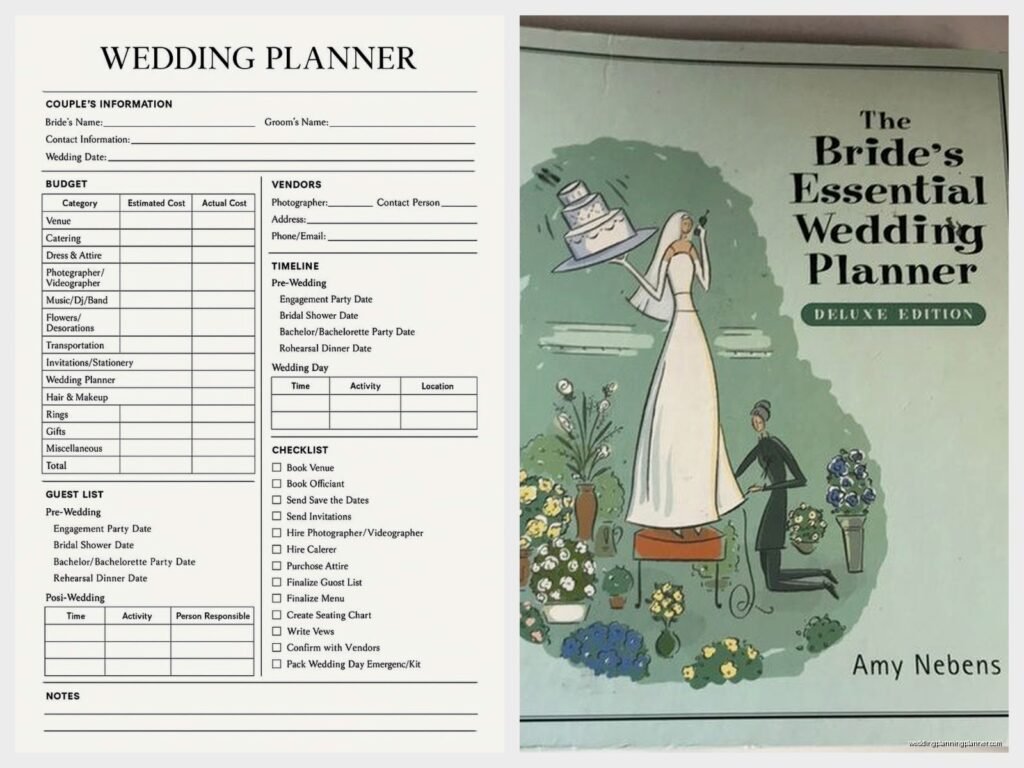
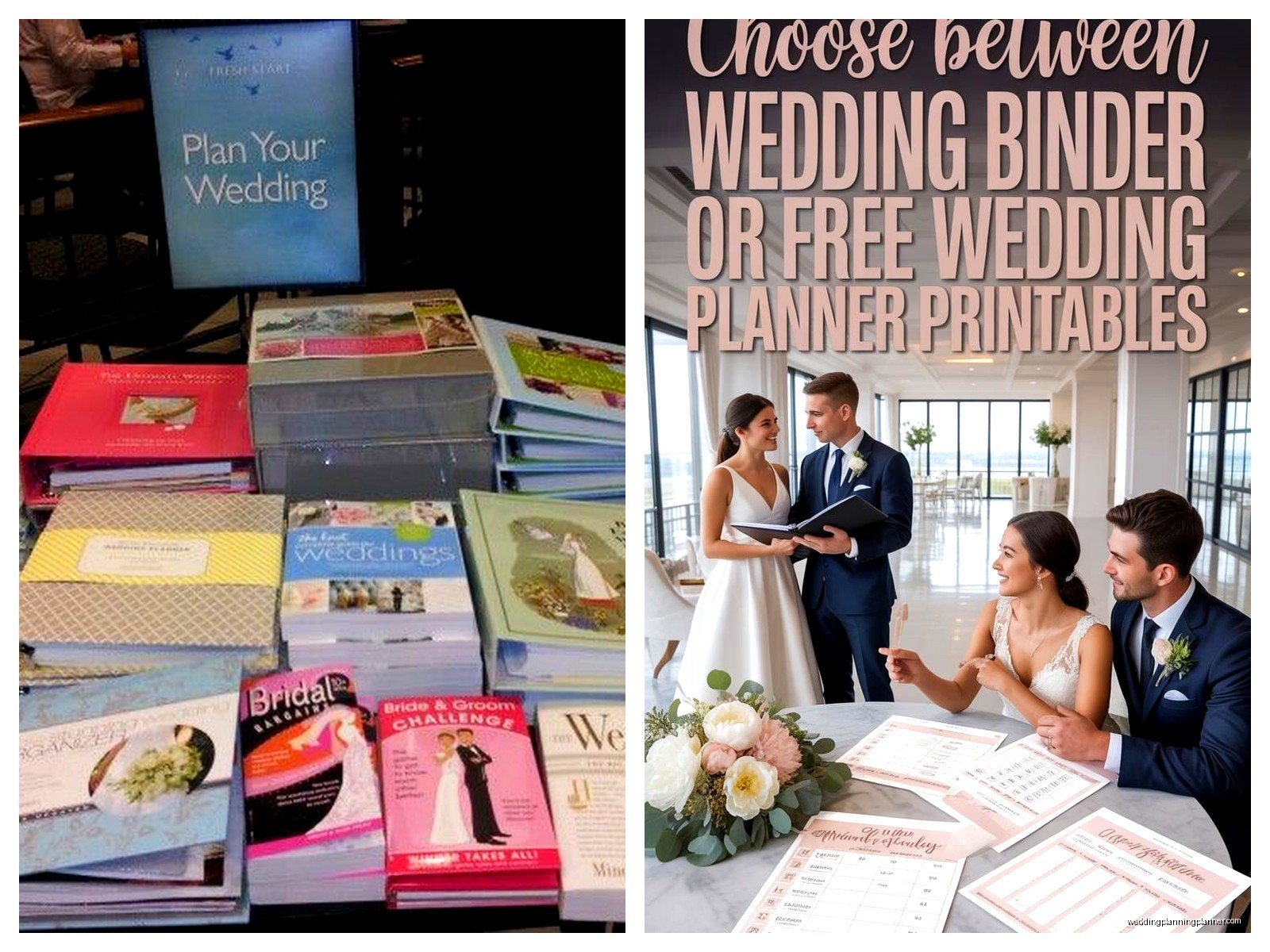
Most of the planners you’ll find at Barnes and Noble follow a pretty standard format. They usually include budget trackers, vendor contact pages, timeline checklists, seating chart worksheets, and those little pocket folders for keeping receipts or fabric swatches. The popular ones are from brands like Peter Pauper Press, Rifle Paper Co., and sometimes those generic “Wedding Planner Organizer” ones with the fancy covers.
Here’s what actually gets used: the budget tracker (if it’s detailed enough), the vendor contact section, and maybe the timeline pages. What doesn’t get used? Those weird menu planning pages that have space for like 8 appetizers when most couples pick 3, and the gift tracker that… I mean, who actually tracks gifts in their wedding planner instead of just, you know, writing thank you notes as they come in?
Budget Sections That Actually Matter
The budget pages are where these planners either shine or completely fail. A good B&N planner will have categories broken down into actual wedding budget categories—venue, catering, photography, florals, attire, etc. The problem is most of them allocate space really weirdly. They’ll give you three lines for photography (which can easily be a $5000+ expense with multiple payment installments) but then half a page for “favors and gifts” which most couples spend maybe $200 on.
When I’m consulting with clients who brought their own planner, I usually tell them to ignore the pre-printed categories and just use the pages as blank budget worksheets. You’re gonna want to track: vendor name, total cost, deposit amount, deposit date, balance due, balance due date, and payment method. Most B&N planners don’t have columns for all of that, which is honestly super annoying when you’re trying to keep a couple organized and they’re like “wait, did we pay the deposit for the DJ?” and we’re flipping through pages trying to find a checkmark or something.
Using Store-Bought Planners in Professional Practice
Okay so here’s the real talk—if you’re a professional planner, you’re probably not using a Barnes and Noble wedding planner as your primary organizational tool. You’re using a CRM system, project management software, or at minimum a really robust digital system. But sometimes clients show up with these planners already purchased, and you need to work with what they’ve got.
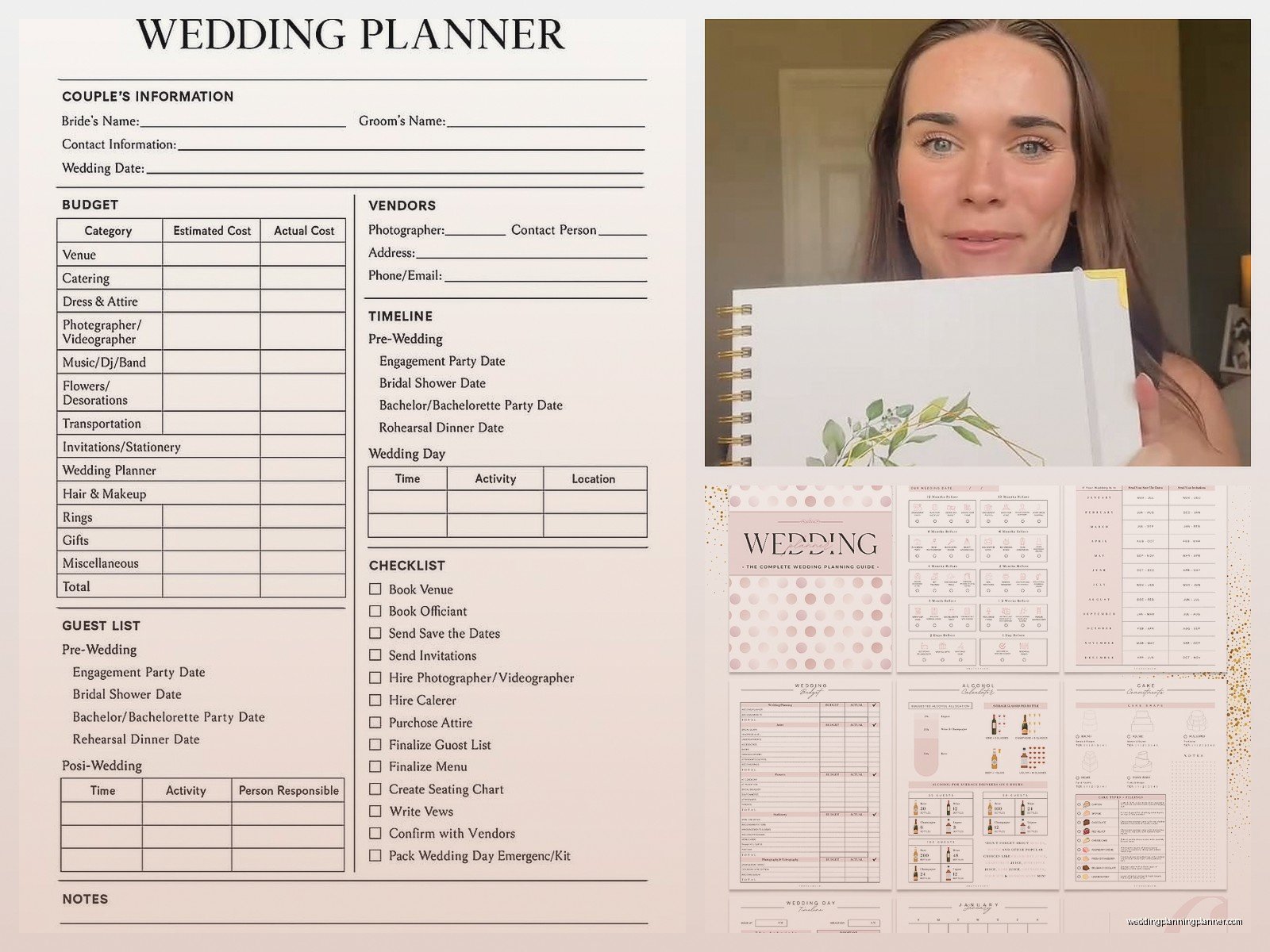
I had this situation in summer 2021 where a bride came to me with one of those gorgeous rose gold Barnes and Noble planners, and she’d already filled out like 40% of it. She wanted to hire me for month-of coordination but had been planning everything herself up until that point. The planner was… a mess, honestly. She’d skipped sections, written notes in margins, and somehow the timeline pages were in a completely different order than how we actually execute weddings.
What I ended up doing was using her planner as the “client-facing” document—like, she could keep tracking things in there and feel organized—while I maintained my actual professional timeline and vendor management system separately. Then about two weeks before the wedding, I transcribed everything from her planner into my system and caught like six missing details that would’ve been problems. So that’s my recommendation if you’re working with a client who’s attached to their B&N planner: let them keep it for emotional reasons but don’t rely on it as your source of truth.
The Vendor Contact Pages Problem
These pages drive me crazy because they’re formatted like old-school address books. You get little boxes for company name, contact person, phone, email, and maybe website. But here’s what you actually need for vendor management: contract signed date, services included, payment schedule, arrival time on wedding day, load-in requirements, meal count needed, and specific contact person for day-of emergencies.
None of the B&N planners I’ve seen include space for all that. They’re designed for the information-gathering phase, not the actual execution phase. So if you’re using one of these, you’ll need to supplement with additional sheets or—and this is what I usually recommend—create a separate vendor management spreadsheet that has all the details you’ll actually need when you’re standing in a venue at 8am on a Saturday trying to figure out why the florist isn’t there yet.
Timeline and Checklist Sections
The timeline sections in these planners are usually organized in reverse chronological order starting from like 12 months out. They’ll have checklists like “12 months before: start researching venues” and “9 months before: book photographer” and whatever. This is fine for general guidance, but it’s not how professional planning works because every wedding timeline is different based on engagement length, season, venue availability, and budget.
I’ve seen couples stress out because the planner says they should’ve booked their caterer 8 months ago but they’re only 6 months out and they’re just now starting to look. The reality is that timeline “rules” are more like guidelines, and in some markets you can book vendors way later than these planners suggest, while in other markets (looking at you, peak season in major metro areas) you need to book even earlier.
My cat just jumped on my desk and stepped on the keyboard, but anyway—what I tell clients is to use the checklists as a reference but not as gospel. Cross off what doesn’t apply to you, add what’s missing, and don’t panic if you’re “behind” according to the book.
Day-Of Timeline Pages
These are usually just blank hourly schedules, which is actually kinda useful? Like, this is one section where the B&N planners get it right because they’re not trying to prescribe what should happen when. They just give you blank time slots to fill in. The annoying part is they usually only give you one or two pages for the entire wedding day timeline, and if you’re doing a full day from getting ready through send-off, you need more space than that.
Professional planners typically create separate timelines for different groups—one for the couple and wedding party, one for vendors, one for family, and one master timeline that shows everything. A Barnes and Noble planner isn’t gonna have space for all that, so again, you’re supplementing with additional documents.
Guest Management and Seating Charts
Oh man, the seating chart pages. These are always so optimistic about how easy seating charts are gonna be. They’ll have like, little circular table diagrams where you can write 8-10 names, and maybe 15-20 of these circles on a page. Cool, except that figuring out who sits with who is literally one of the most stressful parts of wedding planning and requires like seventeen drafts and multiple conversations about whether Aunt Karen can be at the same table as Uncle Bob after the incident at Thanksgiving 2015 or whatever.
I usually recommend doing seating charts digitally using a tool that lets you easily move people around, or even just using sticky notes on a poster board. The permanent nature of writing names in a planner makes it hard to revise, and you’re definitely gonna revise your seating chart multiple times. Trust me on this one.
The guest list pages are slightly more useful. They typically have columns for name, address, invited to ceremony/reception, RSVP response, meal choice, and maybe plus-one information. This is actually pretty comprehensive for a basic guest list, though you’ll probably still want to track additional stuff like: dietary restrictions, hotel room block usage, relationship to bride or groom (helps with seating), and whether they’re invited to other events like the rehearsal dinner or brunch.
What’s Actually Missing from These Planners
Okay so here’s what Barnes and Noble wedding planners consistently don’t include that you’re actually gonna need. First, there’s almost never space for tracking RSVPs in detail—like, you need to know not just yes or no, but meal selections, dietary restrictions, plus-one names, and whether they’re coming to just ceremony or staying for reception.
Second, there’s rarely any section for design and décor planning. Where do you keep your color palette? Inspiration photos? Measurements for linens? Notes about centerpiece heights? Some planners have a few pages for “notes and ideas” but it’s never organized in a useful way. Most brides end up with a separate Pinterest board or binder for this stuff, which sorta defeats the purpose of having an all-in-one planner.
Third, and this is the one that annoyed me the most when I was trying to use one of these professionally—there’s no space for tracking all the tiny details that make or break a wedding. Stuff like: who’s bringing the marriage license to the venue, what time does the cake need to be delivered, where are we storing gifts during the reception, who’s responsible for taking home leftover alcohol, what’s the plan for the dress after the wedding… I could go on. These operational details don’t fit neatly into any of the pre-made sections.
How to Actually Use a B&N Planner Effectively
If you’ve already got one of these planners or you’re committed to buying one, here’s how to make it work. Use it as your central repository for basic information—vendor contacts, budget overview, general timeline—but accept that you’re gonna need supplementary tools. Keep a separate spreadsheet or digital doc for detailed tracking of things like payments, RSVPs, and day-of logistics.
Write in pencil for anything that might change (which is basically everything). Or use sticky notes for things like seating arrangements and timeline details that you know you’ll be revising. Don’t feel obligated to fill out every single page—some sections just won’t apply to your wedding, and that’s totally fine.
Use the pocket folders in the planner for keeping contracts, receipts, or fabric swatches, but also scan everything and keep digital copies. I learned this the hard way when a client’s planner got left in a restaurant and we had a mild panic until we remembered I had photographed all the important pages.
Supplementing with Professional Tools
Even if you’re using a B&N planner as your main organizational tool, you’re probably gonna want some additional resources. A good spreadsheet program for detailed budget tracking and RSVP management is essential. I’m partial to Google Sheets because you can share it with your partner or planner and everyone sees updates in real time.
For timeline creation, there are templates online that are way more detailed than what you’ll find in a store-bought planner. Look for ones specifically designed for your type of wedding—a backyard wedding timeline looks totally different from a formal ballroom wedding timeline.
And honestly? A good project management app can be worth its weight in gold. Something where you can set tasks, deadlines, and reminders. Because the checklist pages in a Barnes and Noble planner are static—they can’t send you a notification that your final payment to the photographer is due next week.
The Real Value of Physical Planners
After all this complaining about what these planners don’t do well, I should say there is something valuable about having a physical planner. There’s a psychological benefit to writing things down by hand, and having a tangible object that represents your wedding planning journey can be meaningful. Some couples really like being able to flip through pages and see everything laid out visually in a way that digital tools don’t quite replicate.
Plus, a beautiful planner sitting on your coffee table is a nice conversation starter when people visit, and it signals “yes, we’re organized, we’ve got this under control” even if inside you’re frantically trying to figure out cocktail napkin quantities or whatever. The pretty covers and quality paper in B&N planners do serve a purpose—they make wedding planning feel more special and less like a project management nightmare, which honestly sometimes you need that psychological boost.
I think the key is understanding what these planners are good for—basic organization, keeping vendor contacts in one place, general timeline guidance, and making you feel put-together—versus what they’re not good for, which is detailed professional-level wedding coordination. If you go in with realistic expectations, a Barnes and Noble wedding planner can be a helpful tool in your overall planning toolkit. Just don’t expect it to be the only tool you need, because it won’t be.