Planning Guides, Style Guide
Target Wedding Planner: Professional Services Guide
Mar
Setting Up Your Wedding Planning Business the Right Way
So you’re thinking about becoming a professional wedding planner or you’ve already started taking clients and now you need to figure out the business side of things. I’ve been doing this for almost two decades now and honestly the business structure part is what nobody tells you about when you’re dreaming about designing beautiful ceremonies.
First thing – you gotta decide if you’re going solo or building a team. I started solo back in the day and stayed that way for like five years before I realized I was turning down clients because I physically couldn’t be in two places at once. Spring 2019 was when I had two weddings on the same Saturday (different times, I thought I could make it work) and I ended up stuck in traffic between venues having a full panic attack while my bride was texting me photos of centerpieces that looked nothing like what we’d planned. That’s when I knew I needed help.
Your Service Packages Need to Make Sense
Don’t just offer “wedding planning” as one vague thing. You need tiers, and they need to be crystal clear. I usually recommend three main packages:
- Full Planning – You’re involved from day one, like 12-18 months out, handling everything from venue selection to vendor negotiations to design concepts to day-of coordination
- Partial Planning – Client has already booked venue and maybe a few vendors, you come in around 4-6 months out to tie everything together
- Month-Of Coordination – Though honestly it’s really more like 6-8 weeks out when you start, not just one month, but clients understand “month-of” better as a term
What really annoyed me for years was when other planners would undercut their month-of packages to like $500 or something ridiculous. You can’t properly coordinate a wedding for $500 unless you’re doing it as a hobby, and that messes up the whole market for those of us trying to run actual businesses. Anyway.
I also offer destination wedding planning as a separate thing because the logistics are completely different and you need to account for travel time, site visits, working with vendors you can’t meet face-to-face initially, and honestly just the stress of coordinating across time zones.
Pricing Structure That Actually Works
This is where most new planners mess up. They either charge way too little because they’re nervous about their rates, or they pick random numbers that don’t reflect the actual hours involved.
For full planning, I charge a flat fee based on the estimated guest count and complexity. My current range is $4,500 to $12,000 depending on the wedding size and scope. A 50-person intimate wedding at a restaurant is obviously different than a 300-person estate wedding with custom everything.
Partial planning runs $2,500 to $6,000 in my market. Month-of coordination starts at $1,800 because even though it’s less time overall, you’re still doing timeline creation, vendor management, rehearsal coordination, and 10-12 hours on the actual wedding day.
Some planners do percentage-based pricing (like 15% of the total wedding budget) but I’ve never loved that model because it penalizes you for being efficient. If I find a client an amazing photographer for $3,000 instead of $5,000, why should I make less money? Doesn’t make sense to me.
The Contracts and Legal Stuff You Can’t Skip
Get a lawyer to review your contract template. I’m serious. I used a template I found online for my first year and it was… fine? But then in summer 2021 I had a client try to back out six weeks before her wedding (she decided to elope instead, which, fair) and my contract wasn’t specific enough about my cancellation policy. I ended up losing like $3,000 in fees I’d already earned because I couldn’t enforce it properly.
Your contract needs to include:
- Detailed scope of services – what you WILL do and what you WON’T do
- Payment schedule (I do 25% to book, 50% at six months out, final 25% one month before)
- Cancellation and refund policy
- What happens if YOU need to cancel (illness, emergency, etc.)
- Liability limitations
- Overtime fees if the wedding runs long
- Travel fees for venues outside your normal service area
Also get liability insurance. It’s not that expensive – I pay around $800 a year for $2 million in coverage – and it protects you if something goes wrong. Had a planner friend whose client tripped over an extension cord during setup and sued everyone involved including her. Insurance covered it.
Building Your Vendor Network
This is honestly the most important part of being a successful planner and it takes time. You can’t just Google “wedding photographer near me” for every client. You need a solid roster of vendors you trust in every category.
I keep a spreadsheet (very glamorous, I know) with at least 5-7 vendors in each category: venues, catering, photography, videography, florals, rentals, DJ/entertainment, hair and makeup, transportation, bakeries, and specialty items. For each vendor I note their price range, their style, how responsive they are, and any weird quirks or limitations.
Like I have this amazing florist who does incredible work but she will NOT do red roses. Just refuses. Something about them being overdone? So I need to know that before I recommend her to a client who wants a classic red rose bouquet.
The vendor relationships also mean you can sometimes get priority booking for your clients or slightly better rates. Not always, but when you’re sending a photographer 8-10 weddings a year, they’re gonna treat your clients well because they want to keep that relationship going.
Your Actual Planning Process and Timeline
Every planner works a bit differently, but you need a system. Mine looks like this for full planning clients:
Months 12-10: Initial consultation, sign contract, create preliminary budget, start venue search, discuss overall vision and style. This is when I’m meeting with them maybe every 2-3 weeks.
Months 9-7: Book major vendors (venue, catering, photographer, videographer), start design concept work, create Pinterest boards or mood boards. My cat actually knocked over my coffee onto a mood board once during a client meeting and we had to recreate the whole thing… but honestly the second version was better.
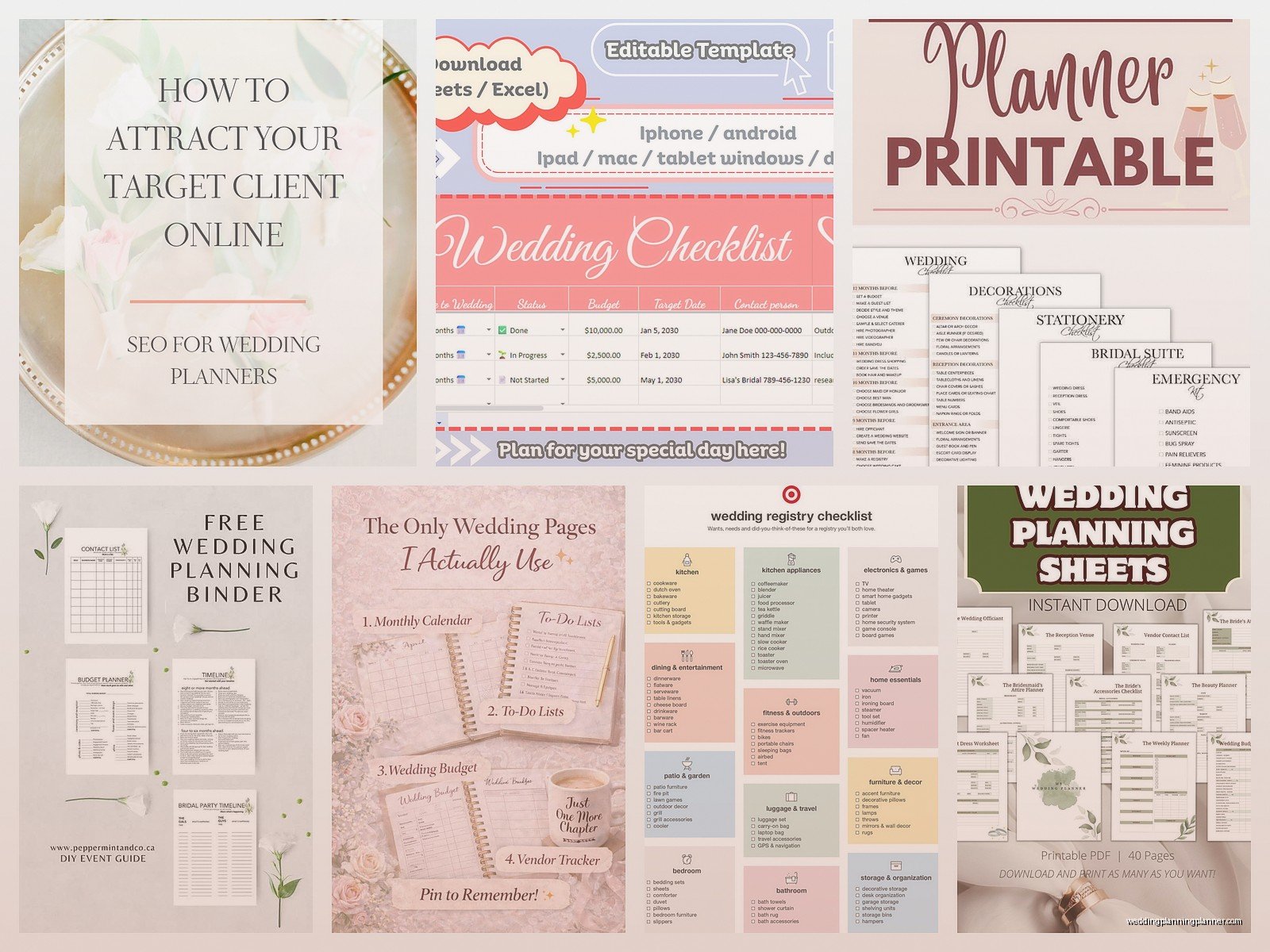
Months 6-4: Book remaining vendors, finalize design details, order invitations (this is where my stationery consultant side kicks in), create detailed floor plans, start working on ceremony script and vows if they want help with that.
Months 3-2: Final vendor confirmations, create day-of timeline, finalize seating chart, confirm final guest count, do venue walkthrough, confirm all rental orders.
Month 1: This is crunch time. Final meetings with all vendors, create setup diagrams, prepare vendor payment schedule for the day of, rehearsal coordination, final timeline adjustments, emergency kit preparation.
Wedding Week: Confirm everything again (you’d be surprised how many vendors need reminders), attend rehearsal, coordinate setup day, be on-site for the entire wedding day, manage breakdown or next-day breakdown depending on venue.
The Tools and Software That Make Life Easier
You need a project management system. I use HoneyBook but a lot of planners like Aisle Planner or 17hats. These handle contracts, invoicing, timelines, and client communication all in one place. Before I had a system like this I was drowning in emails and… actually I don’t know how I kept everything straight, it was chaos.
For design and mood boards, I use a combination of Pinterest (obviously) and Canva for creating presentation boards. Some planners use actual design software like Adobe Creative Suite but that feels like overkill for what I need.
Google Workspace is essential – shared calendars, shared documents, shared spreadsheets with clients and vendors. The collaborative aspect is huge because clients can see everything updating in real-time.
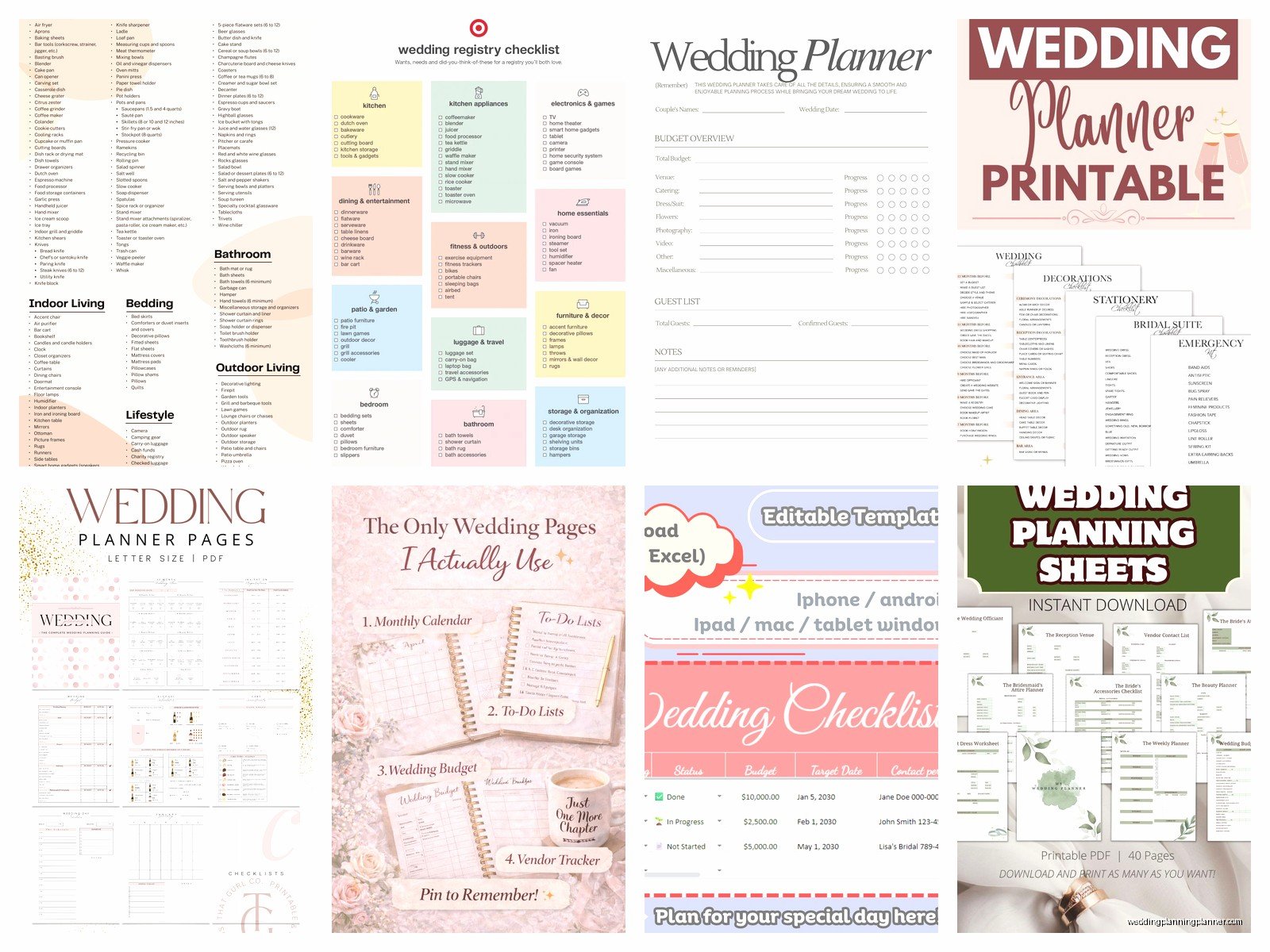
For timelines specifically, I create them in Excel or Google Sheets because I need that level of detail and control. There are wedding timeline apps but they’re usually too simplified for complex weddings.
The Money Management Side
Open a separate business checking account immediately. Don’t mix personal and business finances. Get a business credit card too – helps with expenses and building business credit.
You’ll need to track every expense: software subscriptions, vendor deposits you pay on behalf of clients (if you do that, which I recommend against but some planners do), mileage for venue visits, office supplies, professional development like conferences or courses, marketing costs.
Set aside about 25-30% of your income for taxes if you’re in the US and operating as a sole proprietor or LLC. Quarterly estimated tax payments are your friend. Learning this the hard way after my first year when I owed like $8,000 all at once was… not fun.
I also recommend having a separate savings account for your business where you keep 3-6 months of operating expenses. Wedding planning is seasonal in most markets (I’m slammed April through October, pretty quiet November through March) so you need cash reserves to cover the slow months.
Marketing Yourself Without Losing Your Mind
Social media is kinda non-negotiable now. Instagram especially for wedding planners because it’s such a visual industry. You need to be posting regularly – I aim for 3-4 times a week with a mix of real wedding content, planning tips, behind-the-scenes stuff, and vendor spotlights.
Your website needs to showcase your best work with professional photos. If you’re just starting out and don’t have a big portfolio yet, offer to plan a styled shoot with photographer and vendor friends. It’s not the same as a real wedding but it gives you something to show.
Wedding Wire, The Knot, and similar directories are worth paying for in most markets. I get probably 40% of my inquiries through The Knot even though I also get clients through referrals and Instagram.
Reviews are everything. After every wedding, I ask clients to leave reviews on multiple platforms. Good reviews from happy couples are more valuable than any ad you could buy.
The Stuff Nobody Tells You About
You’re gonna have difficult clients sometimes. Not often if you screen well during consultations, but it happens. I had a mother of the bride in spring 2023 who would text me at like 11 PM with “emergency” questions about napkin colors. I eventually had to set boundaries about communication hours in my contract.
Wedding days are long. Like 12-14 hours on your feet long. Wear comfortable shoes even if they’re not cute. Bring snacks because you probably won’t have time for a real meal. Keep a emergency kit with safety pins, stain remover, bobby pins, tissues, pain relievers, and whatever else you think might save the day.
You’re gonna see family drama. Stay neutral. Don’t take sides between divorced parents fighting over seating arrangements or couples arguing with their families about guest lists. Your job is to facilitate solutions, not be a therapist, though sometimes it feels like…
The emotional labor is real and nobody prepares you for it. You’re managing expectations, soothing anxieties, dealing with vendor mistakes, and staying calm when everything’s falling apart. Some days I wonder if I should’ve gotten a degree in psychology instead of event management.
Growing Beyond Just You
If you want to scale past solo planner, you’ll eventually need to hire. I brought on my first assistant as an independent contractor for day-of help. She’d handle setup coordination while I managed the ceremony and reception flow. Now I have two regular contractors I work with plus a part-time admin person who handles inquiry responses and contract prep.
Training someone to plan weddings your way is harder than you’d think. Your systems and standards need to be documented so they can actually follow them. I created a whole operations manual that I’m constantly updating with how I handle specific situations.
You can also expand services – I added stationery consulting because I was already helping clients with invitations and it made sense to formalize it. Some planners add floral design or day-of decor services. Just make sure you’re not spreading yourself too thin across too many things because then you’re not really excellent at any of them.