
Planning Guides, Style Guide
Wedding Planner Coordinator: Professional Services Guide
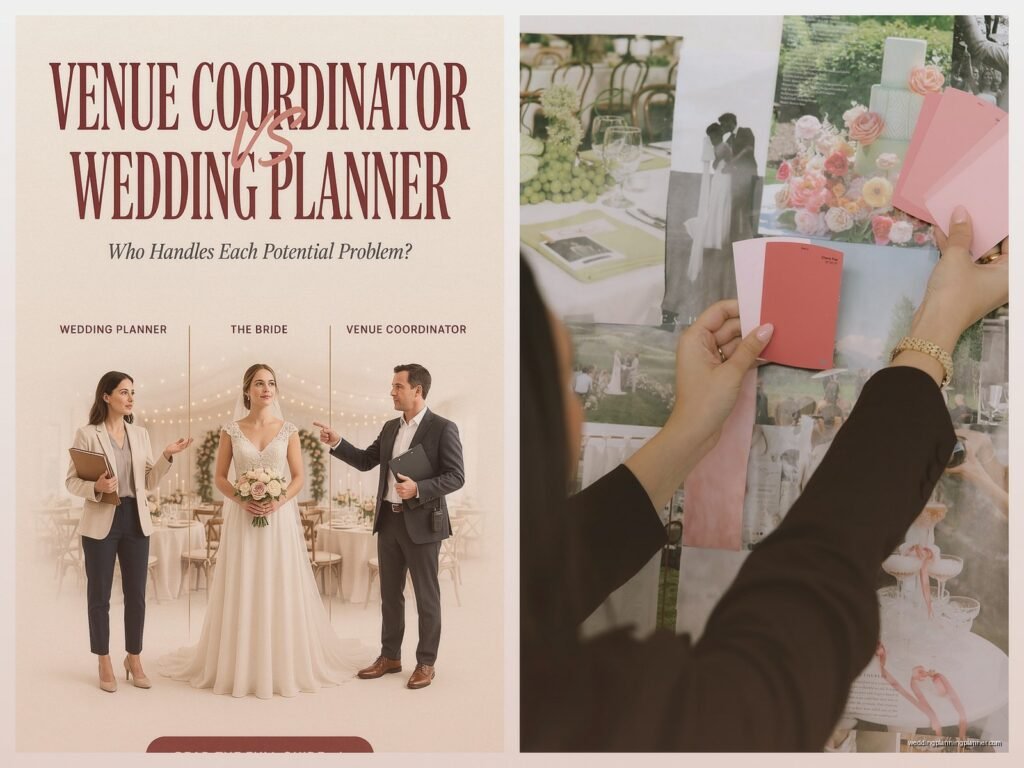
Oct
What Wedding Planner Coordinators Actually Do
So there’s this massive confusion about what a wedding planner coordinator actually is versus a full-service planner, and honestly it drives me nuts because couples waste so much money hiring the wrong type of service. A coordinator—sometimes called a “day-of coordinator” though that’s kinda misleading—comes in way later than a full planner. You’re basically hiring someone to execute the wedding you’ve already planned yourself.
I had this couple back in spring 2023 who called me two weeks before their wedding absolutely panicking because they thought a coordinator would handle their vendor contracts and design choices. Nope. That ship had sailed. A coordinator typically starts working with you about 4-6 weeks before the wedding date, takes your existing plans, and makes sure everything actually happens on the day without you having to text your florist while you’re getting your makeup done.
When You Actually Need a Coordinator
If you’re the type who loves planning, has the time, enjoys negotiating with vendors, and can create a detailed timeline, then yeah, a coordinator is probably perfect for you. You handle all the creative stuff, the budgeting, the vendor selection—all of it. Then you hand it off to someone else to manage the actual day.
The coordinator shows up (usually) for the rehearsal, runs through everything, then arrives early on wedding day to manage vendor arrivals, setup, timeline execution, and problem-solving. They’re basically your project manager for 12-16 hours.
Full-service planners, on the other hand… we’re involved from engagement through honeymoon send-off. We’re talking 12-18 months of work usually. Design concepts, budget creation, vendor recommendations, contract negotiations, all the site visits, managing RSVPs sometimes, and then yes, also the day-of coordination.
What’s Included in Coordinator Packages
Most coordinator services include a planning meeting about a month out where you dump everything on them—your contracts, your vision, your seating chart, your timeline. They’ll review it all, usually catch things you missed (there’s always something), and start building relationships with your vendors.
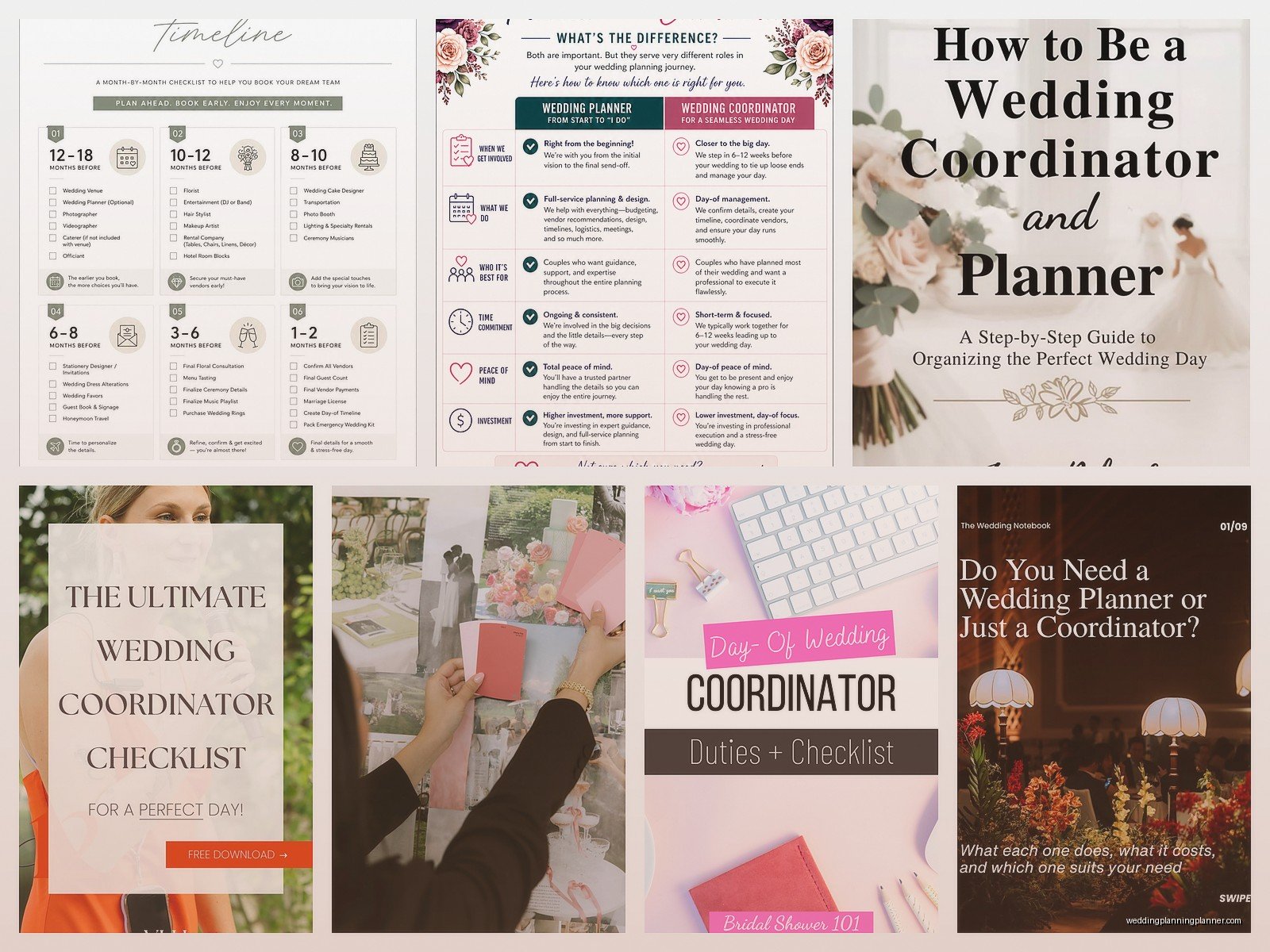
Standard packages typically cover:
- One or two planning meetings before the wedding
- Unlimited email contact starting 4-6 weeks out
- Rehearsal attendance and direction
- Full wedding day management (usually 8-10 hours, sometimes more)
- Vendor coordination and timeline distribution
- Setup supervision
- Problem solving and troubleshooting
- Ceremony coordination (processional cueing, etc.)
- Reception flow management
Some coordinators also include an assistant, which honestly you’re gonna need if your wedding has more than 100 guests. One person can’t be in the ceremony space cueing the wedding party AND in the reception space making sure tables are set correctly.
The Timeline Thing
Creating the master timeline is usually where I see couples struggle the most when they’re doing DIY planning. You need a detailed, minute-by-minute schedule for the wedding day, and it needs to account for things like… okay so your ceremony is at 5pm but your photographer needs to arrive at 2pm for getting-ready photos, your florist is delivering at noon, your rental company is setting up at 10am, and your venue only gave you access starting at 9am.
A good coordinator will take your rough timeline and turn it into a professional vendor timeline that accounts for setup time, buffer time (always need buffer time), cocktail hour flow, and breakdown. I spend hours on these timelines because if they’re wrong, everything falls apart.
What really annoyed me last year was this venue coordinator who kept insisting she could “handle everything” and the couple didn’t need to hire me. Venues coordinators are NOT the same as wedding coordinators, and I wish venues would stop implying they are. Venue coordinators work for the venue. They make sure you don’t break their stuff and that you follow their rules. They’re not managing your photographer’s shot list or cueing your DJ or making sure your grandmother gets escorted to her seat.
How Much This Actually Costs
Coordinator fees vary wildly depending on location, but you’re typically looking at $800-$2500 for day-of coordination services. In major cities, I’ve seen it go up to $3500-$5000. Full-service planning starts around $3000 on the low end and can easily hit $10,000+ for experienced planners in expensive markets.
The pricing usually depends on:
- How many hours of coverage you need
- Whether you need an assistant coordinator
- Guest count (more guests = more complexity)
- How many events you’re coordinating (just ceremony and reception, or also rehearsal dinner, welcome party, etc.)
- Geographic location
- Planner’s experience level
Some coordinators charge flat fees, others do hourly rates. I prefer flat fees because then couples know exactly what they’re paying and there’s no stress about watching the clock.
Finding the Right Coordinator
You want someone who’s done this before—like, actually coordinated weddings, not just “helped plan my friend’s wedding.” Ask how many weddings they’ve coordinated as the lead (not as an assistant). Ask about their emergency kit. Every good coordinator has an emergency kit, and if they look confused when you ask, that’s a red flag.
My emergency kit has everything from safety pins to super glue to Tide pens to band-aids to bobby pins to… I once used my hot glue gun to fix a broken cake topper twenty minutes before the reception started. My cat knocked over the kit last week and I’m still finding bobby pins everywhere, but whatever.
Questions to Ask Potential Coordinators
When you’re interviewing coordinators, ask them about their process. How many planning meetings do they include? When do they start working with you? What happens if they get sick on your wedding day—do they have a backup?
Also ask them to walk through how they’d handle specific scenarios. Like, what if your florist is running two hours late? What if it starts raining and you planned an outdoor ceremony? What if a groomsman passes out during the ceremony? (This happens more than you’d think. Usually they lock their knees.)
You want someone who stays calm under pressure and can make executive decisions quickly. During that spring 2023 wedding I mentioned, the bride’s dress strap broke while she was getting ready, and I had to find a seamstress who could do an emergency repair in 45 minutes. These things happen, and you need someone who doesn’t panic.

The Vendor Management Piece
One of the biggest values a coordinator provides is being the single point of contact for all your vendors on wedding day. Your photographer shouldn’t be asking you where to set up. Your caterer shouldn’t be texting you about table placement. Your DJ shouldn’t be hunting you down to confirm the first dance song.
A good coordinator distributes the timeline to all vendors about a week before the wedding, confirms arrival times and logistics, and then serves as the go-to person for any questions or issues that come up. This means you can actually, you know, enjoy your wedding instead of managing it.
I create a vendor contact sheet with everyone’s phone numbers, arrival times, and specific responsibilities. Then on wedding day, my phone is basically blowing up with vendor questions, but the couple’s phones are silent. That’s how it should be.
The Rehearsal
Most coordinators include rehearsal attendance, and honestly this is super important. The rehearsal is where you work out all the processional logistics—who walks with whom, what order, how fast, where they stand, when they sit down. Without someone directing this, rehearsals turn into chaotic messes where everyone’s confused and someone’s uncle keeps making jokes that aren’t funny.
I run rehearsals pretty tightly. We walk through the processional twice, practice the recessional, go over any special readings or unity ceremonies, and I answer questions. Usually takes 30-45 minutes if people actually pay attention and don’t… okay so at one rehearsal the best man was so focused on his phone that he walked right past his spot and almost knocked over the arch. Pay attention at your rehearsal.
What Coordinators Don’t Do
This is important because couples get disappointed when they realize what’s not included. Coordinators typically don’t:
- Help you find or book vendors (that’s full-service planning)
- Design your wedding or create mood boards
- Negotiate contracts or review vendor agreements
- Manage your budget
- Handle invitation addressing or mailing
- Create your floor plan or seating chart (though they’ll implement whatever you create)
- Do any DIY projects or crafts
- Set up your personal décor items usually—some do, but it’s often an add-on service
That last one trips people up a lot. If you have 47 framed photos you want displayed, 12 different centerpiece components that need assembly, a card box that needs setting up, favors that need distribution, a guest book table with specific styling… that’s often not included in basic coordination. Some coordinators offer “décor setup” as an add-on, others partner with a setup crew, and some just don’t do it at all.
I offer setup as an additional service because I got tired of arriving two hours before the ceremony to find that couples expected me to assemble and style everything. That’s not coordination, that’s setup labor, and it requires different time allocation and often additional help.
Month-Of Coordination vs. Day-Of
The industry has mostly moved away from calling it “day-of” coordination because that’s misleading. You can’t just show up on wedding day and magically coordinate a wedding you know nothing about. Most coordinators now offer “month-of” or “partial planning” services, which means they start working with you 4-6 weeks before the wedding.
Some planners offer a middle tier between coordination and full-service planning—sometimes called “partial planning” or “month-of planning”—where they might help with some vendor recommendations, attend a few vendor meetings with you, or provide more extensive planning support while still having you do the bulk of the work.
The terminology gets confusing and every planner defines these services slightly differently, which is why you really need to read the contract and ask specific questions about what’s included.
Working With Your Coordinator
Once you’ve hired a coordinator, you’ll typically have a kickoff meeting about a month before the wedding where you hand over all your planning details. Bring everything—vendor contracts, inspiration photos, your guest list, seating arrangements, any special requests or family dynamics they should know about.
The family dynamics thing is actually pretty important. If your parents are divorced and can’t be in the same room, your coordinator needs to know that. If your uncle gets inappropriate when he drinks, mention it. If there’s a guest who wasn’t invited but might show up anyway… yeah, we need to know these things.
After that initial meeting, you’ll communicate mostly by email unless urgent issues come up. About a week before the wedding, your coordinator will send you a draft timeline for review. Look at it carefully and flag anything that seems off or doesn’t match your vision.
The Actual Wedding Day
On wedding day, your coordinator usually arrives several hours before the ceremony to supervise vendor arrivals and setup. They’re checking that tables are placed correctly, the ceremony space looks right, deliveries are happening on schedule, and any issues get resolved before you even know about them.
Then they manage the entire day—cueing the processional, making sure the ceremony runs smoothly, flipping the ceremony space to cocktail hour if needed, managing the reception timeline, coordinating with vendors for each event (toasts, cake cutting, first dance, etc.), and handling any problems that pop up.
At the end of the night, they typically make sure your personal items get packed up, gifts and cards are secured, and any rental items you’re keeping get sorted. They don’t usually do full venue breakdown—that’s on the rental company—but they make sure your stuff doesn’t get left behind or thrown away.
When Coordination Isn’t Enough
Sometimes couples hire a coordinator thinking it’ll be enough, but then they realize they’re in over their heads with the planning part. If you’re feeling overwhelmed 6+ months before your wedding, if you have no idea how to find vendors or what questions to ask them, if the idea of creating a floor plan makes you want to cry… you probably need a full-service planner, not just a coordinator.
There’s no shame in upgrading services. I’ve had couples start with coordination packages and then switch to full planning once they realized how much work is actually involved. Wedding planning is essentially a part-time job for 12-18 months, and not everyone has the time, interest, or skills for that.
The couples who do best with coordinator-only services are usually pretty organized, enjoy planning, have some event experience (even if it’s just planning parties), and have the time to dedicate to vendor research and decision-making. If that doesn’t sound like you, spend the extra money on full-service planning. You’ll be way less stressed, and honestly, experienced planners usually save you money through vendor relationships and budget management anyway, so it kinda pays for itself.
