Planning Guides, Style Guide
Wedding Coordinator Prices: Service Cost Breakdown
Mar
Wedding Coordinator Prices Breakdown
Okay so wedding coordinator costs are all over the place and honestly it drives me crazy when couples come to me thinking they can get full-service planning for like $500 because their cousin’s friend did it for that price. Not how it works.
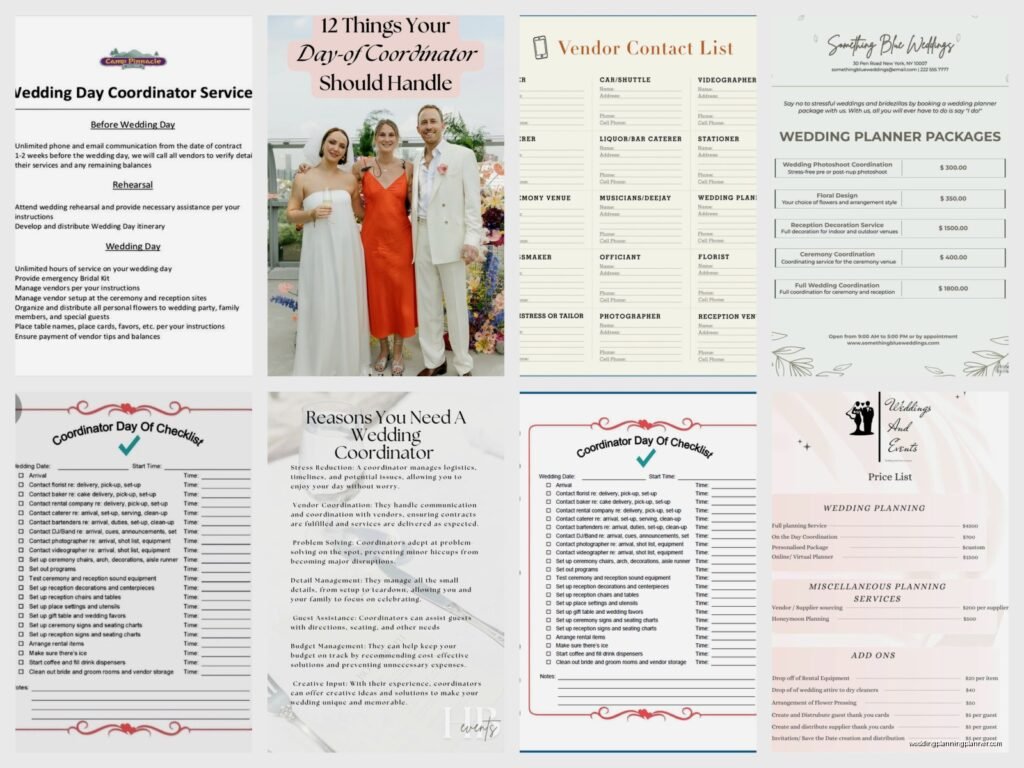
The average wedding coordinator will charge anywhere from $1,500 to $10,000+ depending on what level of service you’re getting. And I know that’s a huge range but stick with me because there’s actually a method to this madness. The pricing structure usually breaks down into three main categories: day-of coordination, partial planning, and full-service planning.
Day-Of Coordination (Month-Of Really)
This is the most basic service and it’s kinda misleading because no decent coordinator is actually just showing up on your wedding day. We’re usually involved for the last 4-6 weeks before the wedding. Day-of coordination typically runs between $1,500 and $3,000 in most markets.
What you’re paying for here is someone to create your timeline, communicate with all your vendors in the final weeks, run your rehearsal, and manage everything on the actual day. I remember this one wedding in summer 2021 where the couple kept insisting they only needed day-of help but then kept texting me questions about vendor contracts and… anyway, they ended up upgrading to partial planning because they realized they were in over their heads.
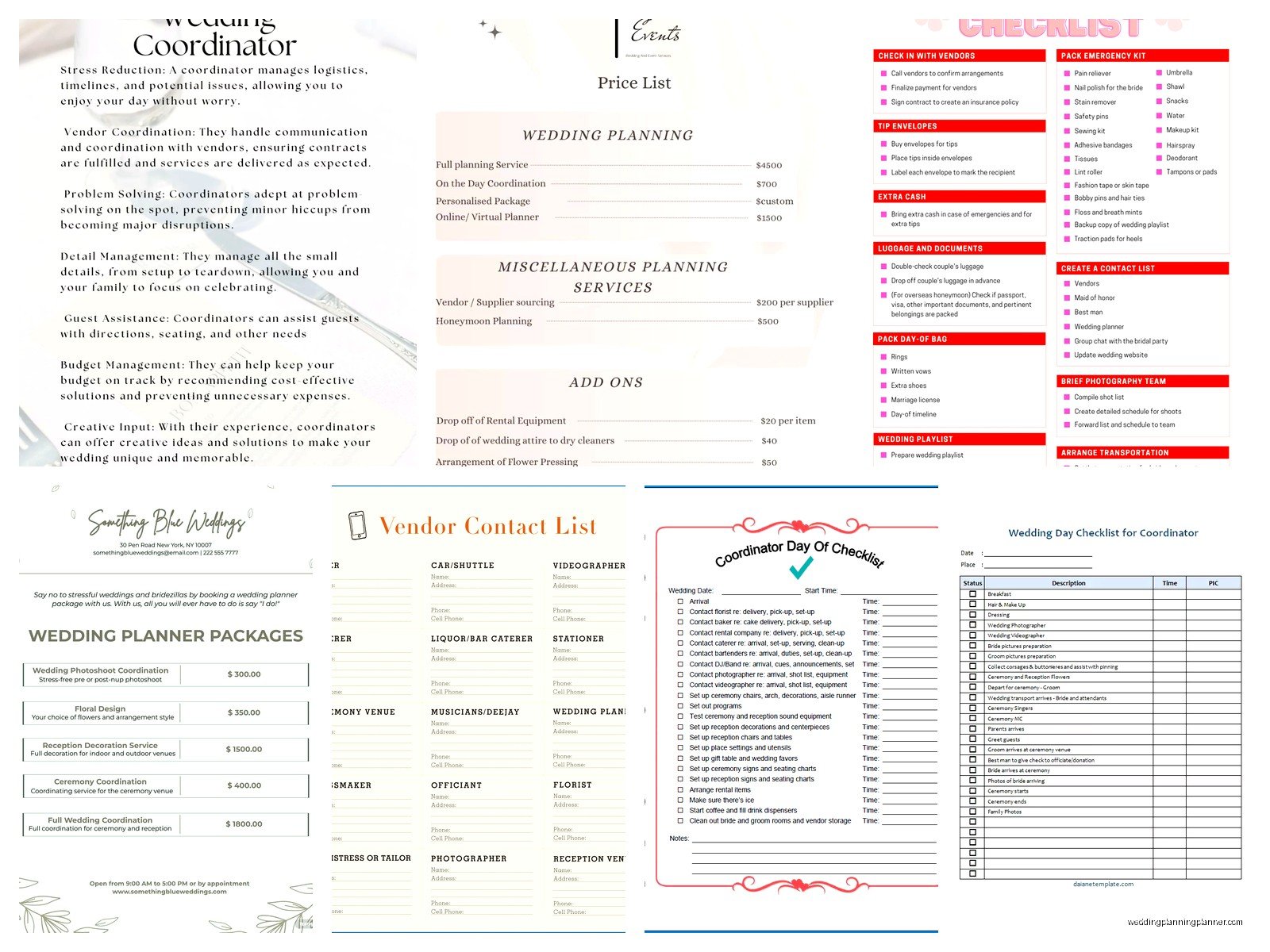
Here’s what’s typically included in day-of pricing:
- Initial planning meeting (usually 1-2 hours)
- Venue walkthrough before the wedding
- Detailed timeline creation
- Vendor confirmation calls
- Rehearsal management (usually 1-2 hours)
- Wedding day coordination (typically 8-12 hours)
- Setup supervision
- Managing vendor arrivals and setup
- Troubleshooting any issues that come up
Most coordinators charge more for longer events or if you need an assistant coordinator. Like if your wedding is going past midnight or you’re having events at multiple locations, expect to add $300-$800 for additional coverage or extra staff.
Partial Planning Services
This is where pricing gets really variable because partial planning means different things to different planners. Generally you’re looking at $3,000 to $6,000 for this service level.
Partial planning usually means I’m—or you’re hiring someone—coming in somewhere around 3-6 months before the wedding. You’ve probably already booked your major vendors (venue, photographer, caterer) but need help with everything else. Or maybe you booked vendors but have no idea how to actually coordinate them all or design the event.
What annoys me SO much about this category is when planners don’t clearly define what “partial” means in their packages. I’ve seen contracts that are super vague and then couples get surprised when certain services aren’t included. Always ask for specifics in writing.
Typical partial planning includes:
- Unlimited email communication (some planners limit this though)
- Monthly planning meetings
- Vendor recommendations for any categories you haven’t booked
- Review of vendor contracts
- Budget management and tracking
- Design consultation and mood board creation
- Floor plan and layout design
- RSVP tracking help
- Timeline creation
- All the day-of coordination stuff mentioned above
Some planners charge hourly for partial planning instead of a flat rate. Hourly rates typically run $75-$250 per hour depending on the planner’s experience and your location. In major cities like NYC or LA, you’re definitely gonna see rates at the higher end or above.
Full-Service Planning
This is the whole enchilada. Full-service wedding planning usually starts around $5,000 and can go up to $15,000 or even $50,000+ for luxury planners in expensive markets or for very elaborate weddings.
With full-service, the planner is with you from day one. You hire them before you’ve booked anything—sometimes before you’re even engaged officially or right after. They’re helping you find and book every single vendor, designing the entire event, managing your budget, dealing with family drama (okay that’s not always in the contract but it happens), and basically becoming your wedding project manager for 12-18 months.
I’ll be honest, full-service planning is exhausting. Spring 2023 I had three full-service clients at once and I was answering emails at 11pm about whether ivory or cream napkins would look better with blush bridesmaid dresses and my cat kept walking across my keyboard which… not helpful.
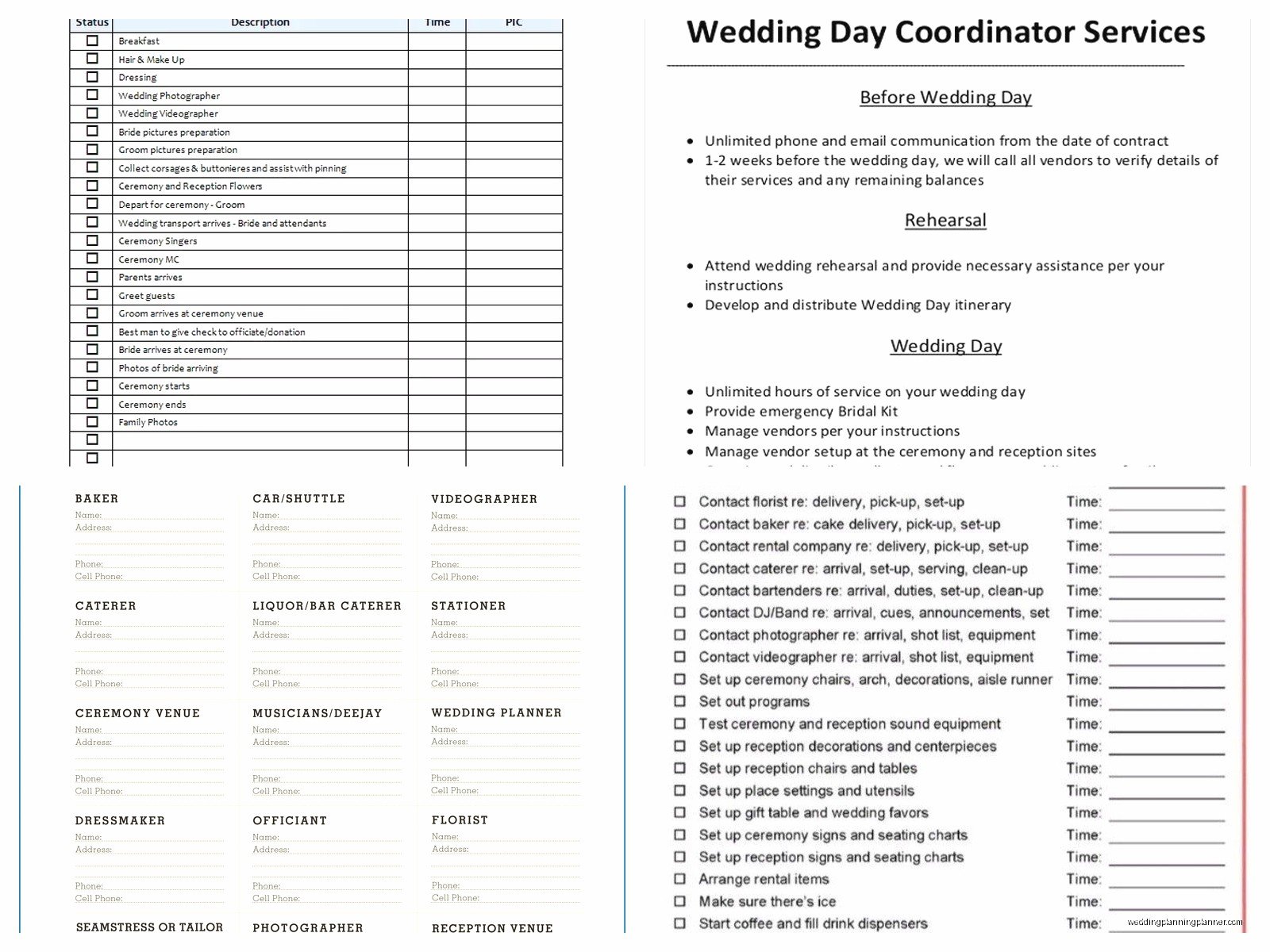
Full-service planning typically includes:
- Unlimited communication (phone, email, text within reasonable hours)
- Venue search and booking assistance
- Complete vendor sourcing and contract negotiation
- Budget creation and management throughout planning
- Detailed design concept development
- Attendance at vendor meetings (tastings, cake tastings, dress appointments if wanted)
- Complete stationery guidance (save the dates through thank you cards)
- Guest list management and RSVP tracking
- Seating chart creation
- Hotel room block assistance
- Rehearsal dinner planning (sometimes extra)
- Day-after brunch coordination (sometimes extra)
- Gift tracking and thank you card organization
- Everything included in day-of coordination
What Affects The Price
Location is huge. A wedding coordinator in rural Oklahoma is gonna charge way less than someone in Manhattan or San Francisco. That’s just reality. Cost of living affects what planners need to charge to make a living.
Experience matters too. A planner with 10+ years of experience and a portfolio full of gorgeous weddings can charge premium rates. Someone just starting out might charge $1,200 for day-of coordination to build their portfolio. Both can do a good job but the experienced planner brings knowledge that only comes from handling hundreds of weddings and knowing how to handle weird situations.
Guest count affects pricing because more guests means more complexity. A 50-person intimate wedding is way easier to coordinate than a 300-person extravaganza. Some planners have pricing tiers based on guest count.
Complexity of the event matters. Are you having a simple ceremony and reception at one venue? Or are you having a three-day destination wedding with welcome party, ceremony, reception, and farewell brunch all at different locations? The second one is gonna cost more.
Additional Costs and Add-Ons
Most coordinators charge extra for certain services beyond their package basics. Here’s what might cost extra:
- Additional planning hours beyond what’s included (usually $75-$250/hour)
- Assistant coordinators ($300-$800 each)
- Extra events like rehearsal dinners or day-after brunches ($500-$2,000 per event)
- Destination wedding travel expenses (flights, hotel, meals, transportation)
- Overtime on wedding day (usually $100-$200 per hour)
- Décor setup if that’s not included ($500-$1,500)
- Custom stationery design if they offer that service ($800-$3,000+)
Travel fees are totally standard if your wedding is outside the planner’s normal service area. I usually don’t charge travel for anything within 30 miles but beyond that you’re covering mileage or hotel stays if needed.
Pricing Structures
Most planners use one of these pricing models:
Flat Fee: This is the most common. You pay one set price for a defined package of services. Simple and straightforward. You know exactly what you’re paying upfront.
Percentage of Wedding Budget: Some planners (especially luxury planners) charge 10-20% of your total wedding budget. So if you’re spending $50,000 on your wedding, the planner might charge $7,500 (15%). This model is sorta controversial because it can create weird incentives but it’s common in high-end planning.
Hourly: Less common for full coordination but sometimes used for consulting or partial planning. You pay for actual hours worked. This can be risky because costs can add up fast and you might not know your final cost until it’s over.
Hybrid: Some planners do a base package fee plus hourly for anything beyond what’s included. Like $4,000 for partial planning plus $150/hour for additional meetings or services.
Payment Schedules
Most coordinators require a deposit to secure your date, usually 25-50% of the total fee. Then you’ll have payment milestones throughout the planning process. Common structure is:
- 25-50% deposit at contract signing
- 25% at 6 months before wedding
- Remaining balance 2-4 weeks before wedding
Some planners are flexible with payment plans, especially for full-service planning where you’re paying over many months. Never hurts to ask if you need a different payment schedule.
Questions To Ask About Pricing
When you’re meeting with coordinators, ask these specific questions so you don’t get surprised later:
- What exactly is included in this package price?
- How many hours of coverage on the wedding day?
- What happens if the wedding runs long?
- Are assistant coordinators included or extra?
- What’s your travel policy?
- Do you charge for rehearsal time separately?
- What’s not included that couples usually need?
- How do you handle contract changes if we want to add services?
- What’s your cancellation and refund policy?
Ways To Save Money
If coordinator costs are stretching your budget, here are some options that actually work:
Book a newer planner who’s building their portfolio. They’ll work just as hard and often bring fresh ideas. Just check references and maybe ask to shadow them at another wedding or see detailed examples of their timeline work.
Choose day-of coordination instead of full-service but be realistic about whether you actually have time to plan everything yourself. If you’re working 60-hour weeks, you might end up so stressed that the money saved isn’t worth it.
Hire a planner for consulting hours only. Pay for 5-10 hours of their time at key moments (right after engagement for vendor recommendations, midway through for design help, and a month before for timeline creation). This is way less than full planning but gives you expert guidance when you need it most.
Have a weekday wedding or off-season wedding. Some coordinators offer discounts for Friday weddings or winter dates because they’re easier to book.
Skip the extras you don’t need. Do you really need the coordinator at your dress fittings? Probably not. Be selective about what’s actually valuable to you.
Red Flags With Pricing
Watch out for these warning signs:
Prices that seem way too low for your area usually mean either the planner is brand new (which is fine if you know that) or they’re not going to deliver what you expect. A $800 day-of coordinator in a major city is probably not gonna show up with the experience and professionalism you want.
Vague contract language about what’s included. If the contract just says “partial planning services” without listing specifics, that’s a problem. Get details in writing.
No clear payment schedule or cancellation policy. Professional planners have clear contracts that outline everything.
Planners who won’t give you a price until they know your total budget—this can be okay with the percentage model but some planners use this to figure out how much they can charge you rather than pricing based on their actual services.
Is A Coordinator Worth The Cost
Look, I’m obviously biased but I’ve seen enough weddings go sideways without proper coordination to know the answer is usually yes. Even if you’re super organized and have planned events before, your wedding day is not the day you want to be texting vendors or figuring out why the cake hasn’t arrived yet or dealing with your drunk uncle who’s trying to give an unauthorized speech.
The coordinator cost is typically 5-10% of your total wedding budget which is significant but not outrageous considering they’re managing everything else you’re spending money on. Think of it as insurance that all your other investments actually come together properly.
That said if your budget is really tight and you’re having a very small simple wedding with minimal vendors, you might be fine handling it yourself with help from organized friends or family members. Just make sure whoever’s helping actually wants to do it and won’t be stuck working instead of enjoying your wedding.