
Planning Guides, Style Guide
Affordable Wedding Planner: Budget Coordinator Services

Sep
What Budget Coordination Actually Means
So budget coordination isn’t the same thing as full-service wedding planning, and I really need to say this upfront because like half my consultations start with couples who think they’re getting everything for $800. Budget coordination is basically when you hire someone (me, in this case) to help you track your wedding spending, prioritize where money goes, find affordable vendors, and keep you from spiraling into debt over centerpieces. You’re still doing most of the legwork—I’m just the person with the spreadsheet and the vendor connections who stops you from buying those $45 cocktail napkins with your initials embroidered in gold thread.
I remember this one couple in spring 2023 who came to me after they’d already spent $6,000 on a photographer before booking their venue. Not joking. They had like $12,000 total and half of it was gone before they had a place to actually get married. That’s when I realized some people genuinely don’t know where to start with budgeting, and honestly? It’s not taught anywhere, so I get it.
Why You’d Want This Service
Full-service planners usually charge anywhere from $2,500 to $10,000+ depending on your area and wedding size. Budget coordination runs more like $500 to $1,500 for the whole planning period, sometimes with monthly payment plans. You’re paying for:
- Someone to build and maintain your budget spreadsheet
- Vendor recommendations that actually fit your price range
- Contract review (this is huge—I’ve saved clients thousands by catching weird clauses)
- Timeline creation so you know when to book what
- Negotiation tips or sometimes I’ll negotiate directly if vendors allow it
- Reality checks when you’re about to spend $3,000 on a flower wall
The couples who benefit most are the ones who have a strict budget, are organized enough to execute tasks themselves, but need expert guidance on what to do and when. Like, you can totally email vendors yourself, but do you know which questions to ask? Probably not if this is your first wedding.
How Budget Coordination Works From My End
When someone hires me for budget coordination, we usually start with a 90-minute consultation. I ask about your total budget (be honest here, lying to your budget coordinator is like lying to your doctor—pointless), your guest count estimate, your priorities, and your non-negotiables. Some couples will die on the hill of live music. Others need the premium open bar or they’re not doing it. I need to know this stuff upfront.
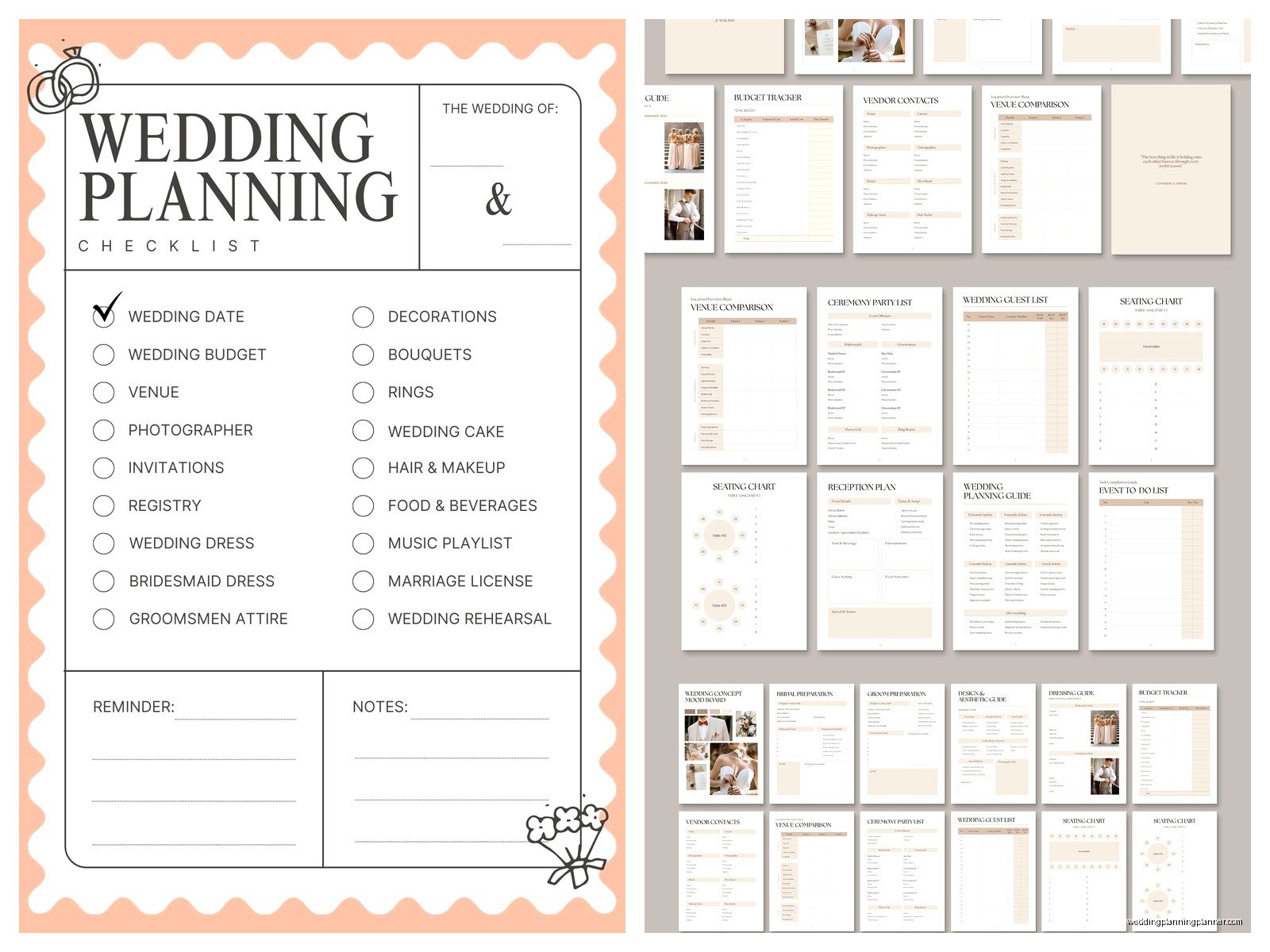
Then I build what I call the master budget breakdown. Standard percentages look something like:
- Venue + catering: 40-50%
- Photography: 10-15%
- Attire: 5-10%
- Flowers/decor: 8-10%
- Entertainment: 8-10%
- Stationery: 2-3%
- Misc (favors, transportation, tips, etc.): 10-15%
But these shift based on what you care about. If you’re a foodie couple, we might push catering to 55% and cut flowers down to 5%. There’s no perfect formula, which honestly used to annoy me when I was starting out because I wanted rules that applied to everyone… but weddings don’t work that way.
The Initial Budget Meeting Thing
After our first meeting, I send you the customized budget spreadsheet. I use Google Sheets because it’s collaborative and I can see when you’re updating stuff in real-time. The spreadsheet has tabs for each category, tracking columns for estimated cost vs actual cost, deposit amounts, payment due dates, and vendor contact info. Sounds basic but you’d be surprised how many people try to track a $20,000 wedding in their Notes app.
We schedule check-ins—usually every 3-4 weeks during the early planning stages, then every 2 weeks once you’re within 6 months of the date. These can be video calls, phone calls, or even just voice memos back and forth if you hate meetings like I do. Some of my clients prefer Marco Polo actually, which I thought was just for moms sharing recipes but turns out it works great for wedding planning.
Vendor Research and Recommendations
This is where I actually earn my fee. I’ve been doing this for 15 years, and I’ve got vendor lists for pretty much every budget level. When you tell me you need a florist who can do bouquets and centerpieces for 100 people at $1,200 total, I’m not gonna send you to the luxury florist who charges $800 per bridesmaid bouquet. I’ve got people.
I typically send 3-5 options per vendor category with notes about each one. Like “Sarah’s Blooms is great but she’s slow at email, expect 3-4 days for responses” or “Mike’s DJ service includes ceremony sound which saves you $200 versus hiring that separately.” The context matters as much as the price.
One thing that really annoys me is when couples take my vendor list and then ghost those vendors or negotiate badly and make me look unprofessional. I had this happen in summer 2021 where a couple demanded a 40% discount from a photographer I recommended, using my name like I’d approved that approach. The photographer called me directly, kinda irritated, and I had to do damage control. Now I’m very explicit in my contracts about professional communication expectations.
Contract Review Sessions
Before you sign anything, you send it to me. I’ve reviewed probably 2,000+ wedding vendor contracts at this point and I know what to look for:
- Cancellation and postponement policies (COVID made everyone better about this but some vendors still have terrible terms)
- What happens if the vendor can’t fulfill—do they find a replacement or just refund you?
- Overtime charges and when they kick in
- What’s actually included versus what costs extra
- Payment schedules and final payment deadlines
- Liability clauses and insurance requirements
I once caught a venue contract that required final payment 6 months before the wedding date with absolutely no refunds for any reason including vendor bankruptcy. Can you imagine? The couple would’ve been out $15,000 if that venue went under, which in this economy… yeah.
Tracking and Adjusting the Budget
Weddings never go exactly to budget. Something always costs more than expected, or you decide to add something you didn’t originally plan for, or—and this is common—your guest list grows. I think the average guest list increases by 15-20 people between initial planning and final headcount, and that affects everything from catering to rental costs to stationery.

My job is to help you make trade-offs. When you discover that your dream photographer is $1,000 over budget, we look at where else we can cut. Maybe you were planning on programs and menus at each place setting, but realistically? Most people leave those behind. That’s $200-300 saved right there. Or maybe we find a less expensive cake design, or you skip the cocktail hour passed appetizers and just do stationary displays.
I update the master budget whenever costs change and send you a status report. If you’re trending over budget, you hear about it immediately, not 2 months before the wedding when it’s too late to fix.
Timeline and Payment Reminders
I maintain a planning timeline that tells you what to book when. General rule is:
- 12+ months out: venue, photographer, videographer, wedding party asks
- 9-11 months: catering, music/DJ, florist, dress shopping
- 6-8 months: invitations, cake, rentals, officiant
- 3-5 months: finalizing details, backup vendors, marriage license research
- 1-2 months: final payments, final headcount, day-of timeline
But this shifts based on your specific wedding date and location. Peak season in a major city? You’re booking venues 18 months out minimum. Winter wedding in a small town? You’ve got more flexibility.
I also set up automatic reminders for when vendor deposits and payments are due. Miss a payment deadline and you might lose your photographer to another couple, or get hit with late fees. My calendar system sends you reminders 2 weeks before, 1 week before, and 2 days before any payment is due.
Money-Saving Strategies I Actually Use
There’s a lot of generic advice out there about saving money on weddings—have a brunch wedding, get married on a Friday, make your own centerpieces—but some of that advice is either outdated or creates more problems than it solves. Here’s what actually works:
Off-peak dates and times: Sunday weddings or Friday evening weddings can save 20-30% on venue and vendor costs. Brunch and lunch receptions cost less than dinner because the food is cheaper and people drink less (usually).
Weekday vendor calls: I tell couples to call vendors on Tuesday or Wednesday mornings when they’re less busy and more likely to negotiate or offer package deals.
Digital invitations for some guests: Controversial maybe, but for out-of-town guests who you know won’t come, digital save-the-dates and invitations save $3-5 per person. For 50 long-distance guests, that’s $150-250 saved.
Seasonal flowers: Using what’s in season in your region can cut floral costs by 30-40%. Peonies in December? Expensive and probably imported. Dahlias in September? Gorgeous and affordable.
Vendor meals vs. vendor packages: Some vendors require you to feed them the same meal as guests ($75+ per vendor). Others are fine with vendor meals (basically the kitchen staff meal, runs $15-20). Always ask which they require because for 5 vendors, that’s a $250+ difference.
Buffet or family-style vs. plated: Plated dinners require more staff, which increases catering costs. Buffet or family-style can save $10-15 per person, which for 100 guests is $1,000-1,500.
My cat just knocked over my coffee while I’m writing this, so if there are typos… that’s why. Anyway.
What Budget Coordination Doesn’t Include
I’m not your day-of coordinator. That’s a separate service and honestly, you probably need one, but it’s not part of budget coordination. I’m also not designing your wedding—I’m not picking your color palette or telling you what style of invitation to get. I’ll give opinions if you ask, but the creative vision is yours.
I’m not making phone calls to every vendor on your behalf or attending all your meetings. You’re doing the legwork; I’m providing the roadmap and checking your work. Some budget coordinators offer more hands-on service for a higher fee, but the basic package is advisory.
I’m also not a therapist, though sometimes it feels like it when family drama starts affecting budget decisions. I can listen and offer practical solutions, but like… if your mom is insisting on inviting 40 extra people and offering to pay for them, then the budget conversation is really a family boundary conversation, and that’s above my pay grade.
Finding an Affordable Budget Coordinator
Not every planner offers this service specifically, so you gotta search for terms like “budget coordination,” “planning consultation,” “a la carte planning,” or “partial planning.” Some planners who primarily do full-service will offer budget coordination as a standalone.
Questions to ask when interviewing:
- What exactly is included in your budget coordination package?
- How many check-ins do we get and in what format?
- Do you provide vendor recommendations and how many per category?
- What happens if we go over budget—do you help us rebalance?
- Do you review contracts and if so, how many?
- What tools do you use for budget tracking?
- Are there any additional fees I should know about?
Some coordinators charge hourly after a certain number of consulting hours, so clarify that upfront. You don’t want surprise bills.
DIY Budget Coordination If You Can’t Afford Help
Look, I get it. Sometimes you can’t even afford the $500 for budget coordination. If that’s your situation, you can do a modified version yourself:
Set up a detailed spreadsheet with every possible wedding expense category. Google “wedding budget categories” and you’ll find templates. Track estimated costs, actual costs, deposits paid, and balance due for every single item.
Join local wedding Facebook groups and ask for vendor recommendations in your price range. People love sharing their experiences, and you’ll get honest feedback about who’s affordable and reliable.
Read every contract thoroughly before signing. If you don’t understand something, ask the vendor to explain it or post in a wedding forum. There are lawyers who hang out in those groups and sometimes answer questions for free because they’re nice or bored.
Build your own timeline using free resources. Most wedding websites have planning checklists you can customize. Set phone reminders for important deadlines.
The biggest thing you lose by not hiring someone is the vendor connections and the experience of having done this 100+ times before. You might book vendors in the wrong order or miss opportunities to negotiate, but you can still have a beautiful wedding on budget if you’re organized and willing to do research.
When to Splurge on Full Planning Instead
If your budget is over $40,000, you’re having more than 150 guests, or you’re planning a wedding in a city where you don’t live, budget coordination might not be enough. You probably need month-of coordination at minimum, or even full-service planning. The complexity just gets too high, and the risk of something going wrong increases.
Also if you’re the type of person who gets overwhelmed easily or has severe anxiety about planning, the extra money for full service might be worth it for your mental health. I always tell people that your budget should include a line item for “sanity preservation” because a cheap wedding that makes you miserable for 12 months isn’t actually a good deal.
Payment Plans and Negotiating
Most budget coordinators will do payment plans because we understand you’re trying to save money—that’s literally why you’re hiring us instead of a full-service planner. I typically split my fee into 3-4 payments over the planning period. Some coordinators want 50% upfront and 50% 30 days before the wedding.
You can sometimes negotiate the scope of services. Maybe you only need help with the first 6 months of planning and you’ll take it from there. Or maybe you just want contract review and vendor recommendations without the ongoing check-ins. A good coordinator will work with you to customize something that fits your budget, which feels very meta—customizing the budget coordination to fit your budget for budget coordination.
