
Planning Guides, Style Guide
Best Day Ever Wedding Planner: Professional Services Guide
Oct
What Even Is a “Best Day Ever” Wedding Planner Anyway
So you’re looking into professional wedding planning services and keep seeing this phrase “Best Day Ever Wedding Planner” thrown around everywhere. It’s basically become shorthand for full-service wedding coordination that promises to handle literally everything so couples don’t lose their minds during the planning process. I’ve been doing this for almost two decades now and honestly the terminology has shifted so much that sometimes even I have to stop and clarify what people actually mean when they contact me.
The whole “Best Day Ever” branding thing kinda took off around 2018-2019 when Instagram wedding culture was at its peak and everyone wanted that picture-perfect celebration without the stress. It’s not really an official designation or anything, more like a marketing approach that emphasizes the experience and emotion rather than just the logistics. But here’s the thing – behind that cheerful branding, there’s actually a pretty specific set of services that these planners offer.
Full Service Planning vs Partial vs Day-Of Coordination
Okay so first you gotta understand the different levels because not all wedding planners offer the same thing and this confuses people constantly. Full service planning means I’m there from the moment you get engaged (or close to it) all the way through your honeymoon send-off. We’re talking 12-18 months of working together usually.
This includes:
- Budget creation and management – like actually tracking every single expense in a spreadsheet that I update weekly
- Venue research and site visits with you
- Vendor recommendations and contract negotiations
- Complete design conceptualization including color palettes, stationery coordination, floral designs
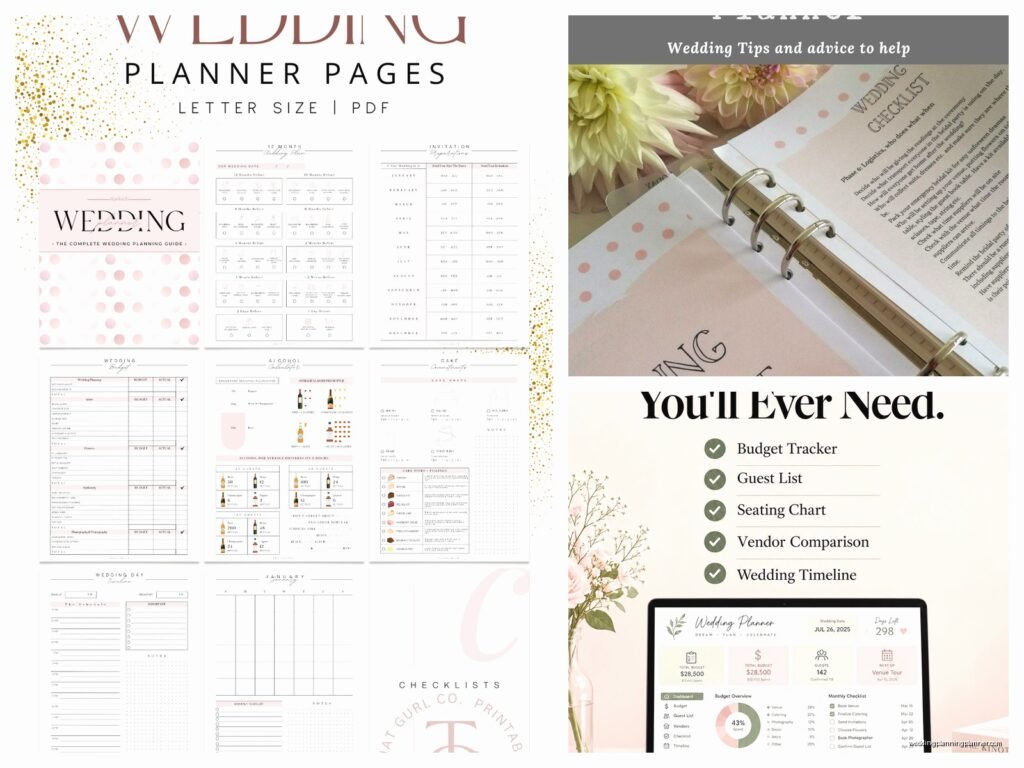
- Timeline creation for the entire planning process AND the wedding day itself
- Guest list management and RSVP tracking
- Rehearsal coordination
- Day-of execution with a team
Partial planning is when couples have already booked some vendors (usually venue and maybe photographer) but need help with everything else. This is actually my most popular package because people start planning on their own, get overwhelmed around month 3, then call me in a panic.
Day-of coordination is… well it’s really more like month-of coordination because nah, I can’t just show up on your wedding day and magically make everything work. I need at least 4-6 weeks to review all your contracts, create timelines, confirm details with every vendor, and do a final walkthrough. Anyone who says they can do true “day-of” coordination is either lying or gonna give you a very stressful experience.
The Actual Services Breakdown
Let me get into the nitty-gritty of what I actually DO during full-service planning because this is where the value really shows up.
Vendor Management
This is probably 40% of my job honestly. I maintain relationships with hundreds of vendors – caterers, florists, photographers, videographers, DJs, bands, officiants, hair and makeup artists, rental companies, transportation services, the list goes on. When you hire me, you’re getting access to my entire network plus my knowledge of who’s actually good versus who just has pretty Instagram photos.
I’ll send you a curated list of vendors that fit your style and budget, then coordinate all the meetings. I review every single contract before you sign it because back in summer 2021 I had a client who almost signed with a photographer whose cancellation clause was INSANE – basically if they cancelled for any reason up to 30 days before the wedding, they’d only refund 50% of what was paid. That would’ve been a $3,500 loss. These contracts are written in the vendor’s favor always, so having someone who reads them professionally is huge.
I also handle all the communication as the wedding gets closer. You know how many emails go back and forth about a single wedding? Between 200-400 on average. That’s emails you don’t have to write while you’re at your actual job or trying to have a life.
Design and Styling
This is the fun part but also where things can go off the rails quickly if you don’t have a clear vision. I help you figure out what you actually want versus what you’ve been pinning on Pinterest for three years that doesn’t actually go together at all.
We’ll do mood boards, color story development, and then I translate that into actual actionable items – what linens, what chair styles, what centerpiece designs, what invitation suite, what signage. The stationery piece is especially important to me since that’s one of my specializations. Your invitations set the tone for the entire event and I’ve seen so many couples just order something from a template site that doesn’t match their wedding vibe at all.
I work with graphic designers and calligraphers regularly to create custom suites. We’re talking save the dates, invitations, RSVP cards, detail cards, programs, menus, place cards, table numbers, welcome signs, seating charts… it’s a whole ecosystem of paper goods that needs to feel cohesive.
Budget Management
Ugh this is the part that everyone hates but it’s SO important. I create a master budget spreadsheet at our first meeting and update it constantly. Every payment, every deposit, every final balance – it’s all tracked. I also build in a 10-15% buffer for unexpected costs because trust me, there are ALWAYS unexpected costs.
What really annoys me is when couples come to me with completely unrealistic expectations about what things cost. Like they’ll say “we want a wedding for 150 people and our budget is $15,000” and I have to break it to them that in most markets that’s about $100 per person which gets you… basically a backyard BBQ situation, not the ballroom reception with uplighting and a live band that they’ve been envisioning. I’m not trying to be mean, I’m just realistic about pricing, and I wish wedding media would be more honest about what things actually cost instead of featuring $80K weddings and calling them “budget-friendly.”
Timeline Creation
There are actually two timelines I create – the planning timeline and the wedding day timeline. The planning timeline maps out every task from now until the wedding with specific deadlines. Like “book photographer by [date]” or “order invitations by [date]” or “finalize menu selections by [date].” This keeps everyone on track and prevents that awful last-minute scramble.
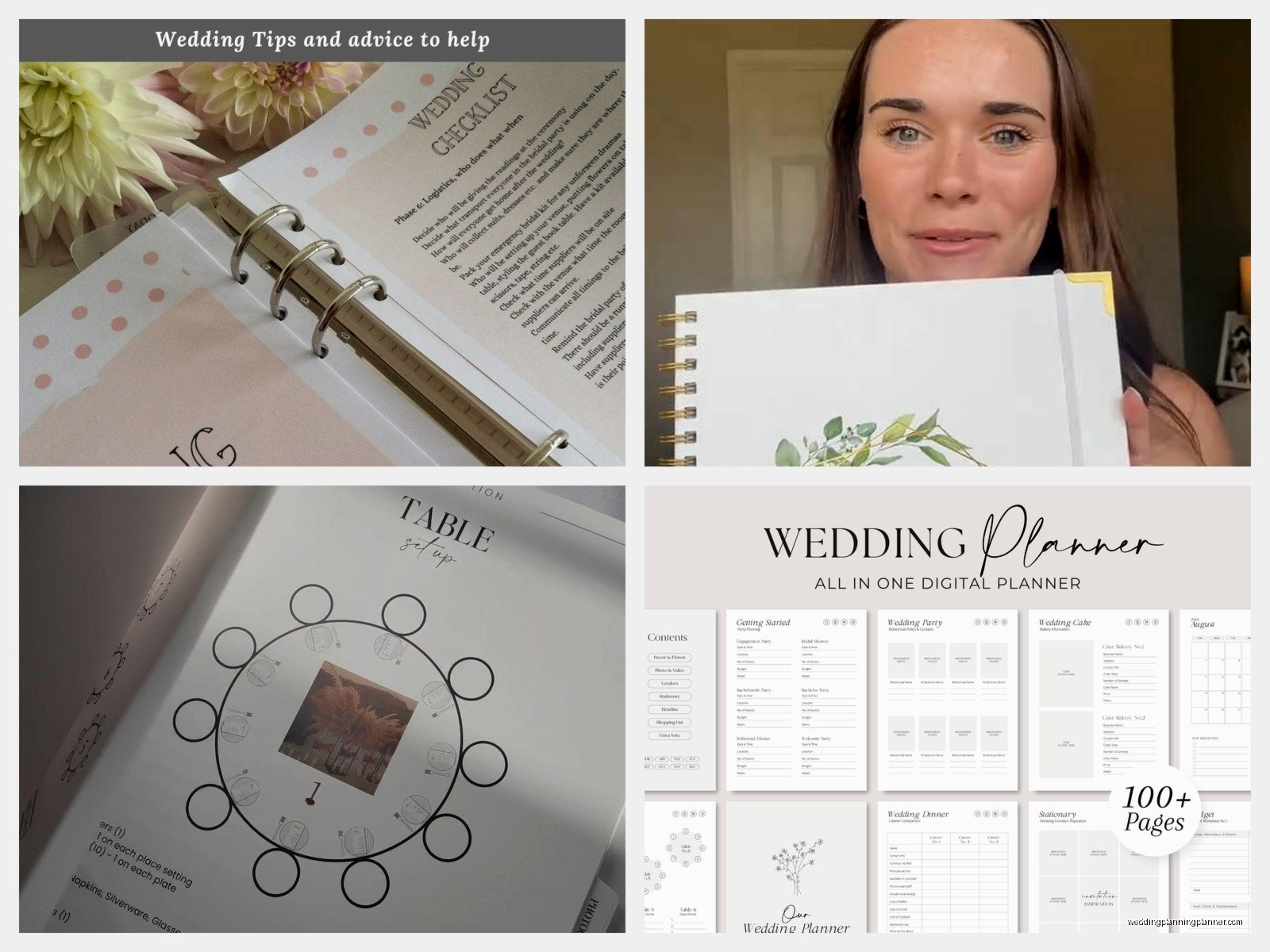
The wedding day timeline is a minute-by-minute schedule for everyone involved – the couple, the wedding party, parents, vendors, venue staff. I typically do a version for the couple that’s simplified and then a detailed vendor version that includes stuff like “florist arrival 8am, ceremony arrangements installed by 9:30am, cocktail hour arrangements installed by 2pm” etc.
Getting the wedding day timeline right is honestly an art form because you have to account for traffic, for photos taking longer than expected, for Aunt Susan who’s definitely gonna be late, for the fact that getting 8 bridesmaids organized for a photo takes 10 minutes not 2 minutes… there’s so much human behavior psychology involved.
What Happens During the Planning Process
So typically here’s how the months unfold when you hire me for full service planning. Right after you book me, we have an initial consultation that’s like 2-3 hours where we go DEEP into your vision, your must-haves, your absolutely-nots, your family dynamics (this matters more than you’d think), and your budget reality.
Months 1-3 are all about the big stuff – venue, catering, photographer, videographer if you want one. These are your major expenses and they book up fast, especially if you’re planning a wedding during peak season. I remember this one couple in spring 2023 who waited too long to book their photographer and their first choice was already booked, second choice was booked, third choice was booked… we ended up with their seventh choice and while the photos turned out fine, there was definitely some regret there.
Months 4-8 are for filling in all the middle pieces. Florist, DJ or band, hair and makeup, transportation, rentals if needed, officiant, and starting the stationery process. This is also when we nail down the design details and start shopping for decor items if you’re doing any DIY elements (which I usually try to talk couples out of because DIY sounds fun until you’re hot-gluing 200 things at 11pm two nights before your wedding).
Months 9-11 are refinement time. Menu tastings, final design decisions, creating the floor plan and seating chart, ordering any remaining rentals, confirming all the details with vendors. This is also when I start the wedding day timeline in earnest.
The final month is just confirming everything and putting out little fires. There are always little fires. Someone drops out of the wedding party, a vendor has a question, the couple changes their mind about something… it’s fine, this is why you hired me, I handle it.
Day-Of Coordination Specifics
On the actual wedding day, I typically arrive 2-3 hours before guests start arriving (even earlier if it’s a complex setup). My team and I – because yes, you need a team, I can’t be in five places at once – handle everything.
We’re directing vendors, doing setup and styling, managing the timeline, cueing people for the ceremony, handling any emergencies (lost rings, wardrobe malfunctions, drunk uncle situations, missing centerpieces, you name it), keeping everything on schedule, making sure the couple actually eats something, coordinating the grand exit, and then doing breakdown at the end of the night.
I’ve got a kit in my car that weighs about 40 pounds and includes everything from safety pins to superglue to a sewing kit to stain remover to breath mints to phone chargers to scissors to tape to… the list is endless. My cat actually knocked over this kit once while I was repacking it after a wedding and there were bobby pins scattered across my living room for weeks.
The goal is that the couple and their families don’t have to worry about a single logistical thing. They’re just present and enjoying the celebration while I’m in the background making sure it all happens seamlessly.
How to Choose the Right Planner
Okay so if you’re gonna hire a professional wedding planner, here’s what to look for. First, check their portfolio and make sure their aesthetic matches yours. If you want a rustic barn wedding and their entire portfolio is modern minimalist ballroom receptions, maybe not the best fit.
Ask about their planning process specifically. How often do you meet? How do they communicate between meetings? What does their timeline look like? Do they have backup plans for emergencies?
Get clear on what’s included in their packages. Some planners charge per hour, some have flat fees, some do percentage of total wedding budget (I personally hate this model because it incentivizes planners to push couples toward more expensive options). Make sure you understand what’s included – how many meetings, how many site visits, do they attend vendor meetings with you, what’s their day-of team size, how many hours of coverage on the wedding day.
Check references obviously. But also trust your gut feeling when you meet with them because you’re gonna be working with this person for months and if the vibe is off in the first meeting, it’s not gonna improve.
Red Flags to Watch For
If a planner guarantees everything will be perfect, that’s actually a red flag because things go wrong at literally every single wedding and what matters is how they handle problems, not preventing every possible issue. If they’re not asking you detailed questions about your priorities and budget, that’s concerning. If they’re pushing specific vendors really hard without giving you options, they might be getting kickbacks (which isn’t always bad but should be disclosed).
Also watch out for planners who are like “oh I can totally do your 200-person wedding even though I’ve only done 50-person weddings before” because scale matters a LOT in wedding planning. The logistics of a 50-person wedding versus a 200-person wedding are completely different.
Pricing Reality Check
Let’s talk money because people always want to know what this actually costs. Full-service wedding planning typically runs $3,000-$10,000+ depending on your location, the planner’s experience level, and the complexity of your wedding. In major cities like New York or LA, you’re looking at $8,000-$15,000 easily for experienced planners.
Partial planning usually runs $2,000-$6,000. Month-of coordination is typically $1,500-$3,500. These are broad ranges and there are planners outside these ranges on both ends, but this gives you a ballpark.
Is it worth it? I mean obviously I’m biased but honestly yes, especially for full-service planning. The amount of time, stress, and potential money mistakes I save couples is significant. I have vendor relationships that get you better pricing, I know how to negotiate contracts, I catch errors before they become expensive problems, and I free up literally hundreds of hours of your time.
One couple I worked with tried to plan their wedding themselves for about 4 months, got completely overwhelmed and stressed (like fighting-about-napkin-colors level stressed), then hired me. The husband later told me that hiring me saved their relationship during that engagement period because they were able to actually enjoy being engaged instead of drowning in wedding logistics, and honestly that made me feel really good about what I do even though it sounds sorta cheesy.
The Stationery Component
Since I specialize in stationery consultation too, let me touch on this because it’s often overlooked in the planning process. Your paper goods are one of the first physical impressions guests have of your wedding, and they set expectations for formality level, style, and tone.
I typically recommend starting the stationery process 6-8 months before the wedding. Save-the-dates go out 6-8 months before (or earlier for destination weddings), invitations go out 8-10 weeks before, and then you have all the day-of paper items.
Working with a professional designer versus using a template makes a HUGE difference. Custom stationery can incorporate your wedding colors, venue illustrations, custom monograms, letterpress printing, unique paper textures… it becomes this beautiful cohesive element that ties into your overall design.
But also like, if your budget is tight, there are ways to do semi-custom stationery that looks elevated without breaking the bank. I work with designers who can customize templates in ways that don’t feel template-y, and we can splurge on certain items (like the invitation itself) while keeping other pieces simpler (like RSVP cards or detail cards).
Common Misconceptions
People think wedding planners are just for super wealthy people or huge weddings, but that’s not true anymore. The industry has diversified a lot and there are planners at different price points serving different markets. You can absolutely find professional planning services for moderate budgets and smaller weddings.
Another misconception is that hiring a planner means you lose control of your wedding vision. Actually it’s the opposite – I’m here to execute YOUR vision, not impose mine. Sure, I’ll give professional advice and recommendations, but ultimately every decision is yours. I just make those decisions happen logistically.
Some people think they can just hire a friend or family member to coordinate day-of and it’ll be fine. And sometimes it is fine, but often it means that person can’t actually enjoy the wedding because they’re working, and also they don’t have the vendor relationships and problem-solving experience that a professional has, so when something goes wrong (and something always goes wrong), they might not know how to fix it quickly.
Oh and the idea that wedding planners are all super Type A perfectionist control freaks who will freak out over tiny details… I mean some are, but most of us are actually pretty chill and flexible because we have to be. Weddings require the ability to roll with changes and solve problems creatively in real-time, so being too rigid doesn’t work in this industry.
What to Prepare Before Meeting with Planners
If you’re starting to meet with potential wedding planners, come prepared with some basic information. Know your approximate budget (even if it’s a range), your guest count estimate, your wedding date or at least your ideal timeframe and flexibility, your venue if you’ve booked one already, and any must-have elements or strong preferences.
It’s also helpful to have some inspiration images but like don’t show up with 400 Pinterest pins because that’s overwhelming and often contradictory. Pick your top 10-15 favorites that really capture the vibe you want.
Be honest about your budget from the start. I can work with almost any budget as long as expectations are calibrated accordingly, but I can’t perform miracles if you want a luxury wedding on a courthouse budget… well actually you can have a beautiful courthouse wedding but you know what I mean, if the expectations don’t match the resources, that’s a problem.
Also be prepared to talk about family dynamics because this matters more than you’d think. If your parents are contributing financially, are they expecting input on decisions? Are there divorced parents who can’t be in the same room? Cultural or religious requirements? Guest list drama? This stuff impacts planning and I need to know upfront.
