
Planning Guides, Style Guide
Free Wedding Contract Template: Vendor Agreement Downloads
Jul
Why You Actually Need a Wedding Vendor Contract
So here’s the thing about wedding vendor contracts – and I learned this the hard way back in summer 2021 when a florist just… didn’t show up to a wedding and we had zero recourse because the bride had paid her in cash with nothing in writing. The bride was sobbing in the bridal suite and I was scrambling to send my assistant to literally buy out the floral section at Trader Joe’s. Not my finest moment as a planner, but it taught me that contracts aren’t just paperwork, they’re your safety net when everything goes sideways.
You need a contract with every single vendor. Photographer, caterer, DJ, the person making your cake, the rental company, literally everyone who’s providing a service for your wedding. And yeah, I know it feels awkward asking your cousin who’s doing your makeup or your friend’s band to sign something official, but trust me on this.
What Should Actually Be In a Vendor Contract
Alright so the basic stuff that needs to be in every vendor agreement:
- Names and contact info for both parties (seems obvious but you’d be surprised)
- Date, time, and location of the wedding
- Specific services being provided – and I mean SPECIFIC, not just “photography services” but like “8 hours of coverage, two photographers, engagement session, online gallery with 500+ edited images”
- Total cost broken down by item or service
- Payment schedule with dates and amounts
- Cancellation and refund policy
- What happens if the vendor cancels or doesn’t show up
- Liability and insurance information
- Signatures and dates
The part that annoys me SO much is when vendors send over these super vague contracts that basically just say “wedding services: $3000” and nothing else. Like what does that even mean?? What are you actually getting for that money? How many hours? What’s included? It drives me crazy because then couples come to me confused about what they actually purchased.
The Payment Schedule Section
This is where things get real. Most vendors are gonna ask for a deposit to book your date – usually anywhere from 25% to 50% of the total cost. Then there’s typically another payment halfway through (like a few months before the wedding) and the final payment is usually due 1-2 weeks before the event.
Make sure the contract specifies what happens if you’re late on a payment. Some vendors will cancel your services, others charge late fees. You need to know this upfront. And on the flip side, the contract should say when YOU get your deposit back if the vendor cancels on you.
I had this situation in spring 2023 where a videographer cancelled six weeks before a wedding (his equipment got stolen, whole thing was a mess) and because the contract was solid, the couple got their full deposit back within 10 days. Without that contract language? Who knows how long that would’ve taken or if they would’ve gotten anything back at all.
Where to Find Free Wedding Vendor Contract Templates
Okay so you’re probably thinking “great Olivia, but I don’t wanna pay a lawyer $500 to draft a contract” and I totally get it. There are actually some decent free templates out there, you just gotta know where to look.
Template Sources That Don’t Suck
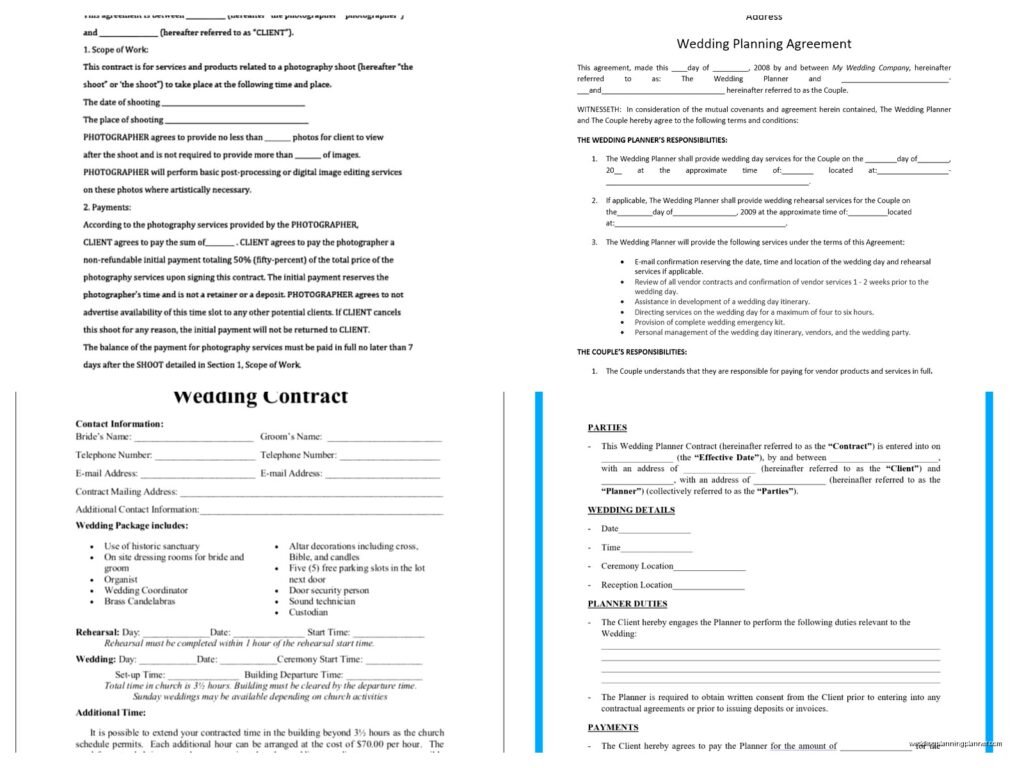
LawDepot has a free wedding vendor contract template that’s pretty comprehensive. You can customize it for different vendor types. They’ll try to upsell you on their paid service but you can just use the free version and download it as a PDF.
Rocket Lawyer offers a free trial where you can download contract templates. Just remember to cancel before they charge you if you only need the one template. Their vendor agreement template is solid and covers most of the important stuff.
PandaDoc has some free contract templates including vendor agreements. The interface is kinda clunky but the actual content is good. You can edit it online and send it electronically for signatures which is actually super convenient.
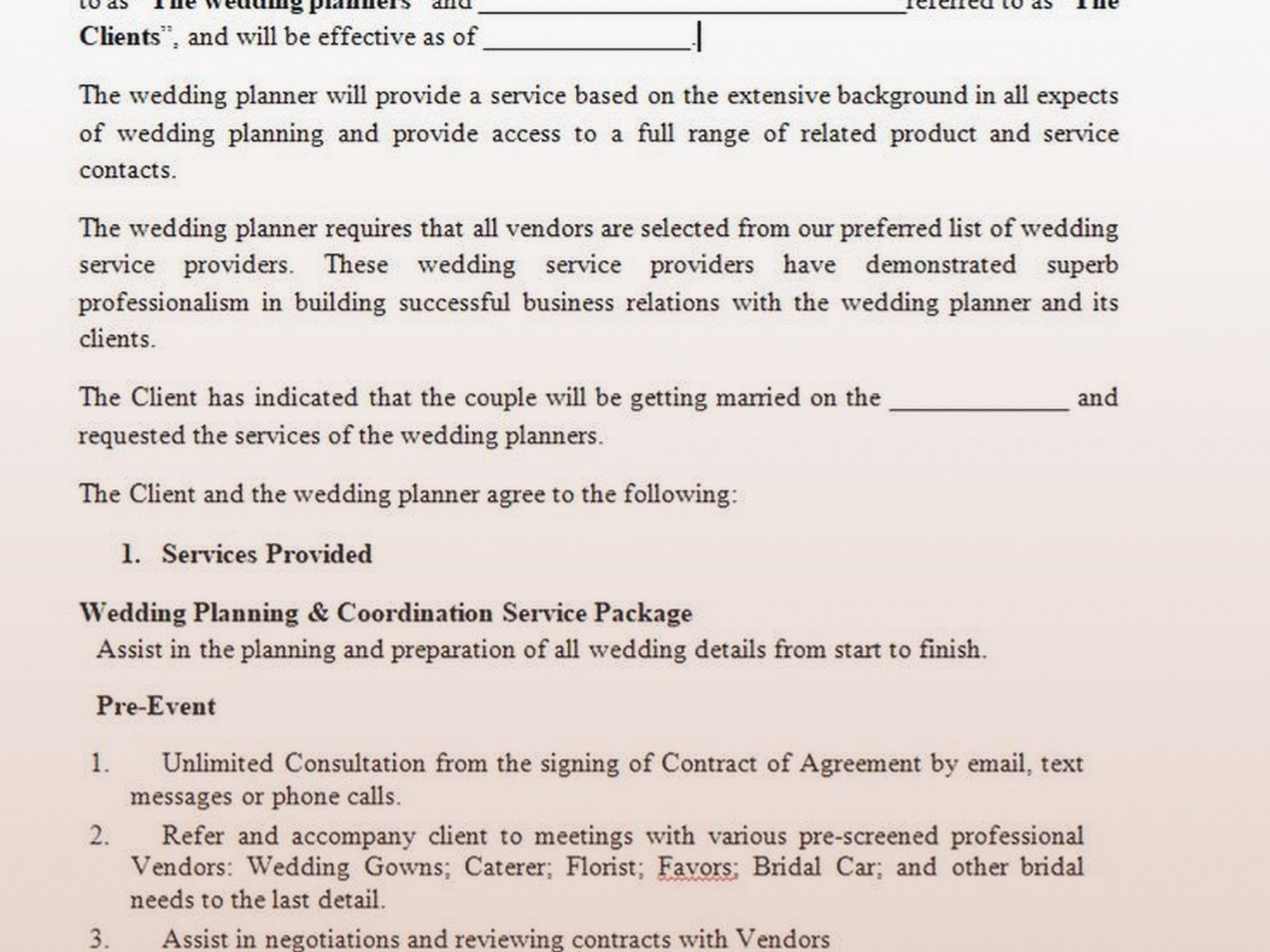
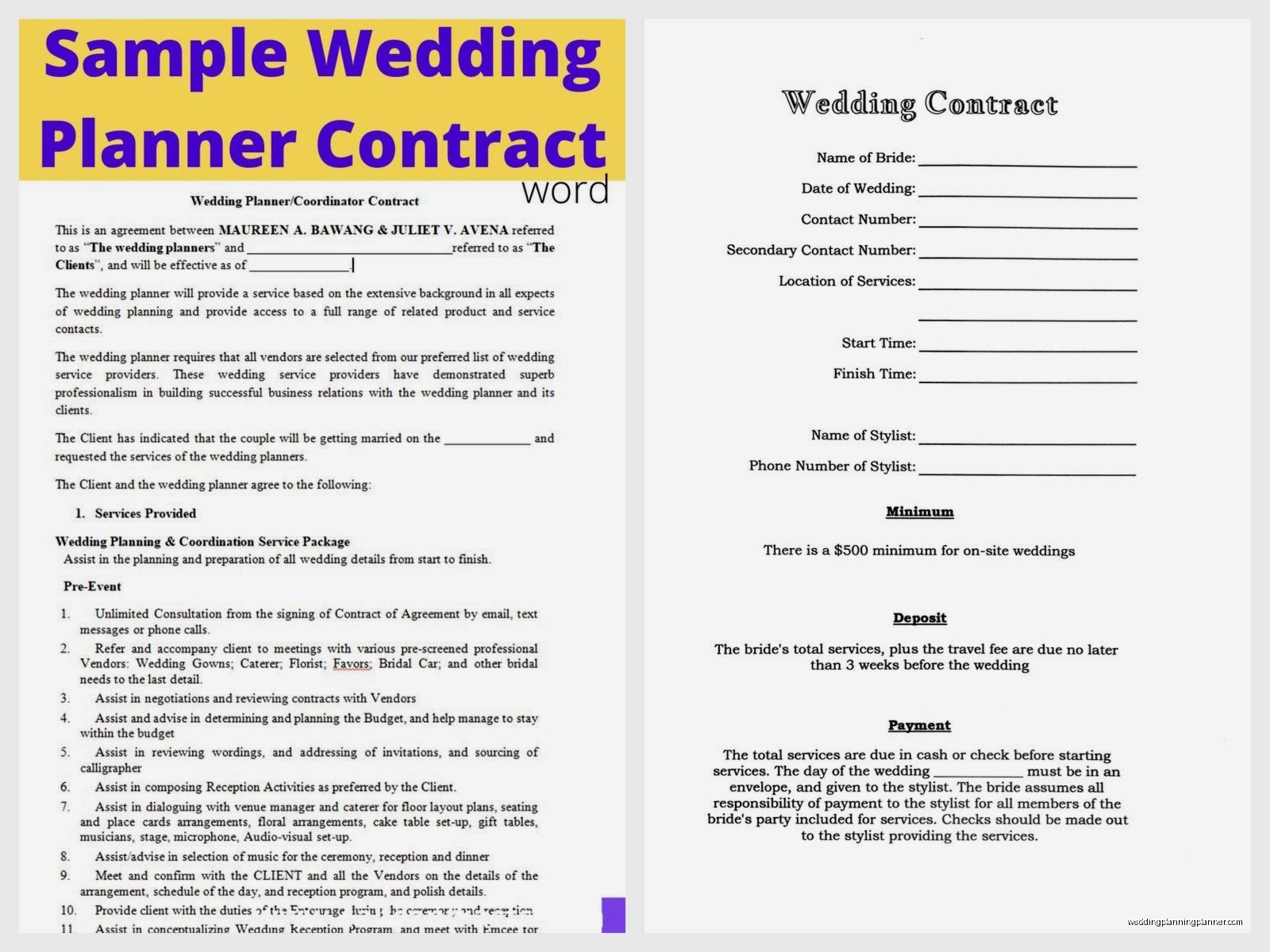
TemplateLab has like dozens of free wedding vendor contract templates. The quality varies but you can usually find something that works for your specific vendor type. They have separate templates for photographers, caterers, DJs, etc.
Wonder.Legal lets you create a customized contract by answering questions about your specific situation. It’s free for basic contracts and the questions help you think through what you actually need to include.
Industry-Specific Templates
Some professional organizations offer free templates to the public. Like the Professional Photographers of America has sample contracts (though the best ones are for members only). The American Rental Association has rental agreement templates. These are usually more thorough because they’re made by people who actually work in those industries.
Customizing Templates For Your Situation
Here’s where people mess up – they download a template and just fill in the blanks without actually reading it or thinking about whether it applies to their situation. You need to actually read through the whole thing and modify it.
For example, if you’re hiring a DJ, you probably want to include stuff about:
- What happens if their equipment fails
- Whether they’re bringing backup equipment
- How song requests are handled
- What they’re wearing (I’ve seen DJs show up in cargo shorts and it was… a choice)
- Setup and breakdown times
- Power requirements and who’s providing what
But if you’re hiring a florist, those things don’t really matter. Instead you need:
- Specific flower types and colors
- Delivery and setup time
- What happens if certain flowers aren’t available
- Whether you get to keep the arrangements after
- Vessel/vase return policy if they’re renting you containers
See what I mean? The template is just a starting point.
Red Flags in Vendor Contracts
Okay so sometimes you’ll get a contract from a vendor and something just feels… off. Here are things that should make you pause:
No cancellation policy – Every contract needs to spell out what happens if either party cancels. If it’s not there, that’s a problem.
Vague service descriptions – “Photography package” tells you nothing. You need specifics.
No timeline for deliverables – When do you get your photos? Your video? Your custom invitations? It should be in writing.
Weird payment terms – Like if they want the full amount upfront before they’ve done anything, that’s sketchy. Some deposit is normal, full payment in advance is not.
No insurance or liability clause – Professional vendors should have liability insurance. The contract should mention this.
Subcontracting without notice – Some contracts say the vendor can send someone else to do the work without telling you. Umm, no thanks? If you hired a specific photographer, you want that photographer, not some random person they subcontract to.
The Force Majeure Clause Thing
After 2020, every vendor contract now has this force majeure clause (fancy term for “act of God” stuff). It basically says what happens if there’s a pandemic, natural disaster, government shutdown, etc. that makes the wedding impossible.
Read this section CAREFULLY. Some vendors will keep your deposit even if a hurricane cancels your wedding. Others will let you reschedule or give you a refund. There’s no standard, so you need to know what you’re agreeing to. This became such a huge issue during COVID when couples were fighting with vendors about deposits and it was just… messy. So many tears and angry phone calls.
Getting Vendors to Actually Sign the Contract
So you’ve got your contract ready, now you need to get the vendor to sign it. Most professional vendors are totally used to this and will sign without any fuss. But sometimes you’ll run into resistance, especially with smaller vendors or people who are doing weddings as a side thing.
If a vendor refuses to sign a contract, that’s a red flag the size of Texas. Like why wouldn’t they want to put your agreement in writing? What are they trying to avoid being held accountable for? I would seriously reconsider hiring anyone who won’t sign a basic contract.
Sometimes vendors will want to use their own contract instead of yours, which is fine. Just read it thoroughly and make sure it covers everything you need. You can request changes – contracts are negotiable. Don’t just sign whatever they put in front of you because you feel awkward asking questions.
Electronic Signatures Are Your Friend
Nobody wants to print, sign, scan, and email contracts anymore. Use DocuSign, HelloSign, PandaDoc, or even Adobe Sign. Most of these have free versions for basic use. You upload the contract, mark where signatures go, and send it to the vendor. They sign electronically, you get a copy, done. So much easier.
My cat just knocked over my coffee while I’m writing this and it almost hit my laptop, so that was fun. Anyway.
Special Situations and Modifications
Sometimes you need to modify a standard template for specific situations. Like if you’re having a destination wedding, you probably want to include travel and accommodation details in the contract. Who’s paying for the vendor’s flight and hotel? What happens if they miss their flight? What if there’s a travel delay?
Or if you’re hiring a friend or family member to provide a service, you still need a contract but you might want to adjust the tone to be less formal. The legal protection is still there but you can make it feel less… corporate? I dunno, that’s kinda tricky to navigate honestly.
For vendors providing alcohol service, there’s usually extra liability stuff that needs to be included. Same with anyone providing transportation. More risk = more detailed contract.
What Happens When Someone Breaks the Contract
Let’s say your vendor doesn’t deliver what they promised, or you need to cancel, or something goes wrong. The contract tells you what happens next.
If the vendor breaches the contract (doesn’t show up, doesn’t deliver what was promised, etc.), you typically have the right to get your money back and possibly additional damages. But you have to actually enforce it, which might mean small claims court or mediation. The contract should specify how disputes are resolved.
If YOU need to cancel, the contract cancellation policy kicks in. Usually you lose your deposit if you cancel close to the wedding date, but you might get some or all of it back if you cancel far in advance. Every vendor is different.
One thing I always tell couples is to take photos or videos of everything at the wedding. If your florist delivered pink roses instead of the coral roses specified in your contract, you need proof. If the cake was damaged or wrong, document it. You can’t claim breach of contract without evidence that something actually went wrong.
Keeping Everything Organized
You’re gonna have like 8-15 different vendor contracts by the time you’re done planning. Keep them all in one place, either a physical binder or a digital folder. I personally use Google Drive with folders for each vendor, but whatever works for you.
Make sure your wedding planner (if you have one) has copies of all contracts. Actually, make sure at least two people have access to all your wedding contracts – maybe you and your partner, or you and your maid of honor, or whoever. Just in case something happens and you need to reference a contract quickly.
Also keep a simple spreadsheet with vendor names, what they’re providing, total cost, payment schedule, and contact info. Makes it way easier to track everything than digging through individual contracts every time you need to check something.
The Insurance Conversation
Okay this is sorta related but not really – consider getting wedding insurance. It’s like $200-300 and covers you if vendors don’t show up, if someone gets injured at your wedding, if extreme weather cancels everything, etc. It doesn’t replace vendor contracts but it’s an extra layer of protection.
Your vendor contracts should require that vendors carry their own liability insurance, but wedding insurance protects YOU from the stuff that’s not necessarily anyone’s fault but still costs money.
Using Contracts for Non-Traditional Vendors
What about like, your friend who’s making your wedding favors, or your aunt who’s doing hair and makeup? Technically you should still have something in writing even for informal arrangements. It doesn’t have to be a full legal contract, but at least an email confirming what they’re doing, when, and for how much (even if it’s free).
This protects both of you. They know exactly what’s expected, you know what you’re getting. Nobody can later say “oh I thought you meant something different” because it’s right there in writing. Even a casual text message is better than nothing, though obviously a proper contract is better for anything involving significant money or if it’s critical to your wedding.
I’ve seen friendships get weird over wedding stuff when expectations weren’t clear. Better to have an awkward conversation upfront than a ruined relationship later because someone felt taken advantage of or someone else felt like the work wasn’t appreciated or… you know how it goes.
State-Specific Stuff You Should Know
Contract law varies by state, which is kinda annoying. Some states have specific requirements for wedding vendor contracts. For example, some states require photographers to deliver photos within a certain timeframe or florists to disclose if they’re using artificial flowers mixed with real ones.
When you download a free template, it’s usually pretty generic and might not cover your state’s specific requirements. If you’re spending serious money (like over $5,000 on one vendor), it might be worth having a local lawyer review the contract. Most will do it for like $200-300 and it could save you thousands if something goes wrong.
At minimum, make sure the contract specifies which state’s laws apply. Usually it’s the state where the wedding is taking place, but sometimes it’s where the vendor’s business is located. This matters if you end up in a legal dispute.