
Planning Guides, Style Guide
Marriage Proposal Planner: Professional Services Guide

Oct
So You Want to Hire a Marriage Proposal Planner or Maybe Become One
Okay so marriage proposal planners are actually a thing now and honestly it makes total sense when you think about it. People spend thousands on weddings but then wing the actual proposal with like… a ring in a champagne glass at a random restaurant. Which is fine! But also some people want it to be this huge coordinated thing and that’s where proposal planners come in.
I got into this part of the industry kinda by accident in summer 2021 when a groom-to-be hired me thinking I did proposals because I plan weddings. I didn’t at the time but I was like sure why not, how hard could it be? Spoiler: it’s actually harder than wedding planning in some ways because you have like zero room for error and the person being proposed to can’t know anything which makes logistics a nightmare.
What These Services Actually Include
So if you’re hiring a proposal planner or thinking about offering these services, here’s what typically gets included. The basic package usually covers location scouting and booking, which is huge because you need somewhere meaningful or photogenic or private or all three. Then there’s the coordination of any vendors – photographers are the big one obviously because if you’re spending money on this you’re gonna want photos.
Some planners also handle:
- Custom signage or letter boards with cute sayings
- Flower arrangements or petal pathways
- Musician coordination (nothing says romance like a surprise violinist apparently)
- Lighting setup especially for evening proposals
- Transportation logistics
- Decoy planning so the person doesn’t suspect
- Friends and family coordination if they’re hiding nearby
- Backup plans for weather
The premium packages get wild though. I’ve seen planners coordinate helicopter rides, private beach setups with full dining experiences, flash mobs (which… we’ll get to that), and even fake photo shoot setups where the “photographer” is actually there for the proposal.
Pricing Structure You Should Know
This is where it gets interesting because pricing is all over the place. Entry level proposal planning runs maybe $500-1500 for basic coordination and vendor referrals. Mid-range is usually $1500-5000 where you’re getting full design, day-of coordination, photographer booking, and setup. High-end proposals can run $5000-15000+ and I’ve heard of some that cost way more than that with crazy elaborate setups.
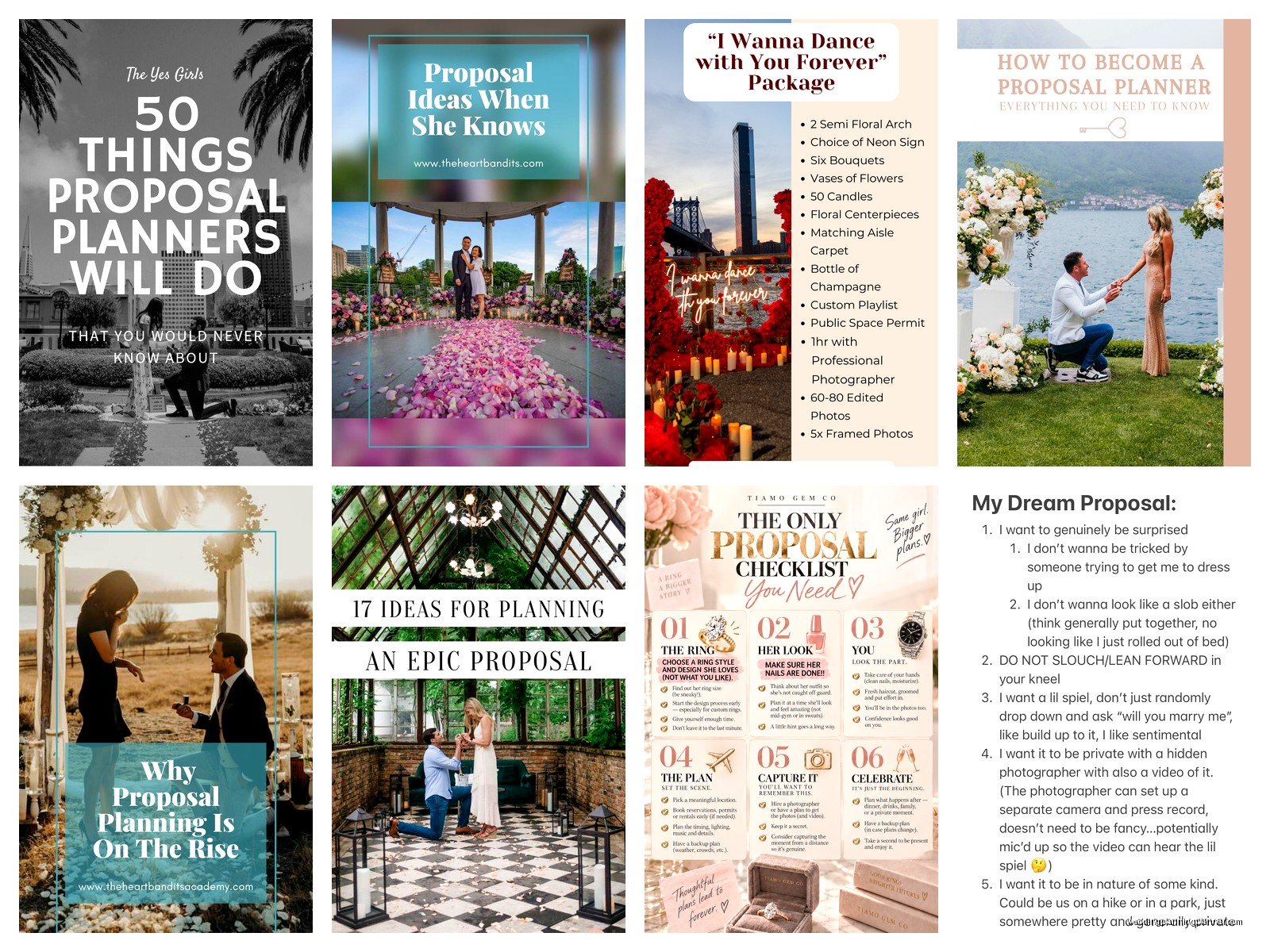
Most planners charge either a flat fee or a percentage of the total proposal budget. I prefer flat fees because it’s cleaner and you’re not incentivized to push expensive stuff they don’t actually want or need. Some do hourly but that seems stressful for everyone involved honestly.
Finding the Right Planner If You’re Hiring One
Alright so if you’re the person planning to propose and you want professional help, here’s what to look for. First check their portfolio obviously – do their past proposals match the vibe you’re going for? Someone who specializes in elaborate public proposals might not be great if you want something intimate and low-key.
Ask about their process for understanding what your partner would actually want. A good planner will grill you about your partner’s personality, their comfort with public attention, their style preferences. I had this one client who kept insisting his girlfriend would love a Times Square jumbotron thing and I had to be like… are you sure though? Because she’s an introvert who works in a library and nothing about that screams “wants to be on a massive public screen.” We ended up doing a private rooftop thing instead and she actually cried happy tears instead of stressed tears.
Questions to Actually Ask Potential Planners
Don’t just hire based on pretty Instagram photos. You gotta ask:
- How many proposals have you planned? (Under 10 is still pretty new to this specific thing)
- What happens if my partner figures it out beforehand?
- Do you have backup plans for weather or other issues?
- What’s included in your fee vs what costs extra?
- Can I see references from past clients?
- How do you handle day-of coordination without my partner noticing?
- What’s your cancellation or postponement policy?
That last one matters because I’ve had proposals postponed because someone got sick, or family drama happened, or once because the ring wasn’t ready in time from the jeweler which was a whole thing.
If You’re Thinking of Becoming a Proposal Planner
So maybe you’re a wedding planner or event coordinator thinking about adding this service. Or you’re starting from scratch. Either way here’s what you actually need to know beyond just “make it pretty and romantic.”
First off, you need a solid vendor network. Photographers who can be sneaky and blend in are worth their weight in gold. I work with this one photographer who’s amazing at pretending to be a tourist taking scenic photos while actually photographing the proposal happening twenty feet away. Regular portrait photographers sometimes struggle with the candid element of it.
You also need relationships with venues that can accommodate last-minute or unusual requests. Hotels with rooftop access, restaurants willing to do private setups, parks departments for permit coordination, beaches where you can set up arches or whatever. Building these relationships takes time but it’s crucial.
The Annoying Parts Nobody Talks About
Okay so what really annoys me about proposal planning is when the person proposing doesn’t actually know what their partner wants and just projects their own fantasy onto it. I’ve had guys want elaborate public proposals when their girlfriend has explicitly told them she’d hate that. Or wanting specific color schemes that the partner would never like because it matches the proposer’s favorite sports team or something random like that.
Like you’re supposed to be focused on making it perfect for THEM not for you or for Instagram. This one time in spring 2023 I had a client who wanted a flash mob proposal and I was like okay let me talk to your girlfriend’s friends first, and every single friend was like “she will absolutely hate this please don’t.” We did a private garden proposal instead and it was so much better but he was kinda disappointed which… dude, this isn’t about you!

Also the secrecy element is harder than you’d think. You’re trying to coordinate with vendors, scout locations, maybe involve friends and family, all while making sure the person being proposed to doesn’t catch wind of anything. I’ve had to create elaborate cover stories, fake event invitations, pretend birthday parties. It’s basically event planning meets espionage.
Technical Stuff You Need to Handle
Permits are boring but necessary. Public parks usually require permits for any kind of setup. Beaches definitely do. Some cities are really strict about this and will shut you down if you don’t have proper authorization. I learned this the hard way when a park ranger almost interrupted a proposal because we didn’t have the right paperwork filed. Luckily I had printed copies of everything in my bag and could show them but my heart was racing.
Timing coordination is probably the most stressful part honestly. You need the person proposing there at the right time, the person being proposed to there without suspecting anything, vendors set up but not too early, photographers in position, any surprises ready to go. I usually build in 30-minute buffer windows because traffic exists and people run late and… life happens.
Weather Backup Plans Are Not Optional
If you’re planning outdoor proposals you absolutely need backup plans. I always scout at least two locations – the ideal one and a weather backup. For beach proposals maybe there’s a pavilion or covered area nearby. For park proposals maybe there’s an indoor botanical garden option. You can’t control weather but you can control having a plan B.
Rain dates are tricky with proposals because you can’t exactly tell the person “hey we’re postponing your surprise proposal” so sometimes you just have to pivot day-of. I keep a bunch of clear umbrellas in my car now just in case because they photograph better than regular umbrellas and if it’s lightly raining you can sometimes make it work.
Working With Photographers and Videographers
This deserves its own section because the photo/video element makes or breaks most proposals honestly. You want someone who can capture genuine emotion without being obvious about it. The best proposal photographers I work with arrive early, blend into the environment, use long lenses so they can stay far back, and know how to anticipate the moment.
Some couples also want videographers which adds another layer of coordination. Video is trickier to hide than photography because the equipment is bulkier but it’s doable. I’ve had videographers pose as people making social media content about the location, or as documentary filmmakers doing a project about public spaces. Whatever works.
Make sure you’re clear about deliverables and timeline. Most couples want at least some photos within 24-48 hours so they can share the news with edited photos. Full galleries usually take 2-4 weeks. Video takes longer, maybe 6-8 weeks for a full edit.
The Family and Friends Component
Some proposals involve surprising the person with family or friends showing up. This is cute but logistically complicated. You need a hiding spot where potentially 10-20 people can wait without being seen. You need to coordinate their arrival time so they’re not standing around for an hour. You need to make sure nobody posts anything on social media early or tries to say hi before the actual proposal happens.
I use group chats with strict “read the message but don’t respond” rules so I can send updates without everyone’s phones dinging constantly. Also assign one person as the family coordinator who’s responsible for keeping everyone quiet and in position. Usually this is like a sibling or best friend who can wrangle people.
Design Elements and Setup
So assuming you want more than just showing up somewhere with a ring, let’s talk about actual design. Popular elements include floral arrangements obviously, candles or lanterns for evening proposals, signage with meaningful quotes or dates, photos documenting the relationship, picnic setups, custom props related to inside jokes or shared interests.
I try to keep designs relatively simple because you’re setting up in often public or semi-public spaces and you don’t have hours to do it. Everything needs to be transportable and quick to assemble. My car is basically full of proposal supplies at this point – battery-operated candles, flower frogs, weights to hold things down in wind, extension cords, tape, zip ties, you name it.
Color schemes should reflect the person being proposed to, not necessarily “wedding colors” or anything too matchy-matchy. If she loves yellow, incorporate yellow. If he’s into minimalist aesthetics, keep it simple and clean. The proposal should feel personal not like a Pinterest board threw up everywhere.
Seasonal Considerations
Different seasons require different approaches. Summer proposals need to account for heat and sun glare for photos. Fall proposals have great natural colors but unpredictable weather. Winter proposals get dark early so you need good lighting solutions and everything’s gonna be cold. Spring is usually easiest honestly but you’re competing with pollen and occasional rain.
I personally love fall proposals because the natural lighting is gorgeous and you can incorporate seasonal elements like pumpkins or fall foliage or cozy blankets without it seeming weird. Summer beach proposals are popular but the harsh midday sun is terrible for photos so golden hour timing is crucial.
Day-Of Coordination Process
Alright so the actual day is where everything comes together or falls apart. I usually arrive 2-3 hours before the proposal time to set up. This gives me buffer time for issues and lets me make sure everything looks right. I take photos of the setup and send them to the client for approval before they arrive.
Communication is key – I’m usually texting with the person proposing to track their location, with the photographer to confirm they’re in position, with any vendors who need timing updates. It’s a lot of plate-spinning. My cat jumped on my keyboard once while I was trying to coordinate a proposal timeline and sent a bunch of gibberish to a client which was embarrassing but also kinda funny in retrospect.
Once the couple arrives, my job is basically to disappear while making sure everything goes smoothly. I’m usually hiding nearby with all my supplies in case anything needs adjusting. After the proposal happens and they’re celebrating, I’ll quickly come out to break down any setup that needs removing immediately, coordinate with photographers for any post-proposal photos, and make sure the couple knows what happens next with photo delivery and such.
Handling Things When They Go Wrong
Because they will go wrong sometimes. I’ve had proposals where the person said no (awkward but rare), where they figured it out beforehand but pretended to be surprised, where family members showed up drunk, where random tourists wandered into the shot, where vendors got lost, where rings fell into sand or water, where… honestly so many things.
The key is staying calm and problem-solving quickly. Have a backup ring box if the original gets lost. Have bobby pins and safety pins for wardrobe malfunctions. Have tissues because someone’s gonna cry. Have phone chargers because batteries always die at the worst times. Be ready to politely redirect tourists or passersby if needed.
One time a proposal was happening on a pier and this seagull swooped down and grabbed a piece of the decorative bread we’d used in the setup and it turned into this whole thing with the bird and everyone was laughing but also trying to stay focused on the proposal and the photos actually turned out great because authentic laughter is better than posed smiling anyway so sometimes chaos works out.
After the Proposal
Your job isn’t totally done once they say yes. You need to coordinate breakdown and cleanup, make sure the photographer has everyone’s contact info, confirm any vendor payments are settled, and usually give the couple some space to celebrate while handling logistics.
Follow up a few days later to make sure they got their photos, everything went how they hoped, and ask if they need wedding planner recommendations (because obviously they’re gonna need one of those next). This is also when you ask if you can share photos on your portfolio or social media with their permission.
Some planners offer proposal-to-wedding packages where you do both which makes sense from a business perspective. You already know the couple, understand their style, and have built trust. But that’s a whole other conversation and I’m already at like… way more words than I meant to write about this but hopefully it helps whether you’re hiring someone or becoming someone who does this professionally because it’s actually a really rewarding niche once you figure out all the moving parts.
