
Planning Guides, Style Guide
Mexican Wedding Planner: Professional Services Guide
Oct
So You Want to Hire a Mexican Wedding Planner or Actually Be One
Okay so Mexican weddings are absolutely no joke and honestly if you’re planning one or thinking about offering planning services for them you need to understand they’re basically three events smooshed into one. There’s the ceremony (often Catholic), the reception, and sometimes a civil ceremony too because in Mexico the religious ceremony isn’t legally binding. I learned this the hard way in spring 2023 when a couple got upset with me because I didn’t budget time for their civil ceremony and we had like a 45-minute gap where guests were just… waiting around. Not my finest moment.
What Mexican Wedding Planning Actually Involves
First thing – you’re not just coordinating a party. Mexican weddings have traditions that go back generations and families take them seriously. Like really seriously. I’m talking about the lazo ceremony, the arras coins, padrinos and madrinas for literally everything from the cake to the pillows to the freaking Bible. Each element has sponsors and you gotta track all of that.
The padrinos system is basically where different family members or friends sponsor different aspects of the wedding. So you’ll have padrinos de velación (candle sponsors), padrinos de lazo (lasso sponsors), padrinos de arras (coin sponsors), and it goes on. As a planner, you need a spreadsheet for this or you’re gonna lose your mind. I use a simple Excel doc with columns for each padrino role, who’s filling it, their contact info, and what exactly they’re responsible for bringing or paying for.
The Guest List Situation
Mexican weddings aren’t small. Just throw that idea out the window right now. When a client tells you “oh we’re keeping it intimate” they mean 150 people minimum. A typical Mexican wedding I plan has 200-300 guests and I’ve done ones with 500+. The family structure is different – you’re inviting extended family, compadres, colleagues, and honestly sometimes people you barely know but your mom insists must be invited.
This affects everything. Your venue needs to be big. Your catering needs to account for the fact that Mexican guests actually eat the food (not like some weddings where half the plates go back full). The bar needs to be STOCKED because the party goes late. And I mean late. Like 2am, 3am sometimes.
Traditional Elements You Better Know About
The lazo ceremony happens during the Catholic mass where sponsors place a large rosary or silk cord in a figure-eight shape around the couple’s shoulders. It symbolizes unity and their bond. You need to coordinate with the church, make sure the padrinos know when to come forward, and that the lazo itself is ready and looks good because photos.
Las arras are 13 gold coins that the groom gives to the bride, representing his commitment to support her. The padrinos de arras present these during the ceremony. I once had a situation where the coins went missing right before the ceremony – turned out they were in the best man’s jacket pocket and he’d taken it off somewhere. We found them but oh my god, the stress.
The El Baile del Dinero (money dance) is where guests pin money to the bride’s dress or the couple’s clothes while dancing with them. Some families do this traditionally, others skip it. You need to ask early in planning because it affects the reception timeline and… well, someone needs to be responsible for collecting and securing all that cash.
Food and Catering Expectations
Mexican wedding food is a whole thing. You’re usually looking at a full multi-course meal, not just appetizers and a main. Some weddings do a cocktail hour with botanas (snacks), then a sit-down dinner with soup, rice, main course, and dessert. The cake is often tres leches or another traditional Mexican cake, not just whatever looks pretty on Pinterest.
And the late-night food! This is something that kinda threw me when I first started planning Mexican weddings. Around midnight or 1am, many families serve pozole, menudo, tamales, or tacos. It’s for the guests who’ve been drinking and dancing for hours. If you don’t plan for this, the family will be disappointed. Trust me.
Bar service needs to include tequila (obviously), mezcal, Mexican beer, and usually full bar service. Some families do an open bar all night, others do limited hours. This is a budget conversation you need to have early because Mexican weddings and alcohol… they go together. My cat knocked over my tequila while I was writing notes for a client meeting once and I was finding sticky spots on my desk for weeks but anyway–
The Ceremony Logistics Are Complicated
If you’re doing a Catholic ceremony, you need to work with the church’s schedule and requirements. Many churches require the couple to take marriage prep classes (usually several sessions). Some churches don’t allow certain music or decorations. You can’t just assume you can have a mariachi band playing during the processional – some priests are cool with it, others absolutely not.
The civil ceremony is legally required in Mexico and even for Mexican-American weddings, some families want to honor this tradition. It’s usually shorter and can happen before or after the religious ceremony, sometimes even on a different day. I always ask couples early on: are we doing one or both? Where? When? Who’s officiating the civil part?
Church decorations for Mexican weddings often include floral arrangements at the altar, pew decorations, and sometimes a decorated kneeler for the couple. White flowers are traditional but I’ve seen gorgeous ceremonies with colorful arrangements too. Budget anywhere from $500 to $3000+ for church flowers depending on the size and style.
Reception Must-Haves
The grand entrance is a production. Like, the couple doesn’t just walk in – there’s usually an announcement, special lighting, sometimes sparklers or cold fireworks, and the music is carefully chosen. I spend probably too much time on the entrance song selection but it sets the tone for the whole reception.
Mariachi bands are traditional and many families want them for at least part of the reception. Some couples have a mariachi band AND a DJ or live band for dancing later. The mariachi usually plays during dinner and might do some special songs. Budget-wise, you’re looking at $800-2000+ for a few hours of mariachi service depending on your location and the band’s size.
The first dance often includes the parents. It’s not just the couple – sometimes they start together, then the bride dances with her father and the groom with his mother, then it opens up to the wedding party. You need to coordinate this with the DJ or band so everyone knows when to join in and when to step back.
What Annoys Me About This Industry
Okay so one thing that really gets under my skin is when vendors or even other planners treat Mexican wedding traditions like they’re just “ethnic decorations” or something exotic to check off a list. These traditions have deep meaning. The lazo isn’t just a pretty photo op – it represents the couple’s union before God and their families. The arras coins aren’t just cute props – they symbolize prosperity and trust.
I had a florist once tell me the lazo ceremony was “taking too long” and we should “just skip it” to stay on schedule. Like… nah. That’s not how this works. We adjusted the timeline elsewhere. You don’t skip sacred traditions because you’re running 10 minutes behind. That moment really made me realize some vendors just don’t get it.
Pricing Your Services or What to Expect to Pay
If you’re a planner, Mexican weddings require more coordination because of all the traditional elements and typically larger guest counts. I charge 15-20% more for full-service Mexican wedding planning compared to other weddings of similar size because there’s genuinely more work involved. The padrino coordination alone adds hours to your planning time.
Typical planning fees range from $2500 for day-of coordination to $8000+ for full-service planning, depending on your market and the wedding size. In major cities like LA, Houston, San Antonio, or Phoenix, experienced Mexican wedding planners charge $5000-12000 for full planning services.
If you’re a couple hiring a planner, make sure they have actual experience with Mexican weddings. Ask them specifically about how they handle padrino coordination, traditional ceremony elements, and cultural expectations. I’ve had to fix situations where couples hired planners who didn’t understand the culture and things got… awkward.
Working With Family Expectations
Mexican weddings are family affairs and I mean that in every sense. The couple’s parents often have strong opinions about everything from the venue to the menu to the guest list. As a planner, you’re not just working with two people – you’re working with their entire family structure.
I always schedule at least one meeting with the couple AND their parents early in the planning process. This is where we discuss budget (because often parents are contributing or fully paying), traditions they want to include, and any non-negotiables. It prevents so many conflicts later when suddenly mom has opinions about the centerpieces or dad wants to add 50 more guests.
The mother-son dance and father-daughter dance are huge moments. Some families do elaborate choreographed dances, others keep it simple. But the music selection for these dances – families care deeply about this or maybe I should say the mothers care deeply about this. I keep a playlist of popular choices: “Amor Eterno,” “La Puerta Negra,” “El Privilegio de Amar.” But always ask what songs have meaning to their specific family.
Vendor Coordination Specifics
You need vendors who understand Mexican wedding expectations. A photographer who’s never shot a lazo ceremony might miss the moment. A caterer unfamiliar with Mexican wedding food culture might not portion correctly or understand the late-night food tradition.
When building your vendor team, ask about their experience specifically with Mexican or Latino weddings. Look at their portfolios – do you see lazo ceremonies? Money dances? Mariachi bands? If not, they might be great vendors but they’ll need more direction from you.
The DJ or band needs to know the flow of a Mexican wedding reception. There’s usually a mix of traditional Mexican music (rancheras, cumbias, norteñas depending on the family’s region), Latin pop, and American pop/dance music. The good DJs know how to read the room and when to play what. The older generation wants their music, the younger guests want theirs, and you gotta keep everyone happy.
Timeline Differences You Should Know
Mexican weddings run longer than typical American weddings. If a ceremony starts at 5pm, you’re not ending at 10pm. Most receptions I plan run until at least midnight, often 1am or 2am. This affects your vendor contracts – photographers need to know they’re shooting for 10-12 hours potentially, not just 8. The venue needs to allow for extended hours.
The ceremony itself can be 45 minutes to over an hour if it’s a full Catholic mass. Then you might have a cocktail hour, but that could stretch to 90 minutes if you’re waiting for family photos (and Mexican weddings have EXTENSIVE family photos – every possible combination of relatives wants a picture). Dinner service takes longer with more guests and multiple courses. Then the dancing starts and goes for hours.
I build in buffer time everywhere because family runs on their own schedule sometimes. That sounds stereotypical but it’s just… true? I had one wedding where we were supposed to start the ceremony at 4pm and the bride’s extended family from out of state got lost and we didn’t actually start until 4:45pm. You plan for these things.
Decor and Design Elements
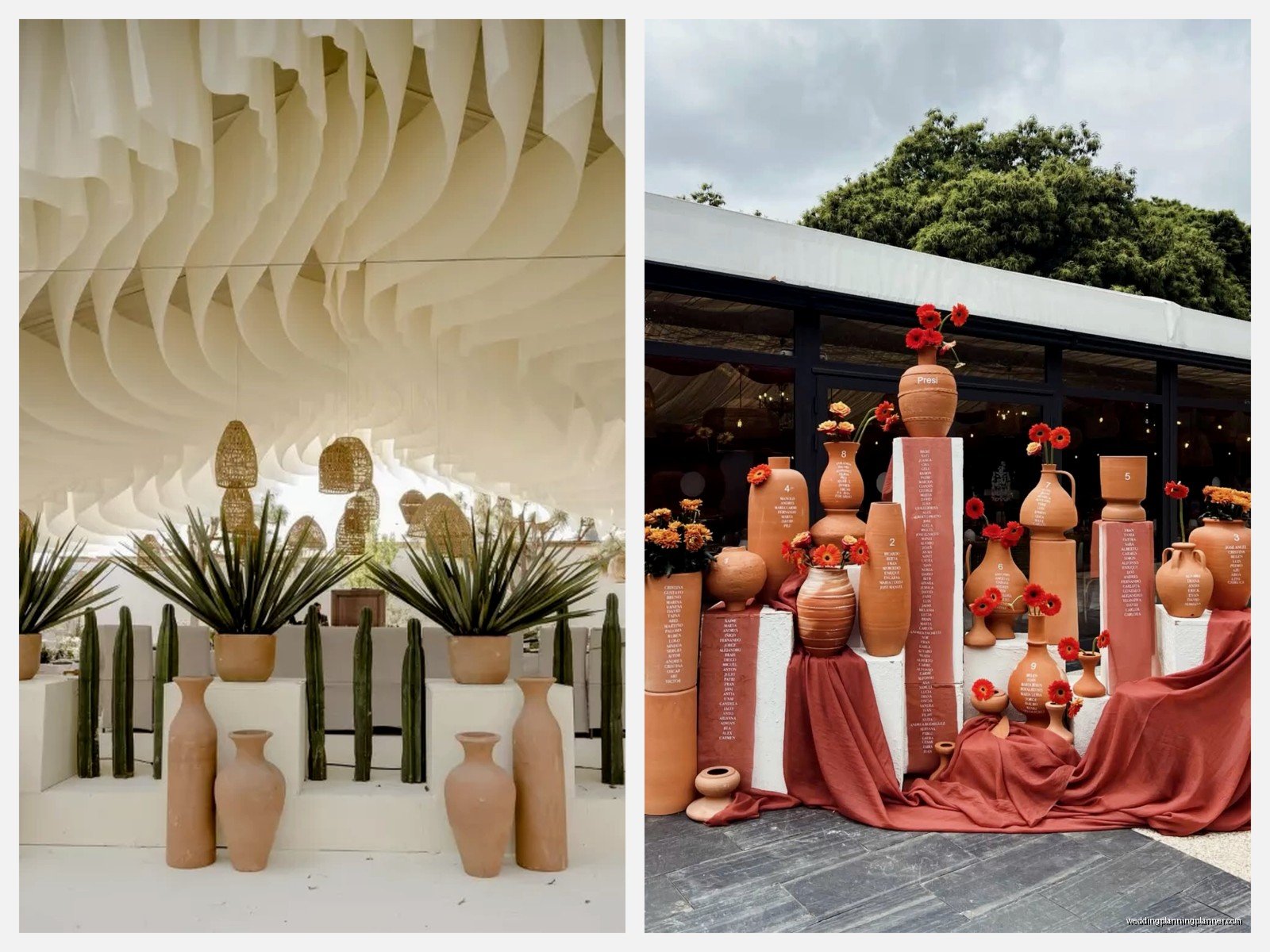
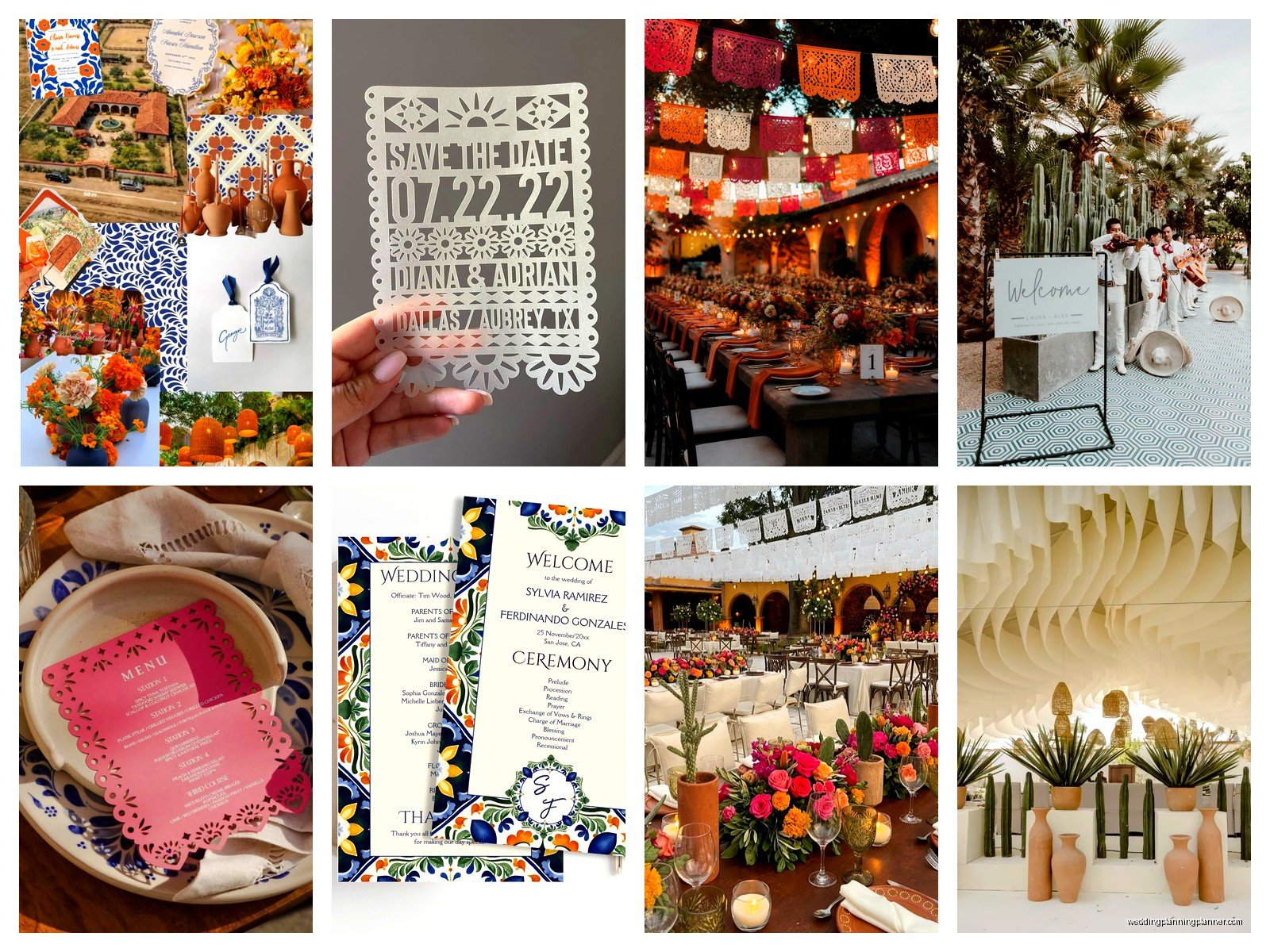
Mexican wedding decor can go several directions. Some couples want very traditional with lots of vibrant colors, papel picado banners, colorful flowers, and cultural elements. Others want elegant and modern with subtle nods to their heritage. Don’t assume every Mexican couple wants bright orange and pink everywhere – that’s actually kinda offensive.
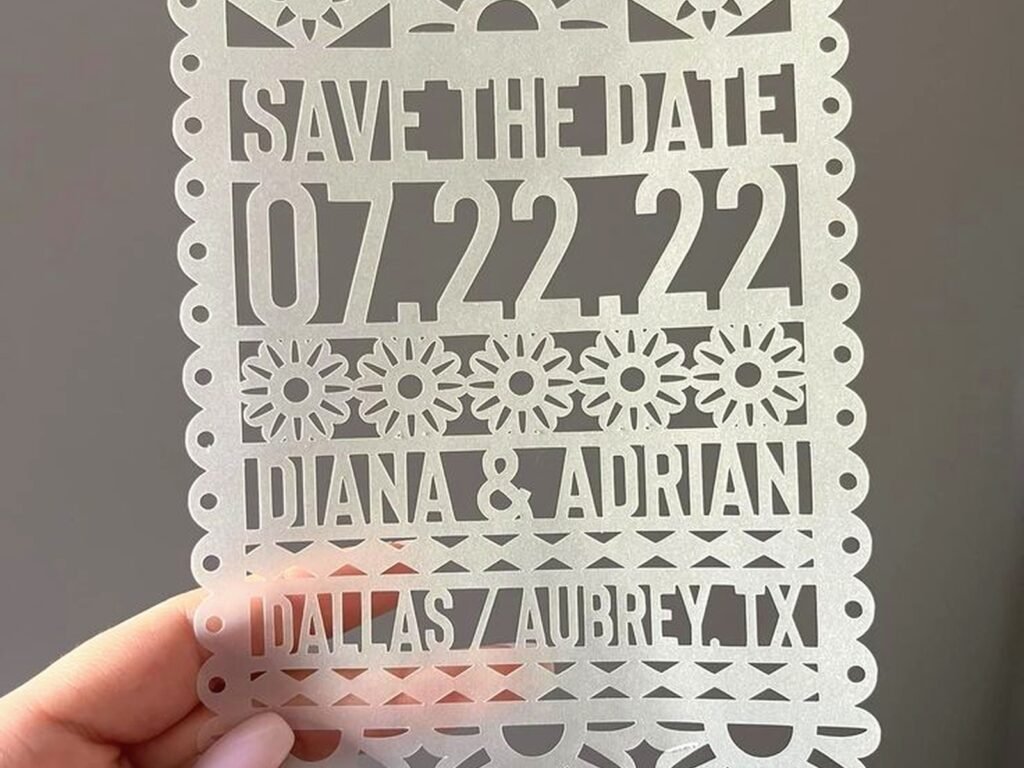
Papel picado (perforated paper banners) are traditional and can be really beautiful when done well. They come in tons of colors and can be customized with the couple’s names or wedding date. I usually incorporate them at the ceremony, reception entrance, or above the head table.
Centerpieces often include colorful flowers – roses, sunflowers, calla lilies, marigolds (especially if there’s a Day of the Dead element to honor deceased family members). Some couples include religious elements like small crosses or Virgin Mary figurines. The style varies hugely by family and region of Mexico they’re from.
The Details That Make It Authentic
Wedding favors often include small bottles of tequila or mezcal, Mexican candies, or traditional items like mini maracas or sombreros (though honestly the mini sombreros are kinda touristy and I try to steer couples toward more meaningful favors). Personalized items work well – bags of Mexican hot chocolate mix, dulce de leche, or regional specialties from the family’s hometown in Mexico.
The wedding cake might be accompanied by or replaced with a dessert table featuring traditional Mexican sweets – churros, conchas, polvorones, cajeta. Some families do both a traditional wedding cake for cutting and a full dessert spread. This is amazing for guests but you need to coordinate with the caterer or a specialty baker.
I always ask couples about regional traditions specific to their family’s background. Someone from Jalisco might have different traditions than someone from Oaxaca or Yucatan. There’s no one-size-fits-all “Mexican wedding” – it’s about honoring that specific family’s culture and heritage.
Common Planning Mistakes to Avoid
Underestimating the guest count is probably the biggest mistake I see. When the bride says 200 people, plan for 225. Mexican families are large and there are always last-minute additions. Build that into your venue capacity and catering numbers.
Not scheduling enough time for family photos is another big one. You need at least an hour, maybe 90 minutes, for all the family photo combinations they’ll want. Both sides of the family, then extended family, then the wedding party, then… it goes on. Your photographer will thank you for building in this time.
Skimping on food or bar service will backfire. Mexican wedding guests expect good food in generous portions and an open bar (or at least a well-stocked bar). This isn’t the place to cut corners. I’ve seen families talk about weddings for years – either praising the amazing food or complaining about the cash bar.
Not having a Spanish-speaking coordinator or at least bilingual key vendors can create problems. Depending on the guest demographics, you might have elderly relatives who only speak Spanish. Signage, announcements, and key communication should be bilingual when needed. I’m not fluent but I know enough Spanish to get by and I always have someone on my team who’s fully bilingual for these weddings.
The sound system needs to be quality because speeches might be in Spanish and English, and you don’t want anyone missing the heartfelt words. Also mariachi bands can be LOUD so you need a venue that either allows for that volume or has space where they won’t blow out everyone’s eardrums.
