
Planning Guides, Style Guide
Planner Coordinator: Professional Services Guide
Oct
So You Wanna Be a Planner Coordinator or Hire One
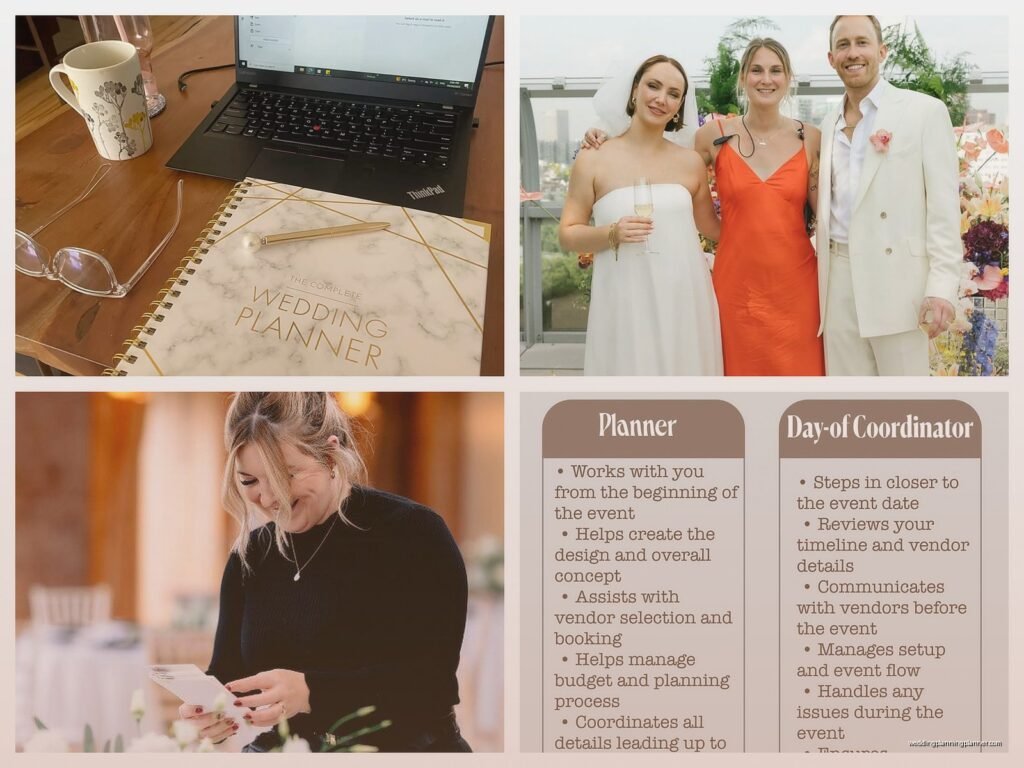
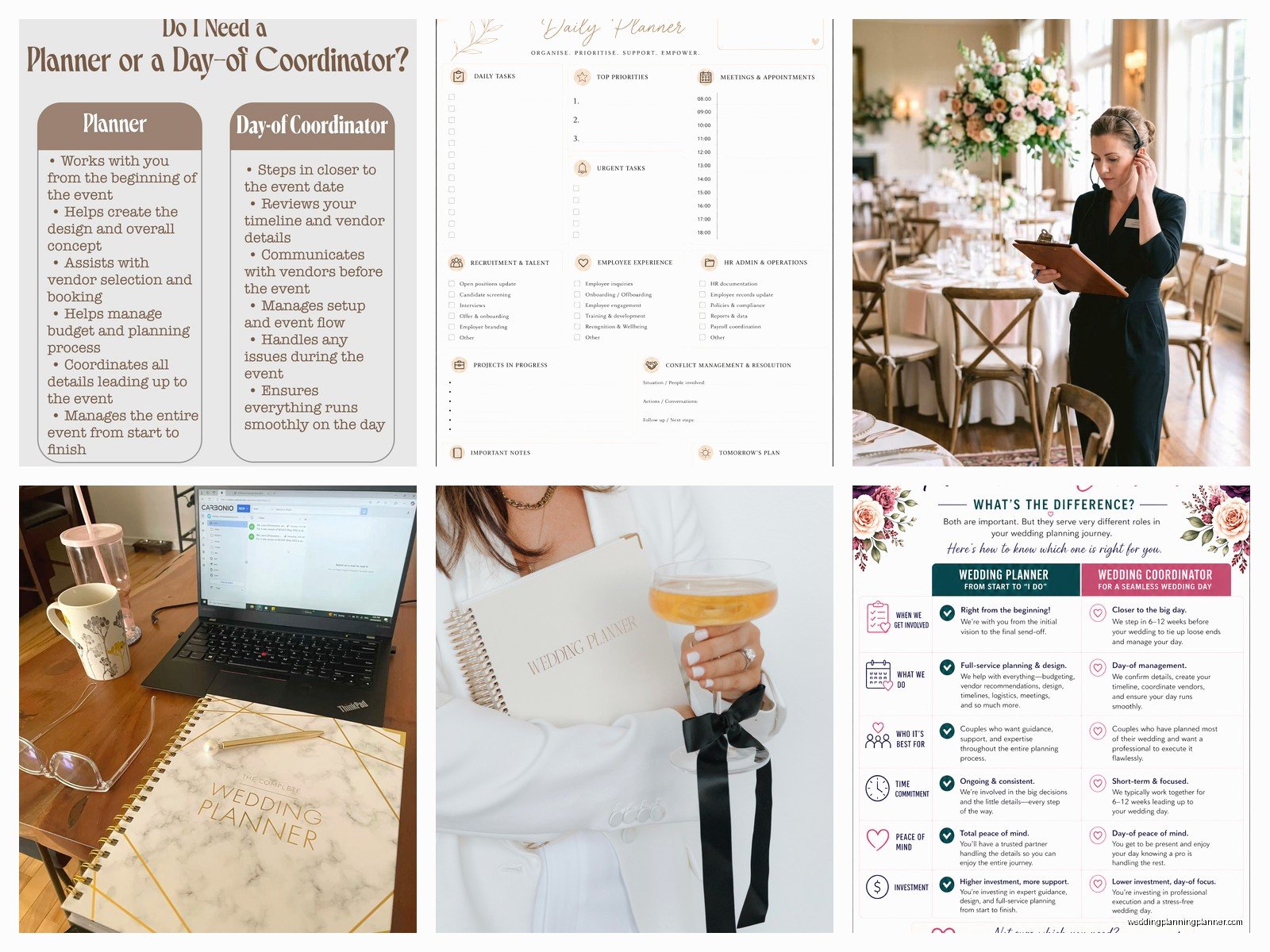
Okay so planner coordinators are kinda this middle ground in the wedding planning world that honestly confuses a LOT of people. Like, you’re not doing full-service planning where you’re there from day one picking out color palettes and interviewing caterers for eight months, but you’re also not just showing up on the wedding day to boss vendors around for six hours. It’s this weird in-between service that I think actually makes the most sense for like 60% of couples, but nobody really explains what it actually involves.
The basic idea is that a planner coordinator steps in usually around 4-6 weeks before the wedding. The couple has already done most of the heavy lifting—they’ve booked their venue, their caterer, their photographer, their florist, all of that. But now they’re sitting there with seventeen different contracts, forty-two unanswered emails from vendors, a timeline that makes absolutely no sense, and their mother-in-law keeps texting about the seating chart. That’s where you come in.
What You’re Actually Doing as a Planner Coordinator
First thing is you gotta get organized fast. I usually start with what I call the “vendor audit”—basically going through every single contract and vendor the couple has hired and making a master spreadsheet. You need names, phone numbers, emails, what they’re providing, when they’re arriving, when final payments are due, all of it. Sounds boring because it IS boring, but I learned this the hard way in summer 2021 when I showed up to a wedding and the rental company never got the final headcount and we were short 15 chairs. Never again.
Then you’re creating the actual timeline. Not just the ceremony time and reception time, but like… when is hair and makeup starting? When do the flowers get delivered? What time does the photographer need to arrive to capture getting-ready photos? When does the cake get delivered and does someone need to be there to receive it? When are the grandparents being picked up by the shuttle? This timeline usually ends up being like 3-4 pages long and it goes to EVERY vendor, the wedding party, the parents, everyone.
You’re also gonna be the point person for all vendor communication in those final weeks. This is actually my favorite part because couples are usually so stressed by this point that they’re not even reading their emails properly. I’ve had brides forward me emails from their florist that are like “she’s asking something about the bouquets?” and I read it and the florist is literally just confirming the delivery time. So you become the filter and the organizer for all of that.
The Stuff Nobody Tells You About
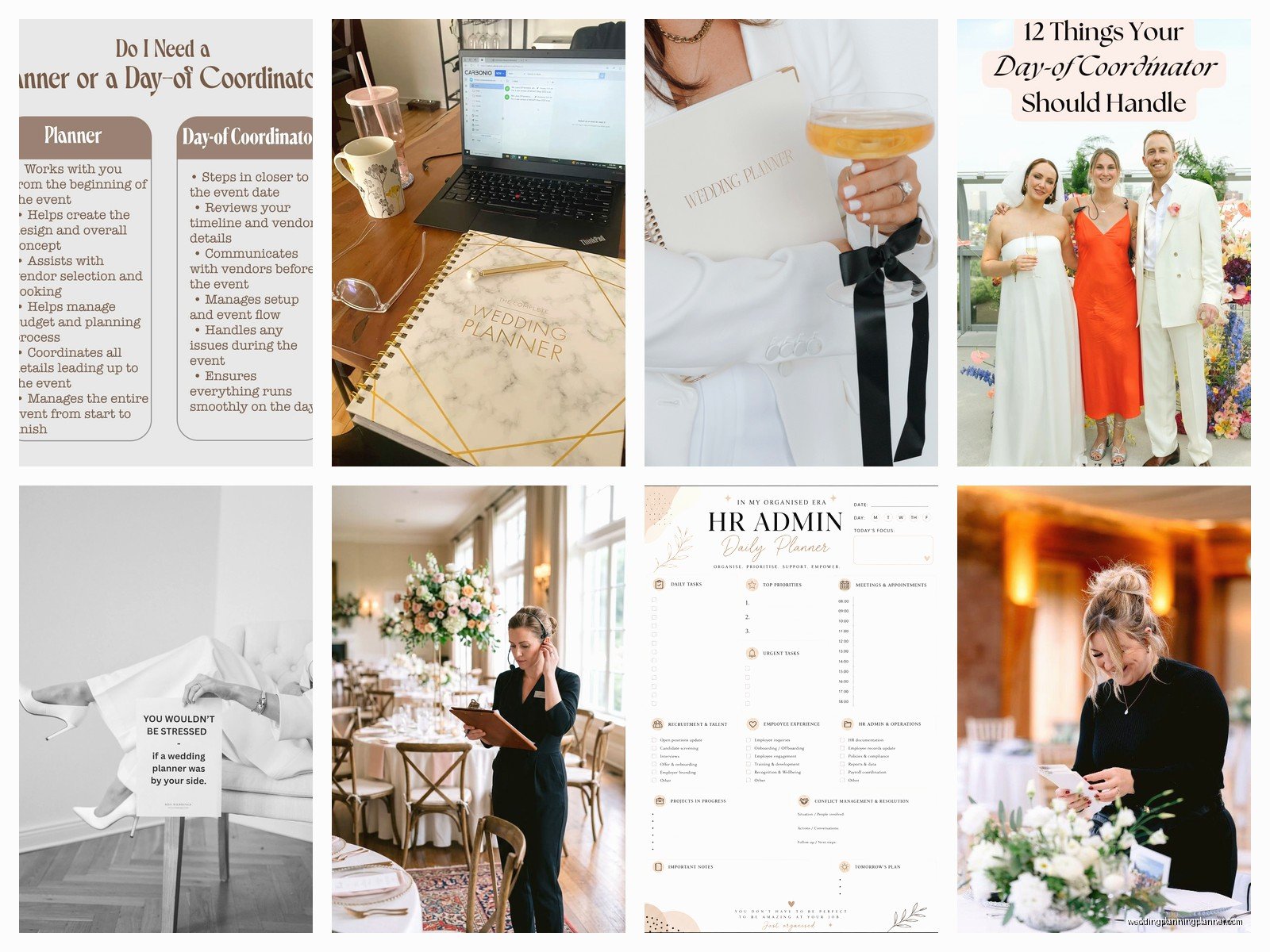
Here’s what really annoyed me when I first started doing this work—other planners would act like it’s all just showing up with a emergency kit and being chill. Nah. There’s so much backend work that happens before the wedding day that clients don’t even see. You’re doing walk-throughs of the venue (sometimes multiple times), you’re creating floor plans and diagrams for where everything goes, you’re confirming and reconfirming with vendors because I swear half of them don’t read emails the first time.
I remember this one wedding in spring 2023 where the couple hired me six weeks out and they were like “yeah we’ve got everything handled, we just need someone there on the day.” Cool, great. Then I start going through their stuff and their caterer didn’t have the final menu, their DJ didn’t know the entrance song for the reception, their baker thought the wedding was the following weekend, and nobody had told the venue coordinator that they were bringing in outside rentals. It took me like 20 hours of work just to get everyone on the same page before we even got to the wedding weekend.
You’re also problem-solving stuff that hasn’t even happened yet. Like, okay, the ceremony is outside but what’s the rain plan? Where do the cocktail hour guests go if it starts raining? Who’s in charge of making that call and at what time? The couple wants sparklers for their exit but has anyone checked if the venue allows open flames? The groom’s 90-year-old grandmother is coming but there are stairs—do we need to arrange special seating or access?
Day-Of Coordination Is Actually Like Three Days
So the “day-of” part is kinda misleading because you’re usually working the rehearsal the night before, then you’re there for setup the day of (which might start at 7am if it’s an evening wedding), then you’re there through the whole event until the couple leaves or the venue closes. My cat absolutely hates wedding weekends because I’m basically gone for 36 hours straight.
At the rehearsal, you’re walking everyone through the processional, telling them where to stand, how slowly to walk, when to sit, all of that. You’re also usually the one keeping it moving because rehearsals can drag on forever if someone doesn’t take charge. I’ve learned to set a timer for 45 minutes max because otherwise the mother of the bride starts suggesting seventeen different arrangements and suddenly it’s been two hours and everyone’s hungry and cranky.
On the wedding day, you’re managing setup—directing the rental company where tables go, telling the florist where centerpieces should be placed, making sure the caterer knows where the kitchen access is, setting up place cards and favors and signage. Then you’re managing the timeline throughout the day, which means you’re literally going to find the best man at 4:47pm to tell him photos start in 13 minutes and he needs to get his boutonniere on.
You’re also handling all the little emergencies that pop up. And trust me, there are ALWAYS emergencies. The flower girl refuses to wear her dress. Someone’s heel breaks. The cake topper falls off in transport. A groomsman gets drunk before the ceremony even starts. The unity candle won’t light because it’s too windy. A guest shows up in a white dress (this happens way more than you’d think). Your job is to fix it or find a workaround without the couple ever knowing there was a problem.
What to Charge and How to Structure It
Okay so pricing for planner coordinator services is all over the place depending on where you are, but I’m gonna give you realistic numbers. In most mid-sized markets, you’re looking at $1,500 to $3,000 for this level of service. In major cities like New York or LA or San Francisco, it can be $3,000 to $6,000 easy. If you’re in a smaller market or just starting out, you might be in the $800 to $1,500 range.
I usually structure it as a flat fee that includes: initial consultation meeting, unlimited email communication from 6 weeks out, venue walk-through, timeline creation, vendor coordination, rehearsal management, and day-of coordination. Some planners charge extra for additional hours if the wedding goes really late or for travel if the venue is far away. That’s totally fair, just be upfront about it in your contract.
You should also have clear boundaries about what you DON’T do. I don’t book vendors for clients in this package. I don’t negotiate contracts they’ve already signed. I don’t design their decor or help them pick colors. I don’t address their invitations or assemble favors (learned that one the hard way… never again with the Jordan almonds in tulle). If they want that level of service, they need to upgrade to partial planning or full planning.
The Contract and What Needs to Be In It
Your contract needs to be solid because this is where things can get messy. You need to outline exactly what services you’re providing and when you start working with them. I have a clause that says if they hire me with less than 4 weeks notice, there’s a rush fee because I’m basically sprinting to catch up on work that should have been spread out.
You also need a cancellation policy. I require 50% deposit upfront and the remaining 50% two weeks before the wedding. If they cancel, the deposit is non-refundable because I’ve already blocked that date and probably turned down other clients. If they cancel within 30 days of the wedding, they owe the full amount because at that point I’ve done most of the backend work already.
Have a clause about your working hours too. I’m there for the contracted time—usually from setup through the end of the reception or until the couple leaves, whichever comes first. If they want me to stay later, that’s overtime and gets billed at my hourly rate. Same thing if they want me at additional events like a welcome party or next-day brunch—that’s extra.
Oh and liability stuff—make sure your contract says you’re not responsible for vendor no-shows or vendor mistakes. You’re coordinating and managing, but if the baker forgets to make the cake, that’s between the couple and the baker. You’ll help them problem-solve, but you’re not financially liable. Get insurance too, by the way. General liability insurance for wedding planners is like $500 a year and it’s worth it.
Tools You Actually Need
People always ask me what fancy software I use and honestly… it’s not that fancy? I use a combination of Google Sheets for my vendor contacts and timelines (because I can share them easily and they update in real time), a project management tool called Airtable for tracking all my clients and their details, and just regular email for vendor communication.
For day-of, I have a three-ring binder that I swear by. Yeah it’s old school but it WORKS. It has printed copies of everything—timeline, vendor contacts, floor plan, shot list for the photographer, ceremony order, toasts order, all of it. If my phone dies or there’s no service at the venue (happened to me at a barn wedding once), I still have everything I need. Plus you can hand pages to other people easily—I’ll rip out the timeline and give it to the venue coordinator or the DJ.
My emergency kit is basically a small suitcase at this point. Band-aids, safety pins, bobby pins, hair ties, stain remover pen, hem tape, super glue, scissors, lighter, mints, Advil, Tums, tampons, tissues, chalk (for scuff marks on shoes), clear nail polish (for stocking runs), white thread and needle, black thread and needle… umm I think there’s like 40 things in there now. I’ve used almost everything at least once.
Working With Different Types of Venues
Hotels are usually the easiest because they have their own coordinator and clear processes. You’re basically working alongside their person to make sure the couple’s vision happens within the hotel’s structure. Country clubs are similar—they’ve done a million weddings and have systems in place.
Blank slate venues like barns or warehouses or Airbnbs are where you earn your money. Everything has to be brought in—tables, chairs, linens, plates, glasses, lighting, bathrooms sometimes. You’re coordinating way more vendors and the setup time is usually longer. I always build in extra buffer time for these because something always takes longer than expected or someone shows up late.
Private property weddings (backyards, family farms, etc.) are honestly the most challenging. You’re dealing with parking issues, power issues, weather contingencies, neighbor noise complaints potentially, and usually family members who want to be involved but also kinda get in the way. Not gonna lie, I charge more for these because they’re more work and more unpredictable.
The Family Dynamics Thing
Nobody tells you how much of this job is managing family drama. Like I thought I was gonna be coordinating vendors and managing timelines, and I do that, but I’m also… mediating between a divorced couple who can’t be near each other? Gently telling someone’s aunt that no, she cannot make a surprise speech? Redirecting a controlling mother-in-law away from the bride during getting-ready time?
I’ve started having a conversation with couples during our initial meeting about family dynamics. Who’s paying for what (because that often comes with expectations), are parents divorced and do we need to seat them separately, are there family members who don’t get along, is anyone particularly anxious or controlling that I should be aware of. This helps me anticipate problems before they happen.
The other thing is—and this might sound weird—but you become like a buffer between the couple and everyone else on the wedding day. Part of your job is making sure people aren’t bothering the couple with questions or problems. Vendors should come to YOU, not to the bride. If Uncle Jerry has a question about parking, he asks YOU, not the groom. You’re basically protecting their experience and letting them actually enjoy their wedding.
What Makes Someone Good at This
You gotta be organized obviously, but also flexible? Because your perfect timeline will get messed up. The ceremony will start 20 minutes late, or cocktail hour will run long, or photos will take less time than expected, and you need to adjust on the fly without panicking. I’ve completely restructured reception timelines in real-time because things were running behind and we needed to make sure dinner happened before the venue’s noise curfew.
You also need to be assertive without being aggressive. Like when I need the wedding party to line up for the processional, I need them to actually listen and do it, but I can’t be barking orders like a drill sergeant. It’s this balance of friendly but firm. I usually joke around with people to keep things light but they also know that when I say “we need to go now,” we’re going now.
Problem-solving skills are huge. You’re not always gonna have the perfect solution in your emergency kit or your backup plan. Sometimes you’re just… figuring it out with whatever resources you have. I once used a Sharpie to color in a scuff on someone’s shoe, used fishing line from a groomsman’s truck to reattach a boutonniere, and convinced a restaurant next to the venue to let us use their bathroom when the portable toilets were running behind. You just gotta be creative and resourceful and not freeze up when things go wrong.
And honestly? You need stamina. These are long days, you’re on your feet the whole time, you’re usually not eating proper meals (I’ve learned to stash protein bars everywhere), and you can’t really drink even if it’s an open bar because you need to stay sharp. I’ve worked weddings where I logged 25,000 steps on my fitness tracker. Wear comfortable shoes, even if they’re not cute, your feet will thank you.
Getting Clients and Building This Service
Most of my planner coordinator clients come from referrals—either from venues, from other vendors, or from past clients. Venues are actually your best source because couples book their venue first usually, and then the venue can recommend you. I make a point to build relationships with venue coordinators and bring them coffee or treats when I’m there for walk-throughs, just to stay on their radar.
Your website needs to be clear about what this service includes and what it doesn’t. I used to get so many inquiries from people who thought “day-of coordination” meant I was planning their whole wedding, and then they were disappointed when I explained I don’t book vendors or do design. Now my website has a whole section that’s like “here’s what’s included, here’s what’s NOT included, here’s what you need to have done before hiring me.”
Social media helps but it’s more for credibility than for directly booking clients, I think? Like couples will get a referral and then check out your Instagram to make sure you’re legit and professional. I post behind-the-scenes stuff from setups, pretty detail shots, and sometimes educational content about what couples should be thinking about in their final month of planning. Nothing too salesy, just showing that I know what I’m doing.
Honestly the best marketing is just being really good at your job because happy couples will tell their engaged friends, and vendors will remember you and recommend you if you’re easy to work with and make their lives easier on the wedding day. I get probably 70% of my business from word-of-mouth at this point, which took a few years to build up but now it’s pretty steady.
