
Planning Guides, Style Guide
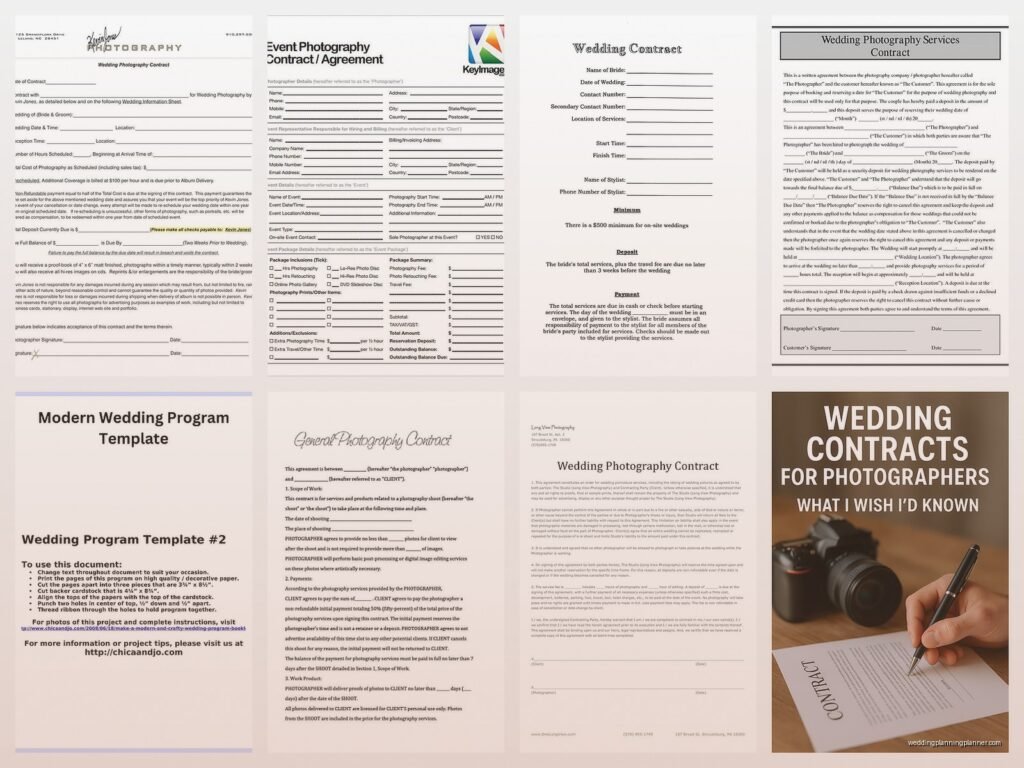
Sample Wedding Photography Contract: Agreement Example
Jul
What Actually Needs to Be in Your Wedding Photography Contract
Okay so photography contracts – this is something I learned the hard way back in spring 2023 when one of my couples had a total disaster with their photographer who just… disappeared two weeks before the wedding with zero backup plan and no contract that actually protected them. They were scrambling, I was scrambling, it was a nightmare and honestly could’ve been avoided with a proper agreement in place.
Here’s the thing about photography contracts: they’re not just about protecting the photographer (though yeah, that’s important too). They’re about making sure YOU as the couple know exactly what you’re getting, when you’re getting it, and what happens if something goes sideways. And trust me, things go sideways more often than you’d think.
The Basic Info Section That Everyone Skips Reading
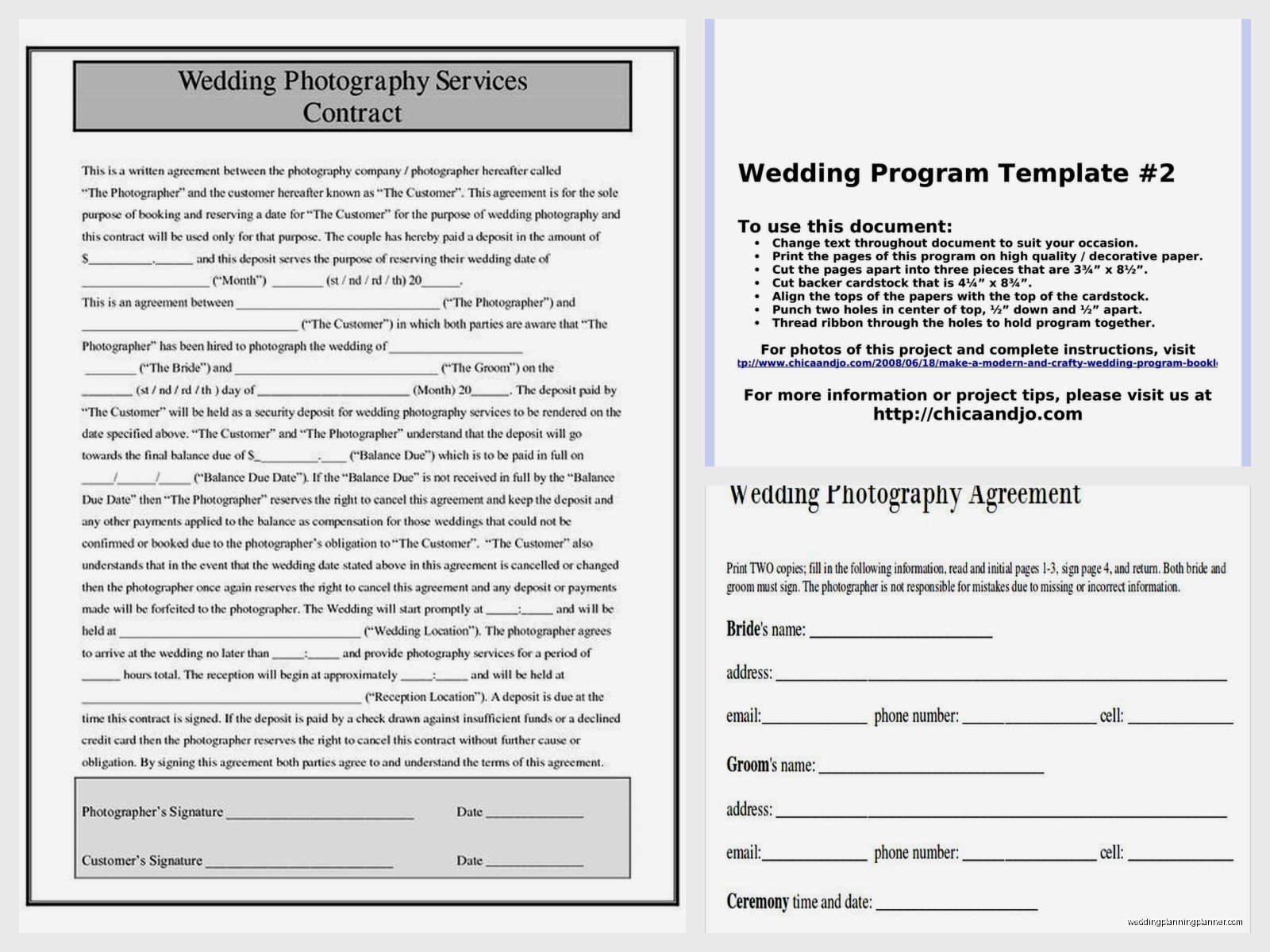
At the top of any photography contract, you’re gonna see the basic details – names, dates, addresses, contact info. I know it seems obvious but you’d be shocked how many people don’t check this stuff carefully. The contract should list:
- Full legal names of the couple getting married
- Photographer’s business name and contact details
- Wedding date (double check this isn’t wrong)
- Ceremony location with full address
- Reception venue with full address
- Start and end times for coverage
I had a bride once who didn’t notice her photographer had written down the wrong venue entirely – like a completely different city – and it wasn’t caught until the week before. That was… not a fun phone call to make.
Package Details and What’s Actually Included
This is where contracts get kinda vague sometimes and that annoys me SO much. The package section needs to spell out exactly what you’re paying for. Not “full day coverage” but like, actual hours. Not “edited photos” but how many edited photos.
Your contract should specify:
- Total hours of coverage (example: 8 hours starting at 2pm)
- Number of photographers (is there a second shooter?)
- Specific deliverables – how many edited images minimum
- Format of delivery (online gallery, USB drive, etc.)
- Whether you get high-resolution files or just web-sized ones
- If engagement session is included
- Albums or prints if that’s part of the package
The number of edited photos thing is huge. Some photographers say “all the good ones” which means nothing legally. You want a minimum number stated. Like “minimum 400 fully edited images” or whatever makes sense for your coverage time.
Payment Schedule and What Happens If You Need to Cancel
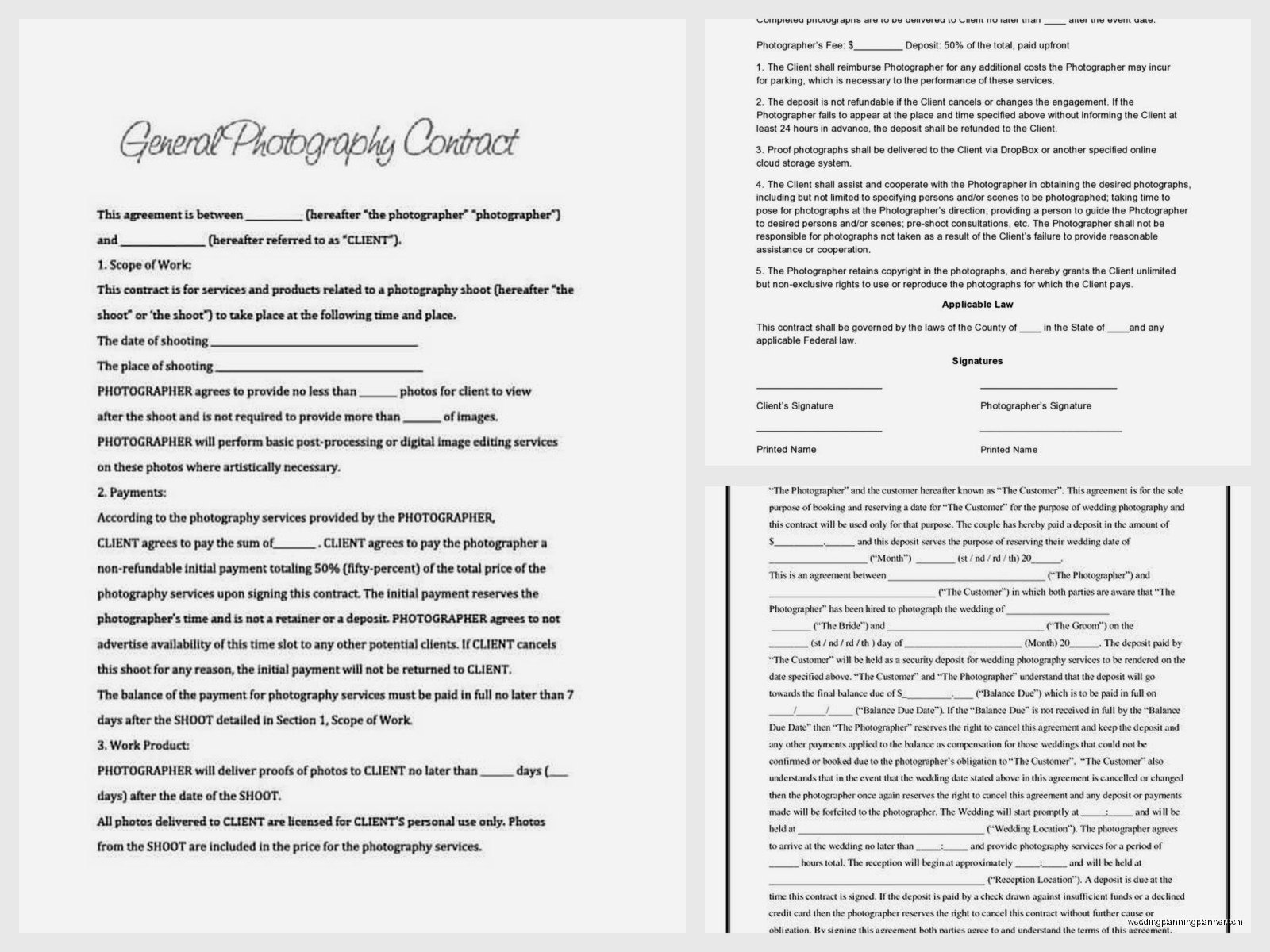
Money stuff needs to be crystal clear. Most photographers work with a deposit system – usually you’re paying like 25-50% upfront to book the date, then the rest either before the wedding or split into installments.
The contract should outline:
- Total package price
- Deposit amount and when it’s due
- Remaining balance payment schedule
- What forms of payment are accepted
- Late payment fees if applicable
- Refund policy (spoiler: deposits are usually non-refundable)
That non-refundable deposit part is important. If you cancel, you’re probably losing that money because the photographer turned down other bookings for your date. But the contract should also say what happens if the PHOTOGRAPHER cancels – do you get everything back plus compensation? You want that spelled out.
Timeline for Receiving Your Photos
Oh man, this is where I see couples get frustrated all the time. They’re expecting photos in like two weeks and the photographer is thinking two months and nobody actually confirmed what the timeline was.
Your contract needs to state when you’ll receive:
- Sneak peek images (usually within a few days to a week)
- Full gallery of edited images (typically 6-12 weeks but varies)
- Any physical products like albums (can be months)
And honestly, if a photographer promises you everything in like 2 weeks during wedding season, I’d be a little suspicious unless they have a huge team. Quality editing takes time, but you should know what that time actually is upfront.
Usage Rights and Who Owns What
This section confuses people but it’s actually pretty straightforward once you get it. The photographer owns the copyright to the images – they took them, they own them legally. But you need usage rights spelled out so you can actually… you know… use your wedding photos.
The contract should grant you:
- Personal use rights (printing, sharing on social media, etc.)
- Whether you can print anywhere or only through the photographer
- If the photographer can use your images for marketing/portfolio
- Any restrictions on editing or altering the images yourself
Some photographers include a clause saying they can share your photos on their website, Instagram, in bridal shows, whatever. If you’re private people who don’t want your wedding blasted all over social media, you need to discuss this and possibly get that clause removed or modified. I’ve seen that become an issue where couples thought their images would be private and then saw themselves on the photographer’s Instagram the next week.
What Happens If Your Photographer Gets Sick or Can’t Make It
Nobody wants to think about this but it needs to be in the contract. What’s the backup plan if your photographer has a family emergency, gets COVID, breaks their leg, or – I don’t even know – their car breaks down on the way to your venue?
A solid contract includes:
- Guarantee of a replacement photographer of equal skill level
- Who arranges the backup (not you scrambling on your wedding day)
- What happens to your money if they truly cannot fulfill the contract
Professional photographers usually have a network of backup shooters they trust. This should be mentioned in the agreement so you’re not left high and dry.
The Fine Print About Weather and Outdoor Shoots
If you’re planning outdoor photos, there’s usually something in there about weather. Because like… the photographer can’t control if it rains. The contract might say you’ll have a rain backup plan or reschedule certain portrait sessions, but they’re not gonna refund you because it was cloudy.
My cat actually knocked over my coffee while I was reviewing a contract for this exact issue last month and I had to reprint the whole thing, but anyway – weather clauses typically state that the photographer will work with whatever conditions exist and isn’t liable for weather-related issues. You can’t sue because it rained on your outdoor ceremony, basically.
Guest Cooperation and Family Photo Lists
Some contracts include a section about you providing a shot list for family photos and making sure people actually cooperate. The photographer isn’t responsible for tracking down your drunk uncle who wandered off when it’s time for extended family photos – that’s kinda on you to have people available.
This section might cover:
- Deadline for submitting your must-have shot list
- Your responsibility to have a point person (wedding planner, coordinator, bossy aunt) to help wrangle people
- Note that the photographer will do their best but can’t guarantee every single shot if circumstances prevent it
Liability and Insurance Stuff
The photographer should have liability insurance and the contract usually mentions this. It might say they’re not responsible for equipment failure (though they should have backup equipment), or for things outside their control like venue restrictions you didn’t tell them about.
There’s also usually something about the couple not being held liable if the photographer gets injured at the venue, which is pretty standard. You’re not responsible if they trip over their own camera bag, essentially.
Vendor Meal and Break Requirements
If your photographer is there for 8+ hours, the contract often specifies that you’ll provide them a meal. Not like a full plated dinner at a guest table necessarily, but a vendor meal. Some photographers are specific about this – they need to eat to keep working, and honestly that’s fair.
It might also mention breaks if it’s a really long day. Like if they’re there for 12 hours, they might need a 20-minute break at some point to… be human. This shouldn’t be a surprise on the wedding day.
Travel Fees and Accommodation
If your wedding is outside the photographer’s normal service area, there’s gonna be language about travel fees, mileage, possibly hotel accommodation if it’s far enough. This should all be spelled out with actual dollar amounts or calculations, not just “travel fees may apply.”
For destination weddings, you might be covering flights and hotel for the photographer and any assistant. Get this all in writing with who books what and when payment is due.
Overtime and Additional Hours
Okay so your reception is going amazing and you want the photographer to stay an extra hour – what does that cost? The contract should have an overtime rate listed, usually charged per hour or per half-hour.
It should also clarify that overtime isn’t guaranteed (they might have another commitment) and how you request it. Usually you can’t just decide this the day of – well, you can ask, but they might not be able to stay.
Editing Style and Final Product Delivery Method
The contract might describe the photographer’s editing style or at least confirm that images will be edited in their signature style. You’re hiring them for THEIR style, so you can’t demand they suddenly edit everything black and white if that’s not their thing.
Delivery method should be clear – is it a downloadable gallery? How long is the gallery available? Do you get a USB drive? Some photographers charge extra for physical USB drives now, which honestly annoyed me when I first encountered it but I guess everything’s digital now so whatever.
Model Release and Commercial Use
There’s usually a model release section where you’re agreeing that the photographer can use your images for their business purposes. If you’re not comfortable with this, negotiate it before signing. Some photographers will agree not to post your images publicly, others consider it a dealbreaker because they need portfolio work.
Rescheduling Due to Unforeseen Circumstances
Hello, pandemic, we all learned about force majeure clauses the hard way. Your contract should address what happens if you need to postpone the wedding due to circumstances beyond anyone’s control – natural disasters, government restrictions, serious illness, whatever.
Usually photographers will work with you to transfer your booking to a new date if they’re available, but this should be documented. What if they’re already booked on your new date? Do you get a refund? Partial refund? Credit toward a different service? Hash this out.
Dispute Resolution and Legal Stuff
At the end there’s usually language about what happens if there’s a disagreement. Some contracts require mediation before anyone can sue anybody. There might be a clause about which state’s laws govern the contract.
There’s also typically a severability clause that says if one part of the contract is found to be unenforceable, the rest still stands. And something about how the contract represents the entire agreement and supersedes any verbal promises or previous drafts.
Signature and Date Section
Both parties need to sign and date the contract. Sometimes there’s a spot for a witness signature too. Make sure you’re signing the final version after any negotiated changes have been made – don’t sign a draft and then discuss changes. Get the final version, read it completely (I know it’s boring but do it), then sign.
Keep a copy for yourself. Like actually keep it somewhere you can find it again, not just saved in some random email folder you’ll never look at. I keep all vendor contracts in a Google Drive folder for each wedding I plan, and I tell couples to do the same.
Random Things That Sometimes Appear in Photography Contracts
Some photographers include really specific stuff like “no drunk guests grabbing the camera” or “couple is responsible for timeline delays that reduce shooting time” or even “if you’re more than 30 minutes behind schedule, coverage ends at the contracted time anyway.”
I’ve seen contracts that specify the photographer isn’t responsible for getting shots if someone objects during the ceremony and causes a scene… which like, hopefully that’s not gonna happen but I guess they’ve had experiences that made them add that clause.
There might be something about respecting the photographer’s creative process and not having Uncle Bob with his DSLR following them around all day giving directions. Professional photographers have… feelings… about amateur photographer guests, and sometimes that makes it into the contract language.
What to Watch Out For
Red flags in photography contracts include super vague language about deliverables, no timeline for receiving images, or clauses that seem to protect only the photographer with nothing protecting you. If the contract says they can cancel anytime for any reason with no refund but you lose your deposit if you cancel, that’s not balanced.
Also watch for hidden fees – like if the contract says one price but then has add-on fees for things you assumed were included. “Digital delivery fee” or “editing fee” or “USB drive fee” when you thought that was all part of the package price.
And honestly, if a photographer doesn’t want to use a contract at all? Run. That’s not normal for professional wedding photography and you have zero protection if something goes wrong. I don’t care how talented they are or how good their Instagram looks – no contract means no booking, period.