
Planning Guides, Style Guide
Wedding Event Management: Professional Coordination Services

Sep
What Professional Wedding Coordination Actually Means
So professional wedding coordination is basically when you hire someone to handle all the moving pieces of your wedding day so you don’t lose your mind. I’ve been doing this for almost 15 years now and honestly the number of people who think they can just “wing it” on their wedding day is wild. Like no Sharon, your cousin who planned one birthday party cannot manage 150 guests, a catering team, florists, photographers, and a ceremony timeline.
There are different levels of coordination services and people get them confused all the time which honestly annoys me because then couples book the wrong thing and end up disappointed. You’ve got full-service planning which starts like a year out, partial planning which kicks in maybe 3-6 months before, and then day-of coordination which is actually more like month-of coordination because no one can just show up the day before your wedding and magically know everything.
Full-Service Planning vs Coordination
Full-service is when I’m there from the beginning. We’re talking venue selection, vendor referrals, budget management, design concepts, all of it. I’m at your vendor meetings, I’m reviewing contracts, I’m the one texting you at 9pm because I found the perfect linens. This is gonna run you anywhere from $3,000 to $10,000+ depending on your location and wedding size.
Partial planning jumps in mid-process. Maybe you already booked your venue and photographer but now you’re overwhelmed with the rest. I come in, assess what you’ve done, figure out what’s missing, and take over from there. Usually runs $2,000 to $5,000.
Day-of coordination is the most misunderstood service. Clients think I just show up on Saturday morning but actually I’m getting involved about 4-6 weeks out. I need to review all your vendor contracts, create a detailed timeline, confirm everything with your vendors, attend the rehearsal, and then manage the actual wedding day. This typically costs $1,200 to $3,000.
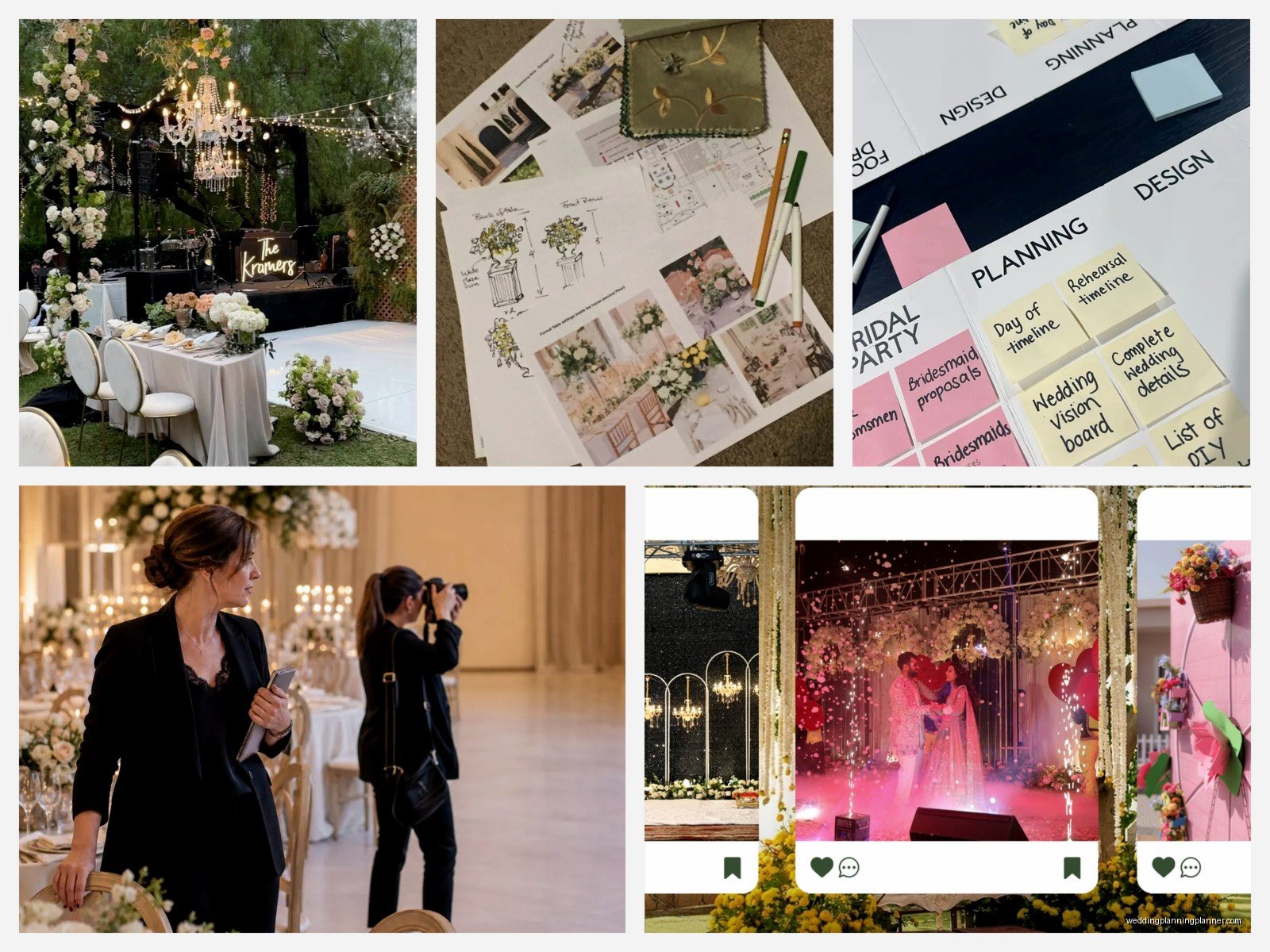
What Actually Happens During Professional Coordination
Let me walk you through what I actually do because I think people don’t really understand the scope. In spring 2023 I had this wedding where the couple insisted they didn’t need coordination because the venue “provided” it. The venue’s “coordination” was literally just someone who unlocked doors and pointed at tables. The bride ended up calling me crying two weeks before because nothing was organized and… anyway we salvaged it but those two weeks were brutal.
The Timeline Creation Process
Creating the timeline is probably the most important thing I do. You can’t just say “ceremony at 5pm, dinner at 6pm” and call it done. I need to account for travel time between ceremony and reception if they’re different locations, cocktail hour flow, how long it actually takes to serve 120 people a plated dinner (it’s longer than you think), when to cut the cake so the photographer doesn’t leave before we get those shots, when the band takes breaks.
I build in buffer time because things always run late. Always. The bride takes longer getting dressed, the limo gets stuck in traffic, grandma needs help getting to her seat. If your timeline has zero flexibility you’re screwed.
Here’s what goes into a professional timeline:
- Vendor arrival times with load-in schedules
- Hair and makeup schedule with buffer between people
- Photography shot list timing (getting ready, first look if applicable, family photos, wedding party photos)
- Ceremony start time with guest seating window
- Cocktail hour with vendor setup time for reception
- Reception entrance and first events (first dance, welcome, etc)
- Dinner service timing by course
- Toasts and speeches with specific order
- Special dances and activities
- Cake cutting and dessert service
- Open dancing blocks
- Last call and exit timing
- Vendor breakdown schedules
Vendor Management and Communication
About a month before the wedding I contact every single vendor. And I mean every single one. Florist, caterer, photographer, videographer, DJ, band, ceremony musicians, officiant, transportation, rental company, lighting company, venue coordinator. I confirm arrival times, delivery times, setup requirements, contact information, and make sure everyone has the timeline.
Then I create a vendor contact sheet with everyone’s name, company, phone number, email, and arrival time. Every vendor gets a copy. The couple gets a copy. I have like three copies.
During the wedding I’m the point person for all vendor questions. The florist doesn’t ask the bride where to put the centerpieces, they ask me. The caterer doesn’t interrupt the first dance to ask about serving dessert, they check with me. This is literally the whole point – you shouldn’t be answering logistical questions on your wedding day.
The Rehearsal Component
I always include rehearsal coordination in my services because it’s essential. The rehearsal is where we work out all the processional and recessional details, practice timing, figure out where everyone stands, and make sure the wedding party knows what they’re doing.
Most rehearsals take 30-45 minutes but I block an hour because there’s always someone running late or the grandmother has questions about where she sits or the best man didn’t realize he needed to actually be there.
What we cover at rehearsal:
- Processional order and spacing
- Where everyone stands during ceremony
- Any special ceremony elements (unity ceremony, readings, etc)
- Recessional order
- Where to go immediately after ceremony
- Receiving line details if applicable
I literally walk through it multiple times because people forget. The bridesmaids will nail it during practice and then on wedding day someone panics and forgets to pause between walking down the aisle.
Wedding Day Execution
On the actual wedding day I’m usually there for 10-12 hours minimum. I arrive before any vendors to do a venue walkthrough and make sure everything’s set up properly. Then I’m managing vendor arrivals, checking in with hair and makeup, making sure the getting-ready spaces have what they need (mimosas, snacks, tissues for crying), and keeping everyone on schedule.
The Getting Ready Phase
This is where things start running behind. Always. I’m gently pushing the bride along when she’s taking too long on makeup touchups, making sure the groom’s side isn’t just drinking beer and forgetting to get dressed, coordinating with the photographer to ensure they’re getting the shots they need.
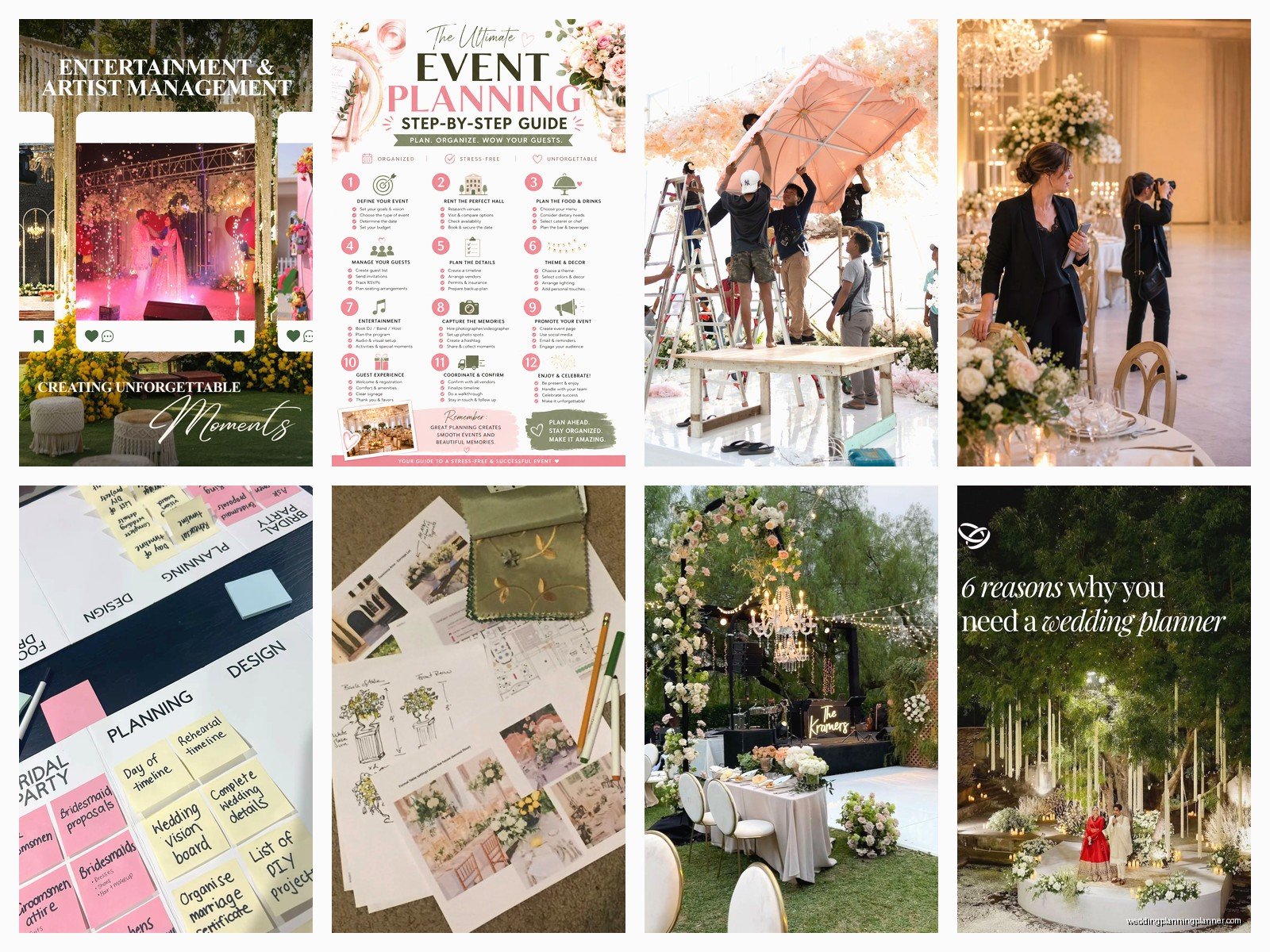
I’m also handling all the random stuff that comes up. Someone forgot their shoes. The ring bearer is having a meltdown. The boutonnières aren’t pinned right. A bridesmaid’s dress strap broke. My emergency kit has saved so many weddings – safety pins, bobby pins, clear nail polish, stain remover, sewing kit, pain relievers, band-aids, breath mints, tissues, double-sided tape, scissors.
Ceremony Time Management
Getting everyone lined up for the ceremony is like herding cats. The wedding party is scattered, someone’s in the bathroom, the flower girl is crying, the parents don’t know where to go. I’m literally positioning people and doing last-minute fixes to dresses and bouquets.
I cue the musicians or DJ for processional songs. I space out the wedding party so they’re not bunched up walking down the aisle. I hand out bouquets and boutonnieres. I make sure the rings are actually with the best man or ring bearer. Summer 2021 I had a wedding where the best man left the rings in his car and didn’t realize until we were lining up – I sent a groomsman sprinting to the parking lot while I stalled the processional.
During the ceremony I’m usually at the back managing any latecomers quietly, making sure the photographer has clear sight lines, and preparing for the recessional.
Reception Coordination
The reception is where I’m really earning my fee. I’m cueing all the events, managing the catering staff, working with the DJ or band on timing, making sure the photographer gets the shots they need, and handling any issues that come up.
I’m telling the DJ when to invite guests to dinner, when to start toasts, when to cue the first dance. I’m coordinating with catering on when to serve each course. I’m making sure the cake is cut at the right time and that someone’s actually serving it to guests.
I’m also the bad guy when necessary. If a guest is causing problems, I handle it. If a vendor isn’t doing what they’re supposed to, I deal with it. The couple doesn’t need to know that their drunk uncle tried to give an unauthorized toast or that the caterer was running behind on appetizers.
Problem Solving and Crisis Management
Here’s the thing about weddings – something always goes wrong. Always. Professional coordination means you have someone who can think on their feet and fix problems without bothering the couple.
I’ve dealt with:
- Vendors not showing up (had to find last-minute replacements)
- Weather emergencies forcing ceremony moves
- Power outages at venues
- Family drama and arguments
- Medical emergencies with guests
- Wardrobe malfunctions
- Missing items or forgotten details
- Vendor equipment failures
- Drunk guests causing scenes
The goal is to solve these problems without the couple ever knowing they happened. Obviously if it’s something major they need to know, but if I can handle it quietly, I do.
What Coordination Doesn’t Include
I gotta be clear about what I don’t do because couples sometimes have unrealistic expectations. Day-of coordination doesn’t include design work – I’m not helping you pick colors or creating mood boards. That’s planning, not coordination.
I’m also not a bridesmaid. I’m not holding your bouquet during the ceremony (that’s the maid of honor’s job), I’m not bustling your dress (bring someone who practiced), and I’m not providing emotional support during family drama. I’m professional and friendly but I’m working.
I don’t set up or break down your decorations unless that’s specifically added to my contract. Some coordinators include setup, some don’t. Breakdown is almost never included because I’m exhausted after 12 hours and you should have family or friends handling that.
How to Choose a Professional Coordinator
When you’re interviewing coordinators, ask specific questions. Don’t just ask if they’re “experienced” – ask how many weddings they’ve done, what size weddings they typically handle, if they have backup coordinators, what their emergency kit includes.
Ask about their process. When do they start working with you? How many meetings are included? Do they attend the rehearsal? How many hours are they there on wedding day? What happens if they get sick – do they have a backup?
Get references and actually call them. Ask those past clients if things ran smoothly, if the coordinator was professional, if they handled problems well.
Look at their contract carefully. What’s included? What costs extra? What’s their cancellation policy? Do they have liability insurance?
Red Flags to Watch For
If a coordinator says they can handle your 200-person wedding but they’ve only done 50-person weddings, that’s a problem. Scale matters.
If they don’t ask detailed questions about your wedding during the consultation, they’re probably not thorough enough.
If they don’t have a contract or their contract is super vague, run. Everything should be in writing.
If they’re significantly cheaper than everyone else, there’s probably a reason. Maybe they’re new (not necessarily bad but be aware), maybe they don’t include things others include, or maybe they’re just not very good.
DIY Coordination Reality Check
Some couples think they can have a friend or family member coordinate. Sometimes this works for very small, casual weddings. But here’s what usually happens – that person wants to enjoy the wedding too. They don’t want to be working the whole time. They don’t have the experience to handle problems. And if something goes wrong, it creates weird tension because they’re not a paid professional.
I’ve seen so many weddings where the mom or sister tried to coordinate and ended up stressed, exhausted, and kinda resentful. Plus they’re in all the photos looking frazzled instead of happy.
My cat knocked over my coffee while I was writing this and now I’m realizing I need to wrap this up anyway but like… the main point is that professional coordination isn’t just about having someone with a timeline. It’s about having an experienced professional who knows how to manage vendors, handle problems, keep things on schedule, and let you actually enjoy your wedding day without worrying about logistics. The number of brides who tell me afterward that hiring a coordinator was the best money they spent is pretty much all of them. You can’t be a guest at your own wedding if you’re also trying to manage it, and that’s exactly what coordination services are for
