
Planning Guides, Style Guide
Wedding Event Planner: Full-Service Coordination Guide
Sep
So You Wanna Do Full-Service Wedding Coordination
Okay so full-service coordination is basically when you’re handling literally everything for a couple from the moment they hire you until the last drunk uncle leaves the reception. And I mean everything—venue hunting, vendor contracts, timelines, the whole deal. It’s not just showing up on wedding day with a clipboard looking official, which honestly is what a lot of people think wedding planners do and it drives me absolutely crazy.
First thing you gotta understand is that full-service starts like 12-18 months before the actual wedding usually. Sometimes even longer if they’re type-A personalities or want a super specific venue that books out years in advance. Your initial consultation is where you’re basically interviewing each other—they’re checking if you’re not gonna make their wedding look like a Pinterest fail, and you’re checking if they’re the type who’ll text you at 2am about napkin colors.
The Budget Conversation Nobody Wants to Have
This is where it gets real fast. You need their actual budget, not the one they tell their parents or the one they wish they had. I had this couple in spring 2023 who kept saying their budget was $50k but then wanted a 200-person wedding at a luxury vineyard with a live band and I’m sitting there doing mental math like…that’s not gonna work. We eventually figured it out but it took three meetings of me basically being like “okay but actually though” before they were honest about having another $25k they could access.
You’re gonna create a budget breakdown spreadsheet. I use Google Sheets because then clients can see it update in real-time and they can’t claim later that they didn’t know something cost that much. Typical breakdown looks something like:
- Venue and catering: 40-50% of total budget
- Photography and videography: 10-15%
- Flowers and decor: 8-10%
- Entertainment: 8-10%
- Attire: 8-10%
- Stationery and paper goods: 2-3%
- Transportation: 2-3%
- Miscellaneous and buffer: 5-10%
But like, these percentages shift depending on what they care about. Some couples will drop 20% on photography because they want someone who’s shot for Vogue or whatever, and then we’re eating into the flower budget.
Vendor Selection Is Where You Earn Your Money
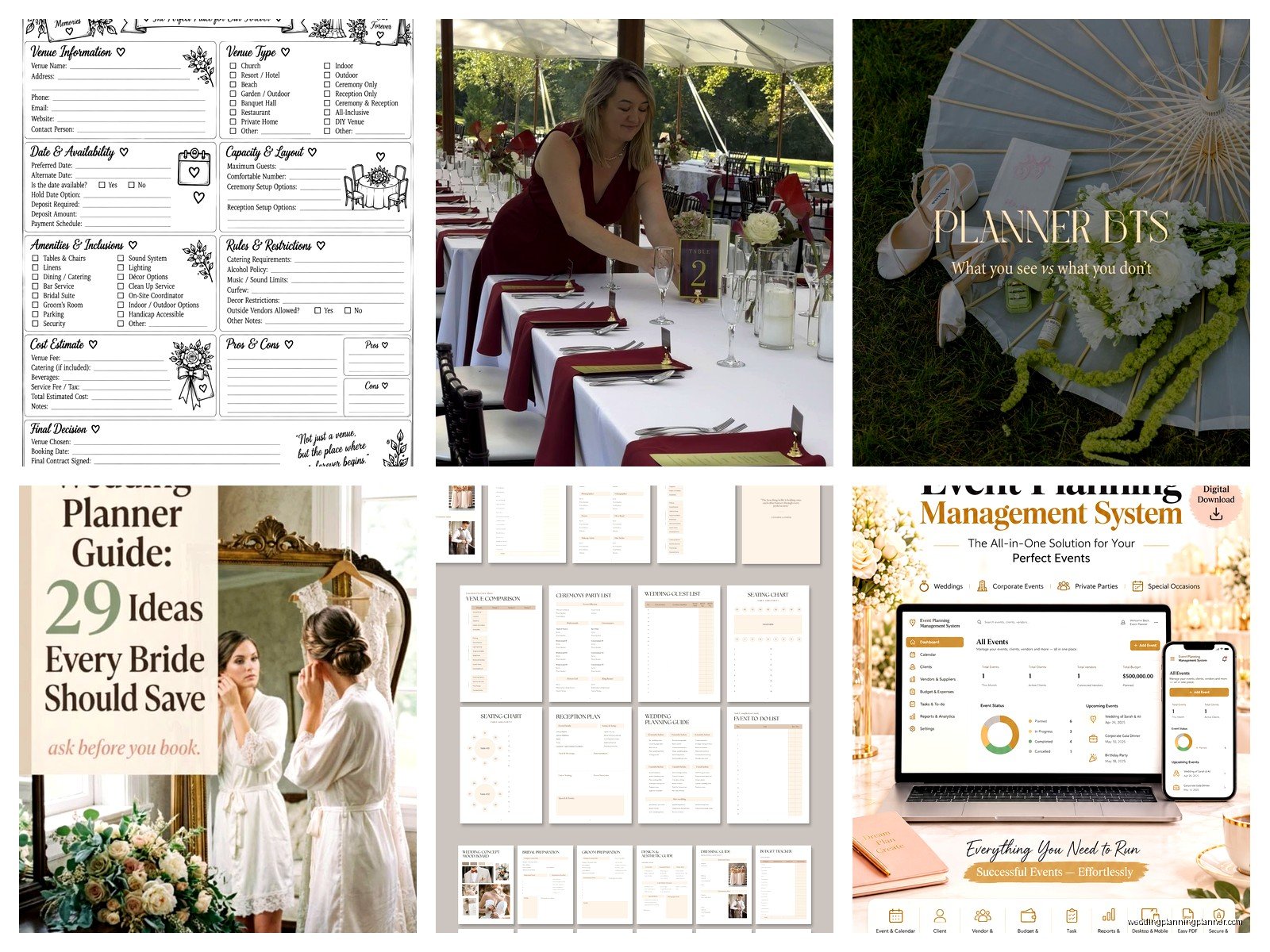
This part is honestly my favorite but also the most time-consuming. You’re researching vendors, reaching out, scheduling meetings or tastings, reviewing contracts, negotiating prices sometimes. For full-service I’m usually presenting clients with 2-3 options in each vendor category based on their style and budget.
Here’s what I’m booking in order usually:
- Venue (because availability dictates the date)
- Photographer (good ones book 12+ months out)
- Catering if not included with venue
- Band or DJ
- Videographer
- Florist
- Hair and makeup
- Baker
- Transportation
- Rentals if needed
- Officiant
The thing that absolutely annoys me is when clients find a vendor on Instagram, fall in love with their aesthetic, and then get upset when that vendor is either booked or way outside their budget. Like I get it, that tablescape photo is gorgeous, but that florist charges $15k minimum and your flower budget is $3k so we gotta…yeah.
You’re reading every single contract before your clients sign. I cannot stress this enough. I’ve caught so many problematic clauses—unclear cancellation policies, hidden fees, vendors who retain rights to resell the couple’s photos commercially without permission. One contract I reviewed had a clause that the baker could substitute ingredients without notice, which would’ve been a disaster since the bride had a severe nut allergy.
Design and Details Phase
Okay so once major vendors are booked you’re moving into the fun stuff—color palettes, decor concepts, stationery design, all that. This is where being a stationery consultant actually helps because I can guide them through invitation suites, day-of paper goods, signage, menus, place cards.
I usually create a design board using Canopy or sometimes just a physical board if they’re local. Colors, fabric swatches, invitation samples, photos of centerpiece ideas. Some planners use Pinterest but honestly I find that gets too scattered and clients start pinning stuff that doesn’t match and then we’re having a whole conversation about why we can’t do rustic AND glam AND bohemian all at once.
You’re also handling stuff like:
- Ceremony layout and decor
- Cocktail hour setup
- Reception floor plan
- Table settings and centerpieces
- Lighting design
- Lounge areas if they want them
- Ceremony music selections
- Reception playlist or band setlist input
The floor plan alone can take several revisions. You’re thinking about flow, where the bar should go so there’s not a bottleneck, making sure great-aunt Susan who uses a walker has easy access to her table, keeping the divorced parents on opposite sides of the room—logistical stuff that seems minor but makes a huge difference.
Timeline Creation Is An Art Form
So probably like 2-3 months before the wedding you’re creating the master timeline. This thing is gonna have every single moment of the wedding day accounted for, and you’re distributing different versions to different people. The couple gets a simplified version, vendors get a detailed version with their specific responsibilities, the wedding party gets their own version with just what they need to know.
Sample ceremony day timeline might look like:
- 8:00am – Hair and makeup team arrives at getting-ready location
- 8:30am – Bride starts hair
- 9:00am – Bridesmaids start rotating through hair and makeup
- 10:00am – Photographer arrives, detail shots
- 11:30am – Bride gets into dress
- 12:00pm – First look (if doing one) or bride portraits
- 1:00pm – Wedding party photos
- 2:30pm – Guests begin arriving
- 3:00pm – Ceremony begins
- 3:30pm – Ceremony ends, cocktail hour begins
- 3:45pm – Family formal photos
- 4:30pm – Grand entrance into reception
And that’s just a partial snapshot. The actual timeline I create is like 4-5 pages long with notes for each vendor about setup times, breakdown times, meal times, when they’re expected to do what.
I learned the hard way to build in buffer time. Summer 2021 I had a wedding where I scheduled things too tightly and the hair and makeup ran 45 minutes behind because one bridesmaid decided day-of that she wanted a completely different hairstyle than planned, and it created this domino effect where we were rushing through photos and the bride was stressed and…yeah. Now I add 15-20 minute buffers into getting-ready timelines.
The Month Before Is Controlled Chaos
Final month you’re in constant communication mode. Confirming everything with every vendor, sometimes multiple times because people don’t respond to emails apparently. You’re finalizing:
- Final guest count and seating chart
- Meal selections for plated dinners
- Payment schedules and final balances
- Delivery times and setup requirements
- Special requests or last-minute changes
- Ceremony rehearsal details
- Rain plan if outdoor wedding
The seating chart is its own special hell. You’re dealing with family dynamics, friend group drama, plus-ones who broke up since the RSVP, people who requested to sit together but also there’s no room at that table. I use a digital seating chart tool but honestly sometimes I still sketch it out on paper first because I’m old school like that.
Oh and you’re also managing the rehearsal, which is usually the night before. You’re walking the wedding party through processional, where to stand, recessional, explaining who does what. Most rehearsals take 30-45 minutes but I always block an hour because someone’s always late or the groom’s brother needs everything explained twice.
Wedding Day Execution
This is where full-service coordination really shows its value. You’re typically arriving before any vendors, sometimes 3-4 hours before ceremony time. You’re overseeing setup, checking that everything matches the floor plan, making sure rentals are correct, that centerpieces go on the right tables.
I bring what I call my emergency kit which is basically a giant bag of stuff that might be needed:
- Sewing kit and safety pins
- Stain remover
- Clear nail polish for stocking runs
- Bobby pins and hair ties
- Pain relievers and antacids
- Breath mints
- Tissues and blotting papers
- Super glue and duct tape
- Scissors and box cutter
- Phone chargers
- Snacks and water for wedding party
- Umbrella
You’re basically a problem-solving machine all day. The best man forgot the rings? You’re figuring out who can drive to get them. A centerpiece arrived broken? You’re rearranging flowers to make it work. The caterer is setting up tables wrong? You’re redirecting them. My cat knocked over my coffee this morning and I was thinking about how that’s kinda what wedding days feel like—constant little disruptions that you just gotta handle and keep moving.
During the ceremony you’re cueing musicians, making sure the wedding party processes correctly, having tissues ready for the mom who you know is gonna cry. During cocktail hour you’re checking that appetizers are coming out, bar is functioning, guests are finding their way around.
Reception is where you’re really multitasking. You’re cueing the DJ or band for special dances, making sure dinner service happens on schedule, coordinating cake cutting, bouquet toss if they’re doing one, managing the timeline so everything happens but also doesn’t feel rushed. You’re also troubleshooting—a guest spilled wine on the head table? You’re getting that handled. The couple wants to change the order of events last minute? You’re communicating that to all relevant vendors.
Managing Family Dynamics and Unexpected Drama
Nobody tells you that like 30% of full-service coordination is basically being a therapist and referee. You’re managing strong personalities, differing opinions between couple and parents who are paying, divorced parents who can’t be in the same room, family members who drink too much.
I’ve had to physically block a mother-of-the-bride from going into the getting-ready room because she kept criticizing the bride’s dress choice and making her cry. I’ve had to ask a groomsman to leave early because he was so drunk he was bothering guests. I’ve mediated arguments about everything from invitation wording to whether there should be a religious ceremony component.
The key is staying calm and redirecting. You’re not there to take sides but you are there to protect the couple’s vision and their experience. If someone’s being disruptive, you handle it quietly and quickly so the couple doesn’t even know it happened.
Vendor Management and Communication
Throughout the entire planning process but especially on wedding day, you’re the central point of contact for all vendors. They’re not bothering the couple with questions—they’re coming to you. You need to know every detail of every contract so you can answer questions and make decisions.
You’re also managing vendor meals and breaks. Most contracts specify that vendors get fed, so you’re coordinating with catering to make sure photographer gets a meal during dinner service, that band members have time to eat, that your assistant coordinator isn’t starving because you’re both too busy.
And honestly? Building good relationships with vendors makes your job easier. I have a stable of preferred vendors I work with regularly, and they know how I operate and I know I can trust them. When I’m working with a vendor for the first time I make sure we have detailed conversations beforehand about expectations and workflow.
Budget Tracking and Financial Management
Throughout the whole process you’re tracking expenses against budget. Every time something is purchased or a deposit paid, it’s going in the spreadsheet. This helps prevent budget creep, which is real and happens so easily. Couple decides they want uplighting—that’s $800-1500. They want a photo booth—another $800-1200. Suddenly they’re $5k over budget and wondering where it all went.
You’re also managing the payment schedule, reminding couples when deposits are due, when final payments need to be made. Some planners collect payments and then pay vendors themselves, but I prefer couples pay vendors directly and just send me confirmation. Less liability for me and clearer paper trail.
Contingency Planning
For every wedding you need a Plan B, and sometimes a Plan C. Weather is the obvious one—if it’s an outdoor wedding, what’s the rain plan? But you’re also thinking about vendor no-shows (has happened to me twice—once a DJ’s car broke down, once a hair stylist got food poisoning), equipment failures, family emergencies.
I always have backup vendor contacts in my phone. If a vendor cancels last minute, I’m immediately calling my backup list to see who’s available. It’s rare but it happens and you gotta be ready to pivot fast.
The Stuff Nobody Thinks About Until It’s Too Late
There’s all these tiny details that aren’t anyone’s specific responsibility but fall to the planner:
- Making sure someone’s designated to take the top tier of cake home for freezing
- Collecting gifts and cards at the end of the night
- Gathering personal items from getting-ready locations
- Taking down any DIY decor the couple wants to keep
- Making sure the couple eats—seriously, they forget
- Having a bustle plan for the bride’s dress
- Designating someone to take rental items back if needed
- Coordinating transportation for elderly or disabled guests
- Planning where couple will change into going-away outfits if applicable
I had a wedding where we forgot to plan who would take the marriage license to get signed and filed, and I ended up being the one who had to track down the officiant after the ceremony to make sure it got done. Now that’s on my day-of checklist.
Post-Wedding Wrap-Up
Your job isn’t done when the couple leaves the reception. You’re overseeing venue breakdown, making sure nothing gets left behind, that rentals are properly packed for pickup, that any remaining decor or personal items get to the right people.
In the days after you’re following up with vendors to make sure any outstanding payments are handled, getting final invoices, sometimes helping resolve any issues that came up. You might also help the couple with thank-you card organization or vendor review posting if that’s in your contract.
Some planners do a post-wedding meeting to review how everything went, but honestly most couples are on their honeymoon or just exhausted and don’t want another meeting. I usually send a detailed recap email with any important information they need and let them reach out if they have questions.
Pricing Your Services
Full-service coordination is your most expensive package because it’s the most time-intensive. You’re gonna be spending 80-150 hours on a wedding depending on complexity. I charge either a flat fee (usually $5k-8k depending on the scope) or a percentage of the total wedding budget (typically 15-20%).
Make sure your contract is really clear about what’s included and what’s not. Is dress shopping included? Vendor sourcing outside your usual area? International weddings? Rehearsal dinner planning? These are all things that might be add-ons or might be included depending on how you structure your services.
And don’t undervalue yourself. You’re providing expertise, industry connections, peace of mind, and hundreds of hours of work. Couples who want full-service usually understand the value, and the ones who balk at your pricing probably aren’t your ideal clients anyway because they’re gonna question every cost and make the whole process miserable for everyone involved or… anyway yeah, price appropriately for your market and experience level but don’t sell yourself short.
