
Planning Guides, Style Guide
Wedding Planner French Riviera: Location Specialist Services

Oct
So You Need a French Riviera Wedding Location Specialist
Okay so the French Riviera is absolutely stunning for weddings but here’s the thing—you can’t just show up and expect to figure it out. I learned this the hard way in summer 2021 when I had a couple who wanted to DIY their venue search in Nice and they ended up completely overwhelmed within like two days. The region stretches from Saint-Tropez to Menton and each town has completely different vibes, regulations, and honestly, availability issues that’ll make your head spin.
A location specialist for French Riviera weddings isn’t just someone who knows pretty venues. They know which mairies will actually process your paperwork on time, which caterers are allowed at which properties, and—this is huge—who speaks English versus who’ll need a translator for every single conversation. You’re gonna need someone who understands that a chateau near Grasse operates completely differently than a beach club in Cannes.
What Location Specialists Actually Do There
The job goes way beyond sending you a Pinterest board of beautiful places. First, they’re doing a proper needs assessment. How many guests are you bringing? Because a villa that sleeps 20 might sound perfect until you realize your 80 guests have nowhere to stay nearby and the nearest hotel cluster is 45 minutes away on winding roads. I always ask about elderly guests or anyone with mobility issues because some of these hillside venues have like a million stairs and no proper access.
Then there’s the legal stuff which honestly annoys me because it’s SO complicated and changes depending on whether you’re French, European, or coming from outside the EU. A good location specialist knows which venues can host legally binding ceremonies versus which ones are symbolic-only. They’ll tell you upfront if you need to do the legal part at the mairie first—and trust me, you probably do.
Venue Categories They Work With
You’ve got your classic options: private villas, historic chateaux, luxury hotels, beach clubs, gardens, and vineyards. Each category has its own drama. Villas are amazing for intimacy but you’re bringing in everything—and I mean everything. Tables, chairs, generators sometimes, the whole catering setup. Hotels are easier logistically but less flexible with timing and outside vendors.
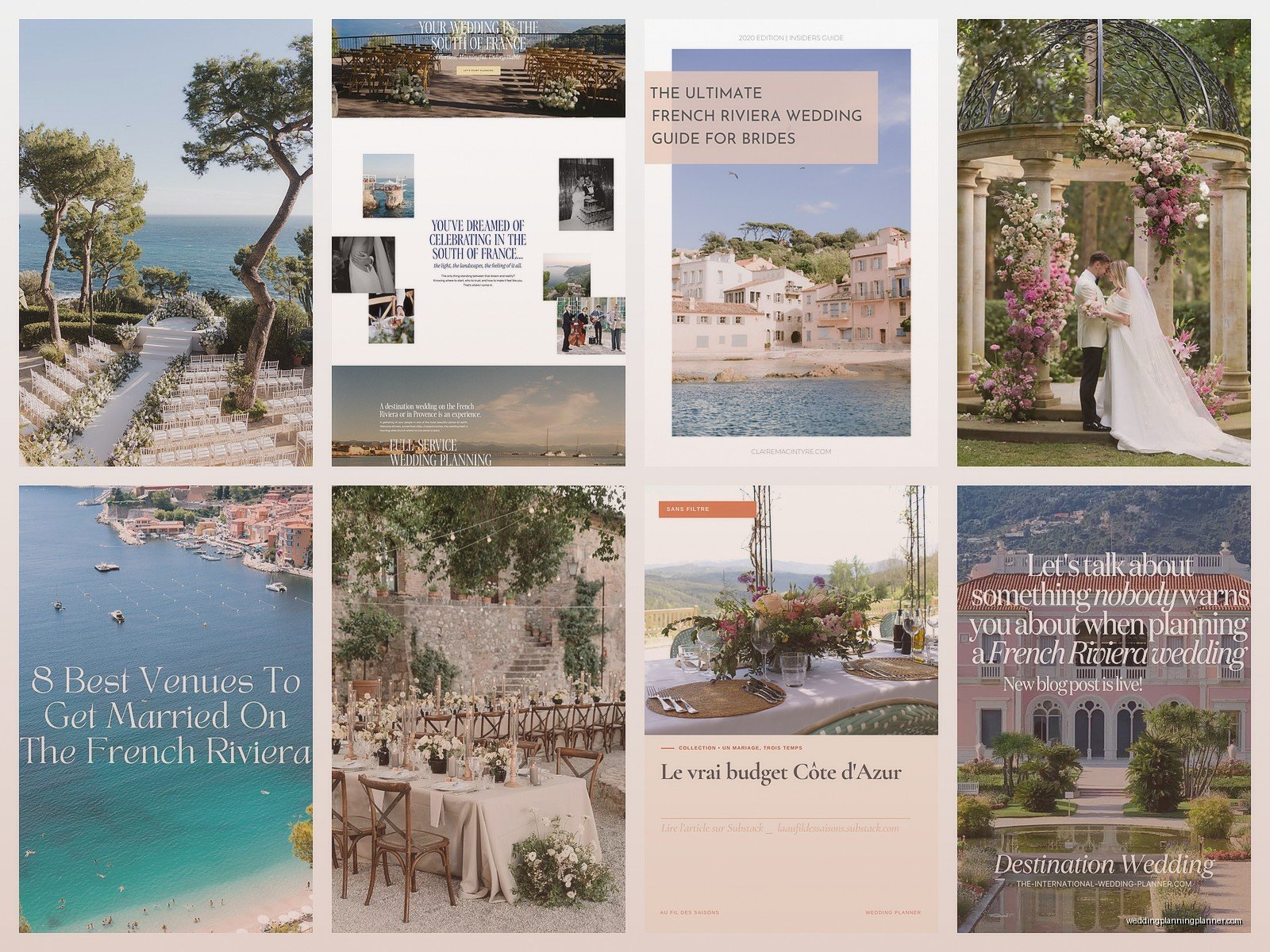
Beach clubs sound dreamy until you factor in wind (it’s windier than you think), sand getting literally everywhere, and strict noise ordinances that shut everything down by like 11pm in some areas. Spring 2023 I had a bride who was SET on a beach wedding in Juan-les-Pins and we had to have this really awkward conversation about how her 200-person reception with a live band wasn’t gonna work with local regulations. We ended up doing ceremony on the beach, reception at a nearby villa garden.
The Scouting Process
A location specialist will do site visits for you, which is critical because photos lie. That gorgeous terrace might be right next to a major road. That “secluded” chateau might share its driveway with a busy restaurant. I always take videos during site visits, not just photos, because you need to hear the ambient noise and see how light moves throughout the day.
They’re checking weird stuff you wouldn’t think about: Where does the catering truck park? Is there proper refrigeration on-site? What’s the backup plan if it rains—and is that backup plan actually nice or is it kinda sad? How many bathrooms are there because French venue bathrooms are often… not sufficient for 100 guests.
My cat knocked over my coffee while I was reviewing venue contracts last week and I had this moment of panic, but anyway—contracts in France are different. Your specialist should be reviewing terms about damage deposits, cancellation policies, and what’s included. Some venues include tables and chairs, some charge extra for literally everything including the privilege of using their electricity outlets.
Logistics Coordination
Here’s where it gets real: access and timing. The French Riviera has narrow roads, limited parking, and in summer, traffic that’ll make you want to cry. A good location specialist maps out actual drive times between your ceremony and reception if they’re separate. They know which venues have helicopter access (yes, really) and which ones require shuttle buses because there’s nowhere for guests to park.
They’re also coordinating with local authorities for any permits you need. Amplified music permits, parking permits, sometimes permits just to have a certain number of people gathering. Different communes have different rules and if you think you’ll just figure it out yourself… nah. You won’t.
Working With French Vendors
This is where having someone local becomes non-negotiable. French vendors are amazing but they operate on a different system. Contracts are often less detailed than what Americans or Brits are used to. Payment structures are different. And honestly, many of the best vendors don’t even have websites—they work entirely through referrals and personal relationships.
Your location specialist should have established relationships with florists, caterers, rental companies, and lighting designers who work in your specific area. Because here’s the thing: a vendor based in Cannes might not want to schlep all their equipment to a venue near Monaco. Or they’ll charge you a fortune for travel. You need someone who knows who services which areas reliably.
I had this situation where a couple wanted a specific caterer from Paris to come down and it turned into this whole negotiation about accommodation, travel days, and whether their refrigerated truck could even make the drive. A local specialist would’ve steered them toward equally excellent local options from the start.
Understanding Venue Restrictions
Every venue has its list of preferred or required vendors, and some are super strict about it. Historic properties especially—they might require you to use specific caterers who have insurance and experience with their kitchens. Some venues don’t allow open flames (bye bye, dramatic candles everywhere). Some don’t allow red wine because of their antique rugs. Others have strict noise curfews or don’t allow certain types of music.
Beach venues often prohibit stiletto heels because they damage wooden decking. Garden venues might not allow certain types of installations because of root systems. It’s honestly kinda exhausting keeping track of all these rules, which is exactly why you need someone whose literal job is knowing this stuff.

Seasonal Considerations
The French Riviera wedding season runs roughly May through September, with June and September being the sweet spots. July and August are gorgeous but also insanely crowded and expensive. Your location specialist should be honest about what each season means for your specific venue choice.
Shoulder season (April, October) can be beautiful but weather’s more unpredictable and you absolutely need a solid indoor backup plan. Some venues close entirely in winter or operate on reduced schedules. Also, certain vendors take August off completely because that’s when France basically shuts down for vacation, so if you’re planning late August, you might have limited options.
I always tell couples to consider their guests’ experience beyond just the wedding day. Are there enough hotel rooms available during your dates? What else can guests do in the area? Is the Monaco Grand Prix happening that weekend because if so, good luck finding accommodation anywhere nearby and prices will be absolutely wild.
Budget Reality Checks
Location specialists should give you honest budget guidance upfront. The French Riviera isn’t cheap, and costs add up differently than they might at home. Venue rental might seem reasonable until you add in required insurance, cleaning deposits, and all the rentals you need to bring in.
Transportation costs are often underestimated. If your venue is remote, you’re paying for guest shuttles, vendor transportation, and possibly accommodation for vendors who need to start setup the day before. Import costs for anything you’re bringing from outside France can be significant—I’ve seen couples get hit with unexpected customs fees on their wedding dress or decorations they shipped ahead.
A good specialist will break down realistic all-in costs for each venue option, not just the rental fee. They should know average catering costs per person in that area, typical floral budgets for the venue size, and what you’ll actually need to spend on rentals and lighting to make the space work.
The Communication Factor
Unless you speak fluent French, you’re gonna need someone who can communicate with venues, vendors, and local authorities on your behalf. And I don’t just mean someone who studied French in college—you need someone who understands business French, contract terminology, and how to navigate the sometimes formal communication style that French vendors expect.
Email response times in France can be… slower than you’re used to. Things shut down for lunch. August is basically a black hole for getting anything done. Your location specialist manages these expectations and knows when to follow up, when to call instead of email, and when something actually needs in-person attention.
They’re also your cultural translator for etiquette stuff. French weddings traditionally have different timing, different meal structures, and different guest expectations than American or British weddings. Your specialist should help you figure out what traditions to incorporate and what’ll feel weird or out of place for your specific guest mix.
Site Visit Coordination
If you’re planning from abroad, you’ll probably do one big site visit trip to see venues in person. A location specialist organizes this efficiently, booking back-to-back appointments, coordinating with vendors for tastings or meetings, and making sure you’re not wasting time driving all over the region randomly.
They should prepare you for each visit with background info, questions to ask, and things to look for. They’ll often meet you at venues or join via video call to point out details you might miss. And honestly, having someone there to take notes while you’re busy being overwhelmed by how pretty everything is… that’s valuable.
After visits, they help you compare options realistically—not just based on which one had the best view, but which one actually works for your guest count, budget, and vision. Sometimes the most beautiful venue is actually the worst choice for your specific needs, and you need someone objective to point that out.
Dealing With French Bureaucracy
Oh man, this part. If you’re having a legal ceremony in France, there’s paperwork. So much paperwork. Birth certificates, divorce decrees if applicable, certificates of celibacy (yes really), all translated by certified translators and apostilled. Different communes require different documentation and have different processing times.
Your location specialist should work with someone—often a wedding planner or legal specialist—who handles this bureaucratic nightmare. They know which mairies are more efficient, which require in-person appointments versus accepting mailed documents, and what the realistic timeline is for getting everything processed.
The whole process usually requires you to establish residency in the commune for at least 30-40 days before the wedding, which means either you or your partner staying in the area or sometimes there are workarounds through family connections. It’s complicated and honestly, most couples opt for a legal ceremony at home and just do a symbolic ceremony in France because it’s SO much simpler.
